Nous utilisons des cookies essentiels au fonctionnement du site. Nous aimerions aussi déposer des cookies de mesure d’audience et des cookies publicitaires, uniquement avec votre accord. Vous pouvez choisir séparément pour chacun. Lire notre politique relative aux cookies
Loading
Recettes
Parcourez les archives par pays, par plat et par temps de cuisson.
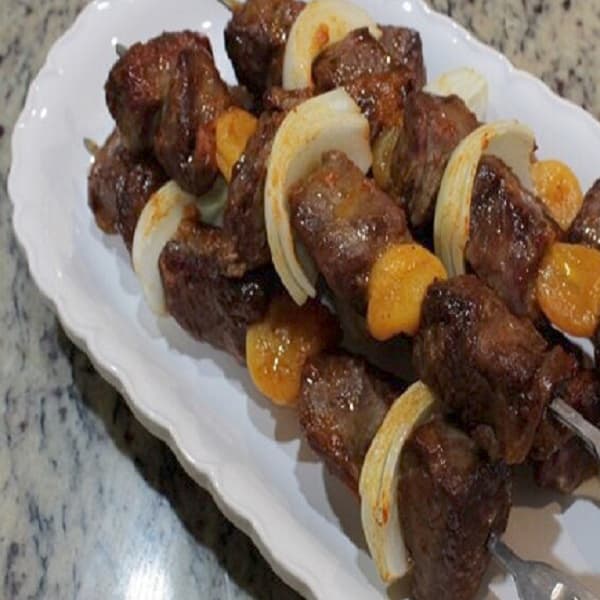
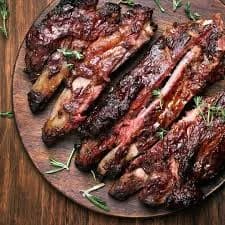
Sosaties are South African kebabs, marinated meat threaded onto skewers with dried apricots and grilled over a braai. Lamb is the national favourite.
The name comes from Afrikaans, from sate, the Malay word for skewered meat, and saus for sauce. That etymology points directly at the origin: sosaties are a Cape Malay dish, developed by the community descended from people brought to the Cape from the Indonesian archipelago and South Asia under Dutch colonial rule. The curried, fruit-sweetened marinade is characteristic of that cooking, and it is where South African food gets much of its sweet-savoury instinct.
The apricots are the distinctive part. Dried apricots are threaded between the meat, and during grilling they soften and caramelise while the curry and vinegar marinade cuts through the lamb fat. Some of the marinade is usually thickened into a sauce and served alongside.
They belong at a braai alongside boerewors, chops and steaks, which is where most South Africans encounter them.
Marinating overnight is standard and makes a substantial difference, the acid in the marinade works on the meat over hours.
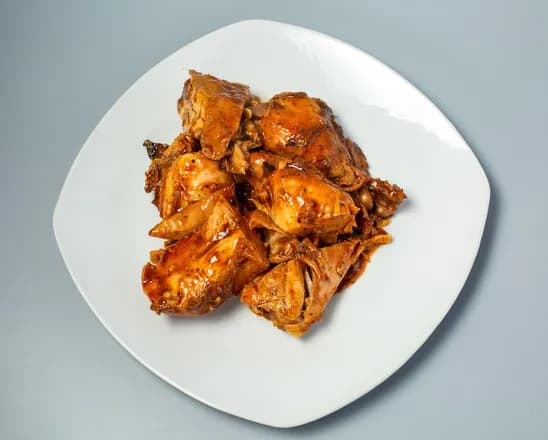
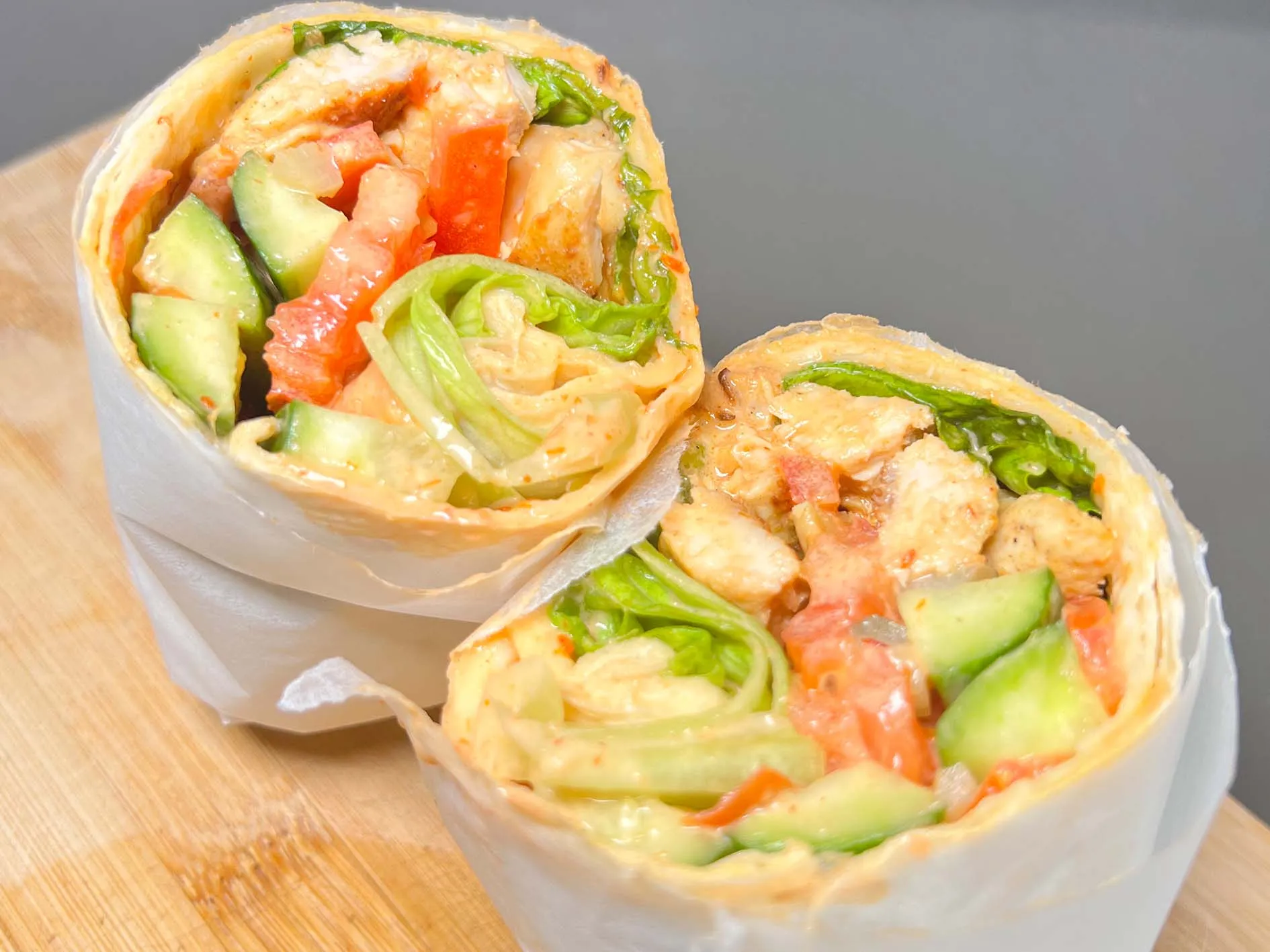
Marinated chicken breast, salad vegetables and a sauce, rolled in a tortilla and toasted in a pan to seal it. No country is claimed and none applies.
The recipe offers two sauces and the choice between them tells you what it is for. One is built on Greek yoghurt with sriracha, pickles and lemon, and the source labels it for the fitness-minded; the other is mayonnaise and ketchup with the same additions. They do the same job in different registers, and swapping one for the other changes the character of the wrap considerably.
The one technique worth taking from this is the last step. Rolling the wrap and then returning it to a dry pan to toast does two things: it seals the seam so the wrap does not unravel, and it crisps the outside, which changes the texture from a cold sandwich to something closer to a quesadilla. It takes about a minute a side and it is what separates a good wrap from a limp one.
Marinating the chicken in yoghurt with paprika, ginger and garlic is a sound approach, though the source lists the marinade ingredients only in its method and not in its ingredient list. Those have been brought together below.
The source is written in an emphatic, all-capitals style throughout, which has not been carried across.
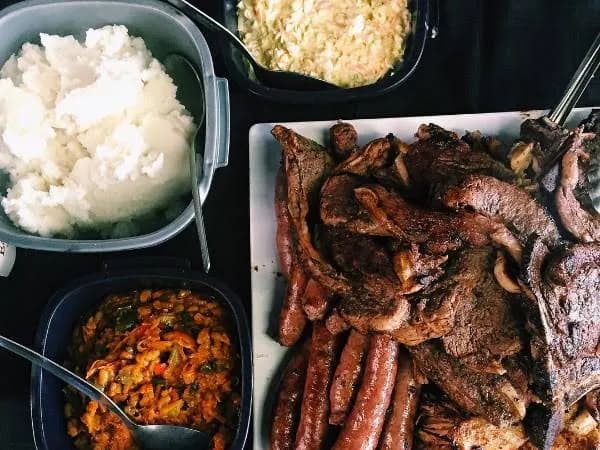
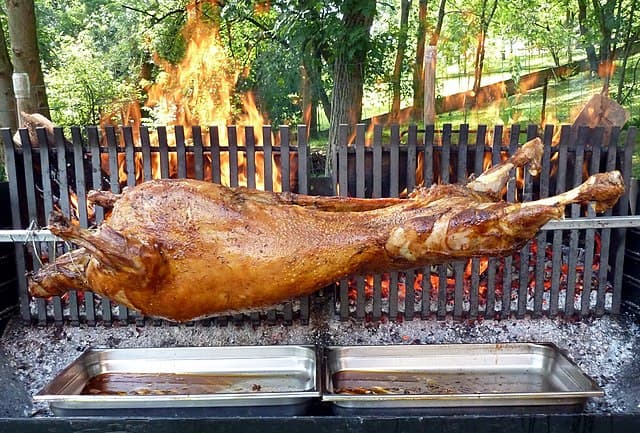
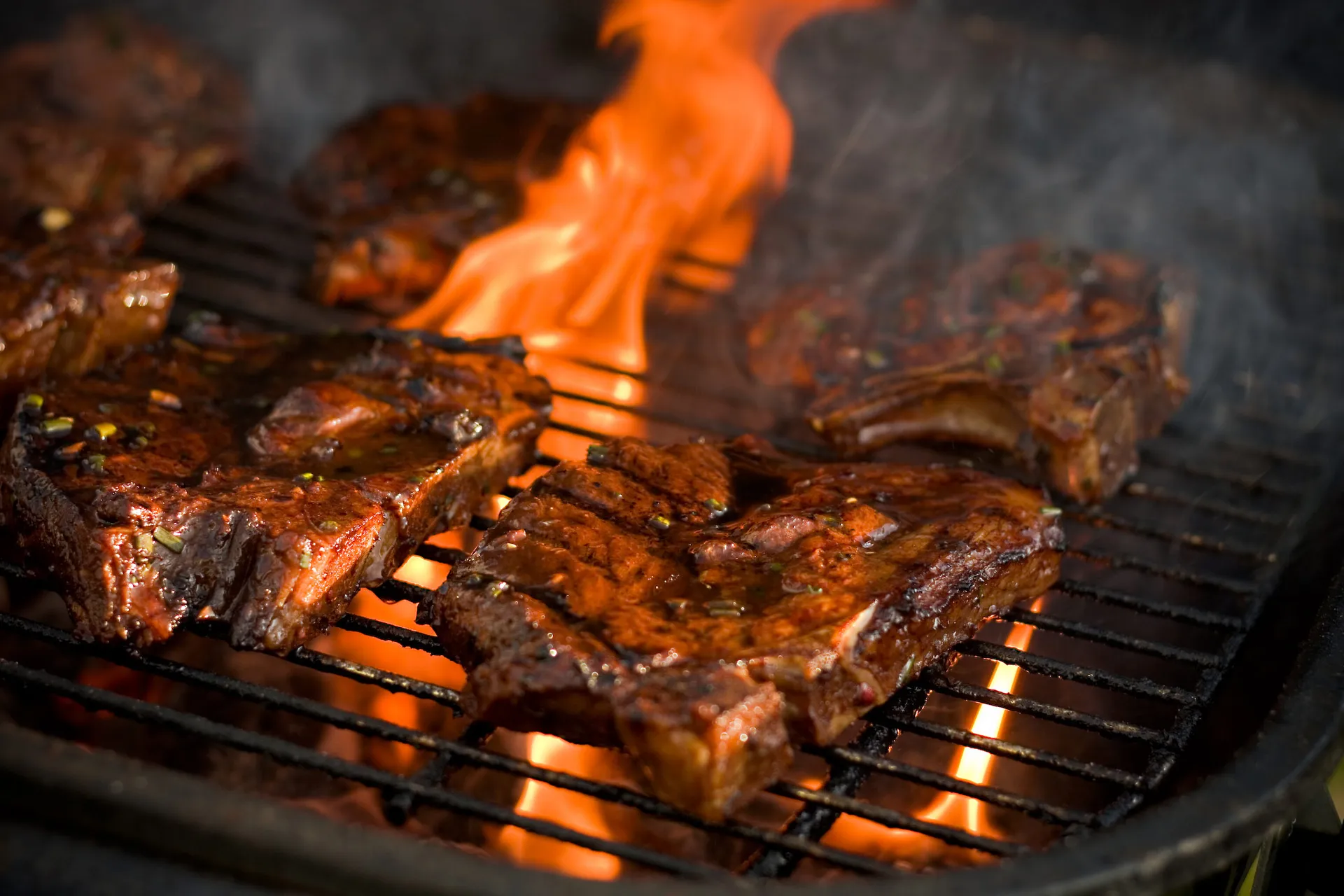
A braai is South African cooking over an open wood or charcoal fire, and it is as much a social occasion as a cooking method. The word comes from braaivleis, Afrikaans for grilled meat, from the Dutch braden, to roast.
The distinction South Africans draw between a braai and a barbecue is about the fire, and it is taken seriously. A braai is cooked over wood or charcoal, with wood preferred because of what it does to the flavour; gas is generally not accepted as a braai at all. The fire is also the point of the gathering rather than a means to an end, people build it, wait for it, cook on it and then stay around it long after the food is finished. And unlike a Northern Hemisphere barbecue, it is not seasonal. South Africans braai in any weather, and 24 September is a national braai day.
What goes on the fire is broad: boerewors, lamb chops, steak, chicken, snoek and other fish, sweetcorn, and braaibroodjies, the grilled cheese, tomato and onion sandwiches that go on once the coals have died down. Potjiekos, cooked in a cast-iron pot over the same fire, is a close relative.
The source for this page contains no recipe card at all. The method below is reconstructed from its description, and that is flagged.
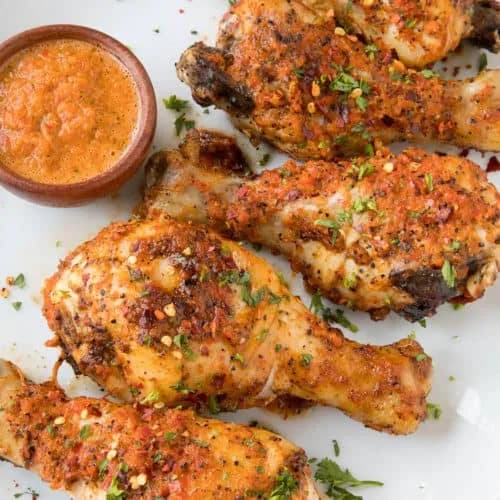
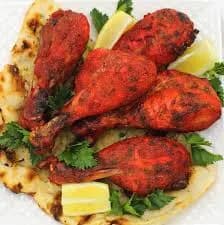
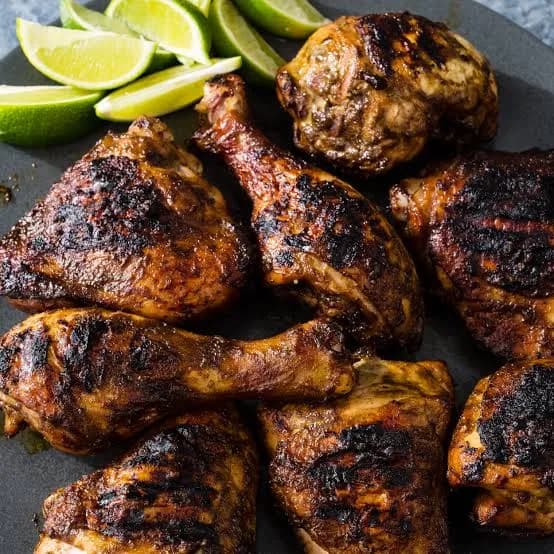
Tandoori chicken is chicken marinated in yoghurt and spices and roasted at very high heat in a tandoor, the cylindrical clay oven it takes its name from. The source states plainly that it originated in the Indian subcontinent, specifically the Punjab, and it sits in Worldwide Recipes under South Asian.
The tandoor is what the dish is built around. It runs far hotter than a domestic oven, which is how the chicken cooks fast enough to char on the outside while staying moist inside. Cooking it elsewhere means adapting, and Western kitchens grill or roast instead. This recipe uses a conventional oven, which the source acknowledges as an adaptation.
Two ingredients do the work. Yoghurt tenderises through its acid and lactic enzymes and keeps the meat moist, and garam masala provides the aroma. The food colouring in the ingredient list is worth knowing about: the characteristic red is achieved commercially with colouring rather than by any ingredient, and it can simply be left out with no effect on flavour. Tandoori chicken is also the foundation of butter chicken and several other cream-based curries.