

Kisra
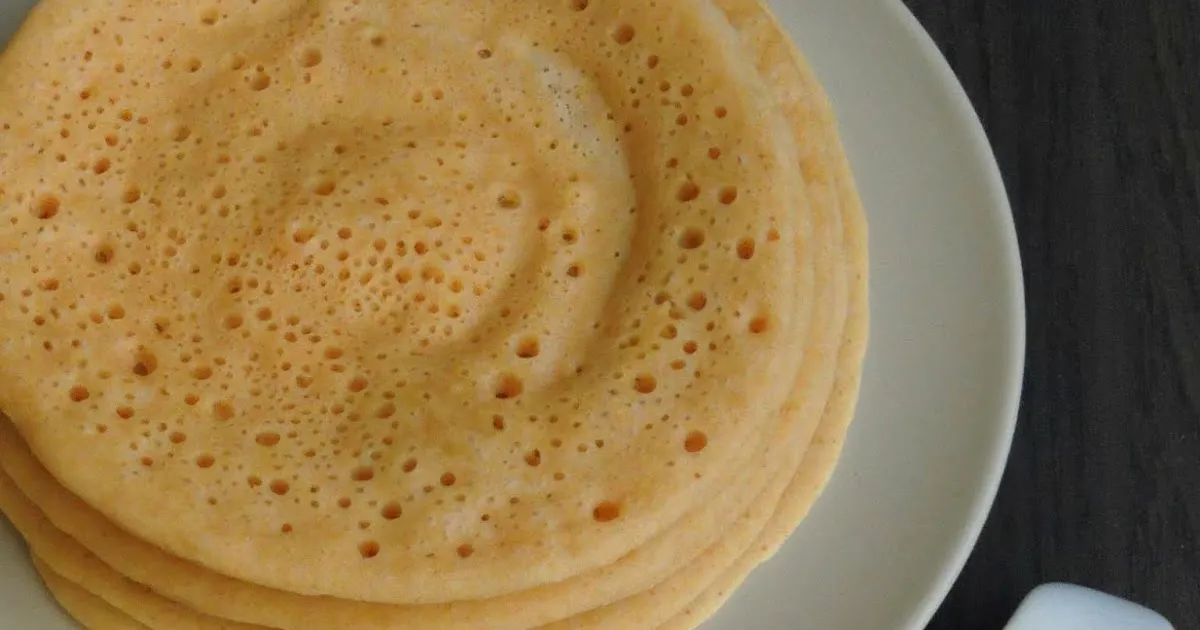
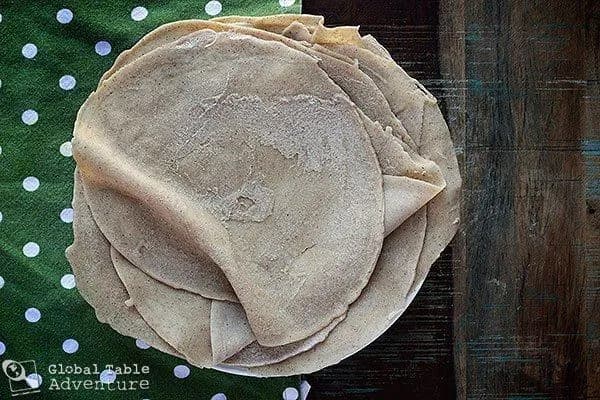
Kisra, also spelled kissra, is the fermented flatbread of Sudan, South Sudan and Chad, made from sorghum flour left to ferment overnight and spread paper thin on a hot griddle. It is a staple rather than an accompaniment, and in Sudan its production has become a home based industry supplying households that no longer make it themselves. It comes in two forms. Kisra rhaheefa is the thin baked sheet, closely comparable to Ethiopian injera in appearance and in the lactic fermentation that produces it, though made from sorghum rather than teff. Kisra aseeda, also called aceda, is the same base cooked into a thick porridge instead. The two are eaten in different contexts and both are called kisra. The fermentation is what determines quality, and Sudanese cooks judge it by several variables at once: the sorghum genotype, the age and strength of the starter, the temperature and the time. Lactic acid bacteria and yeast do the work, producing the acids and alcohols that give kisra its sour flavour and its aroma. A weak or young starter gives a bland bread, which is why starters are kept going and shared between households.
Sudan45 minNympha