


Ngalakh
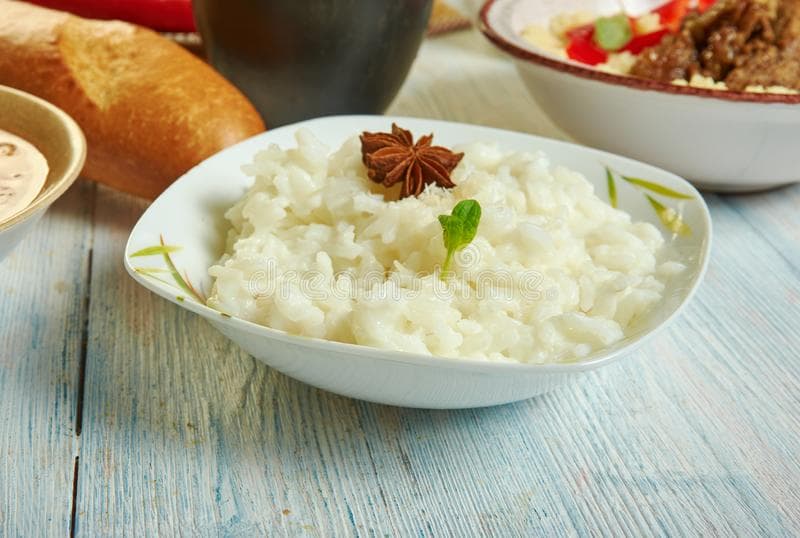
Ngalakh is Senegal's Easter dish, and the sentence needs the qualification that in Senegal Easter is not primarily about chocolate or eggs. It is about ngalakh: a thick millet porridge bound with peanut paste and baobab fruit, made in quantity and sent out of the house. That last part is the dish. Ngalakh is prepared by Christian households and distributed to neighbours, friends and colleagues, most of whom are Muslim, in a country where the two communities live closely and intermarry. It is also served at Korité, marking the end of Ramadan, moving in the other direction. A dessert that exists to be given away across a religious line is doing something more than feeding people, and Senegalese describe it directly as an expression of teranga, the national value of hospitality and sharing. Its base is thiakry, the medium grain millet semolina, as distinct from thiéré, which is finer. The peanut paste supplies richness and the bouye, the powdered pulp of the baobab fruit, supplies a tart acidity that cuts it. That pairing of heavy and sharp is what makes ngalakh work where a sweet porridge alone would not. It is eaten cold, from large bowls, dusted with sugar.
SenegalBlessing