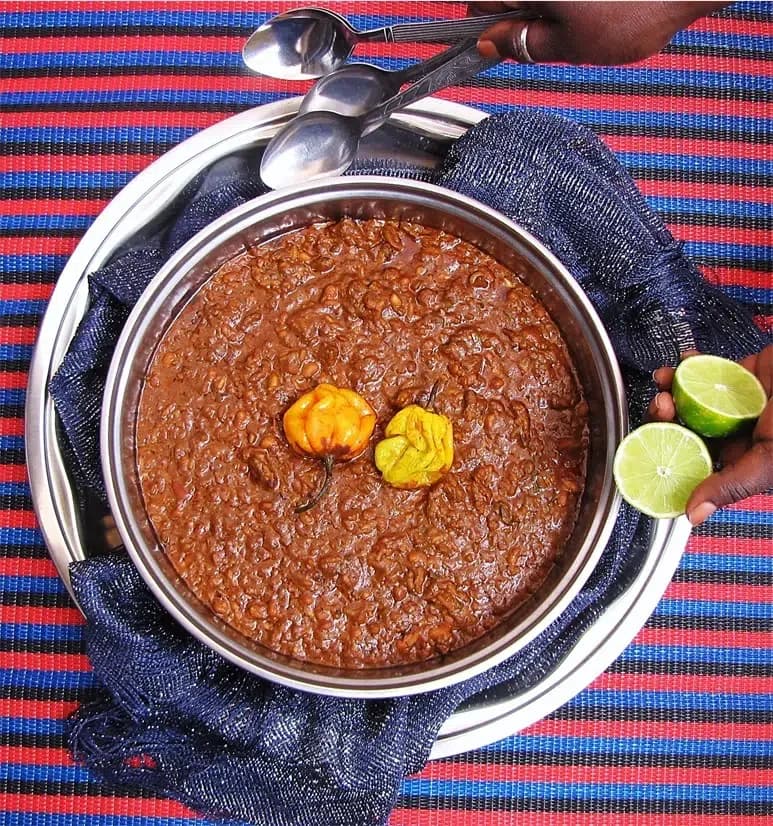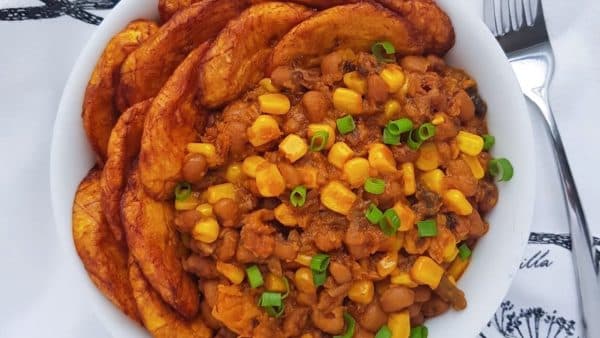
Boiled Beans
55 minEasy


Cookies sur African Food Network
Nous utilisons des cookies essentiels au fonctionnement du site. Nous aimerions aussi déposer des cookies de mesure d’audience et des cookies publicitaires, uniquement avec votre accord. Vous pouvez choisir séparément pour chacun. Lire notre politique relative aux cookies

Parcourez les archives par pays, par plat et par temps de cuisson.
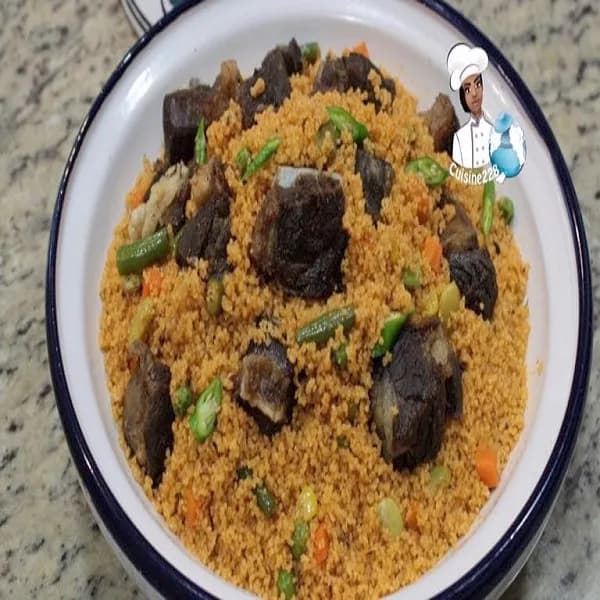
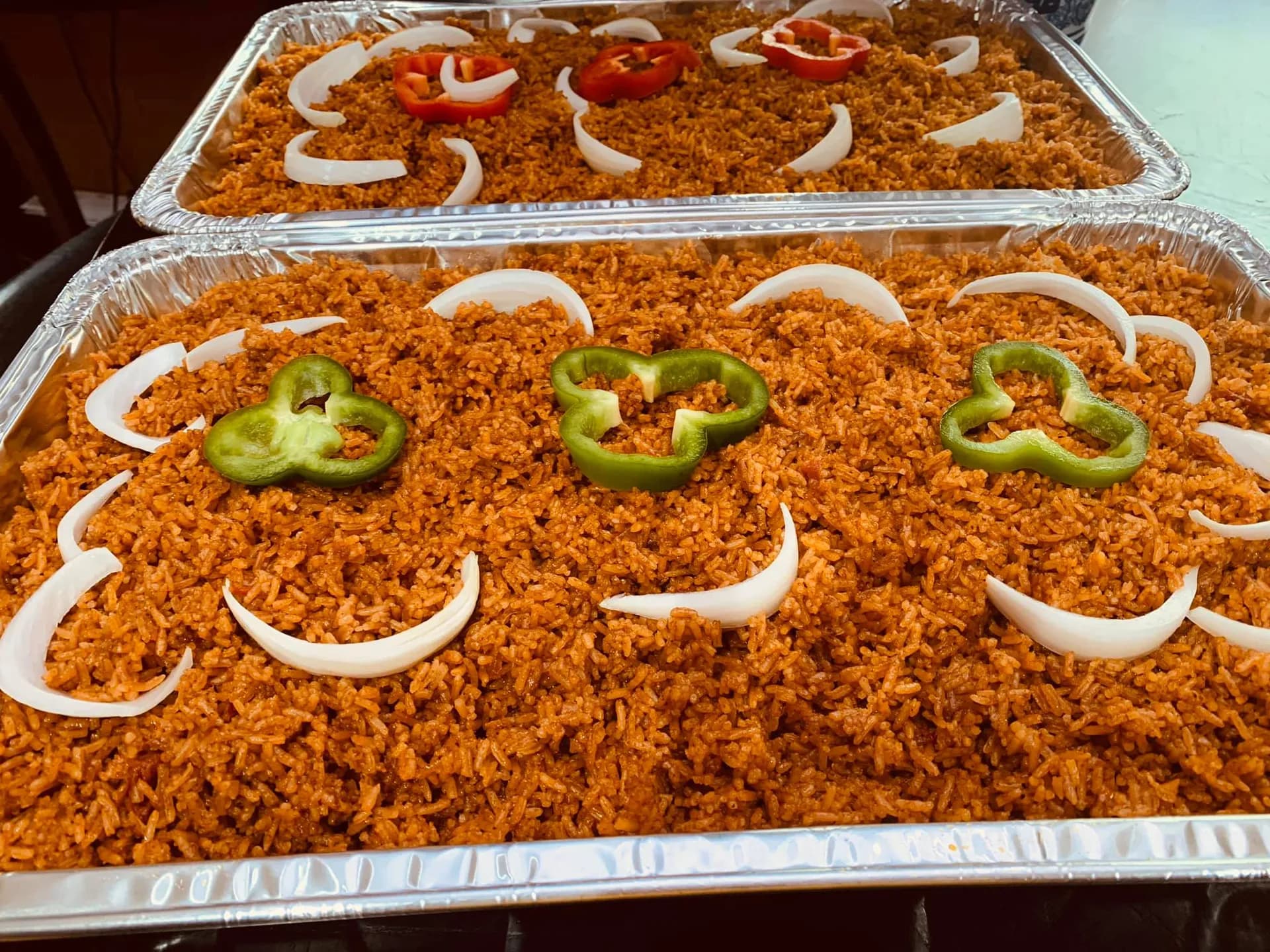
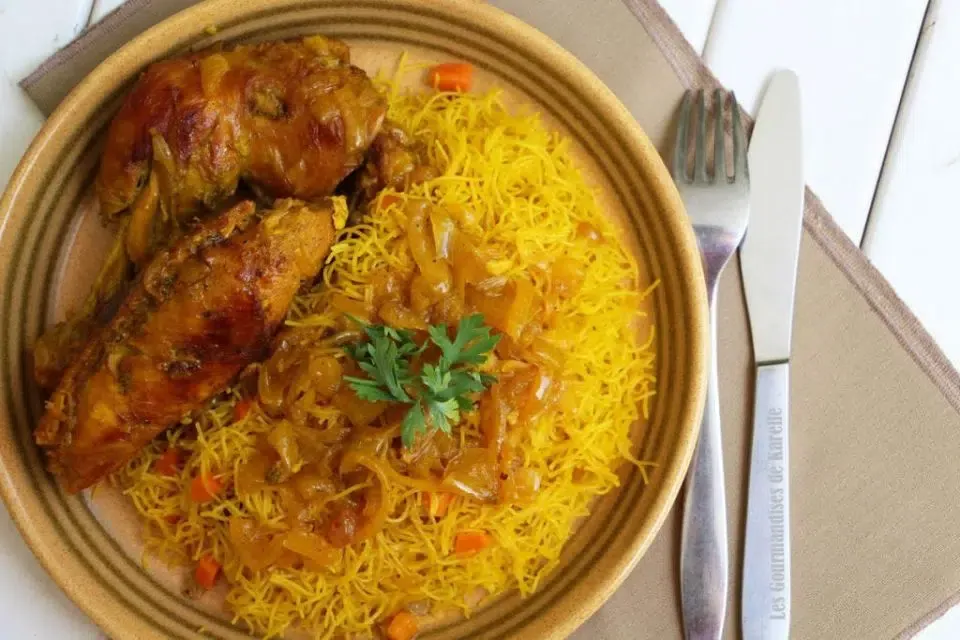
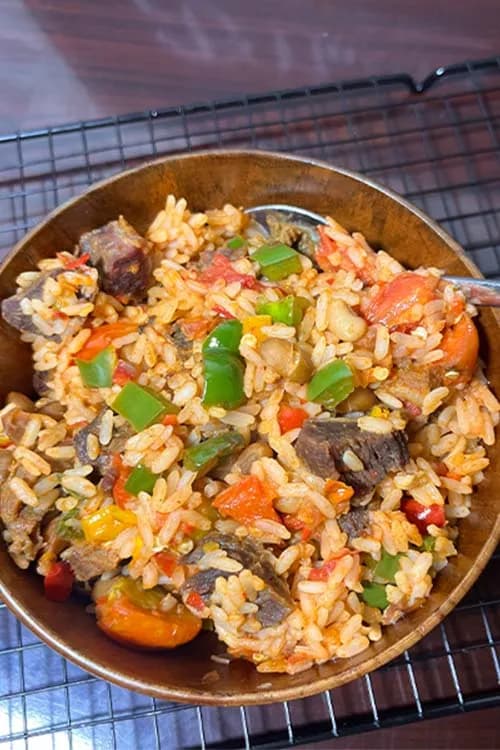
Jollof couscous applies the jollof method to North African couscous, and it sits at the meeting point of two quite separate West and North African traditions. The tomato and pepper base is built as it would be for jollof rice; the grain is steamed couscous rather than long grain rice. Couscous itself is North African, rolled from semolina and traditionally steamed several times in a couscoussier until it is light and separate rather than gummy. In Morocco, Algeria and Tunisia it is served with a spiced vegetable stew and meat, which is a different proposition entirely from what happens here. Its texture is often compared to attiéké, the fermented cassava of Côte d'Ivoire, though the two share only appearance. Jollof itself is contested territory between Nigeria, Ghana, Senegal and beyond, and applying it to couscous is a modern move rather than an inherited one. The source attributes this version to Senegal, which is where the jollof tradition originates in the thieboudienne of the Wolof people, though the framing in the original text is Nigerian. It is quick food, twenty minutes from start to finish, and it is honest about being an adaptation.
Les mieux notées
30 minEasySenegal
Recette de Cuisine228 · Africook


Des plats transmis de génération en génération
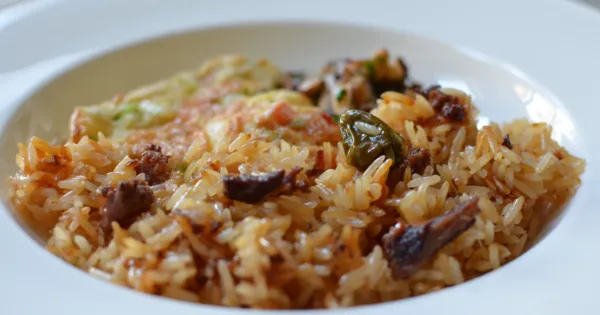 Angwa Moo40 min · West Africa
 Tuwon Masara (Corn Meal Swallow) RecipeWest Africa
 Wasawasa1 hr · West Africa
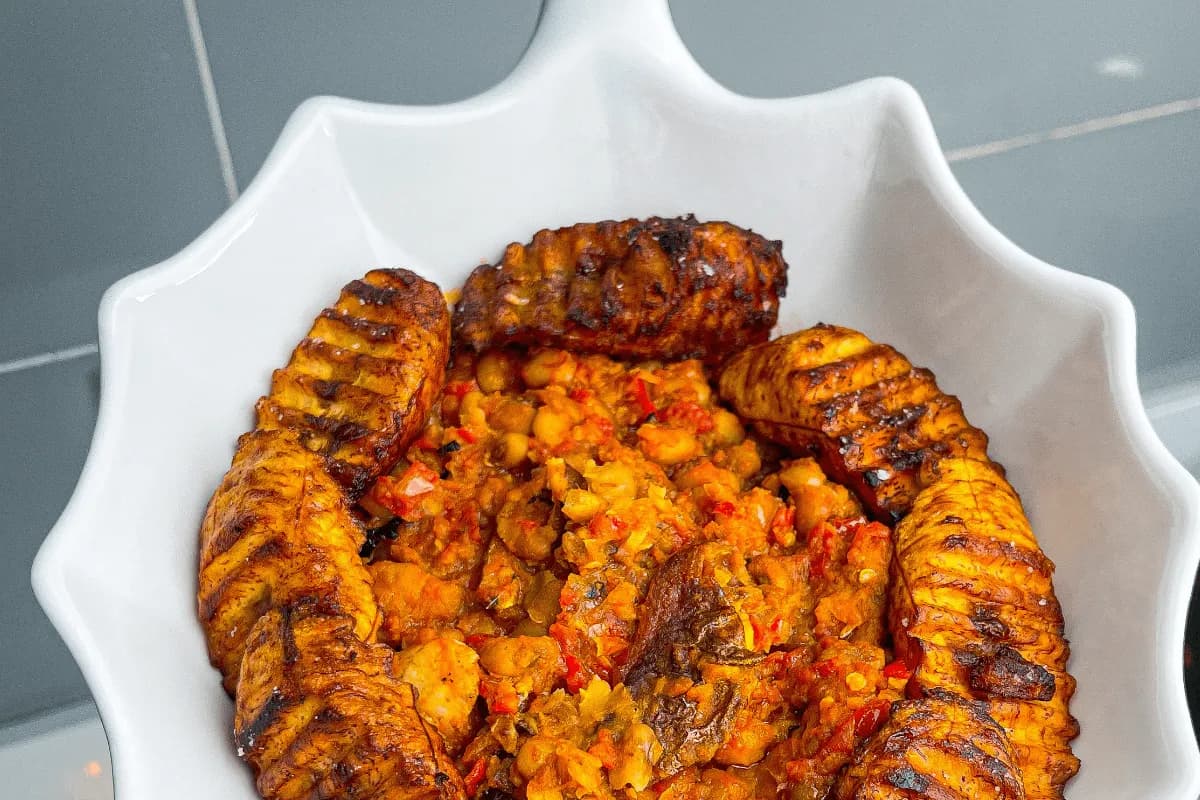 Beans Porridge1 hr 10 min · West Africa
 Bassi Salté (Senegalese Millet Couscous)2 hr 45 min · West Africa
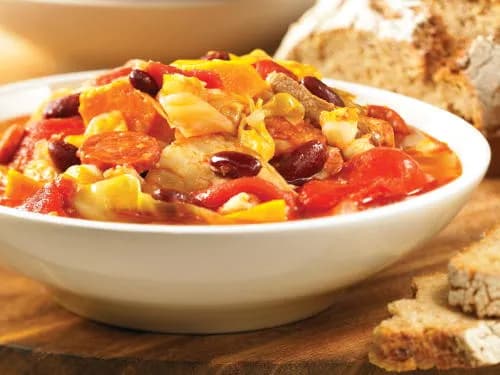 Cachupa4 hr 30 min · West Africa
 Dan Wake45 min · West Africa
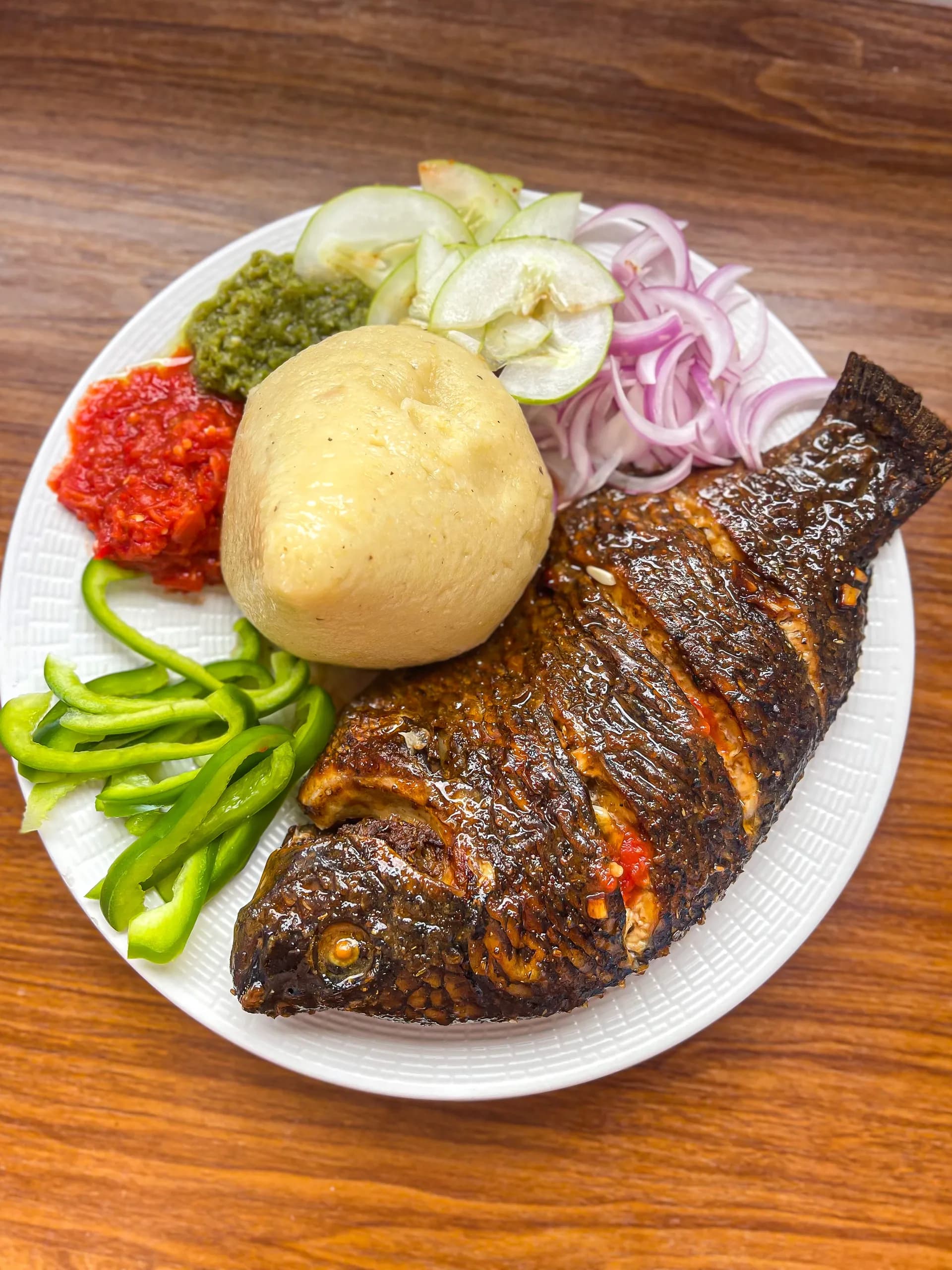 Oven Baked Tilapia40 min · West Africa