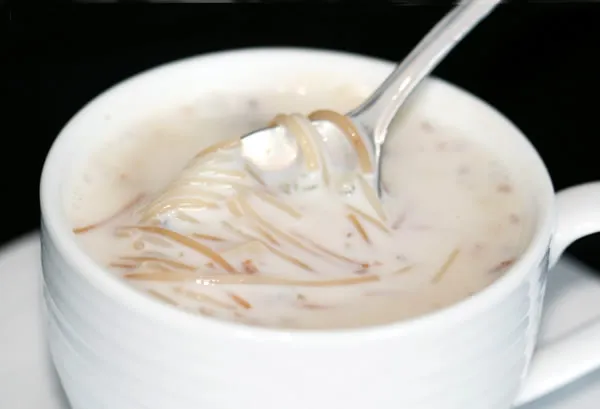
Boeber (Cape Malay Sweet Milk Drink)
4.04 out of 5, 3 ratings55 min


Cookies sur African Food Network
Nous utilisons des cookies essentiels au fonctionnement du site. Nous aimerions aussi déposer des cookies de mesure d’audience et des cookies publicitaires, uniquement avec votre accord. Vous pouvez choisir séparément pour chacun. Lire notre politique relative aux cookies

Parcourez les archives par pays, par plat et par temps de cuisson.
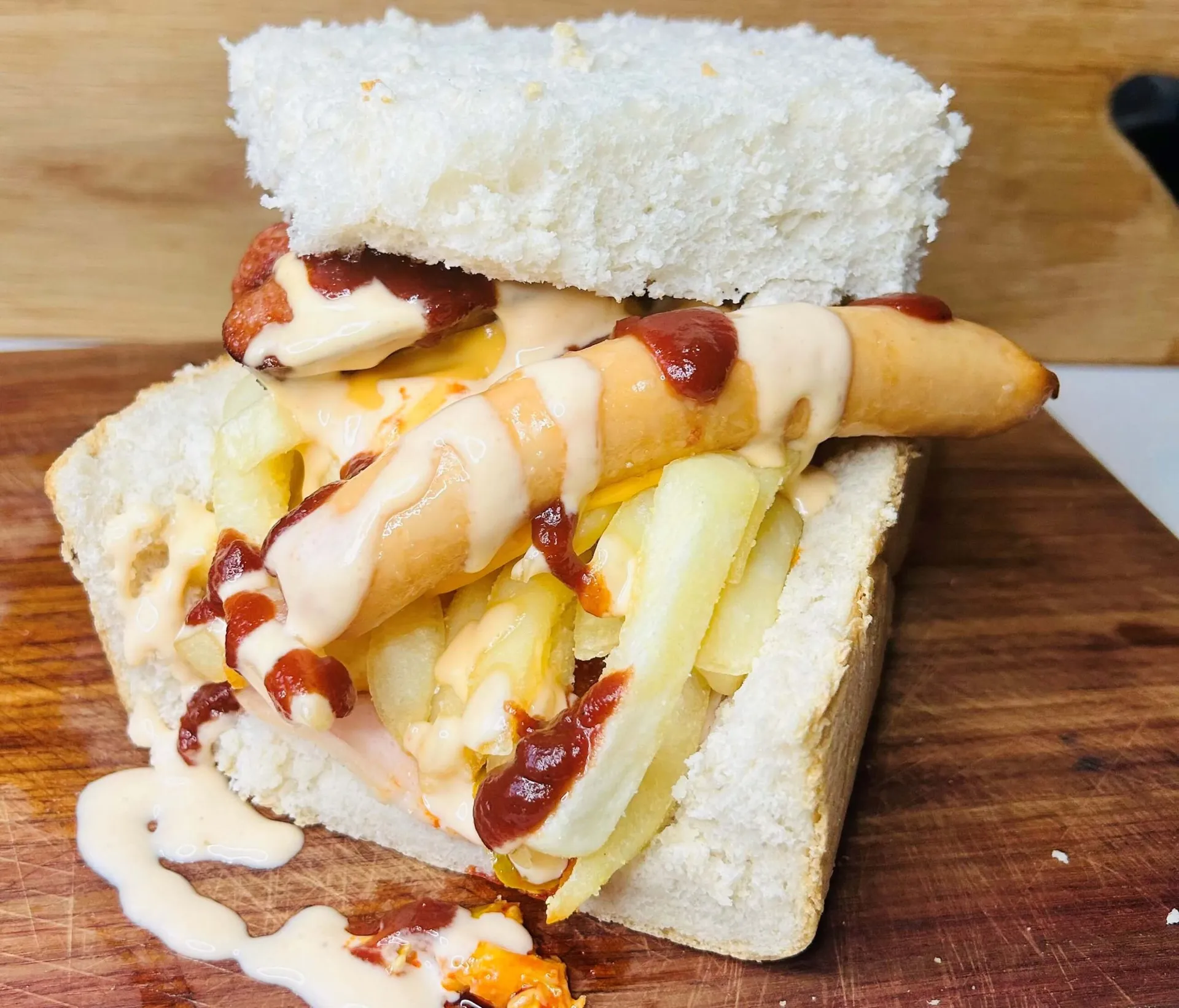
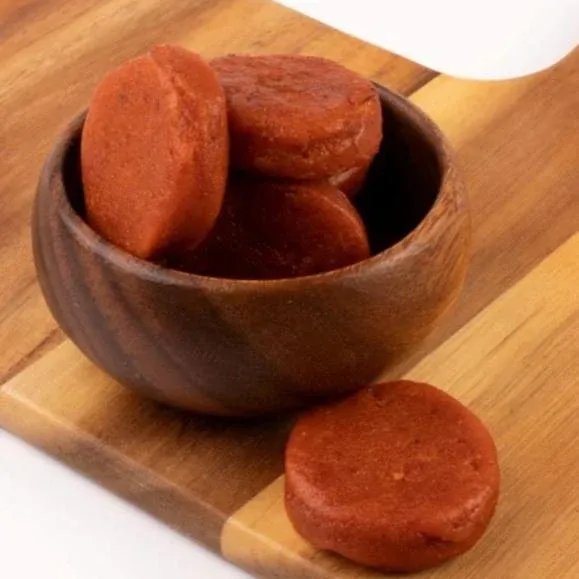
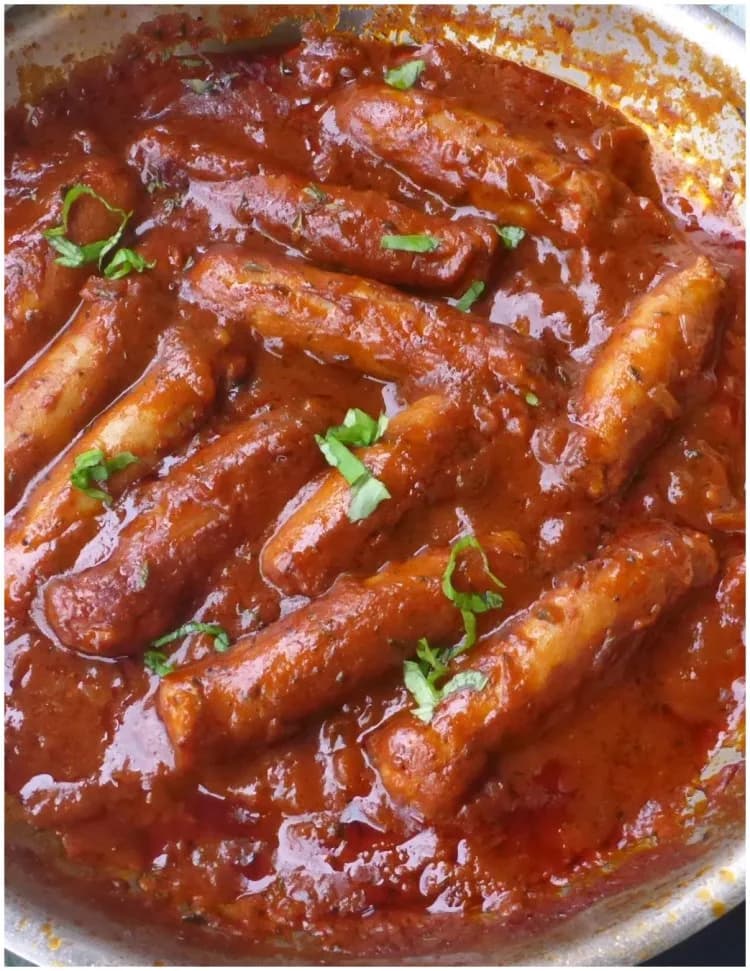
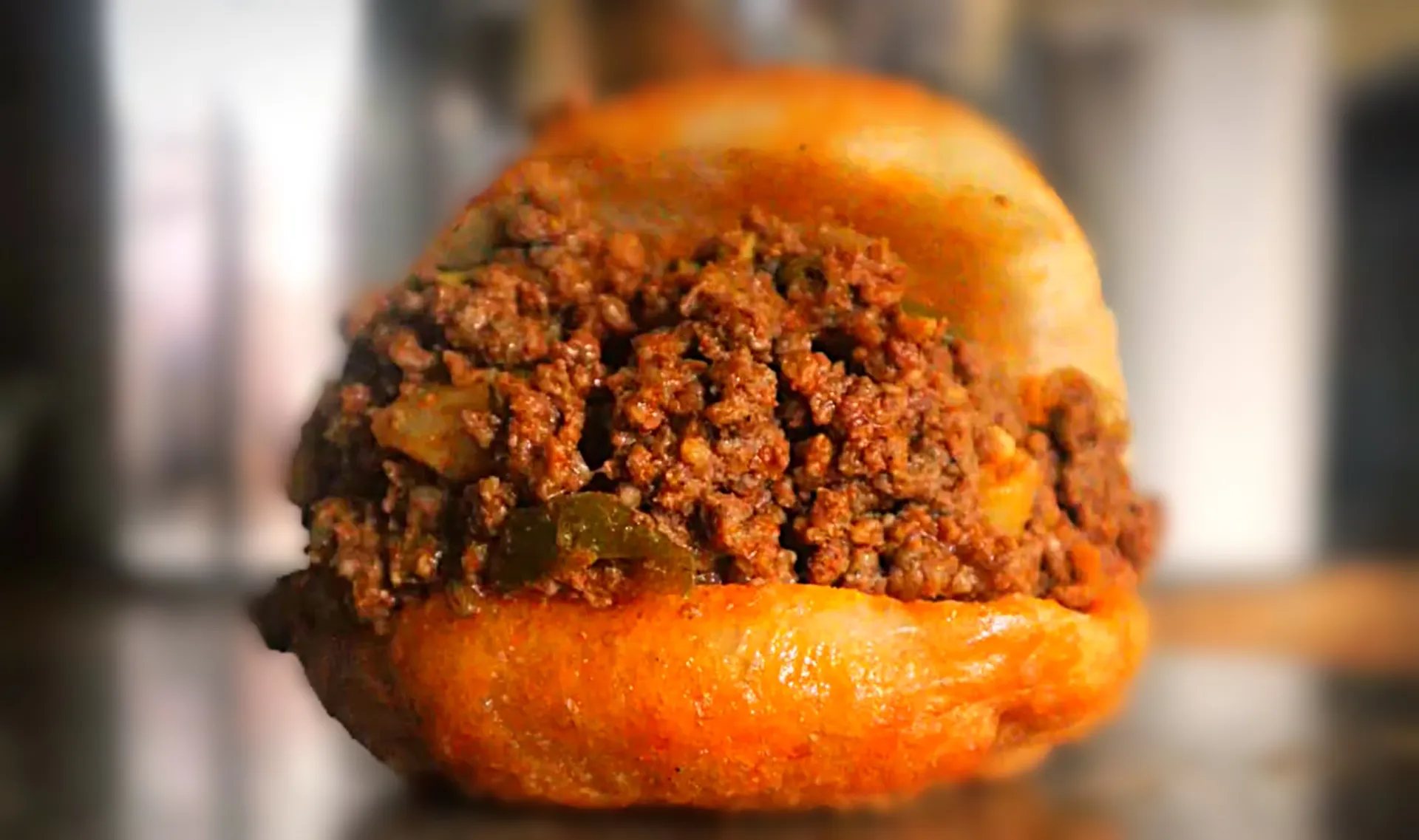
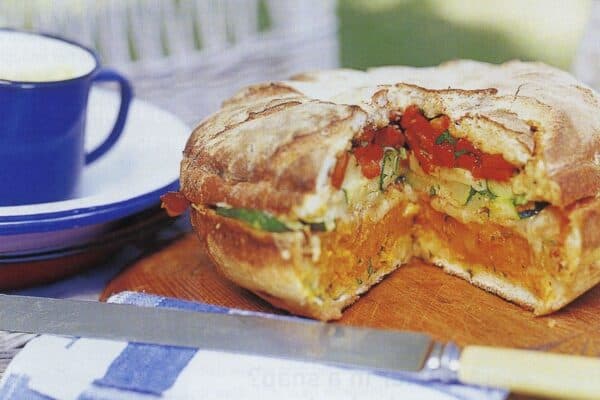
A kota is a quarter loaf of bread, hollowed out and packed with fried food. The word is township English for quarter, and that is the whole description: bread cut in four, the soft centre pulled out, and the cavity filled with chips, polony, russians, viennas, cheese, egg, atchar and sauce, then capped with the bread that was removed. It belongs to the townships of Gauteng, where it is sold from small takeaway windows and eaten in the hand without a plate. Kota shops compete on what they will fit into a quarter loaf, and the size of the fill is a large part of the reputation. It is cheap, it is a complete meal, and it is built for people who need to eat between one thing and the next. Atchar is what makes it South African rather than generically stuffed bread. The pickled green mango relish, oily and sour and hot, came to South Africa through Indian indenture and cuts the fried starch that dominates everything else in the cavity. Kota is often described as a version of bunny chow, and the two are related without being the same: bunny chow is Durban Indian, a hollowed loaf filled with curry, and kota is a Gauteng township form filled with fried items. They share an ancestor and are not interchangeable.
Les mieux notées
40 minEasySouth Africa
Recette de Tshego Stone · Africook
Des plats transmis de génération en génération
 Orange and Milk Braised Pork Carnitas2 hr 50 min · Southern Africa
 Rooibos Tea (Red Bush Tea)20 min · Southern Africa
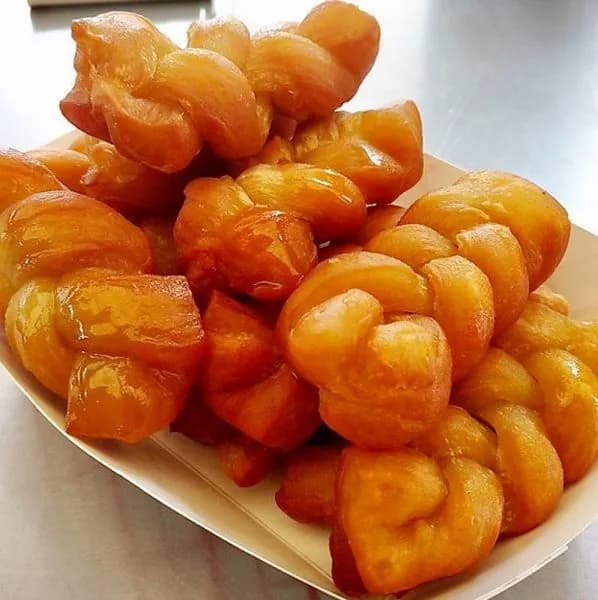 Koeksister (South African Syrup Doughnut)1 hr 20 min · Southern Africa
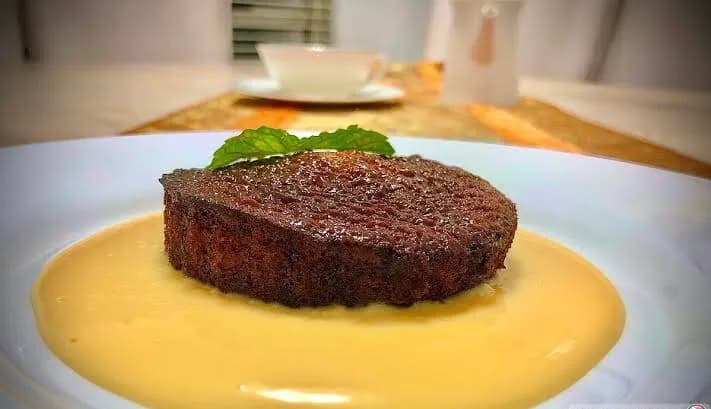 Malva Pudding1 hr · Southern Africa
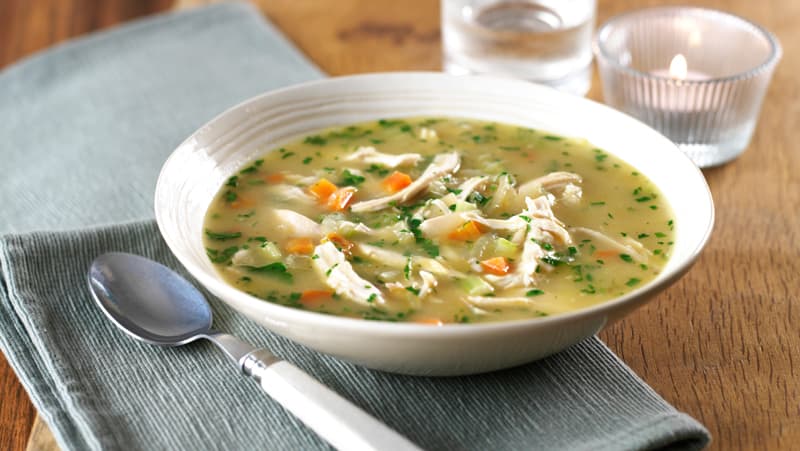 Chicken Soup43 min · Southern Africa
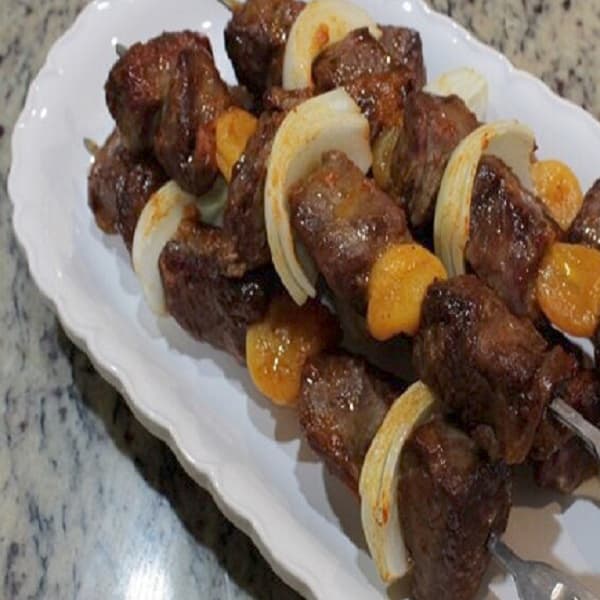 Dried Apricot and Lamb Sosaties1 hr 15 min · Southern Africa
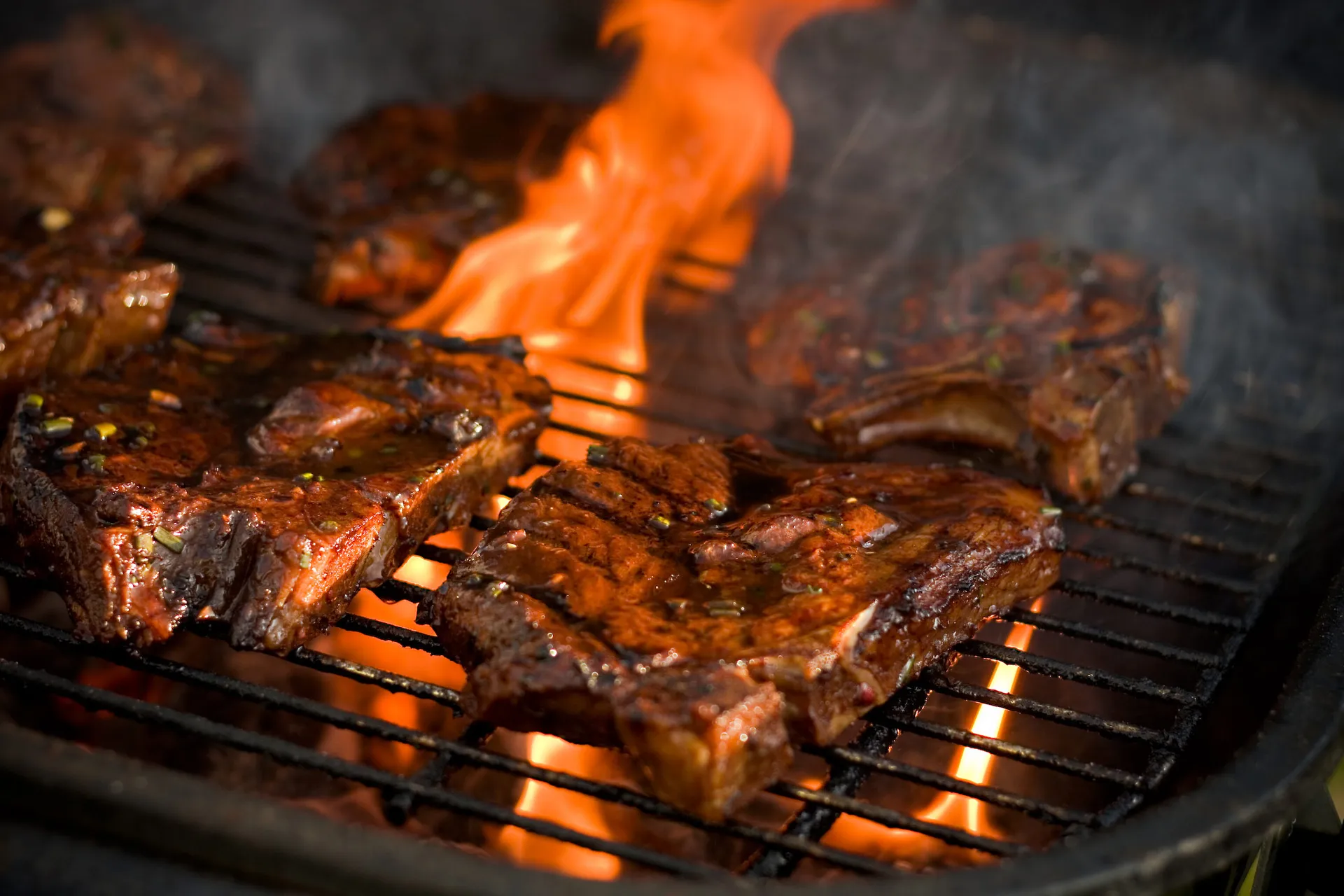 Braai (South African Open-Fire Grilling)1 hr 30 min · Southern Africa
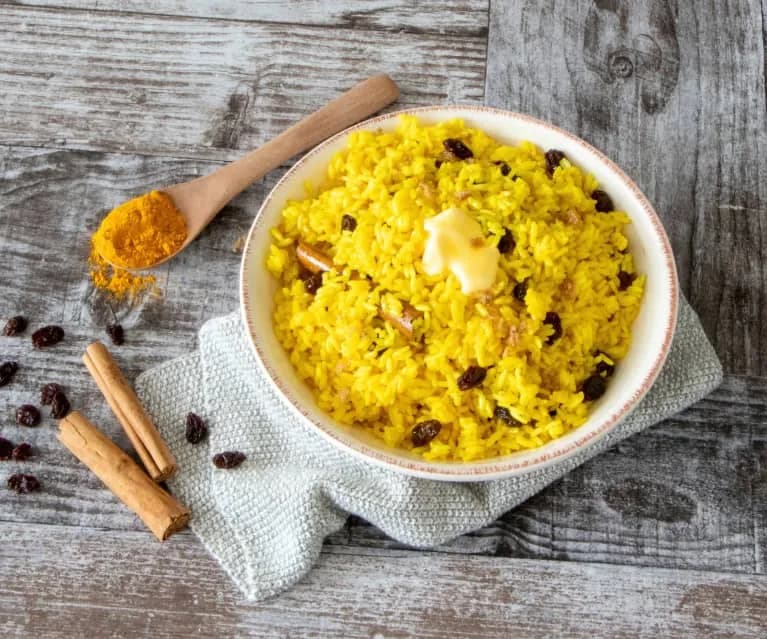 Cape Malay Yellow Rice50 min · Southern Africa