
Namibian Venison
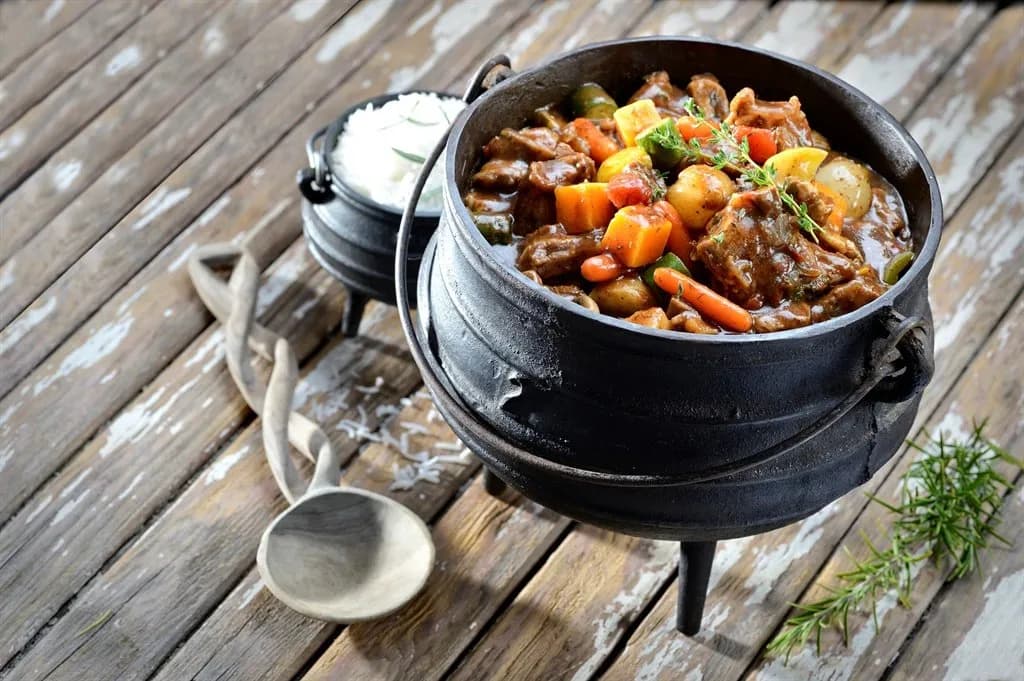
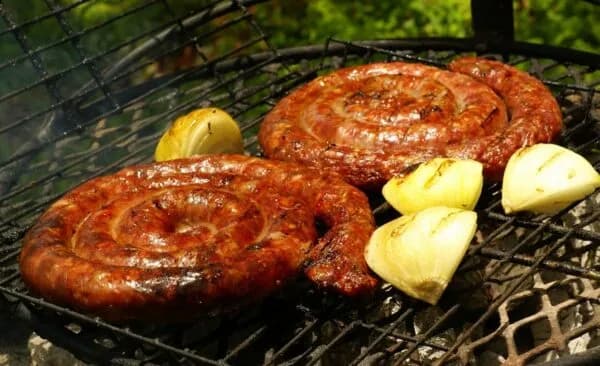
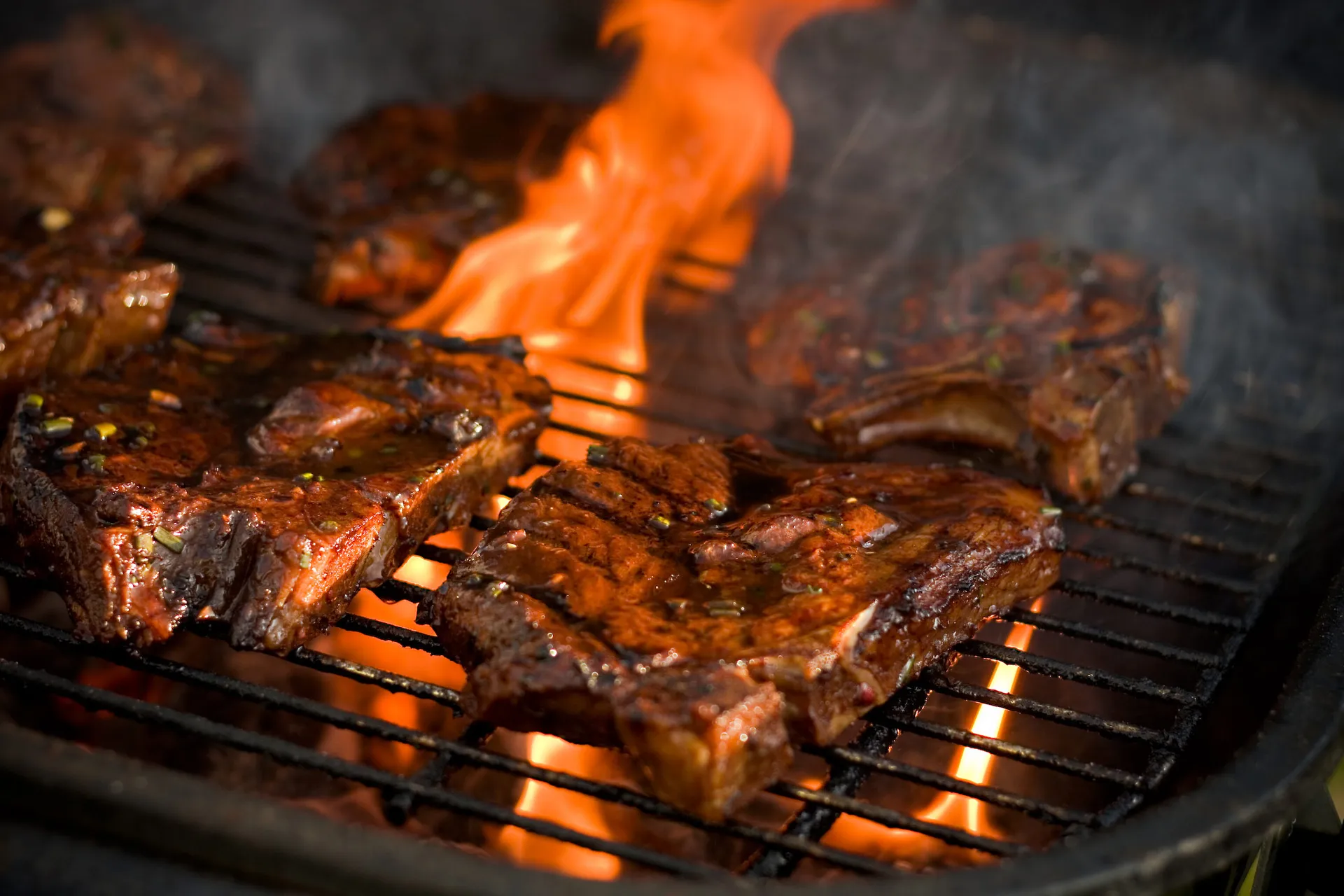
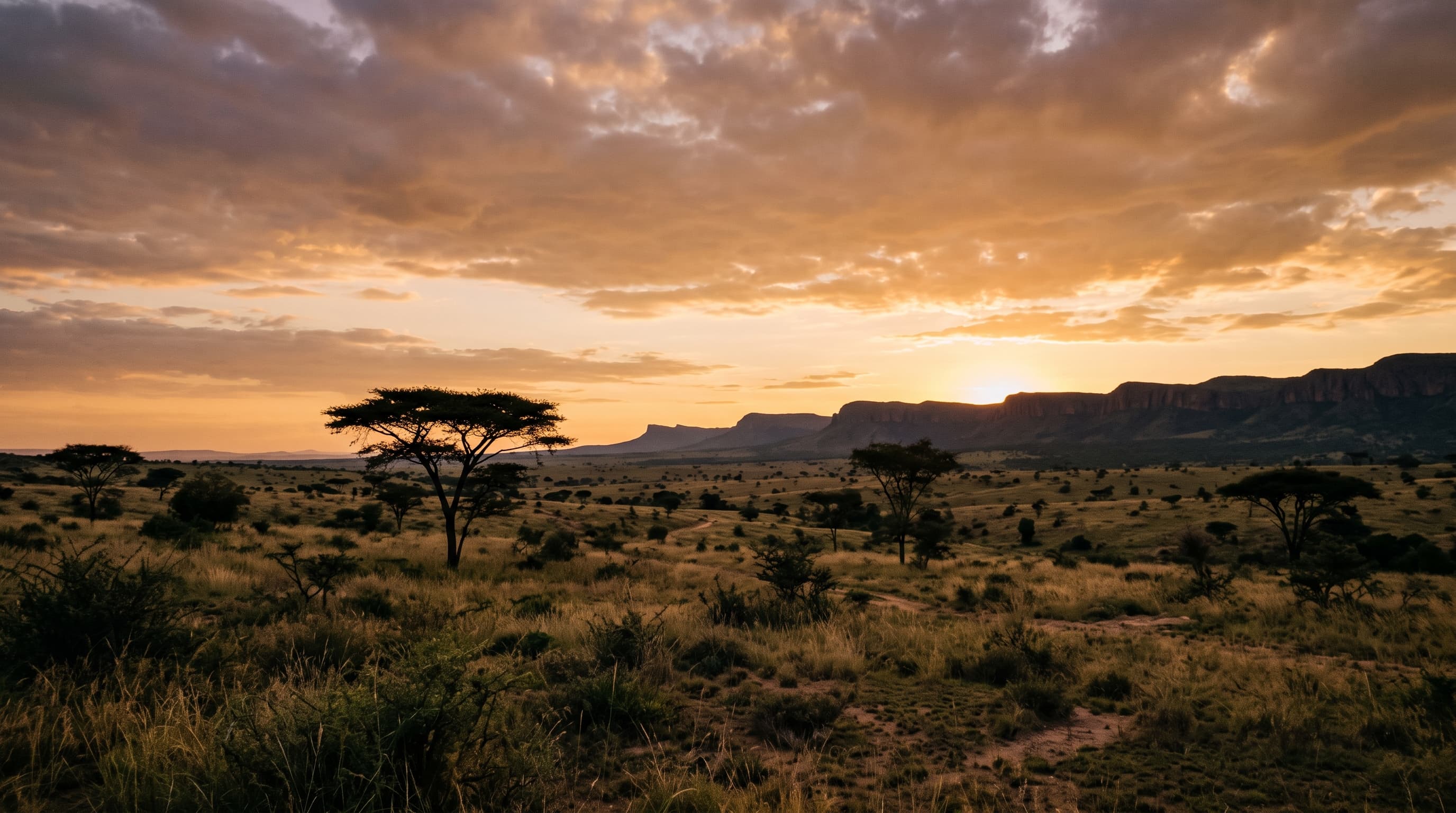
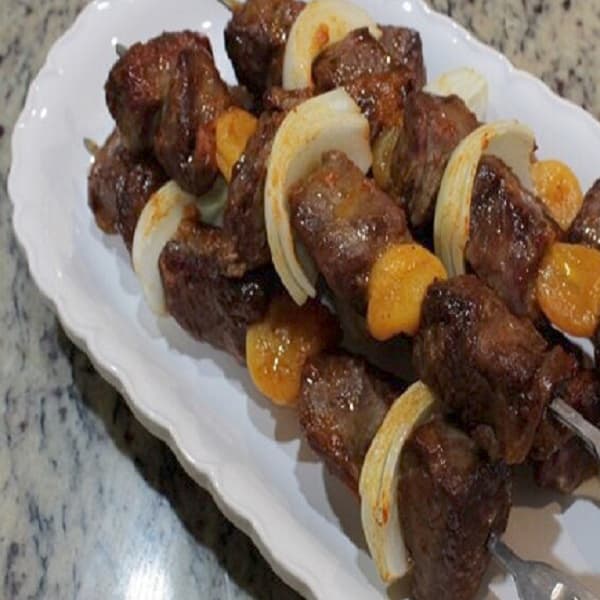
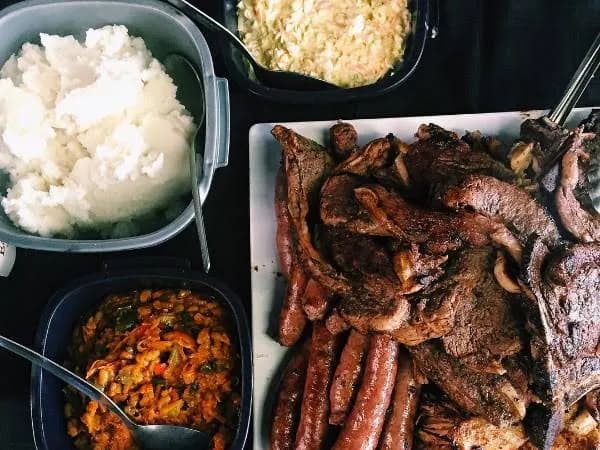
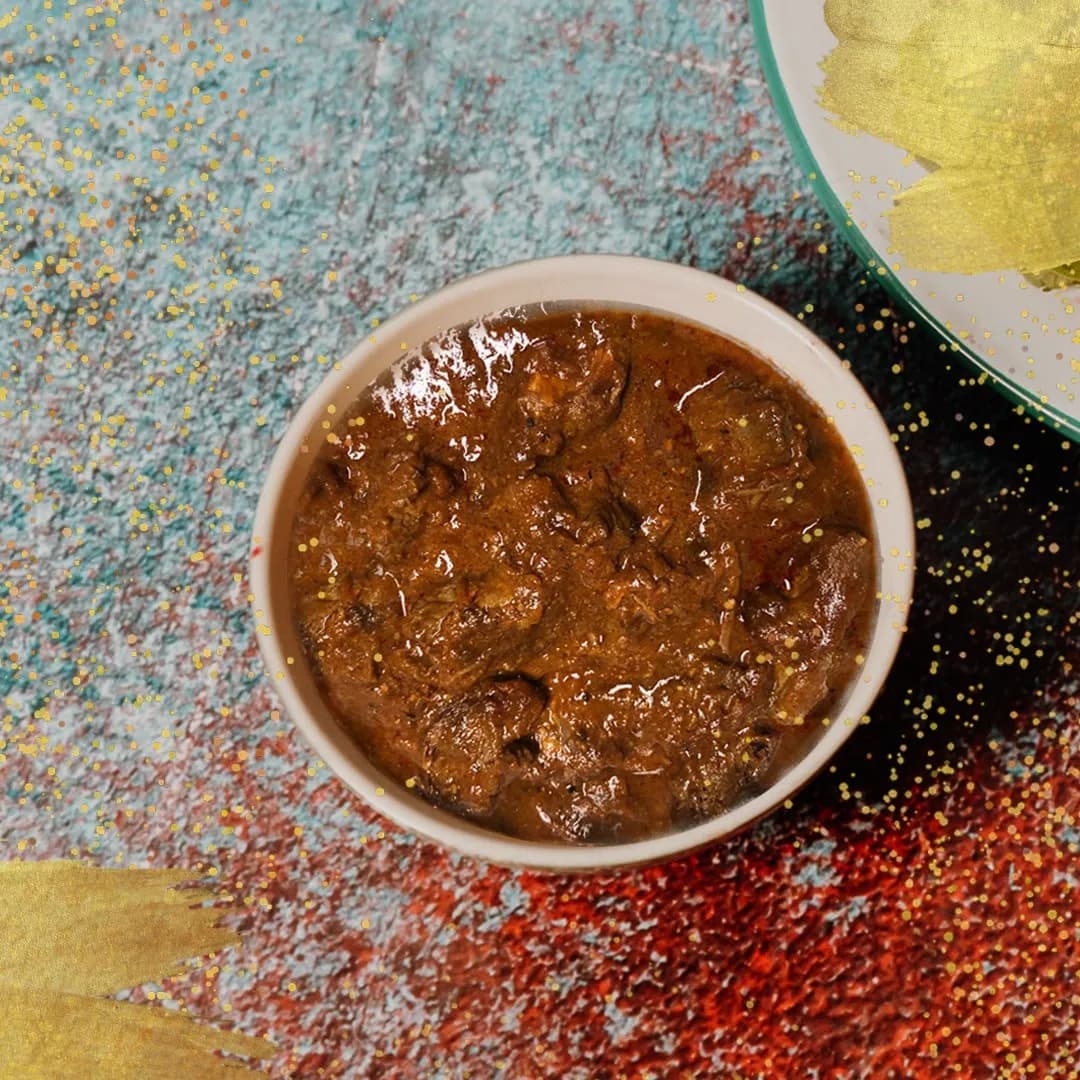
Namibia is among the world's significant producers of game meat, and venison there means something more specific than deer. Kudu, springbok, oryx, impala and wildebeest are all farmed and hunted under conservancy systems, and the country's approach to wildlife management, which places conservation and controlled offtake in the same framework, is what allows game to be a normal food rather than an occasional one. That range of species is why Namibian venison is described in the plural. Each animal eats differently: springbok is fine grained and mild, oryx is denser and stronger, kudu sits between them. All are very lean, which is the single fact that governs how they are cooked. Fat is what keeps meat moist over long cooking, and game has almost none, so it is either cooked fast and served rare or braised long and slow with added liquid. Namibian cooking pairs indigenous foodways with the German and Afrikaner traditions left by colonial settlement, and venison appears across all of it: dried into biltong, cooked slowly in a potjie over open embers, or grilled at a braai. The recipe here takes a different route, treating the meat with a yoghurt and whole spice curry, which is a contemporary approach rather than a Namibian one.
Namibia2 hr 30 minDebby