Nous utilisons des cookies essentiels au fonctionnement du site. Nous aimerions aussi déposer des cookies de mesure d’audience et des cookies publicitaires, uniquement avec votre accord. Vous pouvez choisir séparément pour chacun. Lire notre politique relative aux cookies

Loading
Recettes
Parcourez les archives par pays, par plat et par temps de cuisson.
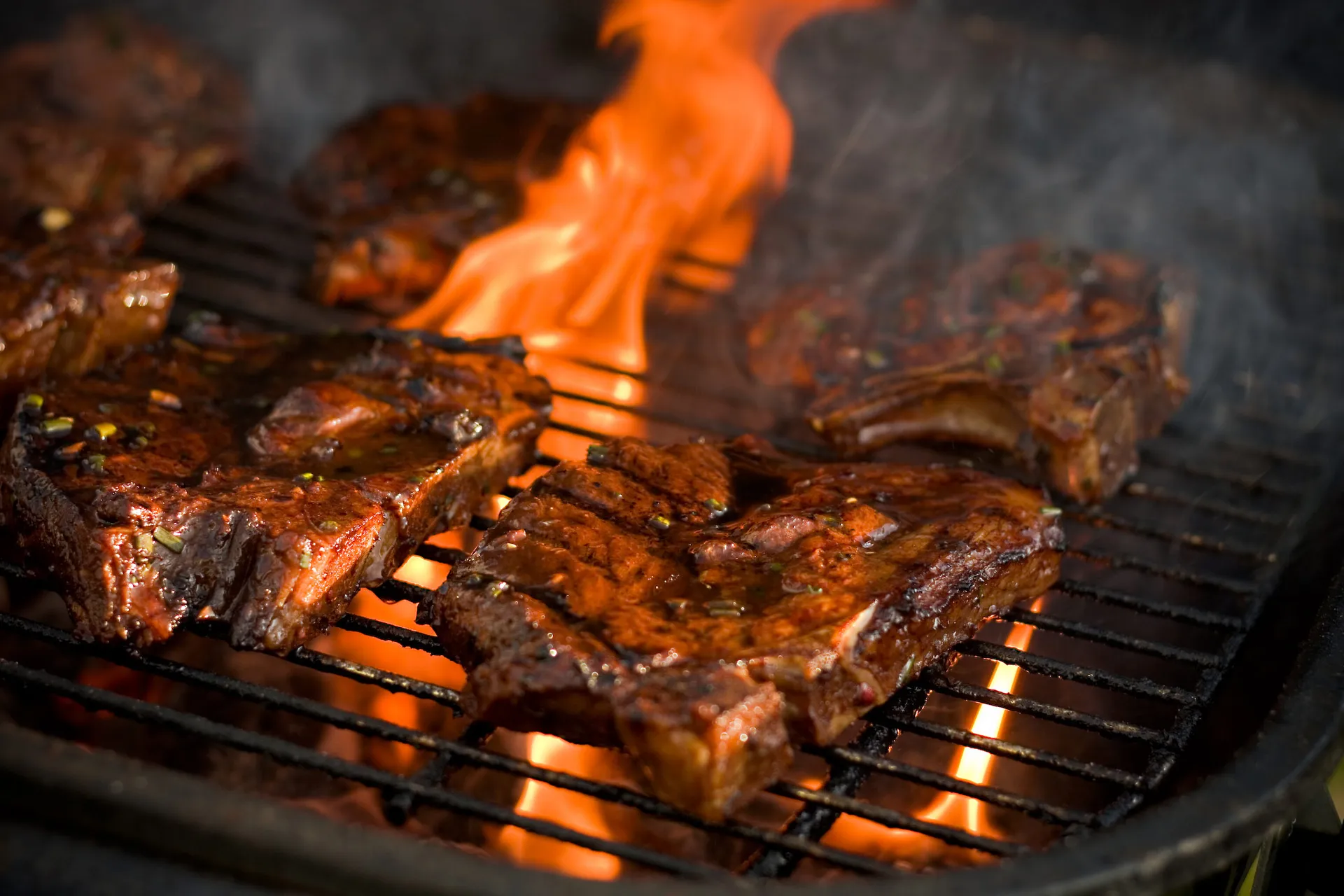
A braai is South African cooking over an open wood or charcoal fire, and it is as much a social occasion as a cooking method. The word comes from braaivleis, Afrikaans for grilled meat, from the Dutch braden, to roast.
The distinction South Africans draw between a braai and a barbecue is about the fire, and it is taken seriously. A braai is cooked over wood or charcoal, with wood preferred because of what it does to the flavour; gas is generally not accepted as a braai at all. The fire is also the point of the gathering rather than a means to an end, people build it, wait for it, cook on it and then stay around it long after the food is finished. And unlike a Northern Hemisphere barbecue, it is not seasonal. South Africans braai in any weather, and 24 September is a national braai day.
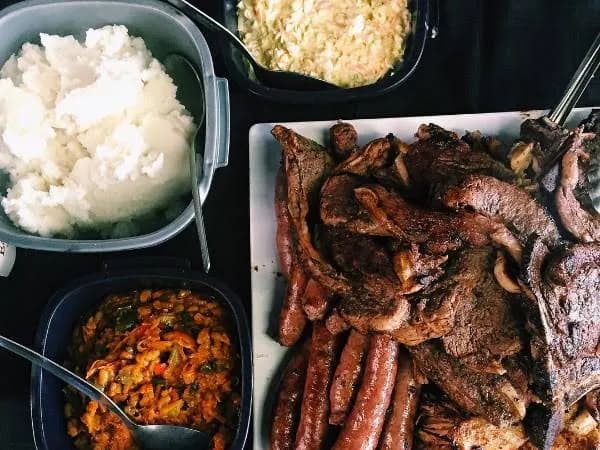
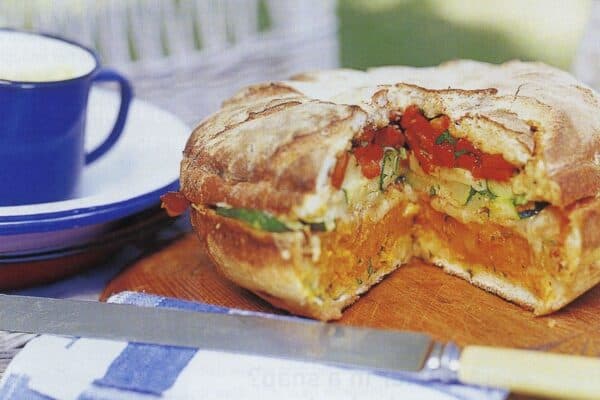
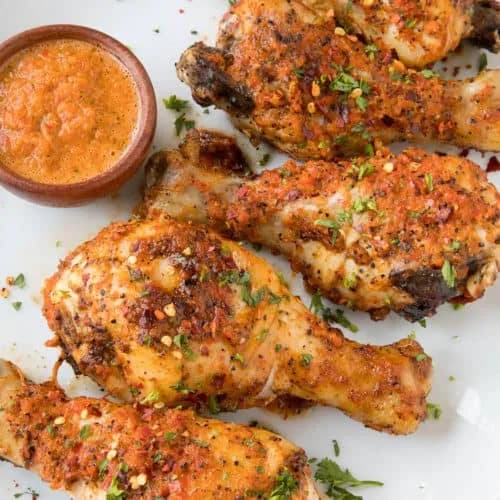
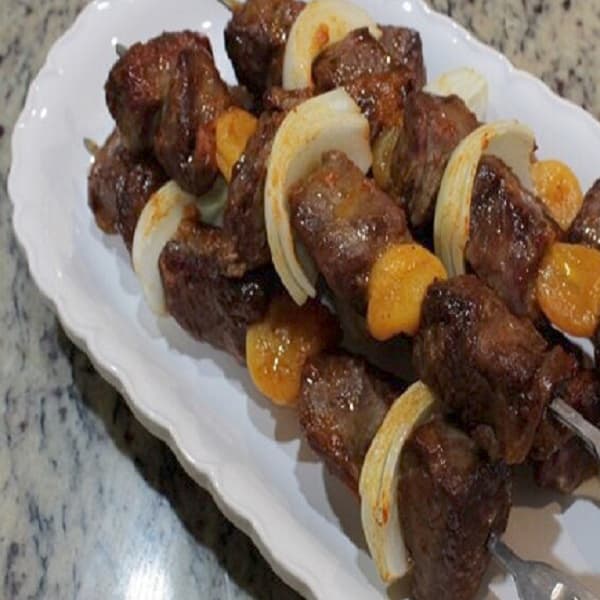
What goes on the fire is broad: boerewors, lamb chops, steak, chicken, snoek and other fish, sweetcorn, and braaibroodjies, the grilled cheese, tomato and onion sandwiches that go on once the coals have died down. Potjiekos, cooked in a cast-iron pot over the same fire, is a close relative.
The source for this page contains no recipe card at all. The method below is reconstructed from its description, and that is flagged.
Pap en vleis is Afrikaans for porridge and meat, and the name describes the whole of it. Maize meal cooked to a smooth, firm mass, and grilled meat beside it. Two components, no sauce required, and a dish that the entire country recognises regardless of which language its household speaks.
Its natural setting is outdoors and social. Pap en vleis is what comes off a braai and what is served at a shisanyama, the grill and gathering place where meat is bought, cooked over open fire and eaten on site. The dish exists in the same space as the fire and the people standing around it, and eating it indoors at a table is possible but slightly beside the point.
Maize is the foundation of the South African diet, and pap is its most direct expression: nothing added, nothing disguised, judged entirely on texture. The meat is whatever the household or the grill has, and its variability is why the dish has stayed universal rather than becoming the property of any one community. A dish defined by two nouns leaves room for everyone's version.
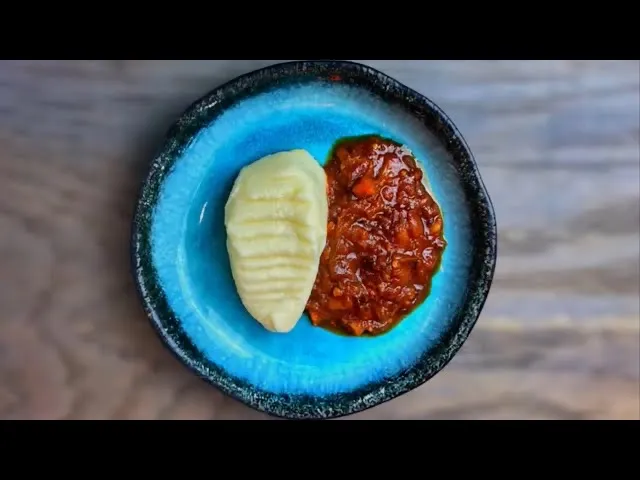
Pap and sous is maize porridge with tomato gravy, and between them they account for a very large share of what is eaten in South Africa on an ordinary day. Pap is the smooth, firm maize meal that anchors the plate. Sous, Afrikaans for sauce, is the tomato and onion gravy that goes over it.
The comparison South Africans reach for when explaining pap to outsiders is grits or polenta, and it holds up as far as the grain goes. What it misses is the position the dish occupies. Pap is not a side. It is the centre of the plate, and everything else is arranged in relation to it, which is why the quality of a household's pap is noticed and remarked on.
The gravy is where the cook is visible. A sous is built from onion, pepper, chilli, garlic and tomato with paprika and a little sugar and vinegar, and every household has a version. Pap and sous is eaten on its own as a complete meal and served alongside grilled meat and boerewors when there is a fire going, which is the same dish playing two different roles depending on the day.
Boerewors is South African sausage, and the name is Afrikaans: boer for farmer, wors for sausage. It is coarsely minced beef, sometimes with pork or lamb, seasoned with toasted coriander seed, black pepper, nutmeg, cloves and allspice, and it is made in one continuous coil rather than in links.
Its identity is protected in law. South African regulation sets out what may be sold as boerewors, including a minimum meat content and a cap on other ingredients, which is an unusual level of legislative attention for a sausage and a fair measure of how seriously the country takes it. That regulation is also why boerewors is genuinely hard to buy outside South Africa and why South Africans abroad end up making their own.
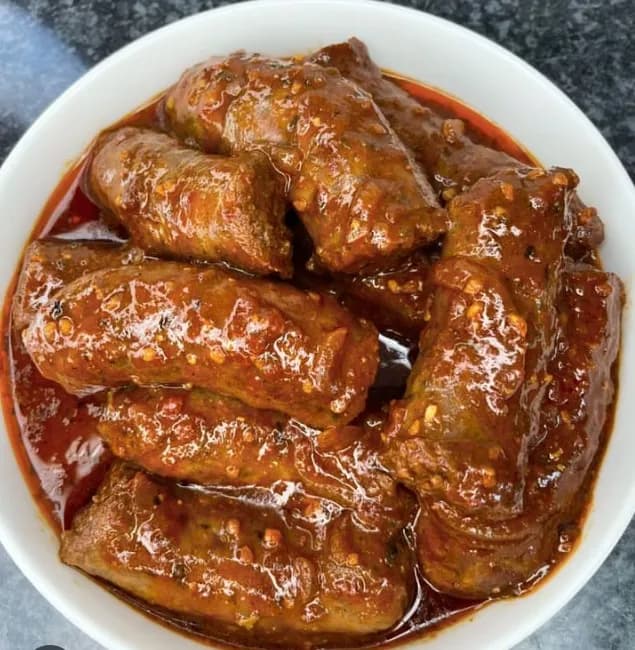
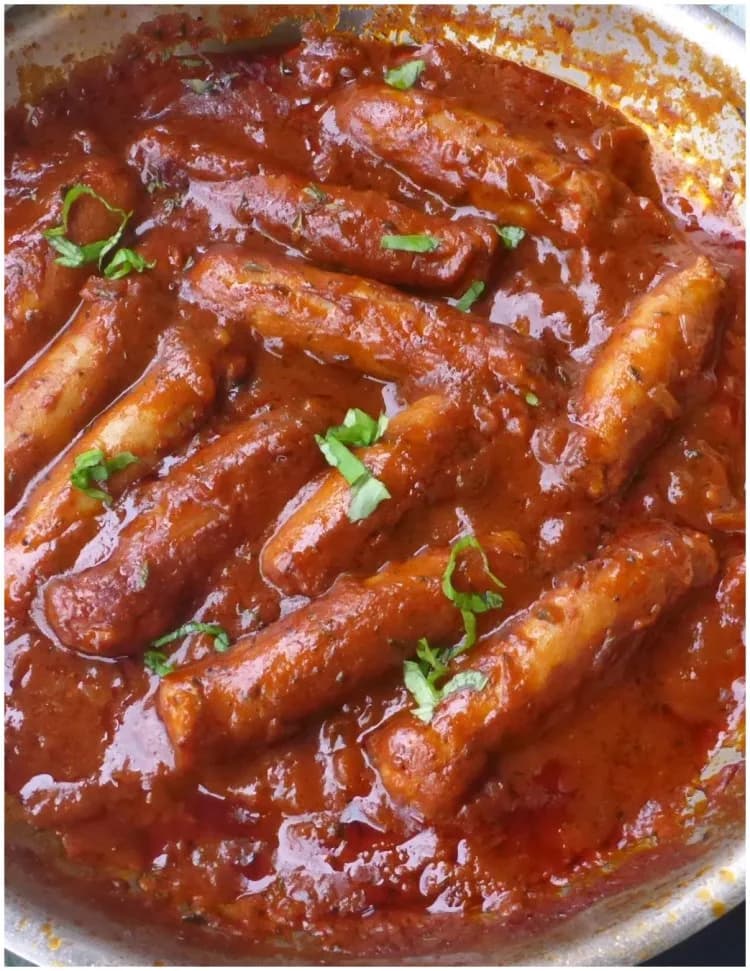
The sausage belongs to the braai above all, grilled in its coil over coals. This stew is what happens to it indoors: cut into pieces, browned, and simmered with tomato, garlic and spices into something closer to a weeknight dish. Boerewors is also eaten with pap and a tomato and onion sauce, which is the standard plate across the country. The stew is a newer treatment of an old sausage, and its spread beyond South Africa has come with the diaspora.