Nous utilisons des cookies essentiels au fonctionnement du site. Nous aimerions aussi déposer des cookies de mesure d’audience et des cookies publicitaires, uniquement avec votre accord. Vous pouvez choisir séparément pour chacun. Lire notre politique relative aux cookies

Loading
Recettes
Parcourez les archives par pays, par plat et par temps de cuisson.
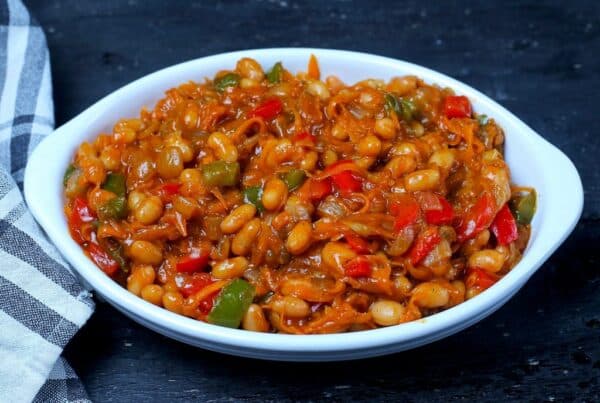
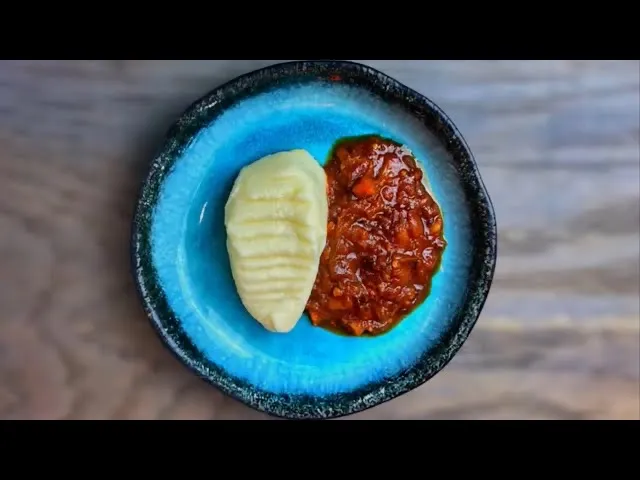
Chakalaka is a South African relish of onions, tomatoes, peppers and often baked beans, spiced with curry powder and chilli, and it is close to compulsory at a braai.
It came out of the townships, where it has been a staple of black South African cooking for decades. Accounts of its origin vary and none is firmly documented, which is common for food that developed in domestic and working-class settings rather than in restaurants. What is certain is that it is now everywhere, served at braais, at funerals and weddings, in lunchboxes, tinned and sold in supermarkets.
Its usefulness is in its flexibility. It works hot as a side dish, cold as a relish, spooned over pap, alongside grilled meat, or in a sandwich. It is light, quick, keeps well, and gets better after a day.
Grated carrot is near universal, baked beans are common though not obligatory, and the heat level varies from mild to considerable depending on who is making it.
It is naturally vegan in its standard form, which is unusual for a dish that spends most of its life next to grilled meat.
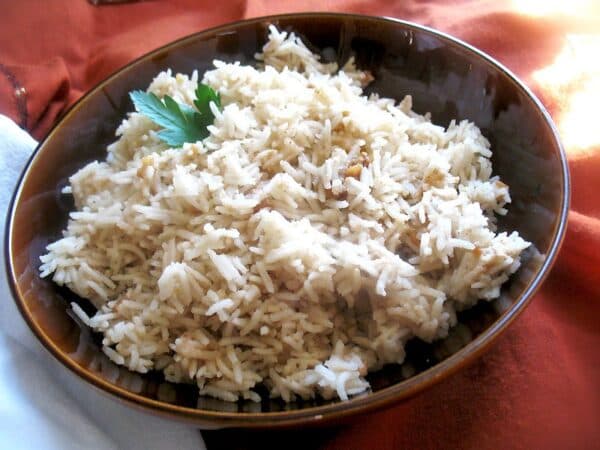
Peanut butter rice is Zimbabwean everyday cooking, rice finished with peanut butter until each grain is coated, giving a rich, mildly savoury dish eaten as a meal or as a side.
Peanut butter, dovi in Shona, is not an occasional ingredient in Zimbabwean food. It is a staple seasoning used the way another cuisine might use cream or coconut milk, stirred into vegetables, greens, chicken and rice. Peanut butter rice, mupunga unedovi, is one of the most common expressions of it, sold by food vendors and restaurants across the country and cooked constantly at home.
What separates it from a peanut sauce poured over rice is that the peanut butter goes in during cooking, not after. The rice absorbs it, taking on colour and a faint sheen, and the result is closer to a risotto in texture than to a rice-and-sauce plate.
It is deliberately mild. Where West African groundnut cooking often runs hot with chilli, the Zimbabwean version is gentler, and the peanut is the flavour rather than a background to something spicier. Some versions add a little sugar or cayenne to lift it.
It is also a practical dish for using up rice cooked the day before, which is much of why it gets made as often as it does.
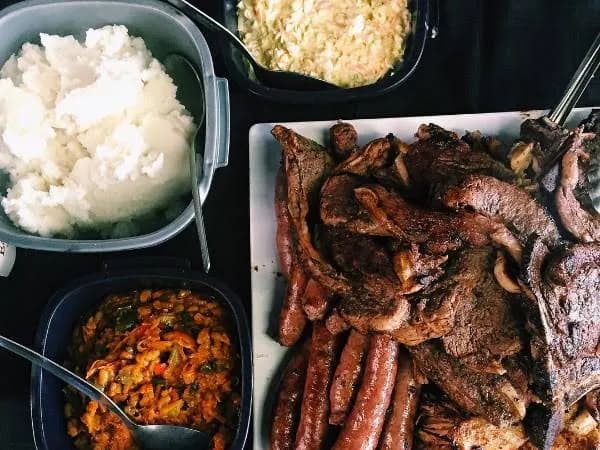
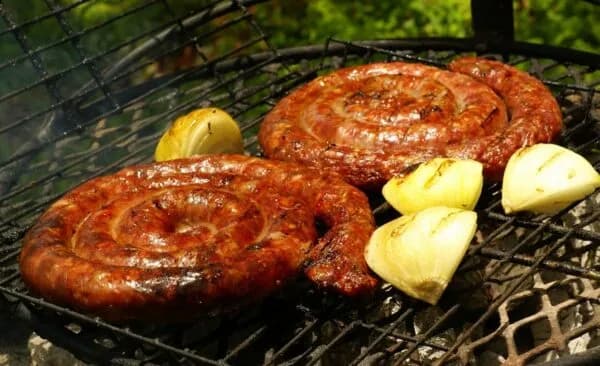
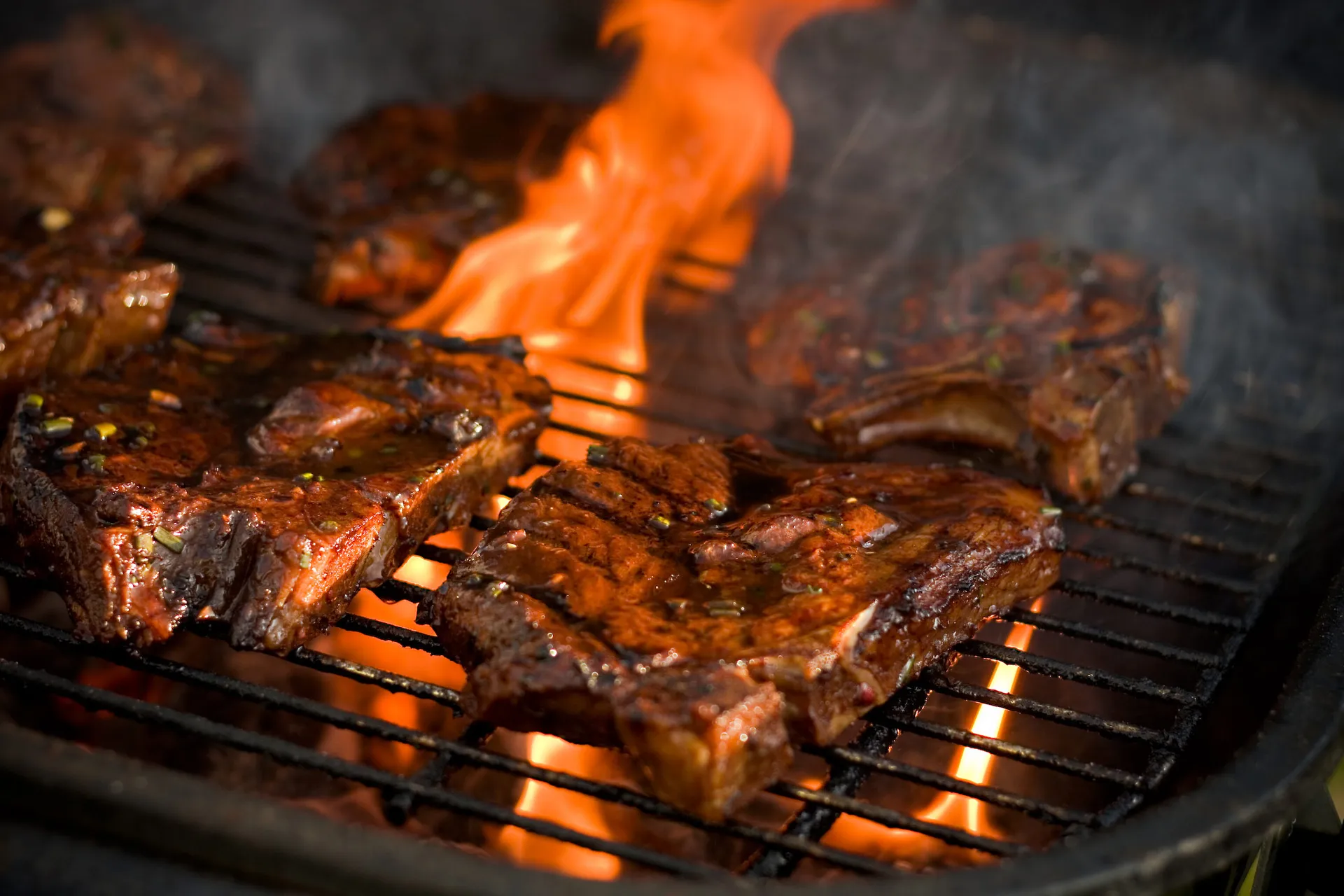
A braai is South African cooking over an open wood or charcoal fire, and it is as much a social occasion as a cooking method. The word comes from braaivleis, Afrikaans for grilled meat, from the Dutch braden, to roast.
The distinction South Africans draw between a braai and a barbecue is about the fire, and it is taken seriously. A braai is cooked over wood or charcoal, with wood preferred because of what it does to the flavour; gas is generally not accepted as a braai at all. The fire is also the point of the gathering rather than a means to an end, people build it, wait for it, cook on it and then stay around it long after the food is finished. And unlike a Northern Hemisphere barbecue, it is not seasonal. South Africans braai in any weather, and 24 September is a national braai day.
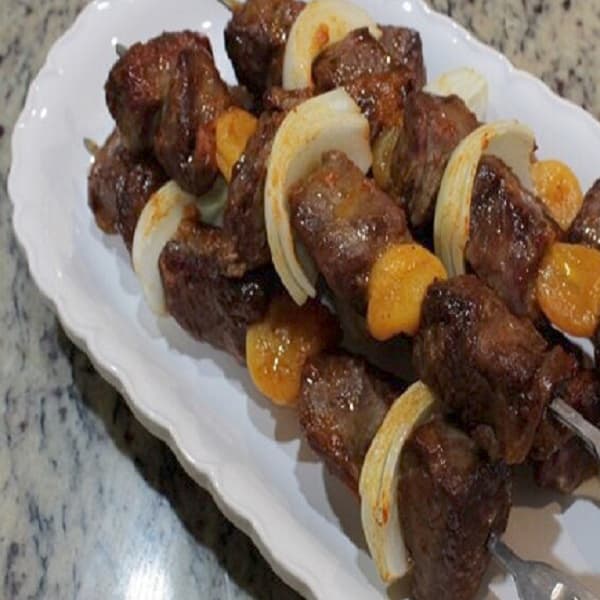
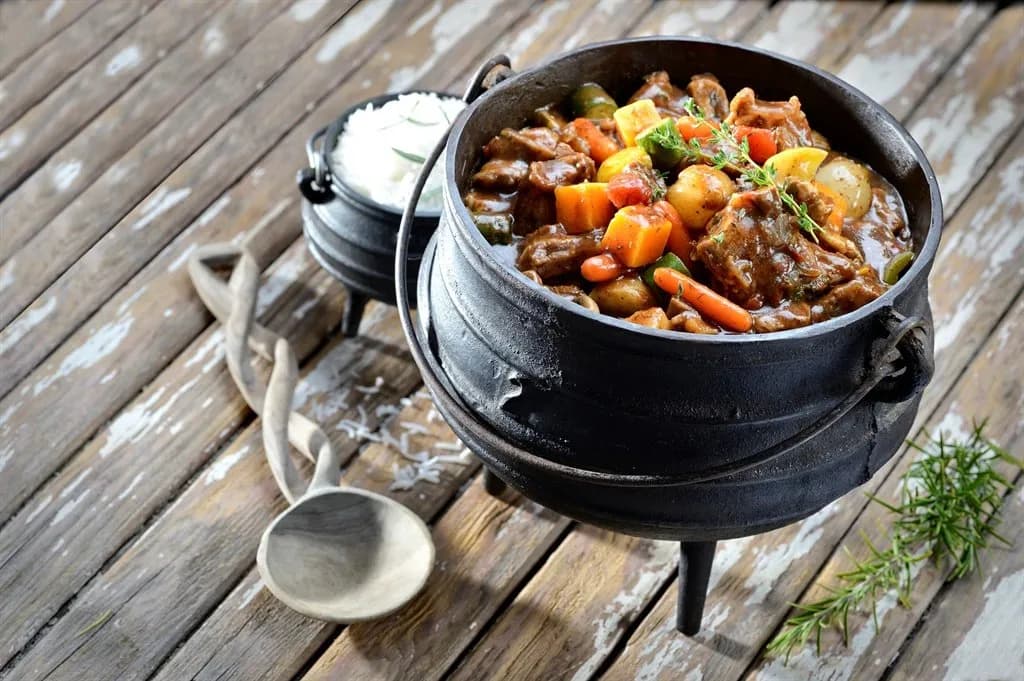
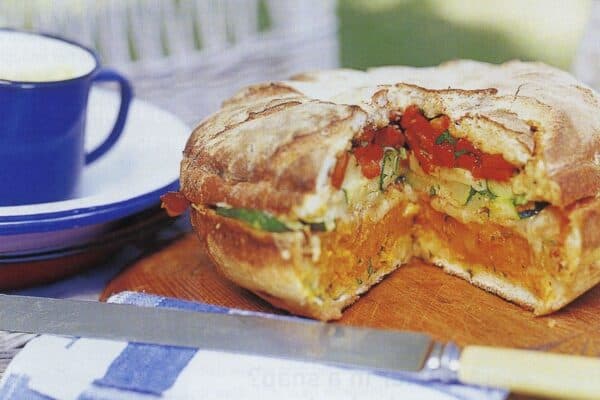
What goes on the fire is broad: boerewors, lamb chops, steak, chicken, snoek and other fish, sweetcorn, and braaibroodjies, the grilled cheese, tomato and onion sandwiches that go on once the coals have died down. Potjiekos, cooked in a cast-iron pot over the same fire, is a close relative.
The source for this page contains no recipe card at all. The method below is reconstructed from its description, and that is flagged.
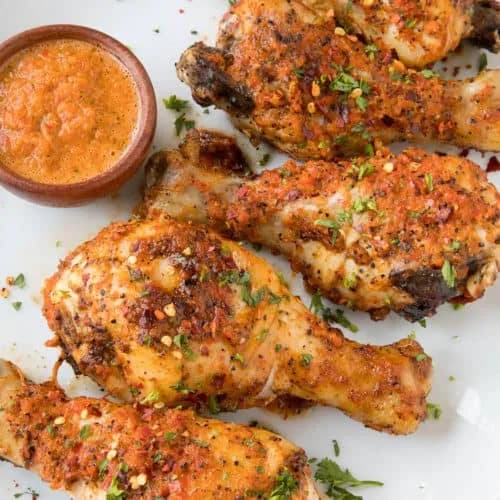
Peri peri chicken is marinated in a paste of chilli, lemon, olive oil, garlic and spices, then seared and finished in the oven. It is flame-grilled in its classic form, and it is one of the most exported dishes southern Africa has produced.
Its origins are genuinely contested. The source is direct that it is not clear who first made it, and that the question remains hotly debated between Portuguese-Angolans and Portuguese-Mozambicans. What is not in dispute is the chilli: Portuguese settlers brought chilli peppers to Angola and Mozambique, where the small African bird's eye variety naturalised, and piri piri is the Swahili word for pepper. Peri peri is central to Mozambique's history precisely because the sauce reflects the mixing of cultures there.
This version is filed as South African, which reflects where the dish is now most commercially associated rather than where it began, and that distinction is worth keeping in view. The marinade needs overnight, or at least three hours. The technique is a hard sear in an ovenproof pan followed by fifteen to twenty minutes in the oven, with the reserved marinade poured in to become the sauce.