Nous utilisons des cookies essentiels au fonctionnement du site. Nous aimerions aussi déposer des cookies de mesure d’audience et des cookies publicitaires, uniquement avec votre accord. Vous pouvez choisir séparément pour chacun. Lire notre politique relative aux cookies

Loading
Recettes
Parcourez les archives par pays, par plat et par temps de cuisson.
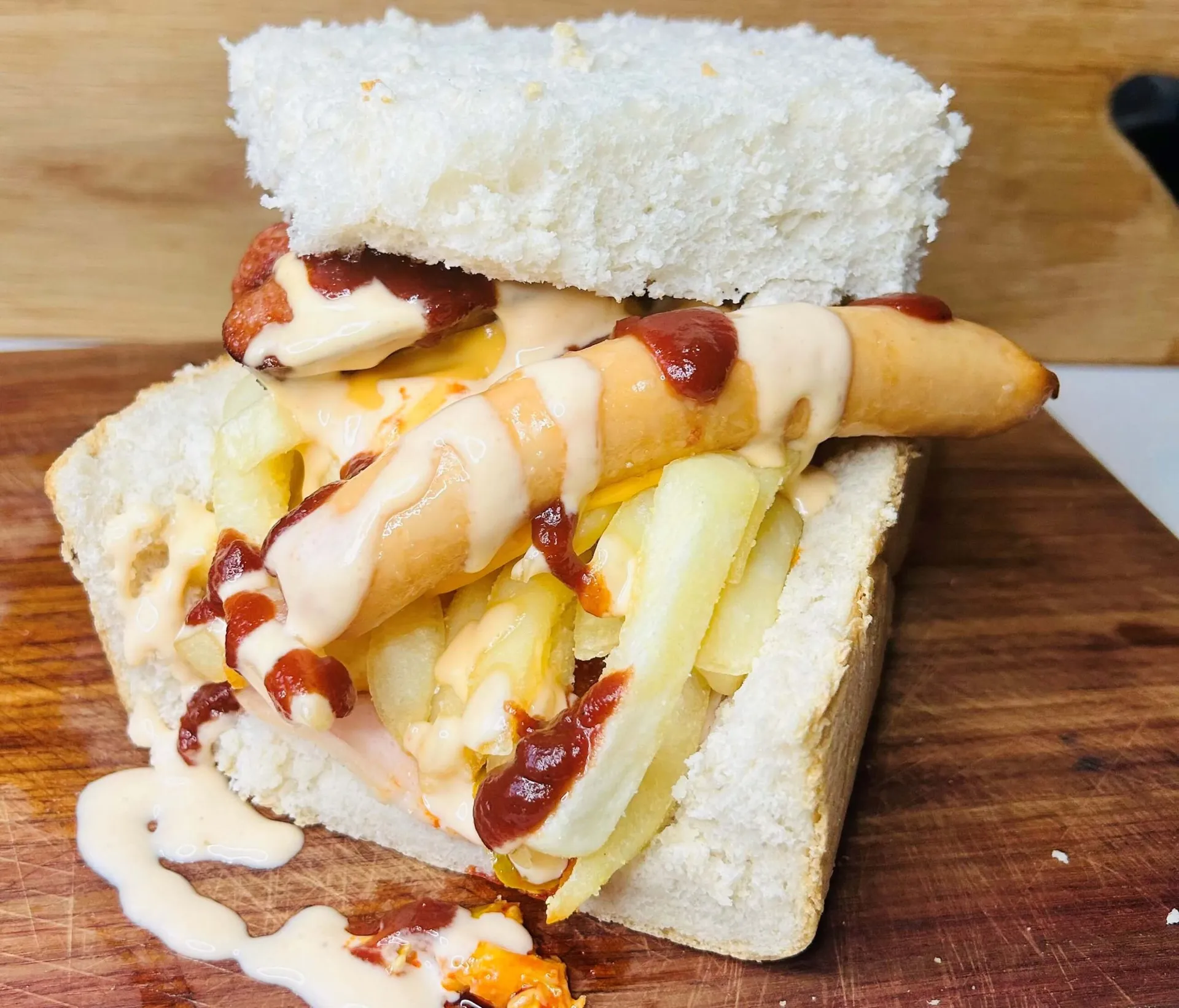
A kota is a quarter loaf of bread, hollowed out and packed with fried food. The word is township English for quarter, and that is the whole description: bread cut in four, the soft centre pulled out, and the cavity filled with chips, polony, russians, viennas, cheese, egg, atchar and sauce, then capped with the bread that was removed.
It belongs to the townships of Gauteng, where it is sold from small takeaway windows and eaten in the hand without a plate. Kota shops compete on what they will fit into a quarter loaf, and the size of the fill is a large part of the reputation. It is cheap, it is a complete meal, and it is built for people who need to eat between one thing and the next.
Atchar is what makes it South African rather than generically stuffed bread. The pickled green mango relish, oily and sour and hot, came to South Africa through Indian indenture and cuts the fried starch that dominates everything else in the cavity. Kota is often described as a version of bunny chow, and the two are related without being the same: bunny chow is Durban Indian, a hollowed loaf filled with curry, and kota is a Gauteng township form filled with fried items. They share an ancestor and are not interchangeable.
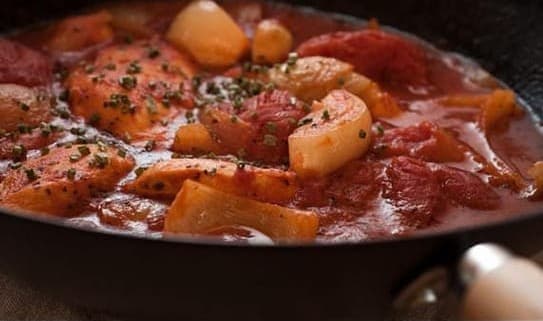
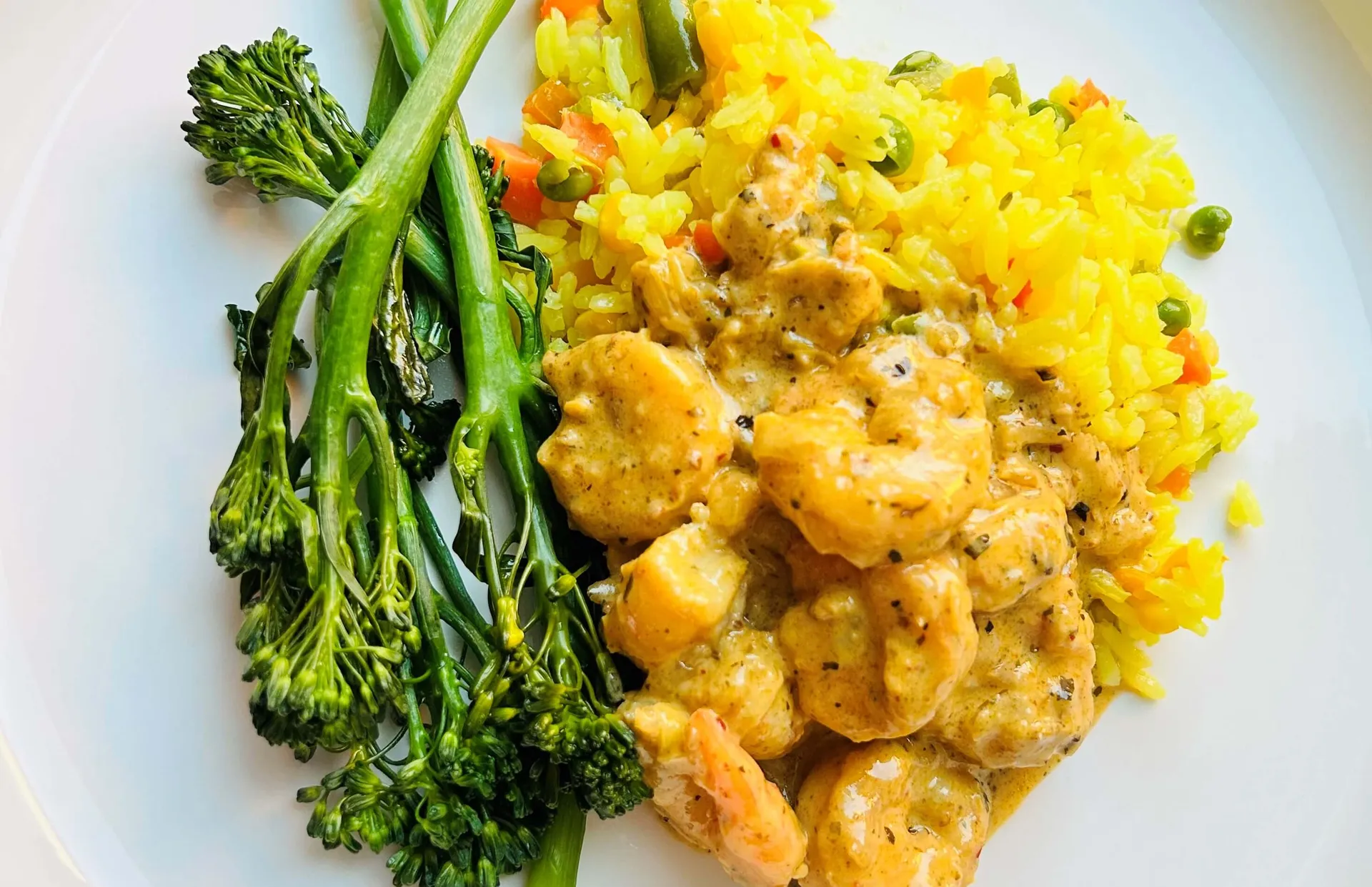
Creamy prawns are a South African restaurant and home staple, and the country's long coastline and its Cape Malay and Portuguese-Mozambican influences are why seafood sits so comfortably in its cooking. Prawns are cooked briefly with onion and garlic, lifted out, and returned to a cream sauce reduced in the same pan.
Chermoula is the ingredient that places it. It is a North African marinade, Moroccan and Algerian in origin, built on coriander, cumin, garlic, paprika and lemon, and its appearance in a South African prawn dish reflects how freely spice blends move around the continent. A seafood rub carries the rest.
The contributor makes a comparison worth repeating: prawns are seen as a high-end, classy food, and they describe them as the mopane worms of the ocean. Mopane worms are the caterpillars harvested and eaten across southern Africa, nutritious, cheap and utterly unglamorous outside the region. Putting the two side by side is a fair point about how arbitrary food status is, and it is the kind of observation that belongs in the record rather than being tidied away.
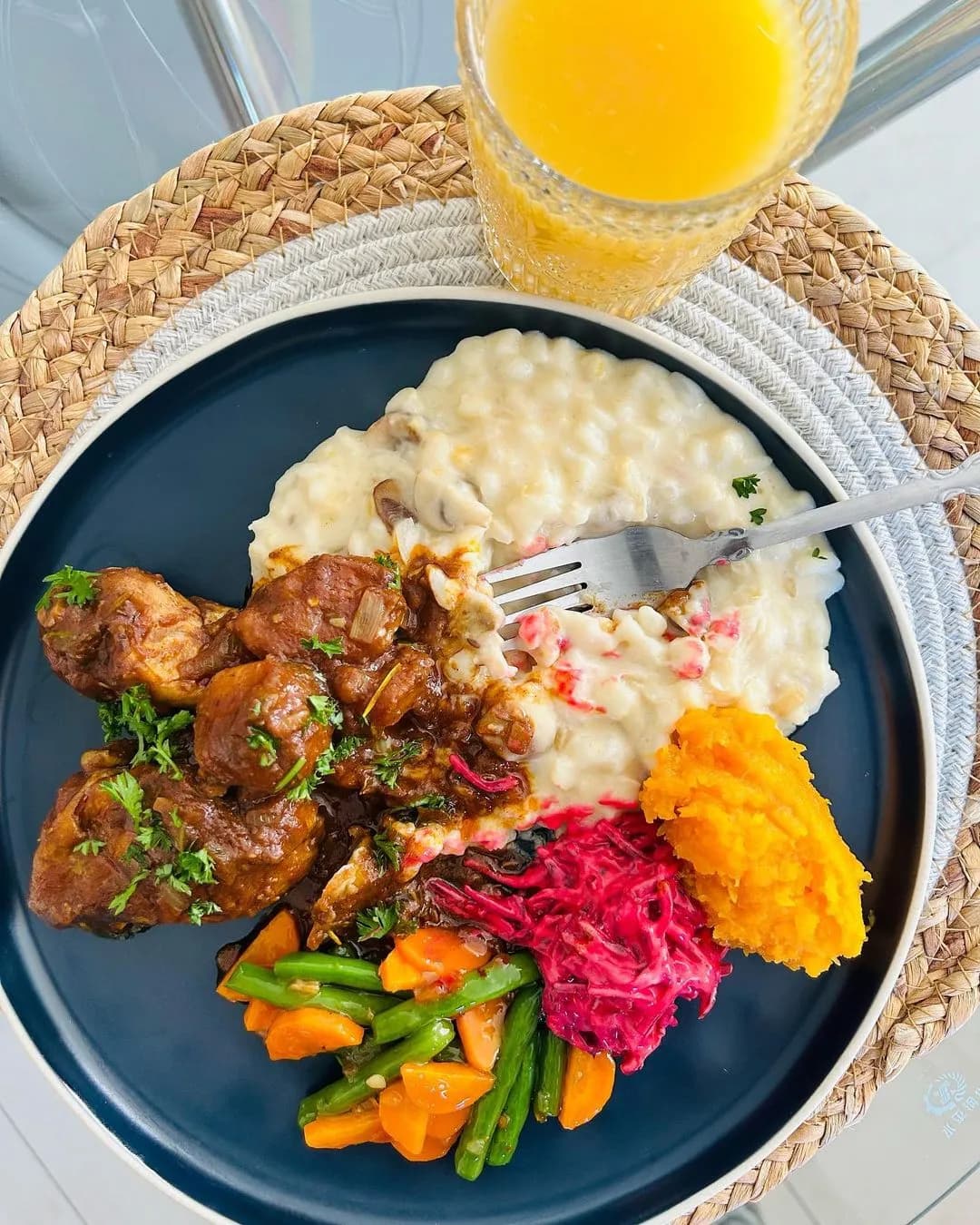
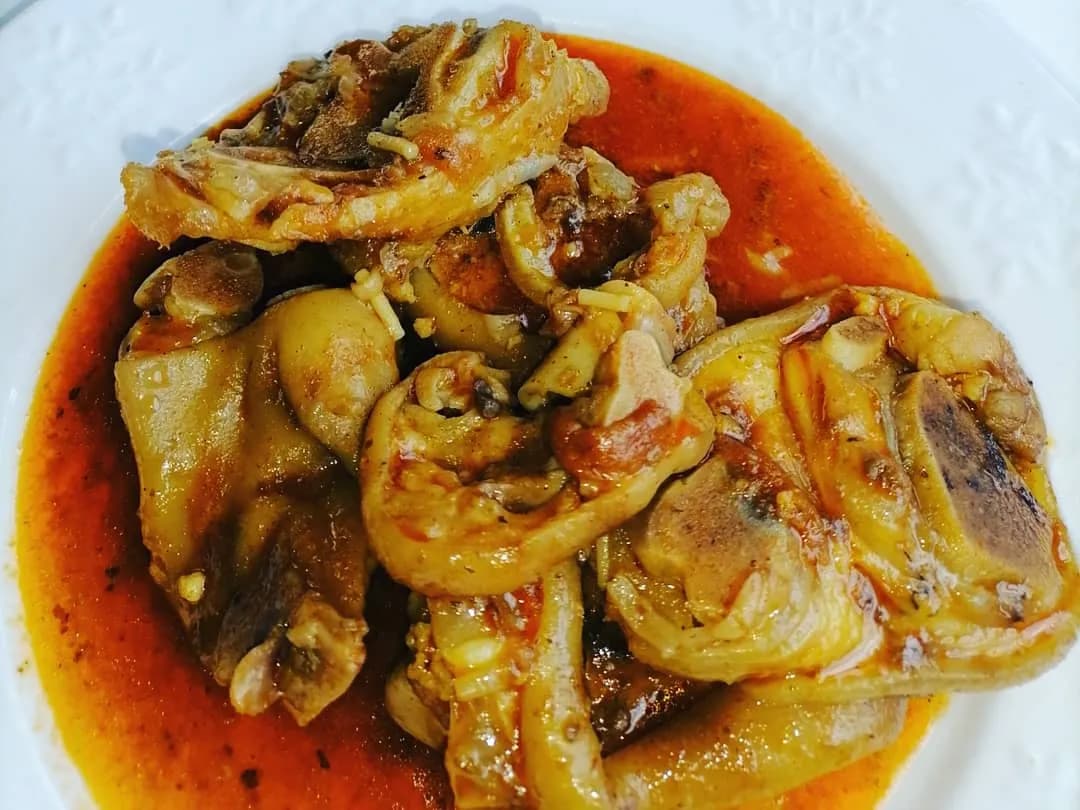
A bredie is a South African stew with a specific structure. Where an ordinary stew is built on stock, a bredie uses very little liquid and relies on the vegetables to release their own, so the sauce that develops is made by the ingredients rather than added to them. That distinction is what the word carries.
Lamb is the meat most associated with it, and the seasoning tells you where the dish comes from. Cinnamon, cloves and garlic in a meat stew is a Cape signature, reflecting the spice traditions that Cape Malay cooks brought to South African food from Southeast Asia and the Indian Ocean. A European lamb stew does not taste like this, and the difference is entirely in the spice cabinet.
Bredies are named for their vegetable rather than their meat: tomatiebredie for tomato, waterblommetjiebredie for the water hyacinth flowers that grow in Cape wetlands, green bean bredie, cabbage bredie. The lamb is the constant and the vegetable is the variable, which is the reverse of how most stew traditions name themselves. It is slow food, cooked until the lamb falls apart, and it is served with rice or bread to take up a sauce that has been concentrated rather than diluted.
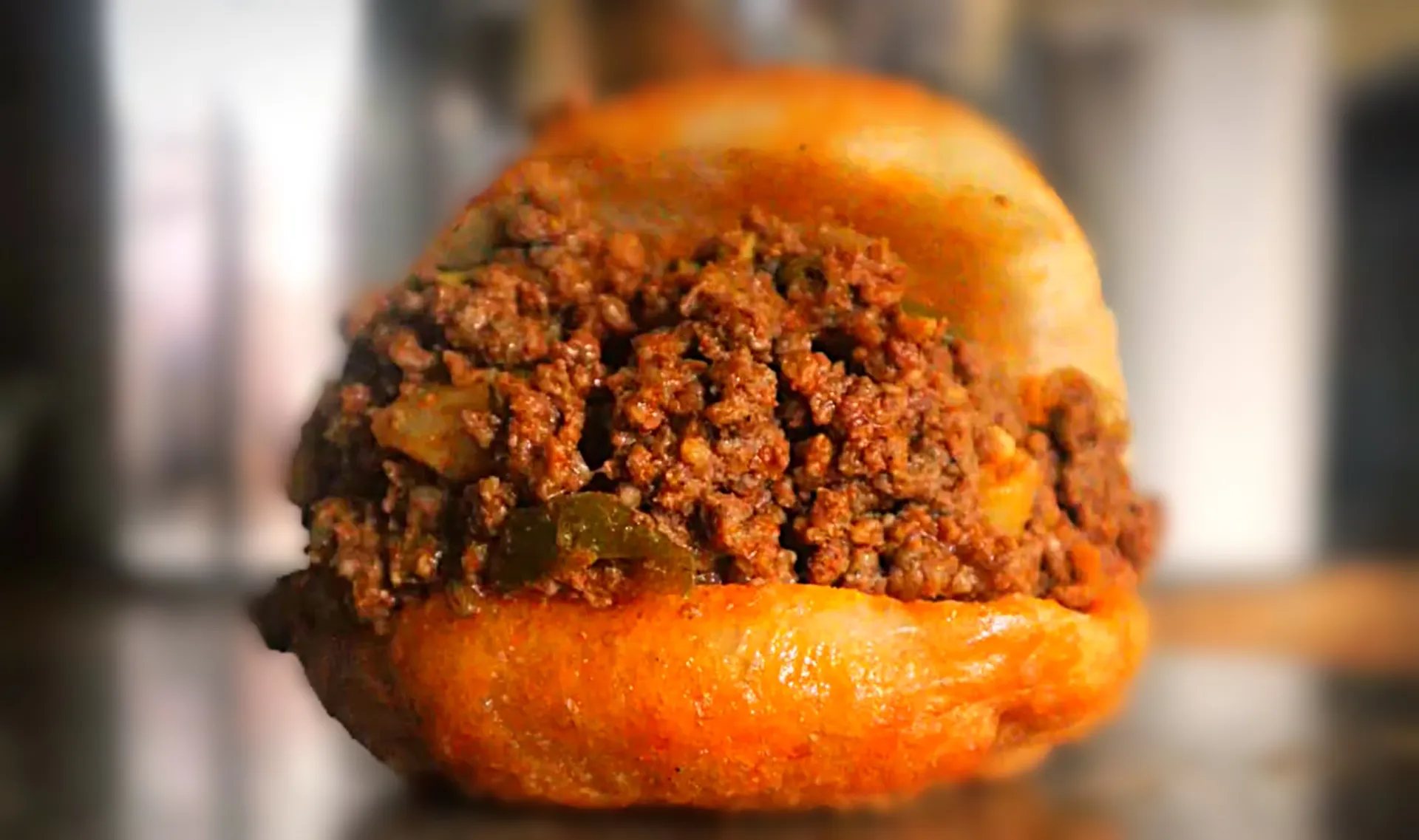
Vetkoek is fried bread, and the two names it carries in South Africa tell you most of what you need to know about it. Vetkoek is Afrikaans and means fat cake. Amagwinya is isiZulu, and the same round of dough is sold under that name from township stands and street corners across the country. One food, two languages, one of the clearest examples of a dish that belongs to everybody in South Africa.
Its origins are Dutch and Afrikaner, in the tradition of frying a simple yeast dough that arrived at the Cape and spread inland. What it became is entirely South African. It is split and filled, most often with a curried mince, and eaten in the hand as a complete cheap meal, which puts it in the same category as the kota and the bunny chow: bread as a container for something hot.
The mince curry inside is its own piece of South African history. Cardamom, cloves, cumin, coriander, turmeric, fenugreek and fennel in a beef mince is not a Dutch spice profile; it comes from the Cape Malay and Indian South African kitchens that shaped the country's food. Vetkoek filled with curried mince is therefore a Dutch fried bread holding an Indian Ocean filling, sold under a Zulu name, and nobody in South Africa finds that combination remarkable.