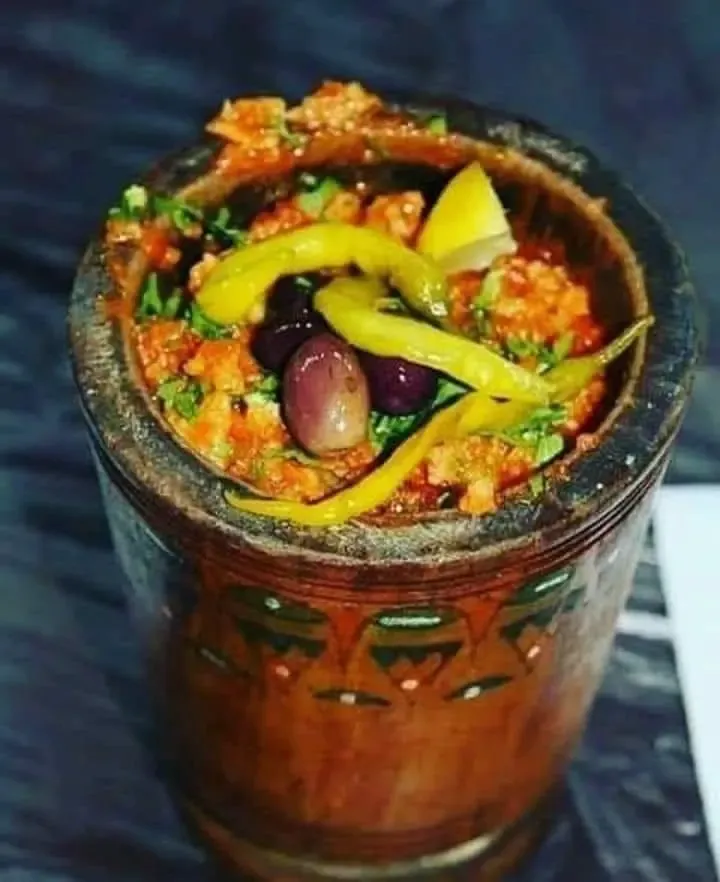
Tunisian Couscous
5.05 out of 5, 2 ratings2 hr


Cookies sur African Food Network
Nous utilisons des cookies essentiels au fonctionnement du site. Nous aimerions aussi déposer des cookies de mesure d’audience et des cookies publicitaires, uniquement avec votre accord. Vous pouvez choisir séparément pour chacun. Lire notre politique relative aux cookies

Parcourez les archives par pays, par plat et par temps de cuisson.
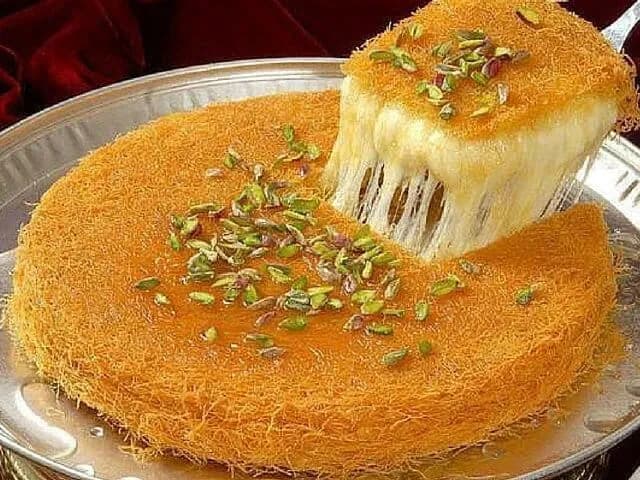
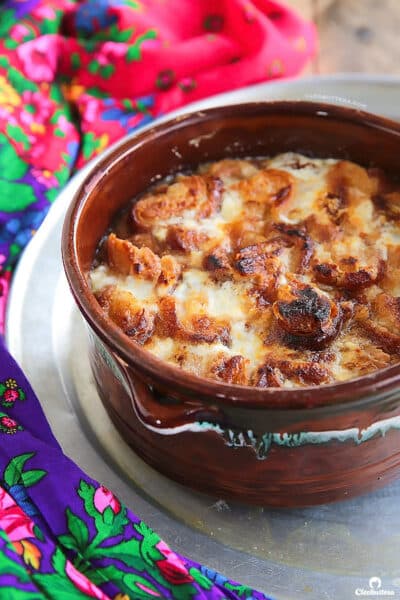
Kunafa, also written kanafeh or knafeh, is a dessert of shredded pastry layered with a filling and soaked in syrup, and it belongs to a region rather than a country. It is eaten across Egypt, Libya, the Levant and the wider Arab world, and Palestinian cuisine in particular claims it as its defining sweet. The pastry is kataifi, phyllo dough shredded into fine strands, sold frozen at Middle Eastern and North African grocers. It is coated in melted ghee or butter, pressed into a tray as a base, filled, topped with more of the same and baked until the strands turn deep gold and crisp. Syrup goes on at the end. The filling is where regional versions diverge most, and where this recipe departs from the classic. Traditional kunafa is made with a mild soft cheese, Nabulsi or Akkawi, which stretches when hot and gives the dessert its characteristic pull; mozzarella is the common substitute. The version written here uses a thickened milk and cream filling instead, which is a legitimate variation eaten in Egypt but produces something quite different from a cheese kunafa. In Libya it is made in large quantities during Ramadan, and across the region it is a dessert for occasions rather than an everyday sweet.
Les mieux notées
1 hr 5 minMediumEgypt
Recette de Blessing · Africook
Des plats transmis de génération en génération
 Kefta Mkaouara (Moroccan Meatballs in Tomato Sauce)55 min · North Africa
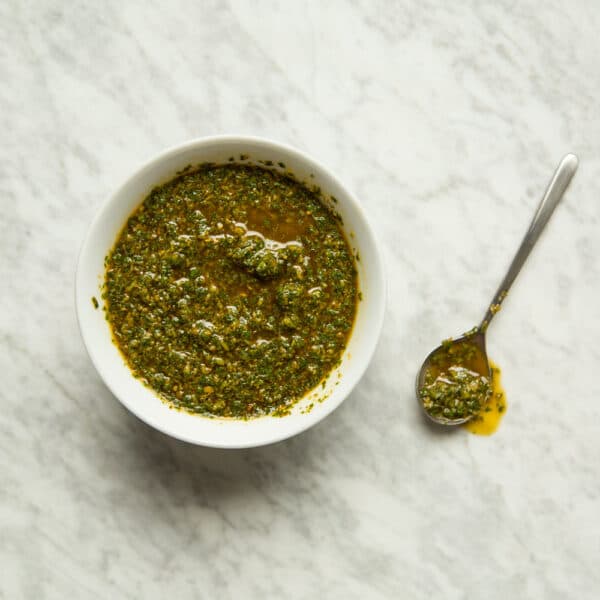 Lamb Chops, Chermoula & Rice25 min · North Africa
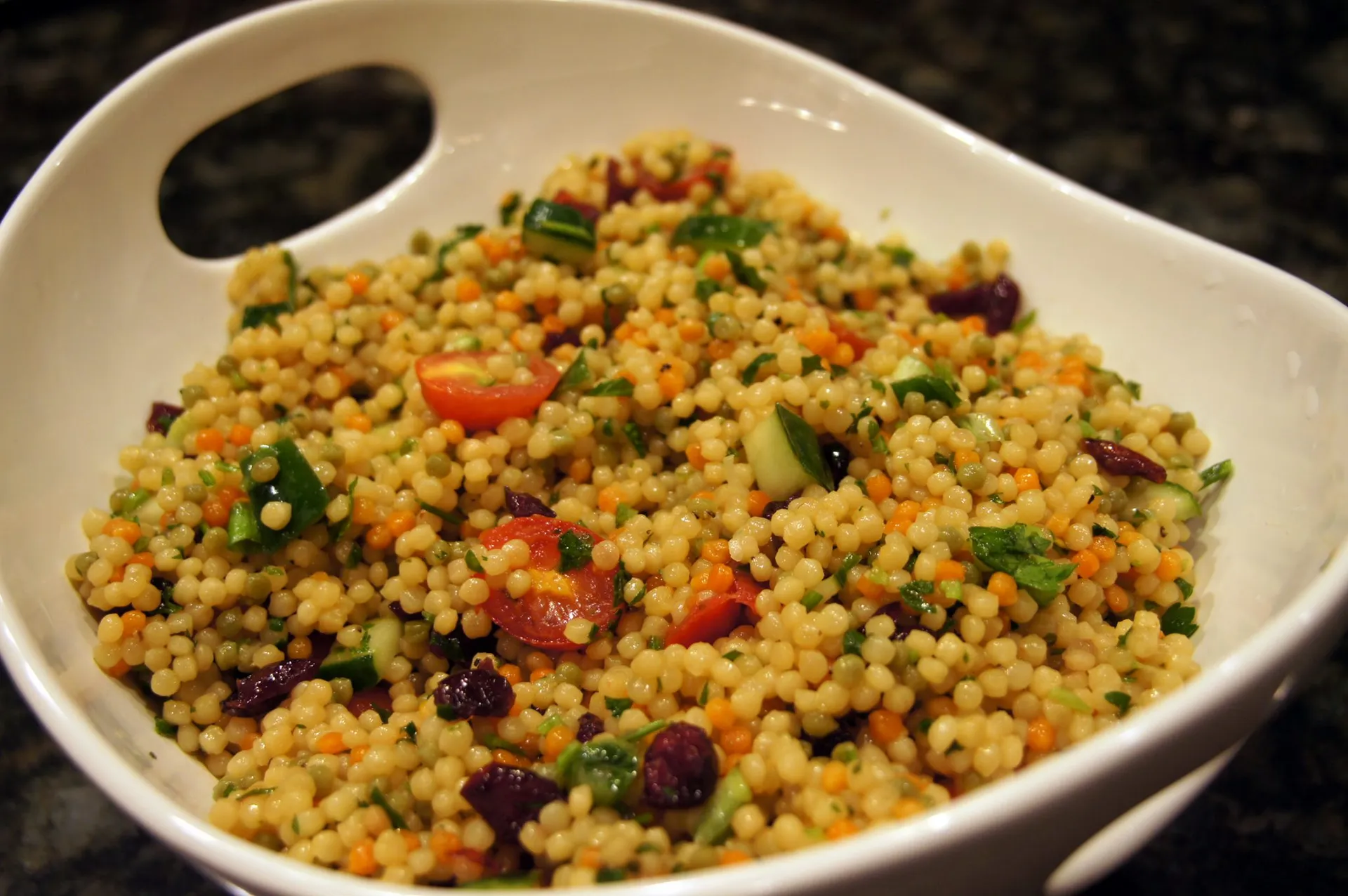 How to Cook Couscous20 min · North Africa
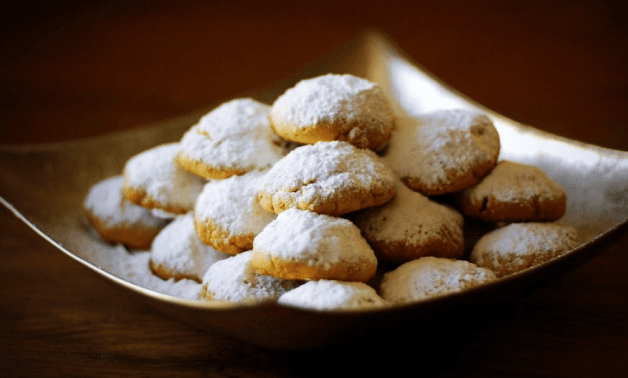 Kahk22 min · North Africa
 Hamam Mahshi (Egyptian Stuffed Pigeon)1 hr 30 min · North Africa
 Hawawshi (Egyptian Stuffed Bread)45 min · North Africa
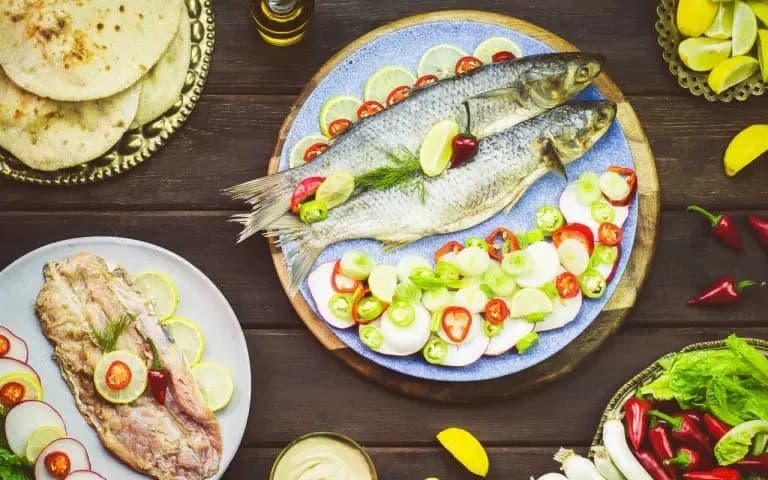 Feseekh (Egyptian Salted Fermented Fish)30 min · North Africa
 Feteer Meshaltet (Egyptian Layered Pastry)1 hr 25 min · North Africa