Nous utilisons des cookies essentiels au fonctionnement du site. Nous aimerions aussi déposer des cookies de mesure d’audience et des cookies publicitaires, uniquement avec votre accord. Vous pouvez choisir séparément pour chacun. Lire notre politique relative aux cookies

Loading
Recettes
Parcourez les archives par pays, par plat et par temps de cuisson.
Chekhchoukha, also written chakhchoukha, is torn flatbread under a spiced meat and chickpea sauce, and the name describes the tearing. It comes from tacherchert in the Chaouia language, meaning to crumble or to tear into small pieces, and the bread is broken by hand rather than cut.
It is a Chaoui dish, from the Aurès mountains of eastern Algeria, and it spread from there into Constantine, Biskra and the rest of the country. Its origin is in shepherds' food, the substantial thing eaten on returning home on cold winter nights, and it kept that character even as it became a dish for festive occasions and celebrations rather than everyday eating.
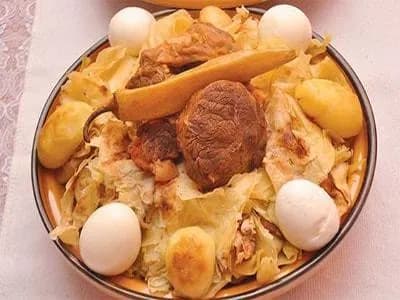
The bread is rougag, also called trid, a very thin round flatbread made from fine semolina. It is torn, steamed briefly to soften, then heaped on a plate and covered with marqa, the sauce of diced lamb, tomato, onion and chickpeas spiced with dried red chilli, caraway, ras el hanout, black pepper and cumin. Two versions are recognised: chakhchoukha of Biskra, which is this one, and chakhchoukha dfar, which uses a different flatbread and differs in taste and thickness. Which pot it is made in also varies, with some cities using clay and others iron.
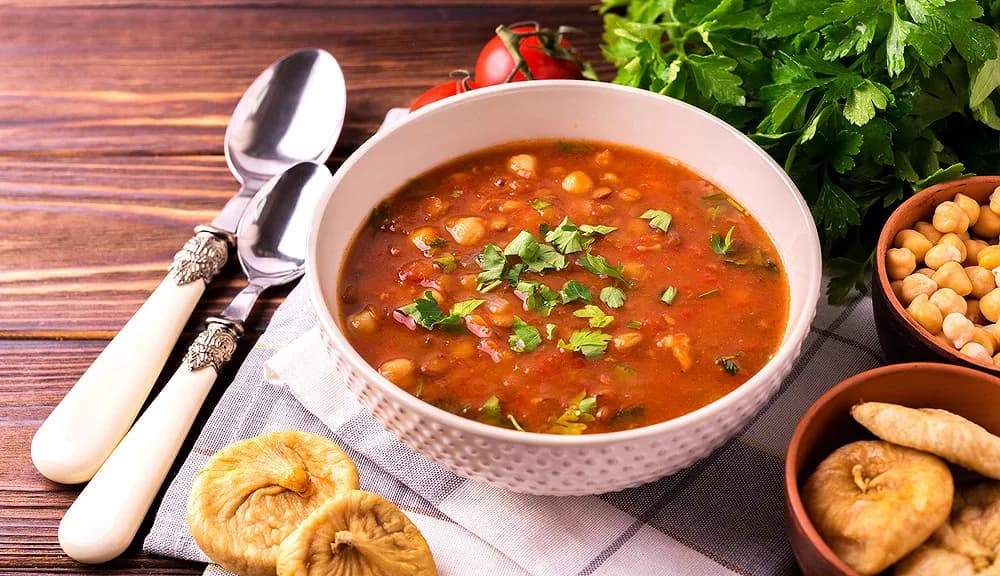
Hariri is a rich North African soup made in both Algeria and Morocco, and the Algerian version differs from its Moroccan neighbour in one clear respect: it contains no lentils. Lamb, chickpeas, tomato and a heavy hand of warm spices carry it instead.
Ramadan is when it matters most. Hariri is iftar food, the substantial thing eaten to break a day's fast, and it is made in quantity across Algeria through the month. It is also eaten at other times as a starter or a light meal in its own right, and it is served with potatoes or rice as well as on its own.
It is not a quick soup, and the source is direct about starting early: the total cooking time runs to around two hours and twenty minutes, most of it slow and unattended, which is what softens the lamb and lets the spices settle into the broth. The spicing is characteristic rather than fierce: turmeric, cinnamon, ginger, paprika and black pepper together, with coriander added near the end so its aroma survives, and lemon wedges served alongside for a sharpness that cuts the richness.
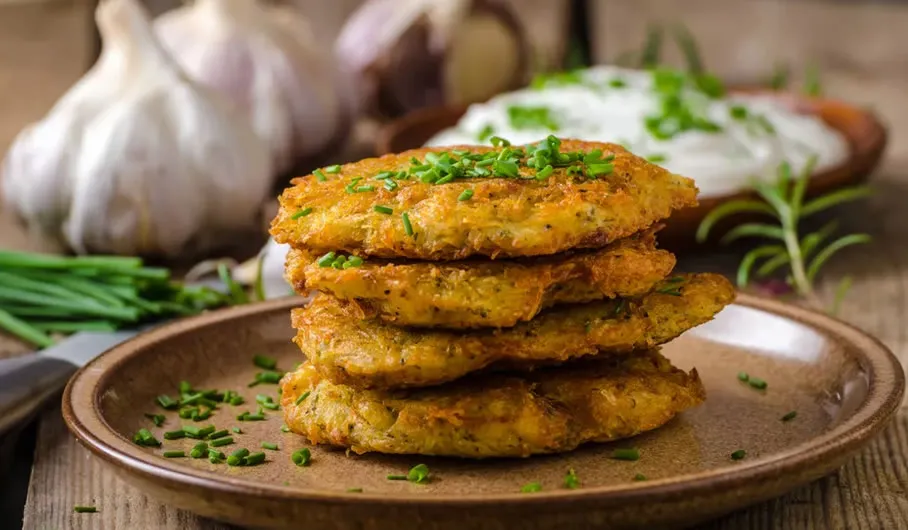
Maakouda is a Moroccan potato cake, mashed potato bound with egg and herbs, floured and deep fried until the outside crisps and the inside stays soft. It is street food, sold cheap and eaten either on its own or stuffed into a small baguette.
Meknes is where it is most associated, and the city is described as the wine capital of North Africa. Maakouda is sold from stalls there and across the country, and it appears in Algeria and Tunisia too under the same set of spellings: maaqouda, maqouda, makouda. The comparison the source draws is with falafel, and it holds up: a cheap fried snack, sold from a stall, eaten in bread. It has simply never travelled the way falafel has.
Ras el hanout is what marks it as Moroccan rather than a generic potato cake. The blend is optional in this recipe and the source strongly recommends it, and turmeric gives the colour. It is also a practical way to use up leftover mashed or baked potato, which is much of how it is made at home. Deep frying is traditional; the oven and the air fryer both work and are given as alternatives.
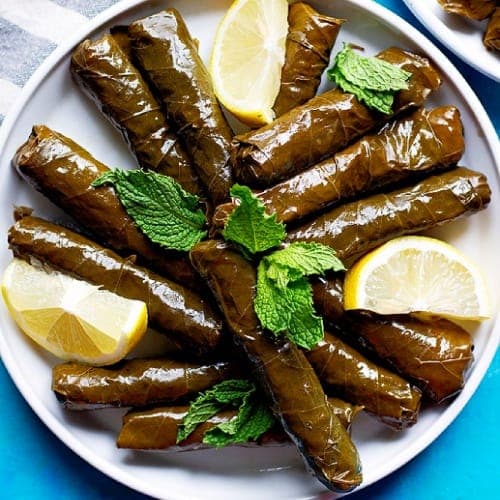
Dolma, known in Egypt as Warak Enab (grape vine paper), are tender grape leaves stuffed with a fragrant mixture of spiced rice, fresh herbs, and sometimes minced meat, then tightly rolled and arranged in a pot to cook slowly in a bright, lemony broth until the filling is perfectly cooked and the leaves are silky and tender. The preparation of Dolma is a communal activity in Egyptian and Levantine households, with family members gathering around a table to roll hundreds of leaves for celebrations. The tightly rolled parcels, no larger than a finger, are arranged in concentric circles in the pot and weight down with a plate to prevent them unravelling during cooking. The result is a dish of impressive elegance built from simple ingredients.