Nous utilisons des cookies essentiels au fonctionnement du site. Nous aimerions aussi déposer des cookies de mesure d’audience et des cookies publicitaires, uniquement avec votre accord. Vous pouvez choisir séparément pour chacun. Lire notre politique relative aux cookies

Loading
Recettes
Parcourez les archives par pays, par plat et par temps de cuisson.
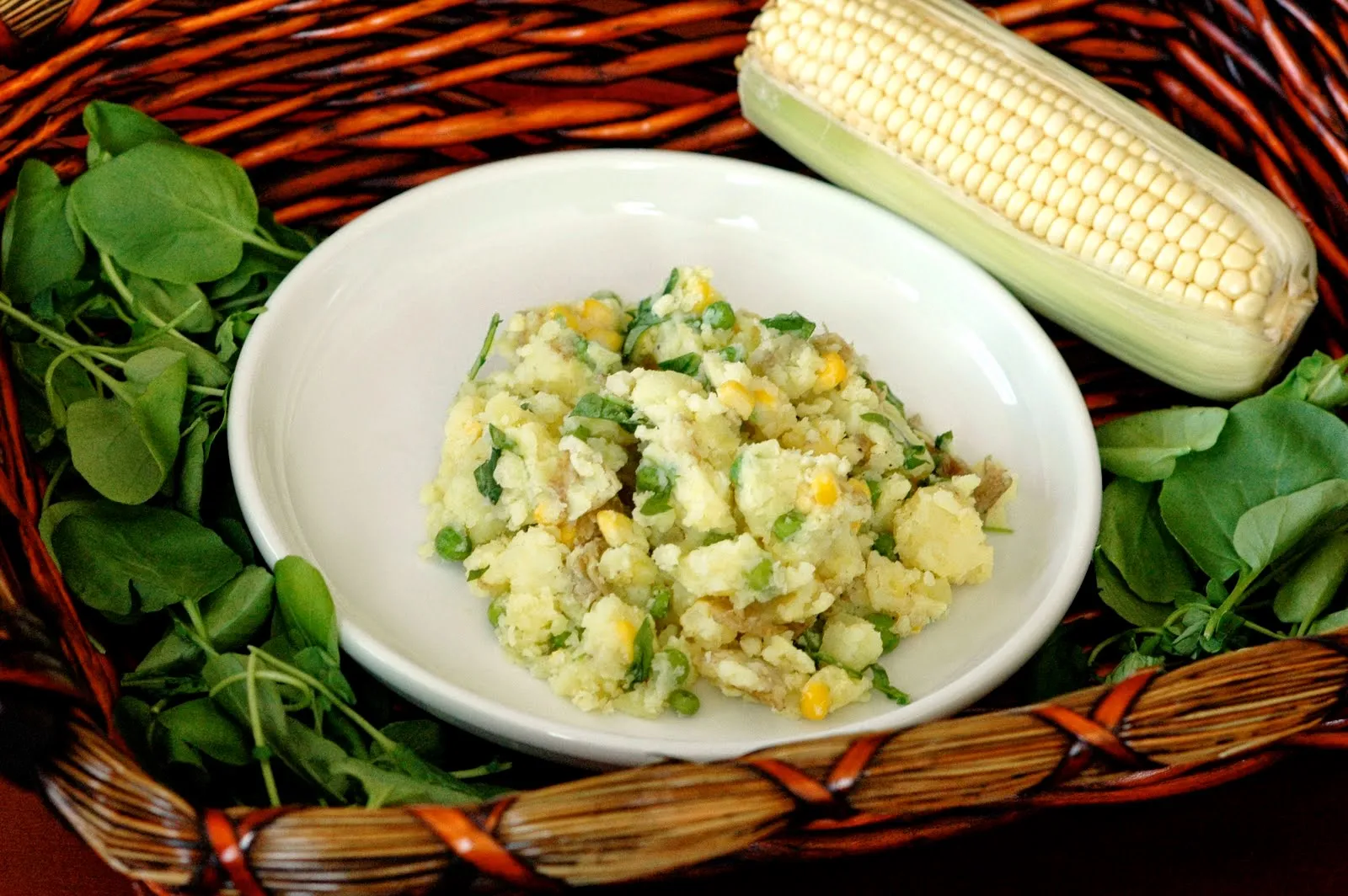
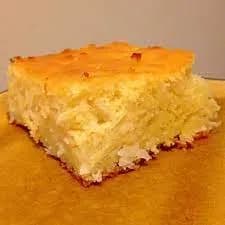
Kuindiong is semolina cooked with water, yoghurt, milk and sugar into a thick sweet porridge, served under miok, butter and yoghurt cooked together until they separate. It is a Dinka dish, made in South Sudan and southern Sudan, and it is served to welcome guests.
The miok is the part worth paying attention to, because it is a technique rather than a topping. Butter and yoghurt cooked together and stirred constantly eventually break: the fat separates from the milk solids, and those solids brown into pale golden granules. What you pour over the semolina is browned butter with toasted dairy solids suspended in it, which is why it tastes nutty rather than simply of butter. Twenty minutes of constant stirring is what it takes, and taking it off the heat at the right moment, as soon as the granules turn a pale nutty colour, is the whole skill.
The Dinka are a cattle-keeping people, and the quantity of dairy in this dish reflects that directly. Over a kilo of yoghurt and half a kilo of butter between the two components is a lot by most standards and entirely unremarkable in that context.
The source appears to come from an Australian publication, its notes reference Australian cup measures, which is worth recording.
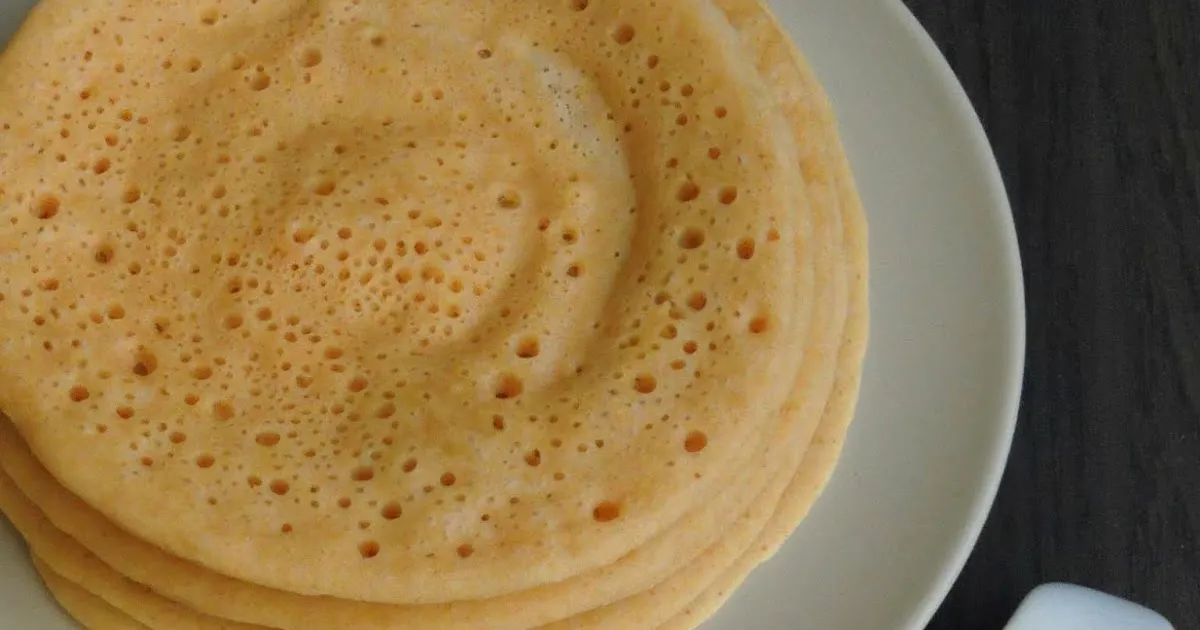
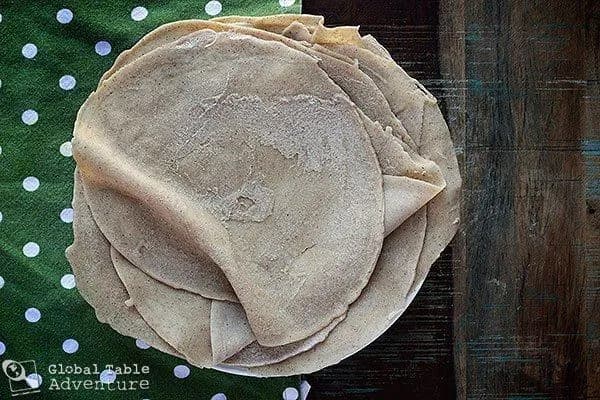
Kisra, also spelled kissra, is the fermented flatbread of Sudan, South Sudan and Chad, made from sorghum flour left to ferment overnight and spread paper thin on a hot griddle. It is a staple rather than an accompaniment, and in Sudan its production has become a home based industry supplying households that no longer make it themselves.
It comes in two forms. Kisra rhaheefa is the thin baked sheet, closely comparable to Ethiopian injera in appearance and in the lactic fermentation that produces it, though made from sorghum rather than teff. Kisra aseeda, also called aceda, is the same base cooked into a thick porridge instead. The two are eaten in different contexts and both are called kisra.
The fermentation is what determines quality, and Sudanese cooks judge it by several variables at once: the sorghum genotype, the age and strength of the starter, the temperature and the time. Lactic acid bacteria and yeast do the work, producing the acids and alcohols that give kisra its sour flavour and its aroma. A weak or young starter gives a bland bread, which is why starters are kept going and shared between households.
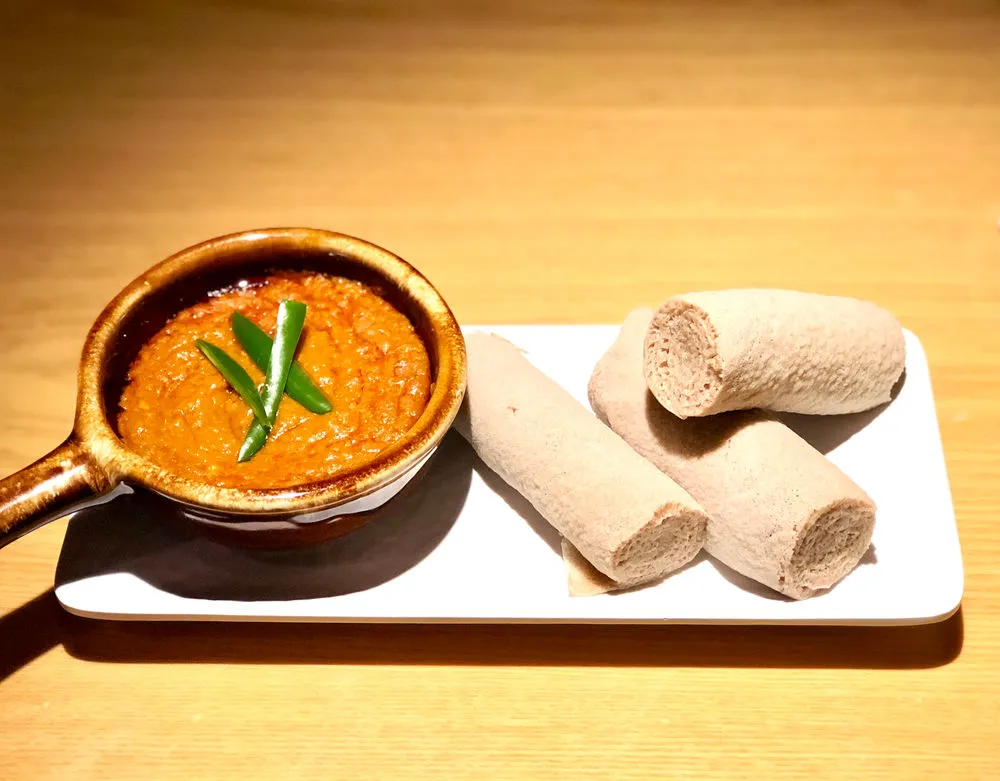
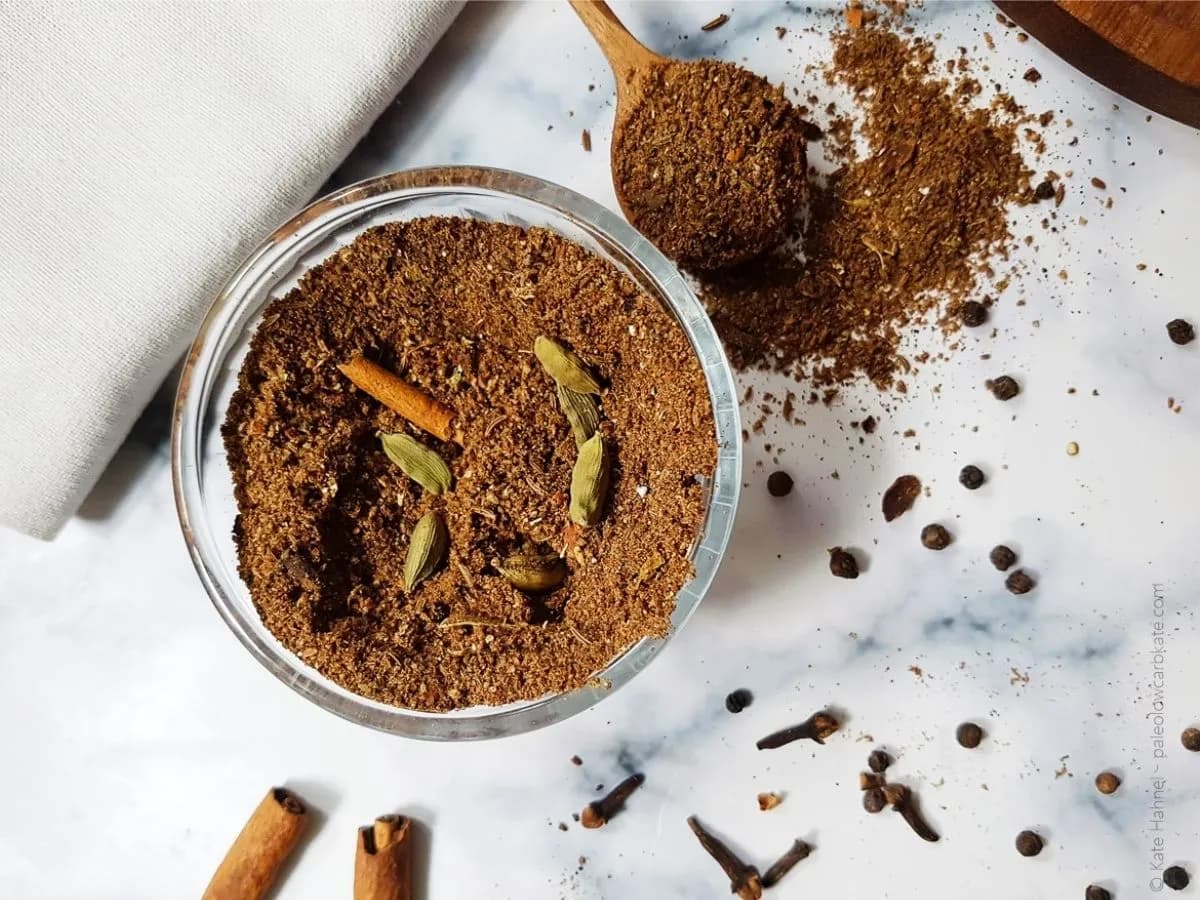
Shiro wat is ground chickpea stew, and it is among the most eaten dishes in Ethiopia and Eritrea. Onion, garlic, tomato and berbere are cooked down in oil, chickpea flour is whisked in, and the result thickens to something between a thick gravy and a puree, smooth enough to spread and eaten with injera.
Its position has a great deal to do with the religious calendar. Ethiopian Orthodox practice includes a very large number of fasting days, on which no meat, eggs or dairy are eaten, and shiro contains none of them. It is standard on Wednesdays and Fridays, through the eight weeks of Tsom, the Great Lent, and it is eaten during Ramadan by Ethiopian and Eritrean Muslims too. That is a dish serving two religions in one country without modification.
It is also cheap and quick, which explains the rest of its reach. Shiro powder, sold ready mixed with the spices already in it, is available across Ethiopia and increasingly abroad, in two kinds: mitten shiro, which is red and carries berbere, and netch shiro, which is white and mild. The dish takes different forms by consistency and name: shiro fessess is runny and served over injera with chillies, shiro tegamino is thick and cooked in an earthenware pot until it bubbles and caramelises at the base, and shiro fit fit shreds injera through it for breakfast.
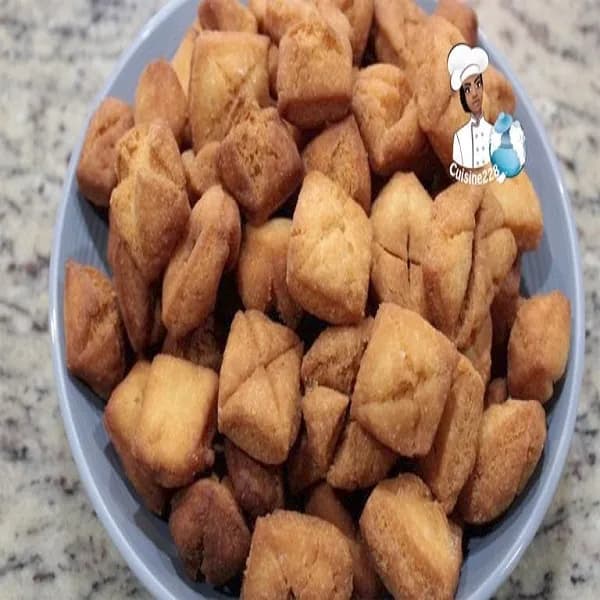
Kac kac, also written ka'ka, are Somali fried sweets: crisp on the outside, soft within, and cut into diamonds or squares rather than shaped into rings. They are closer to a biscuit than to a raised doughnut, because they use baking powder rather than yeast and the dough is rolled and cut rather than proved.
Their setting is tea. Kac kac go with shaah caddeeys, the spiced milk tea that anchors Somali hospitality, and the pairing is fixed enough that one implies the other. They are sold in the maqaayo Soomaali, the traditional restaurants of Mogadishu and other Somali cities, where they are made in large batches in the morning and generally sold out well before the day is over.
They also belong to Ramadan. A dense, sweet, portable fried thing that keeps for days is exactly what is wanted for iftar, and kac kac appear on Somali tables through the month in quantity. The marking on the surface, a light score with a knife before frying, is not decoration alone: it helps them cook through evenly and gives the piece its characteristic look. Somali communities across the diaspora have carried them intact, and they are among the first things a Somali household abroad will make for visitors.
Les mentions alimentaires sont fournies par les contributeurs à titre indicatif. Elles ne sont pas vérifiées par AFN et dépendent des produits que vous achetez. En cas d’allergie grave, vérifiez vous-même chaque ingrédient. Cuisine, allergies et votre propre jugement