Nous utilisons des cookies essentiels au fonctionnement du site. Nous aimerions aussi déposer des cookies de mesure d’audience et des cookies publicitaires, uniquement avec votre accord. Vous pouvez choisir séparément pour chacun. Lire notre politique relative aux cookies

Loading
Recettes
Parcourez les archives par pays, par plat et par temps de cuisson.
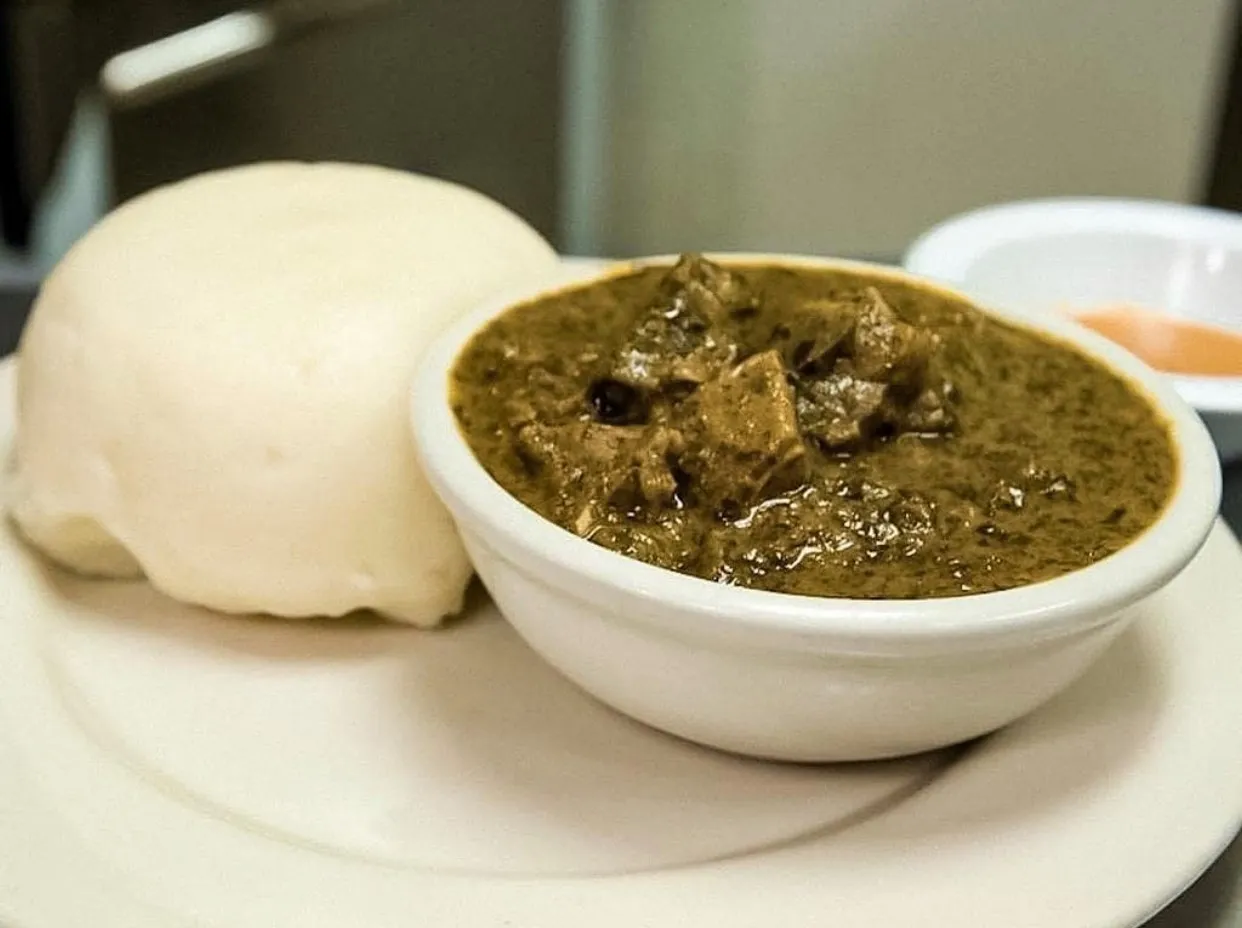
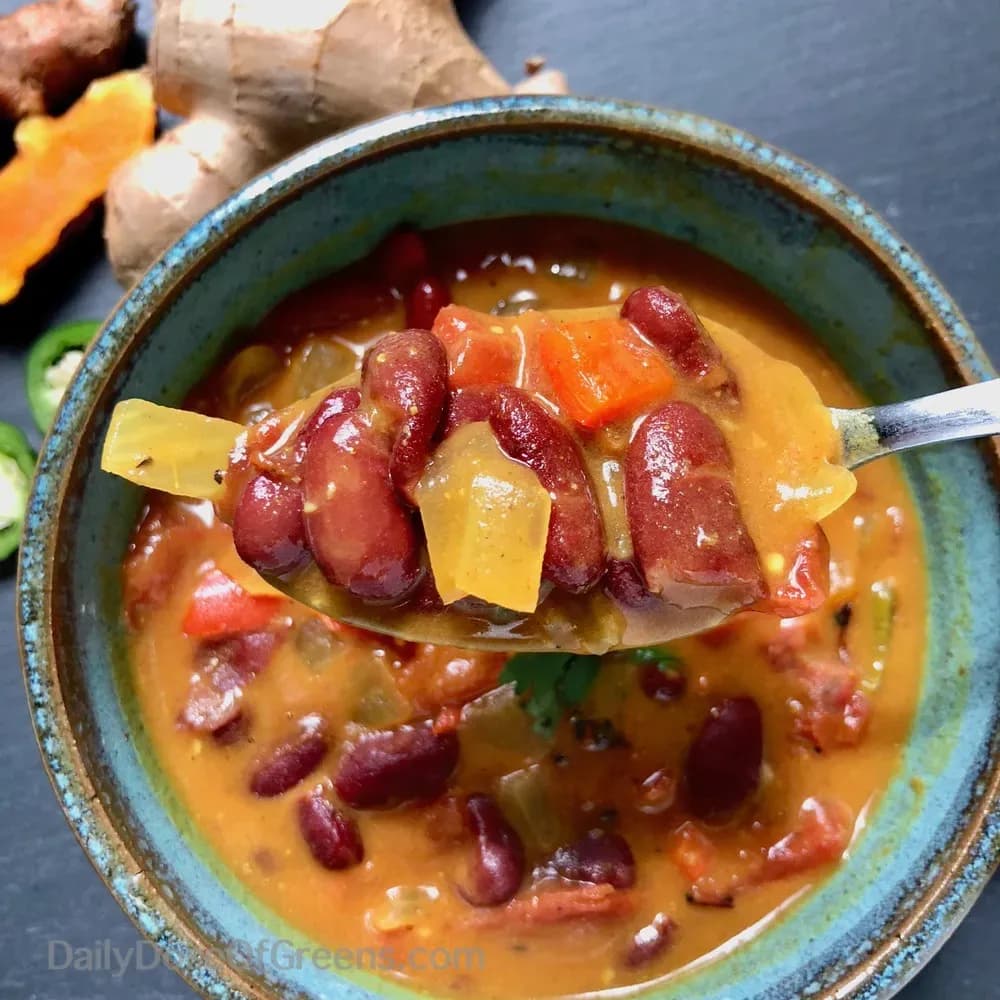
Isombe is pounded cassava leaves cooked down with groundnuts, palm oil and aromatics into a dense green stew. It is a Rwandan household staple, and the version most cooks make carries a meaty depth that has nothing to do with meat: the groundnuts and the long cook supply it.
The dish belongs to a wider Great Lakes tradition. It is documented as originating in the Democratic Republic of Congo and travelling south into Burundi and Rwanda, and the three countries cook recognisably the same dish under names that shift with the language. Cassava leaves are the constant. They are pounded rather than chopped, which breaks down the fibre in a way a knife cannot, and that texture is what distinguishes isombe from any other leaf stew.
Isombe is served with rice or beans, and in Rwanda commonly with ubugari. It is everyday food rather than occasion food, which is the harder thing for a dish to be: it has to be worth cooking on a Tuesday. Cassava leaves are grown, gathered and sold across the region, and the greens that make isombe come from the same plant that provides the starch on the other side of the plate.
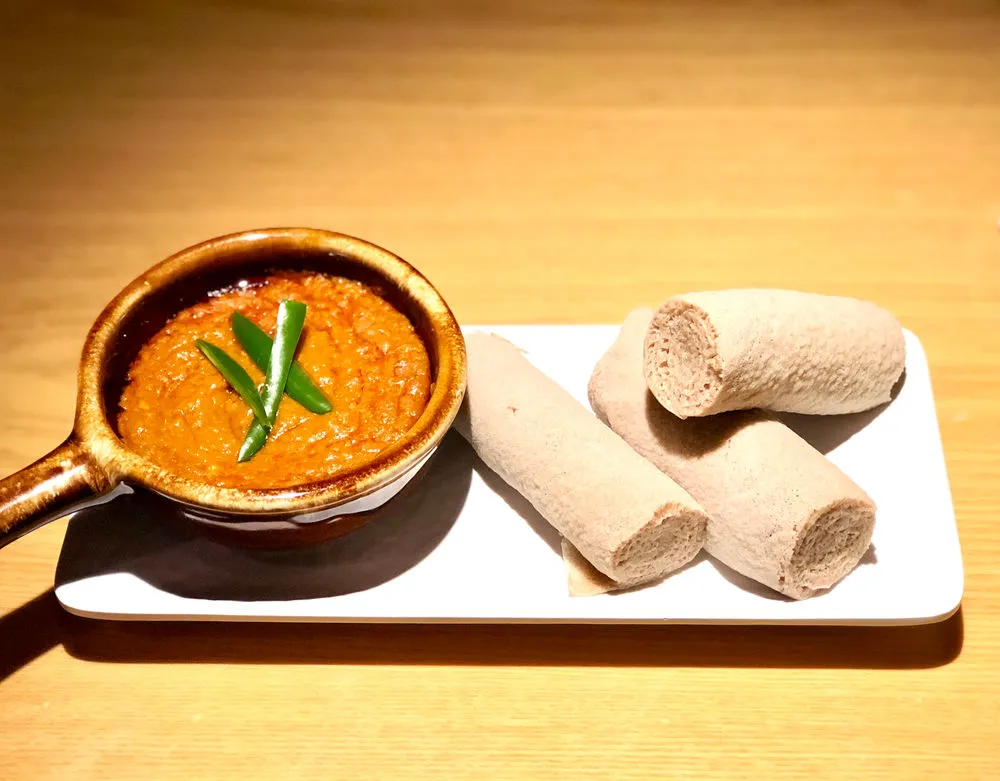
Shiro wat is ground chickpea stew, and it is among the most eaten dishes in Ethiopia and Eritrea. Onion, garlic, tomato and berbere are cooked down in oil, chickpea flour is whisked in, and the result thickens to something between a thick gravy and a puree, smooth enough to spread and eaten with injera.
Its position has a great deal to do with the religious calendar. Ethiopian Orthodox practice includes a very large number of fasting days, on which no meat, eggs or dairy are eaten, and shiro contains none of them. It is standard on Wednesdays and Fridays, through the eight weeks of Tsom, the Great Lent, and it is eaten during Ramadan by Ethiopian and Eritrean Muslims too. That is a dish serving two religions in one country without modification.
It is also cheap and quick, which explains the rest of its reach. Shiro powder, sold ready mixed with the spices already in it, is available across Ethiopia and increasingly abroad, in two kinds: mitten shiro, which is red and carries berbere, and netch shiro, which is white and mild. The dish takes different forms by consistency and name: shiro fessess is runny and served over injera with chillies, shiro tegamino is thick and cooked in an earthenware pot until it bubbles and caramelises at the base, and shiro fit fit shreds injera through it for breakfast.
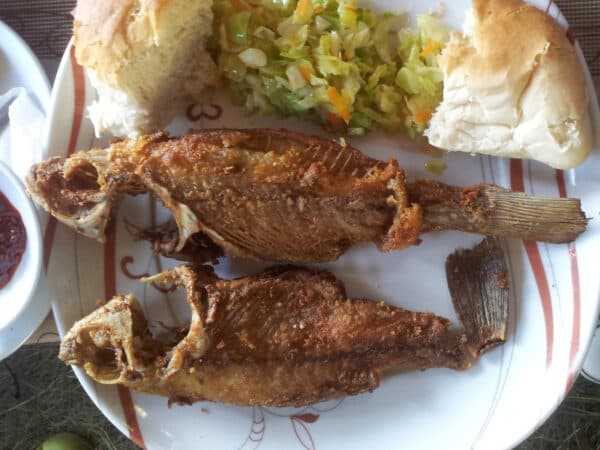
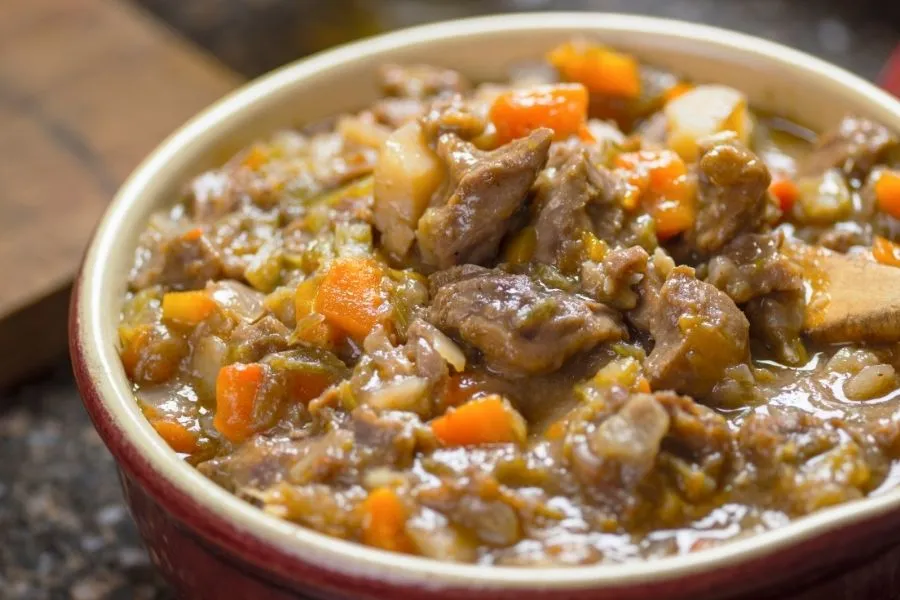
Kawari is Sudanese hooves soup, and it belongs to the family of dishes built on the parts of an animal that carry no muscle at all. Sheep or cattle hooves are cleaned and cooked for hours until the collagen breaks down and the broth turns thick and gelatinous, which is the whole reason the dish exists.
It is spiced in a way that places it squarely in the northeast of the continent. Cinnamon, cloves, cardamom, coriander, black pepper, ginger and garlic together are a Red Sea and Nile valley combination, and vinegar goes in to cut the richness. That combination reaches across the region: Egyptian kawaree uses calf feet with turmeric, Moroccan hergma uses ginger and paprika, and Turkish paça uses beans. All are the same idea handled by different kitchens.
It is regarded in Sudan as a dish worth taking seriously, and the source that carries this recipe calls it the country's most popular soup. Like most long cooked offal dishes it splits opinion, and like most of them it is cheap, which is not incidental. A cut that takes six hours and yields a thick broth from almost nothing is a dish built by households that could not waste an animal.
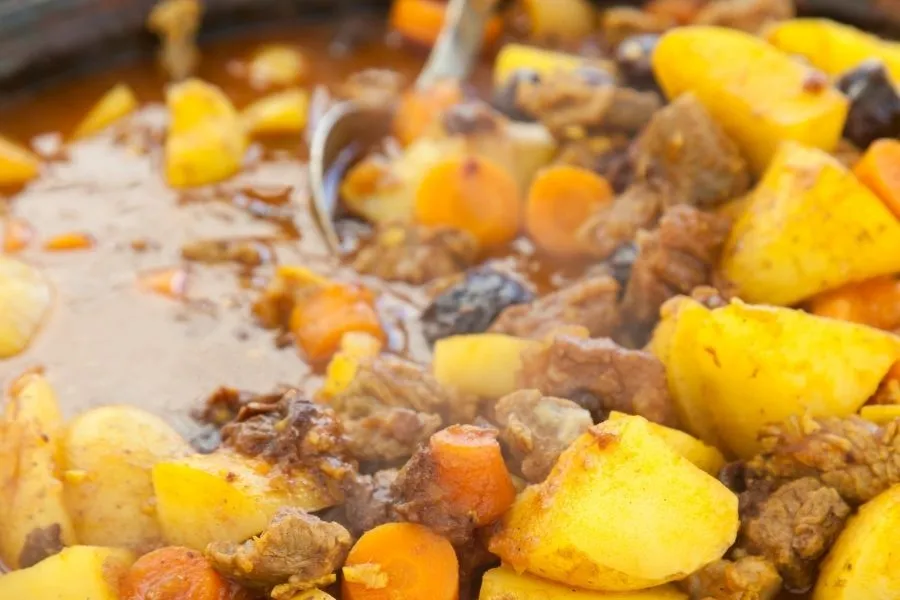
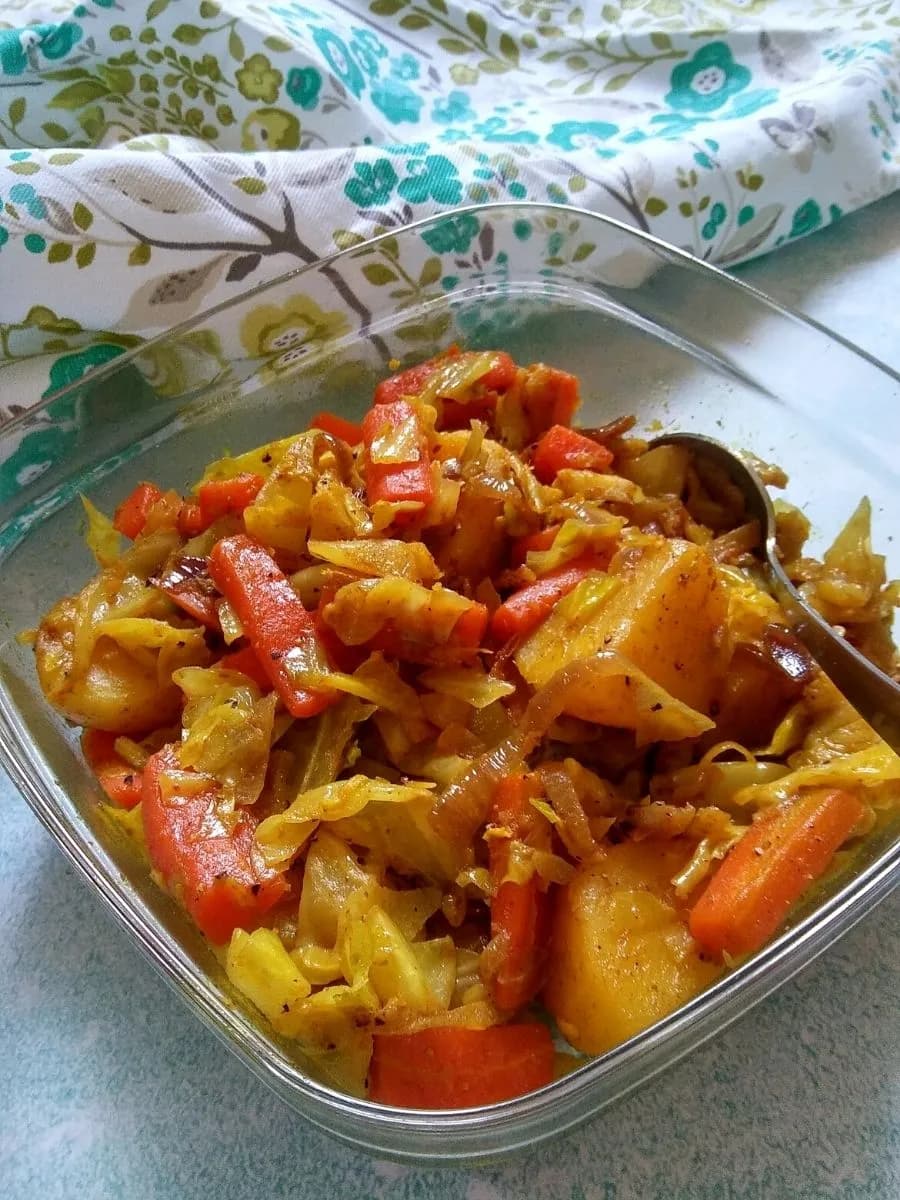
Miris is a Sudanese stew of cassava and okra cooked in lamb fat with onion. It is served with asida, the stiff Sudanese porridge, or with kisra flatbread.
The lamb fat is the point, and it is worth understanding rather than substituting away. Only two teaspoons go into the pot, but rendered sheep's fat carries a distinct, slightly gamey savouriness that no oil reproduces, and using it as a cooking medium rather than as a meat is characteristic of a cuisine where nothing from an animal is wasted. The source offers pork fatback, beef fat or olive oil as alternatives and is honest that they change the dish.
Sudanese meals are built around a communal central dish with stews and sauces alongside, eaten with the right hand using flatbread or a stiff porridge, asida or kisra. Miris belongs to that format rather than being served as a plated course.
Two notes about the recipe as written. The source's prose describes onions, dried okra and sheep's fat, while its ingredient list specifies cassava, and both have been kept since the combination is plausible. And cassava must be cooked thoroughly, the raw root contains compounds that release cyanide, and the ten minutes the method allows assumes it is already properly processed.
Les mentions alimentaires sont fournies par les contributeurs à titre indicatif. Elles ne sont pas vérifiées par AFN et dépendent des produits que vous achetez. En cas d’allergie grave, vérifiez vous-même chaque ingrédient. Cuisine, allergies et votre propre jugement