

Amala
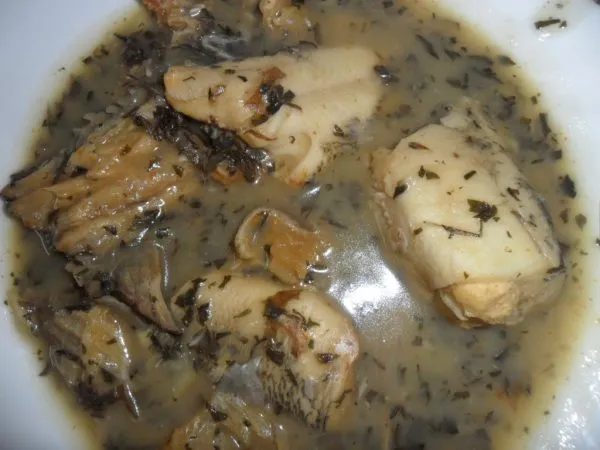
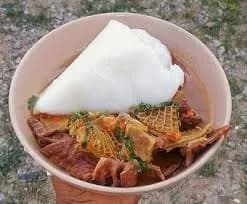
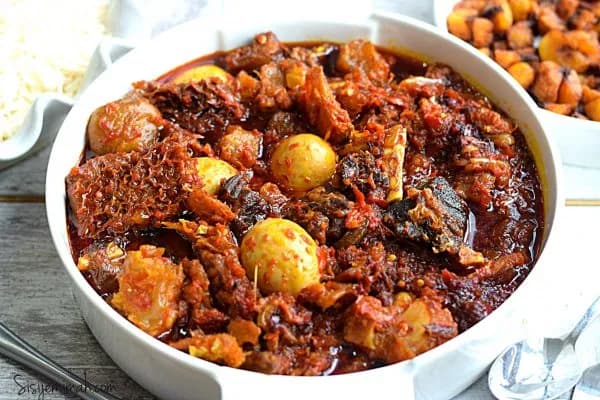
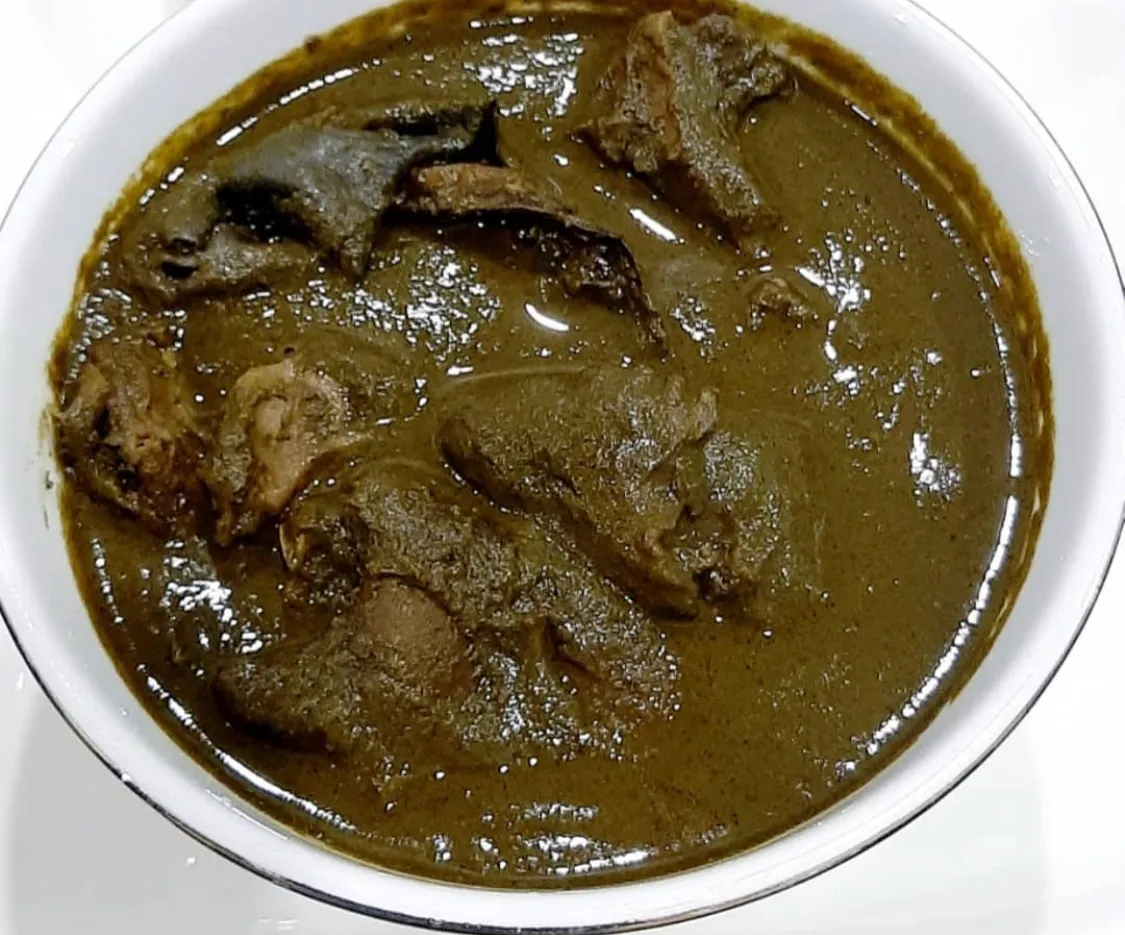
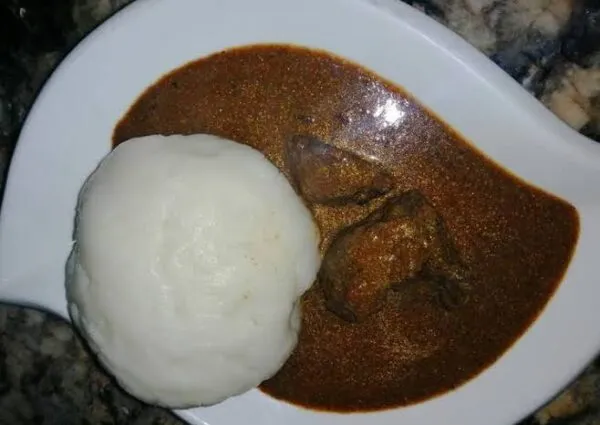
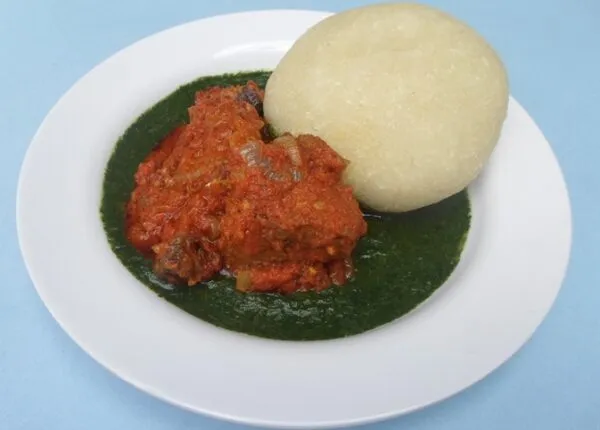
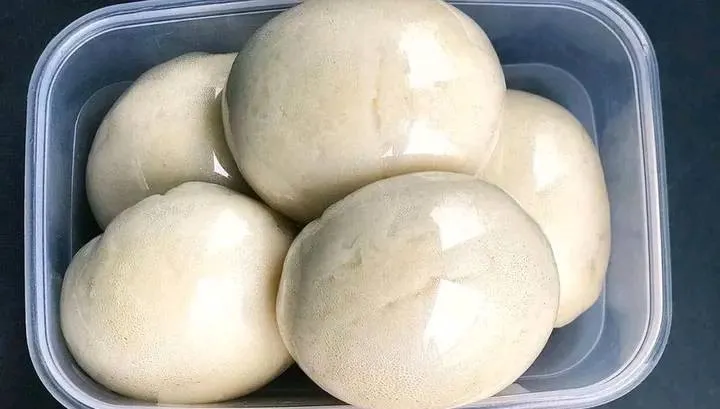
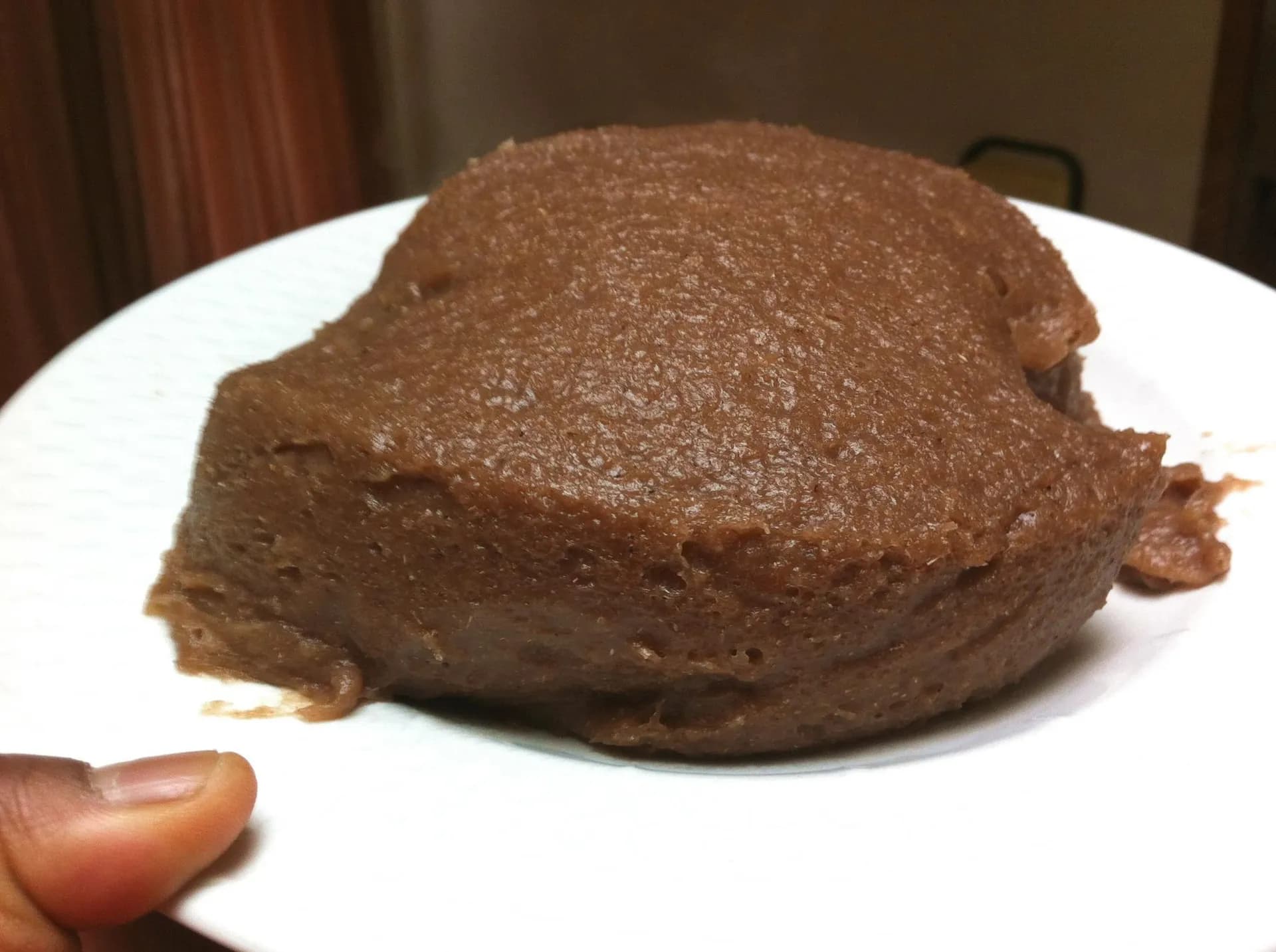
Amala is the swallow of the Yoruba southwest, and it is the darkest thing on a Nigerian table. Yam is peeled, cut, dried and milled into a flour called elubo, and the drying turns the white tuber brown. In boiling water that brown becomes near black, which is the colour amala is known by and which surprises people who expect a starch to be pale. Its home is Oyo State, and Ibadan in particular. The pairing of amala with ewedu, the jute leaf soup, is treated in Ibadan as something close to a civic institution, and the same seriousness attaches to it in Lagos, where you will not find a buka without it on the menu. Yoruba speakers make the comparison directly: amala and ewedu stand to an Ibadan person as akpu and ofe onugbu stand to an Igbo one. Three flours make three amala. Elubo isu, from yam, is the standard and gives the dark version. Lafun, from cassava, gives a white amala and is a different dish in practice. Elubo ogede, from unripe plantain, is lighter in colour and lower in starch. The technique is unforgiving in one specific way: the flour must go into water that has been taken off the heat, or it lumps, and lumps in amala are the fastest way to ruin it.
Nigeria20 minBeatrice