

Ugali
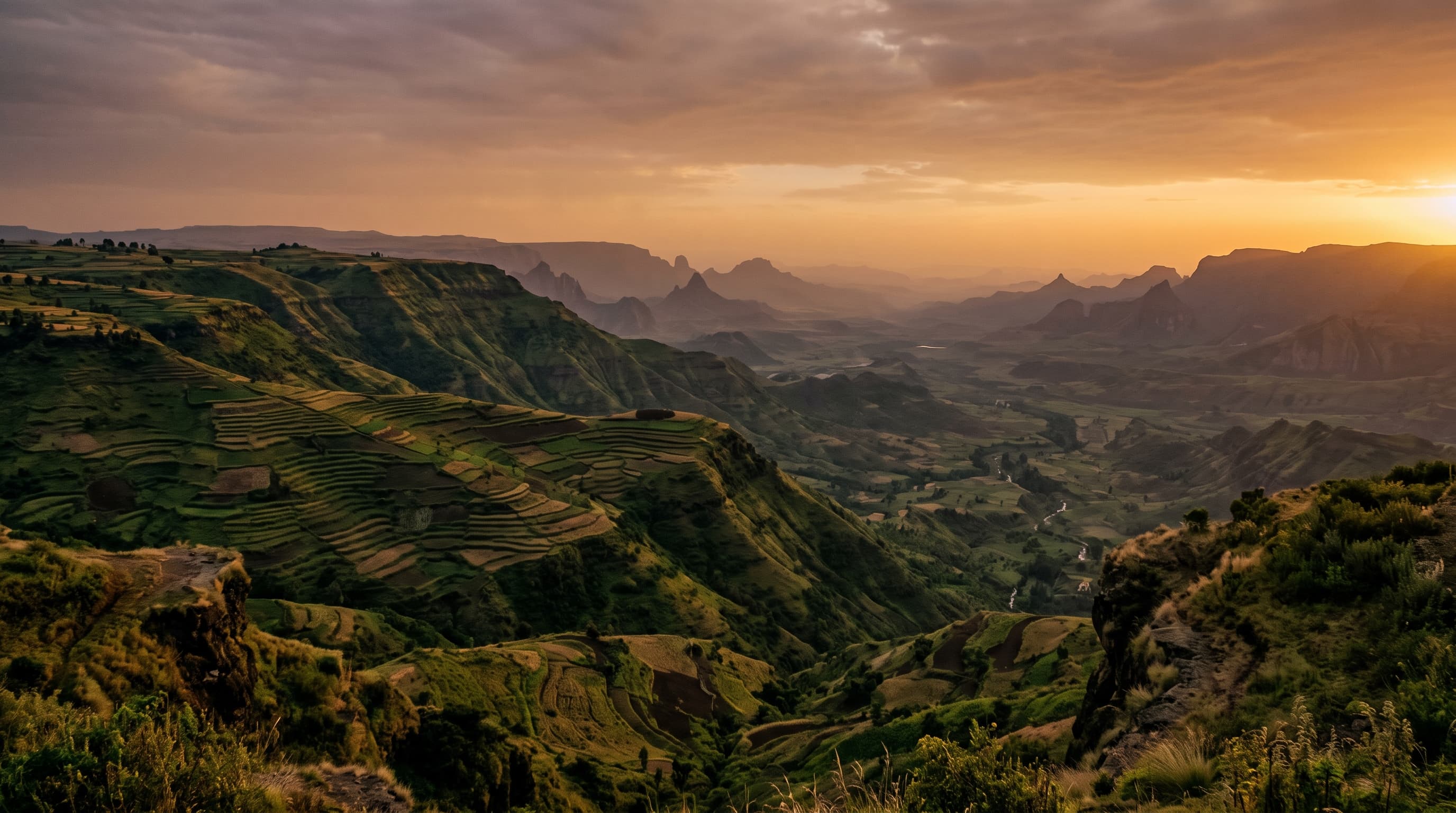
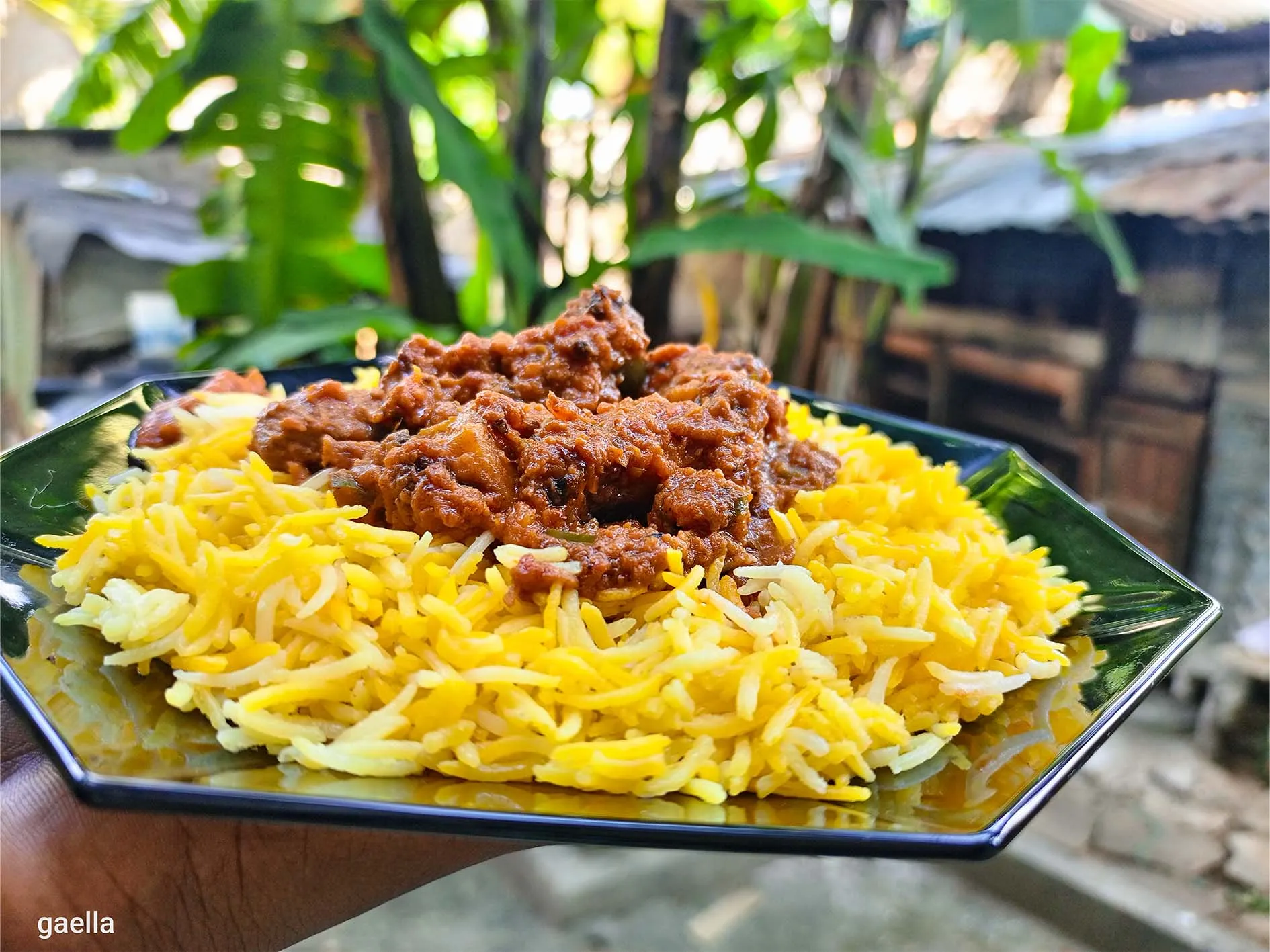
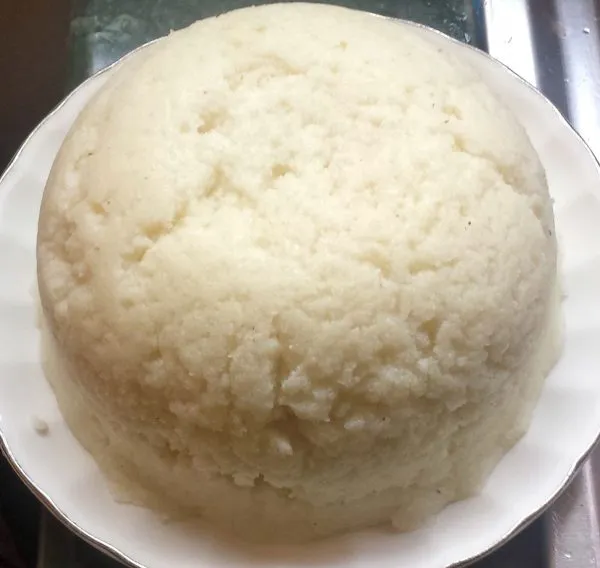
Ugali is white maize meal cooked with water into a firm, smooth mass, and it is the staple of Kenya, Tanzania and much of East and Southern Africa. It is not a flavoured dish and does not try to be. Its role is to anchor and complete a plate, and everything else is arranged in relation to it. Making it is a physical skill rather than a recipe. The cook works flour into boiling water over heat, stirring continuously against real resistance, until the mass pulls away from the sides of the pot and holds its shape. The ability to make good ugali is a basic domestic competence in Kenyan households, and a poorly made one is noticed and remarked on. It is eaten by hand. A portion is broken off, pressed between the fingers into a scoop, and used to lift stew, greens or fish. Ugali alone is not a meal; it is the constant against which the rest of the plate is judged. The same preparation runs across the region under other names: nsima and nshima in Malawi and Zambia, sadza in Zimbabwe, posho in Uganda, pap in South Africa. Sorghum, millet and cassava flour are all used in place of maize in different areas, and in Kenya nyama choma with kachumbari is the pairing most associated with it.
Kenya1 hr 20 minFoodChef