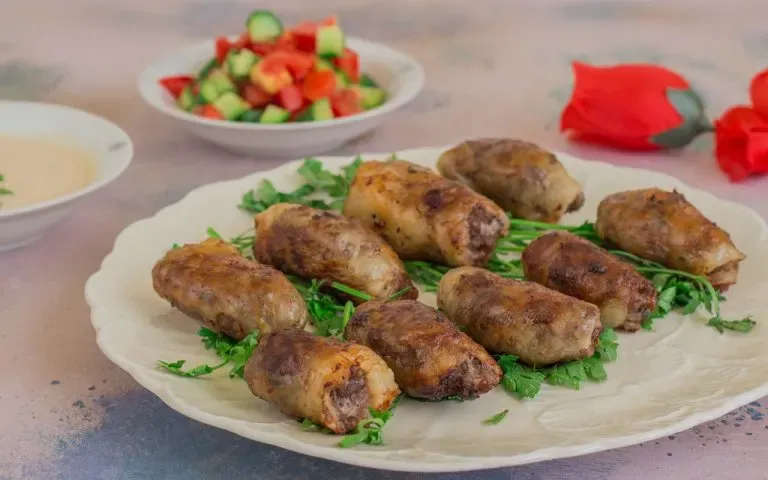
Tarb (Grilled Kofta Wrapped in Lamb Fat)
4.34.33 out of 5, 3 ratings1 hr 55 min


Cookies sur African Food Network
Nous utilisons des cookies essentiels au fonctionnement du site. Nous aimerions aussi déposer des cookies de mesure d’audience et des cookies publicitaires, uniquement avec votre accord. Vous pouvez choisir séparément pour chacun. Lire notre politique relative aux cookies

De Egyptian Meshabek à Kawaree (Cow Feet), de Egyptian Kofta à Swabaa Zainab. Toute la cuisine Egypt, telle qu'on la prépare chez soi.

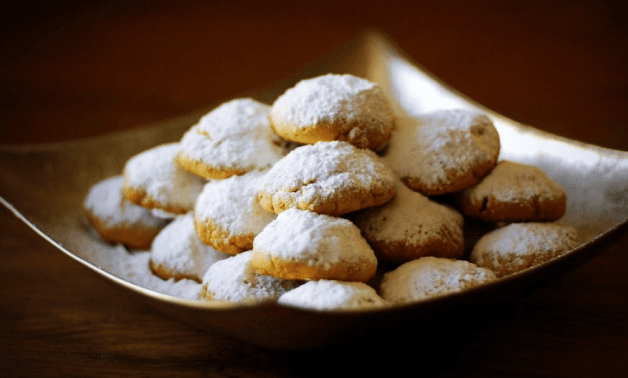
Ghorayebah is the Egyptian butter cookie, made with ghee and almost nothing else, and its whole character is texture. It is barely sweet, pale to the point of being off-white, and it disintegrates the moment it is bitten. Four ingredients make it: ghee, icing sugar, flour and a little vanilla, with baking powder for a very slight lift. The classic Egyptian version is flavoured with nothing beyond the ghee itself, which is the point of it. Elsewhere in the Arab world, in Syria and Lebanon particularly, it is flavoured with orange blossom and rose water, is slightly crunchier, and is pronounced graybeh. It also goes by ghraybeh and ghoraybeh. The comparison usually made is shortbread without the crunch, and that is fair as far as it goes. What ghorayebah has that shortbread does not is a fine, almost powdery crumb and a smooth finish with a faintly fuzzy outer surface. Two things produce it: ghee rather than butter, which contains no water, and a very low oven that dries the cookie without colouring it. It must not brown. A clove pressed into the centre of each is the traditional finish.
45 minEasyEgypt
Recette de FoodChef · Africook
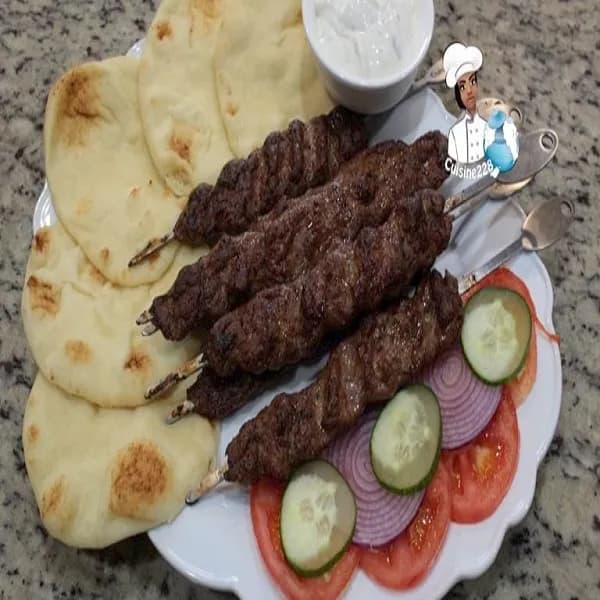
Des plats transmis de génération en génération
 Feteer Meshaltet (Egyptian Layered Pastry)1 hr 25 min · North Africa
 Halabessa (Egyptian Chickpea Drink)3 hr 40 min · North Africa
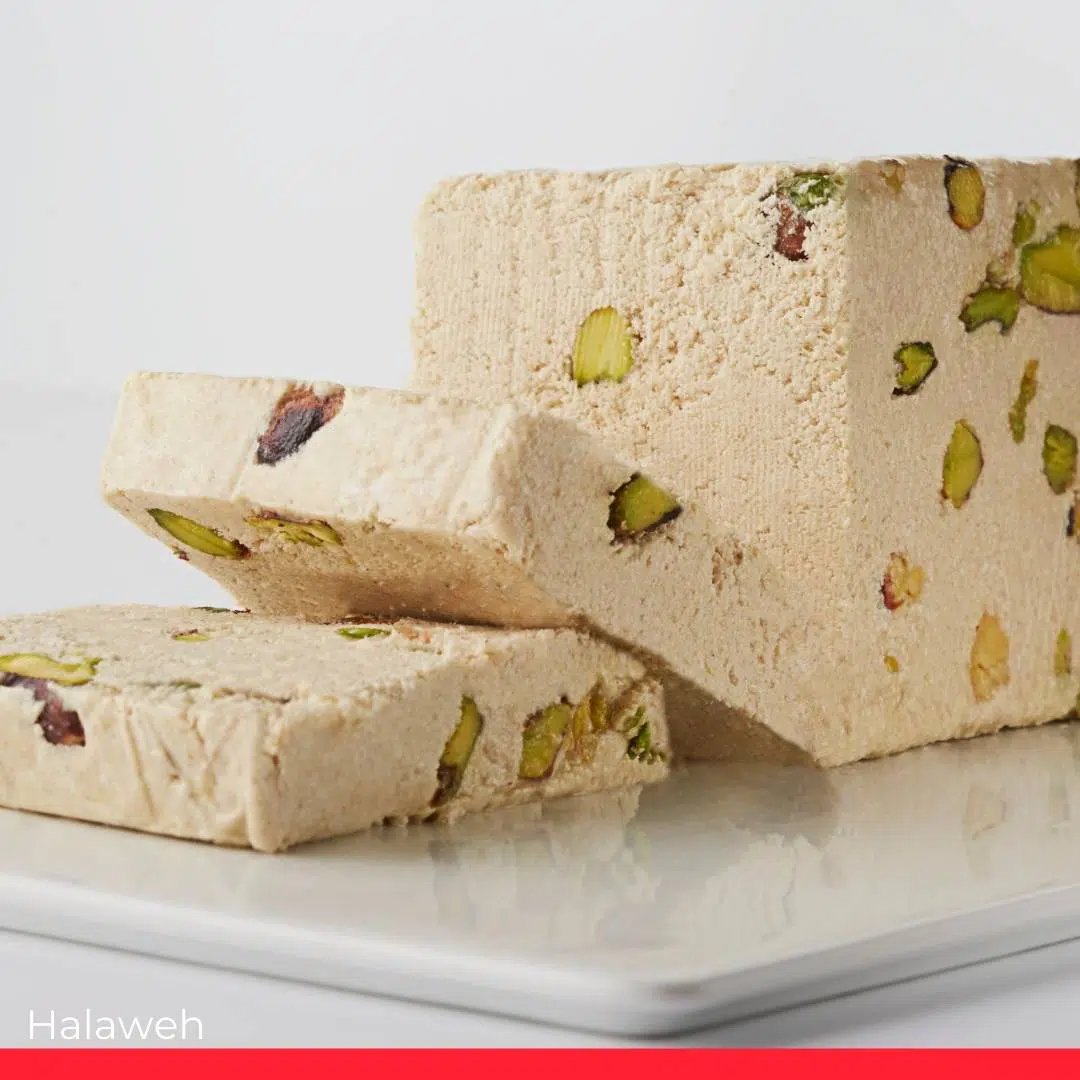 HalawehNorth Africa
 Hamam Mahshi (Egyptian Stuffed Pigeon)1 hr 30 min · North Africa
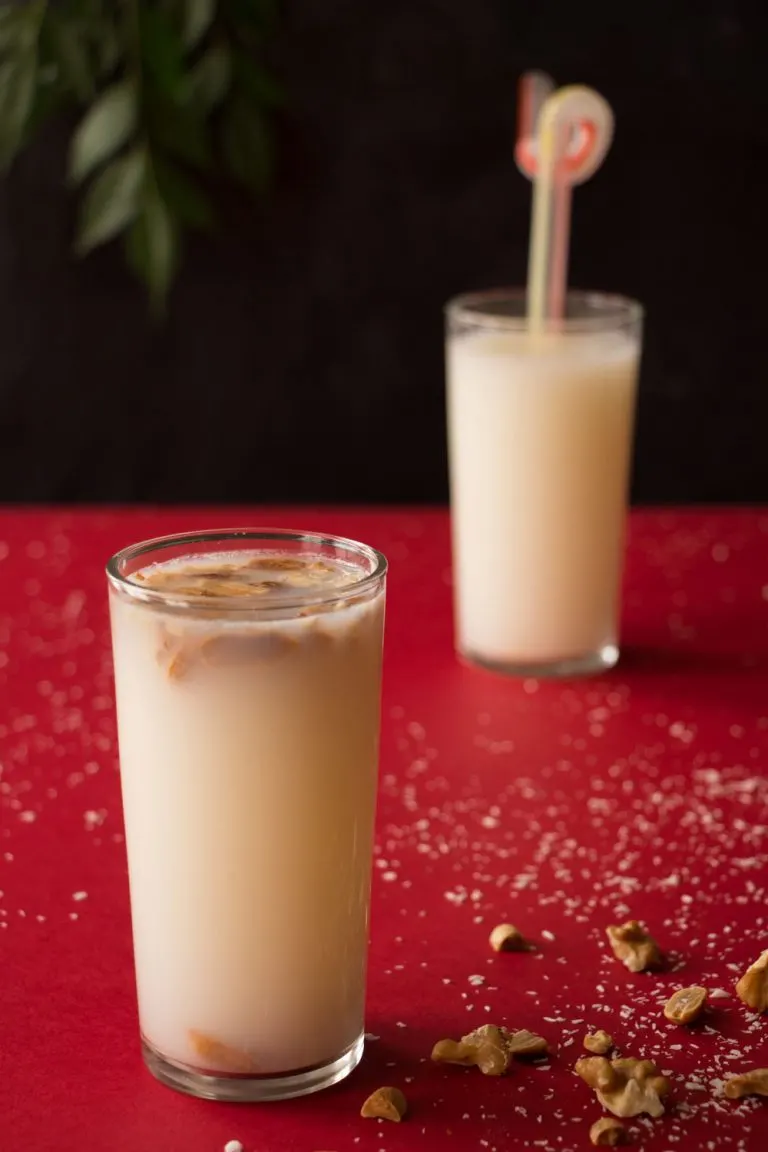 Egyptian Sobia DrinkNorth Africa
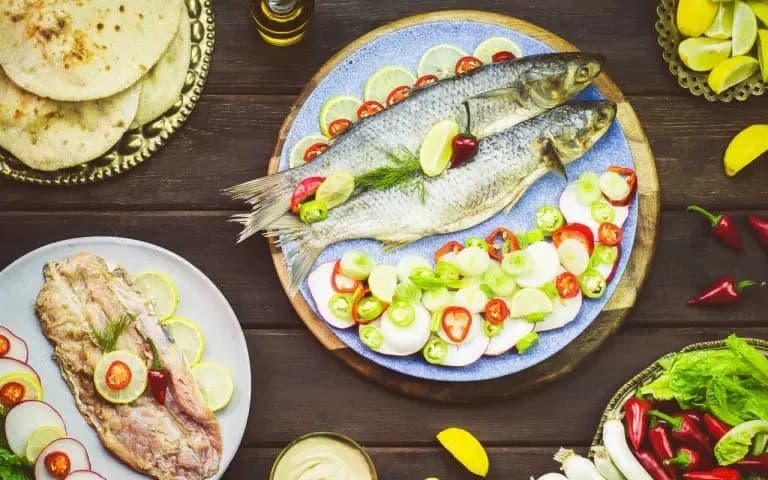 Feseekh (Egyptian Salted Fermented Fish)30 min · North Africa
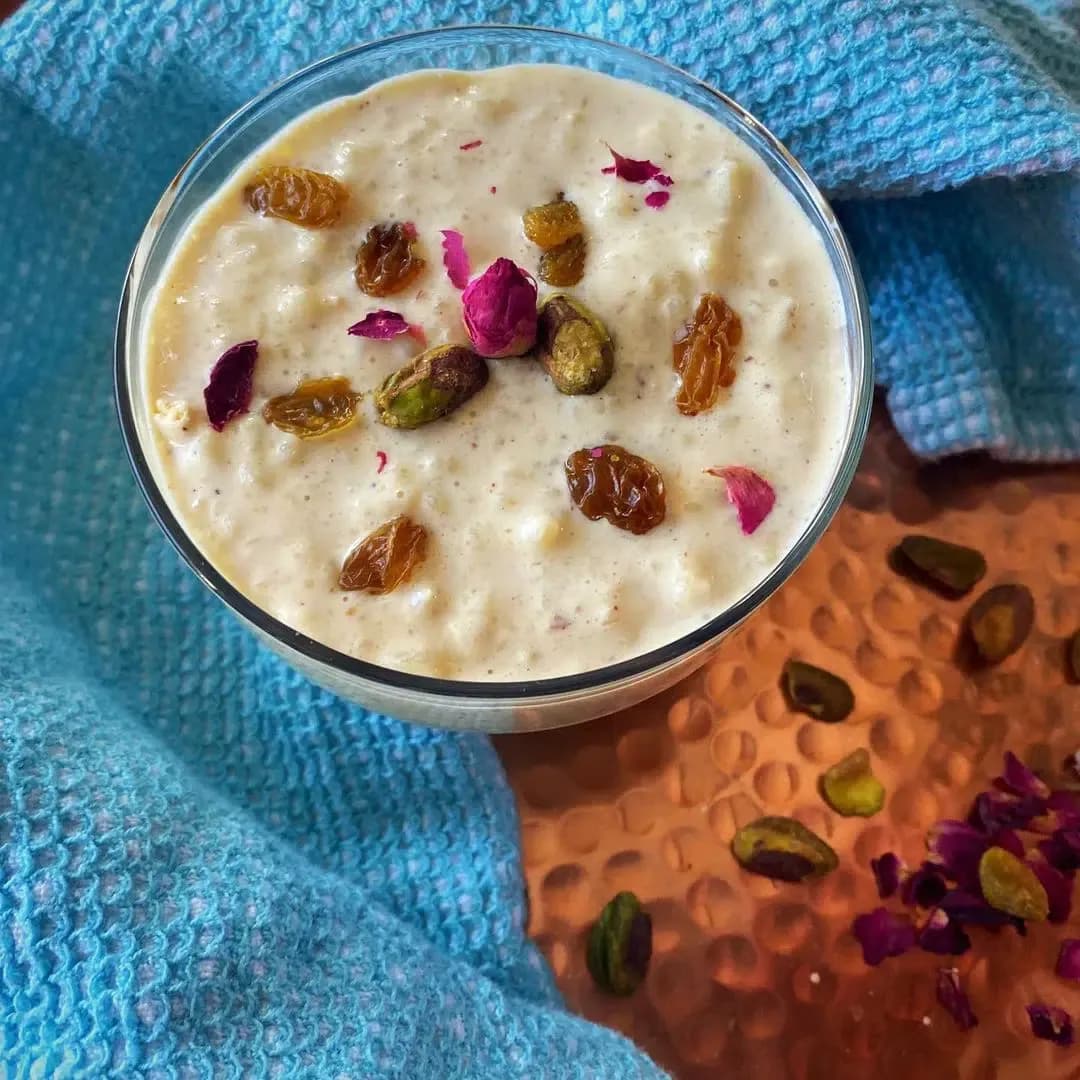 Roz bi Laban (Rice Pudding)North Africa
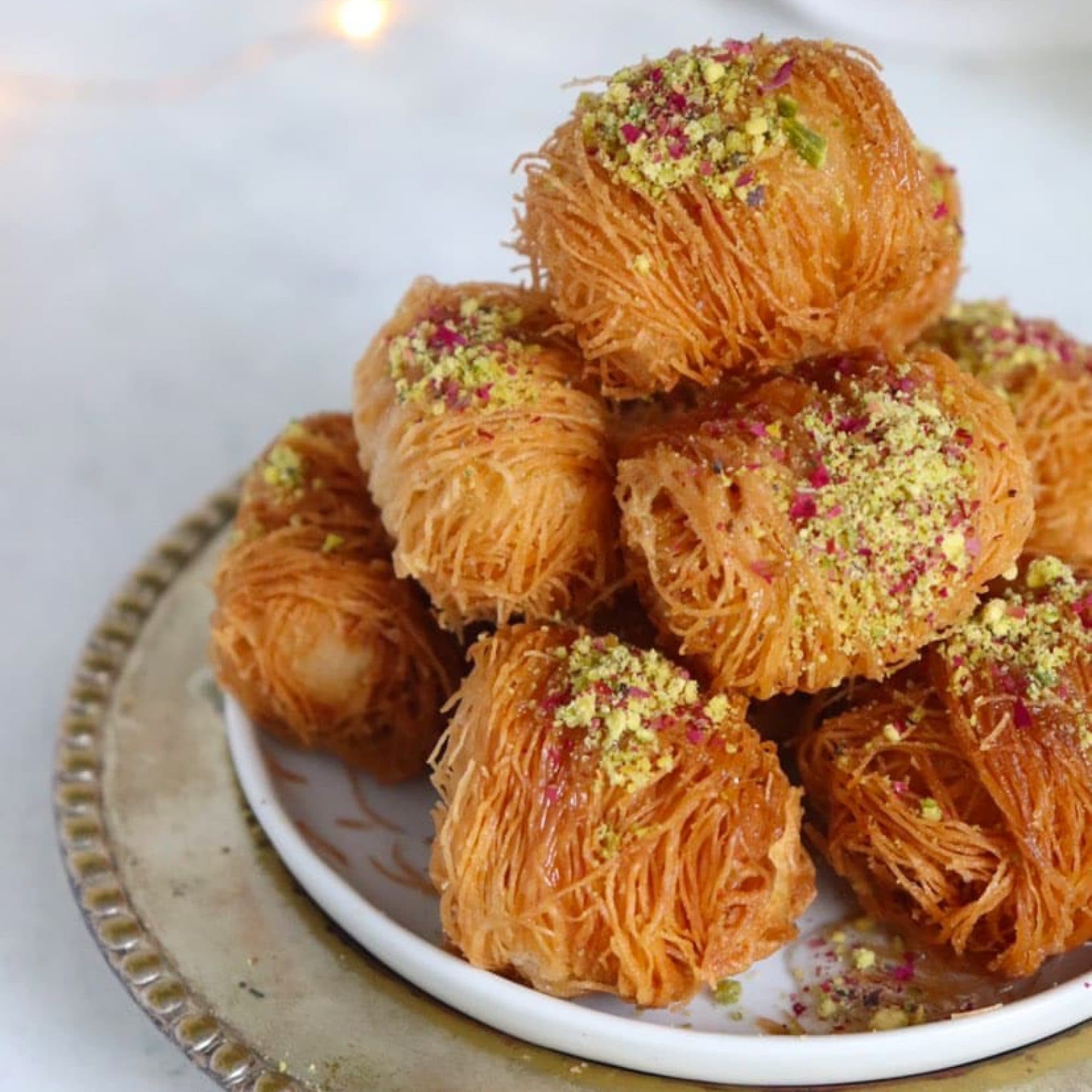 KanafehEast Africa