




Feseekh (Egyptian Salted Fermented Fish)
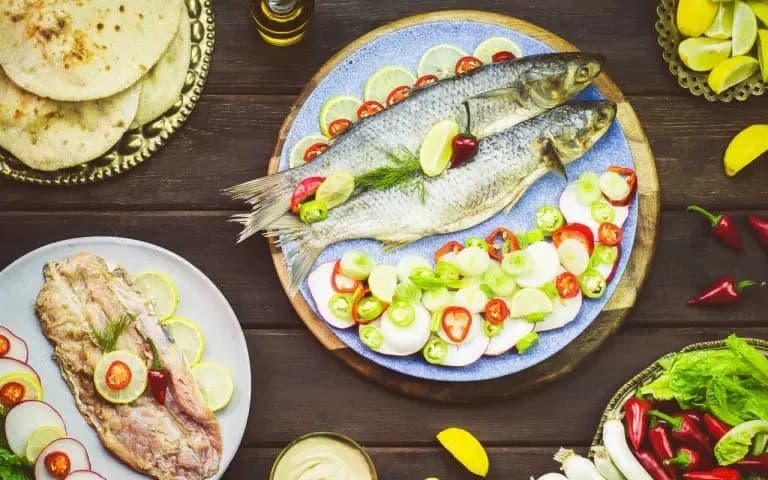
Feseekh is mullet salted heavily and left to ferment for two to three weeks until it turns silvery and develops its notoriously powerful smell. It is eaten at Sham El-Nessim, the Egyptian spring festival whose origins reach back to pharaonic times, and it is one of the oldest continuously eaten preparations anywhere. **This preparation carries a serious and well-documented food safety risk, and it must be stated plainly.** Improperly prepared feseekh causes botulism poisoning in Egypt every year, sometimes fatally, and the Egyptian health ministry issues public warnings before Sham El-Nessim annually. The conditions the method describes, fish sealed in airtight containers, without refrigeration, for weeks, are precisely those in which *Clostridium botulinum* produces its toxin. In Egypt feseekh is traditionally bought from licensed fassakhani, specialist salters who do this professionally, and the strong advice is to buy it from a reputable source rather than attempting it at home. The recipe is recorded here because it is a genuine and historically significant part of Egyptian foodways, and because AFN's job is to document rather than to omit. It is not recommended as a home project. One error worth noting: feseekh is made from mullet, and the source's ingredient list specifies herring, a different fish, and the basis of a different preparation, renga, which is eaten alongside it.
Egypt30 minBlessing