Nous utilisons des cookies essentiels au fonctionnement du site. Nous aimerions aussi déposer des cookies de mesure d’audience et des cookies publicitaires, uniquement avec votre accord. Vous pouvez choisir séparément pour chacun. Lire notre politique relative aux cookies

Loading
Recettes Côte d'Ivoire
Parcourez les archives par pays, par plat et par temps de cuisson.
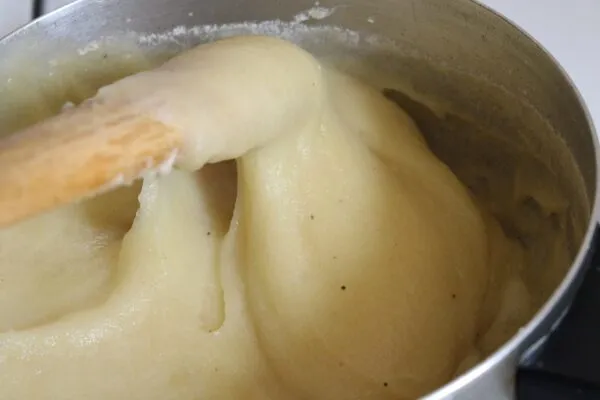
Fufu is starch pounded to a smooth elastic mass, and it is among the most widely eaten things in West and Central Africa. The word comes from Twi, spoken in Ghana and Côte d'Ivoire, where it means to mash or to combine, and the sound of a mortar and pestle working in rhythm is the sound of fufu being made.
What goes into it depends entirely on where you are. West Africa favours white yam, sometimes with plantain. Central Africa favours cassava. Plantain, cocoyam, semolina, rice and combinations of flours all appear, and each gives a different texture and a slightly different name. That variability is why fufu is better understood as a category than a recipe.
It crossed the Atlantic with enslaved West Africans and survived. Foo foo and fou fou in the Caribbean are made with plantain or cornmeal, coocoo in Barbados is the same idea, and Cuban, Jamaican and Puerto Rican versions carry sweet plantain and pork fat. Whatever the base, it is eaten the same way: a piece is pulled off with the fingers, an indentation is pressed in with the thumb, and it is used to scoop soup or stew. It is never eaten alone, and its slightly tangy, near neutral flavour is what lets a heavily seasoned soup do the talking.
Alaskan king crab legs, steamed briefly and served with melted butter and lemon. There is no African connection here and none is claimed: king crab is a cold-water North Pacific species fished off Alaska and the Russian Far East, and this is the standard American way of serving it.
The single most useful thing to know is that king crab legs are sold already cooked. They are steamed aboard the boat or on the pier immediately after they are caught, then frozen, because crab meat spoils very quickly once the animal dies. What you are doing at home is reheating, not cooking, and that is why every instruction here is measured in a few minutes rather than tens of them. Treat them like a raw ingredient and you will get rubbery, stringy meat.
The source is right to steer away from submerging them in water, which waterlogs the meat and washes out the flavour that the initial cooking sealed in. Steaming and a foil-wrapped spell in the oven both work because they warm the meat through without soaking it.
Africa has a long coastline and a serious crab tradition of its own, Ghanaian akotonshi, stuffed crab served in the shell, is on this site, but it is built around warm-water species, and king crab is not one of them.
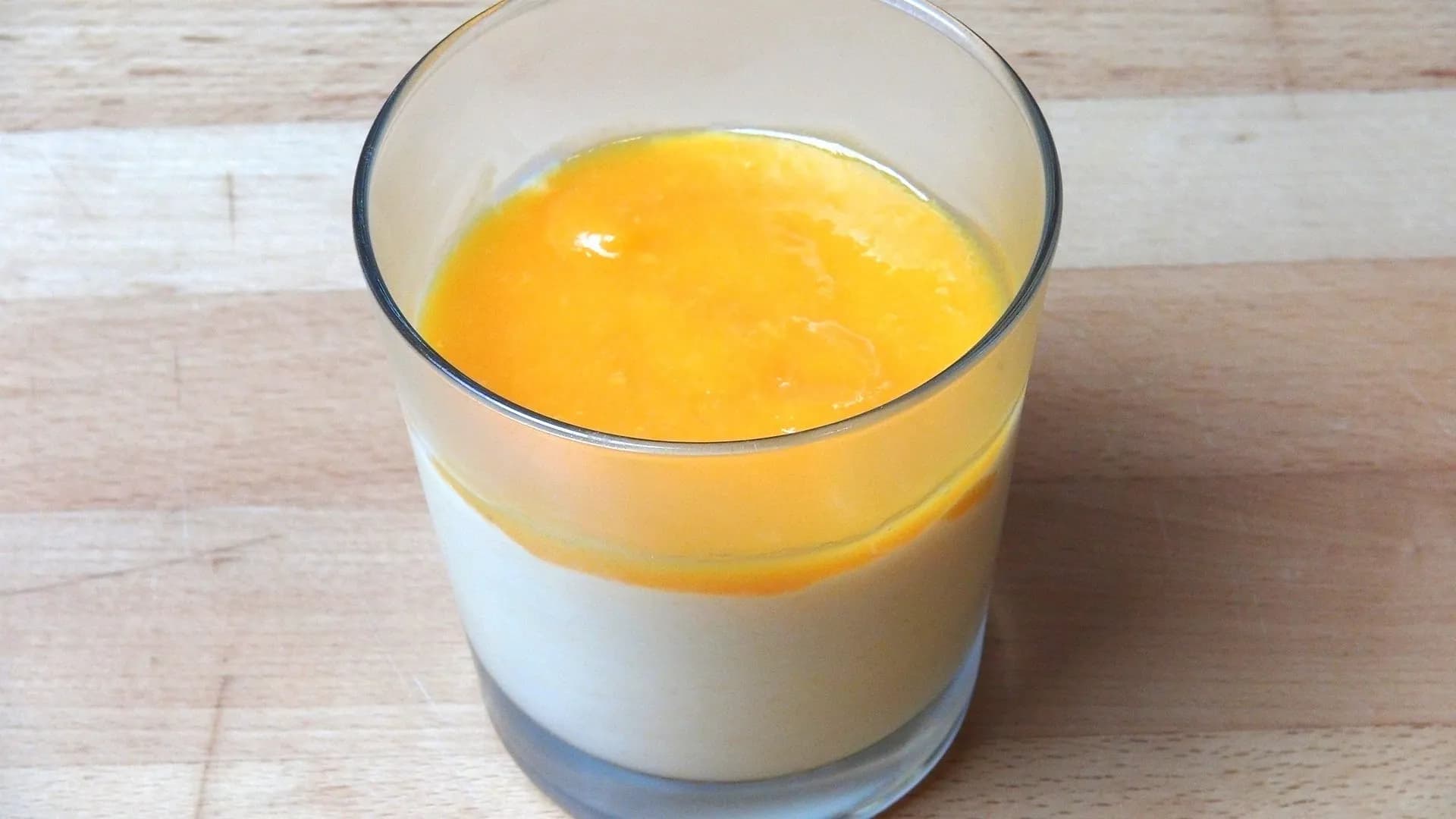
A fool is one of the oldest English desserts still made: fruit purée folded through cream and chilled until it sets. Gooseberry is the classic; mango is the tropical version, and this one is loosened with orange liqueur. Nothing is cooked at any point.
The form dates to sixteenth-century England, and the name most likely comes from the French fouler, to crush or press, describing what happens to the fruit. Mango fool is now made widely across South Asia, East Africa and the Caribbean wherever mangoes are abundant, usually with cream or yoghurt and often without any alcohol at all.
Two corrections to the source are worth stating. It is filed on this site under drinks, and it is not one, a fool is a set dessert eaten with a spoon. And its prose describes taking the dish off the heat and serving it hot, which does not match its own recipe: there is no heat involved anywhere. The source's nutritional claims have not been carried across either.
The Cointreau matters for a practical reason: as written this contains alcohol, which rules it out for children and for anyone avoiding it. Leaving it out costs the dish very little, since the mango and cream are doing the work.