


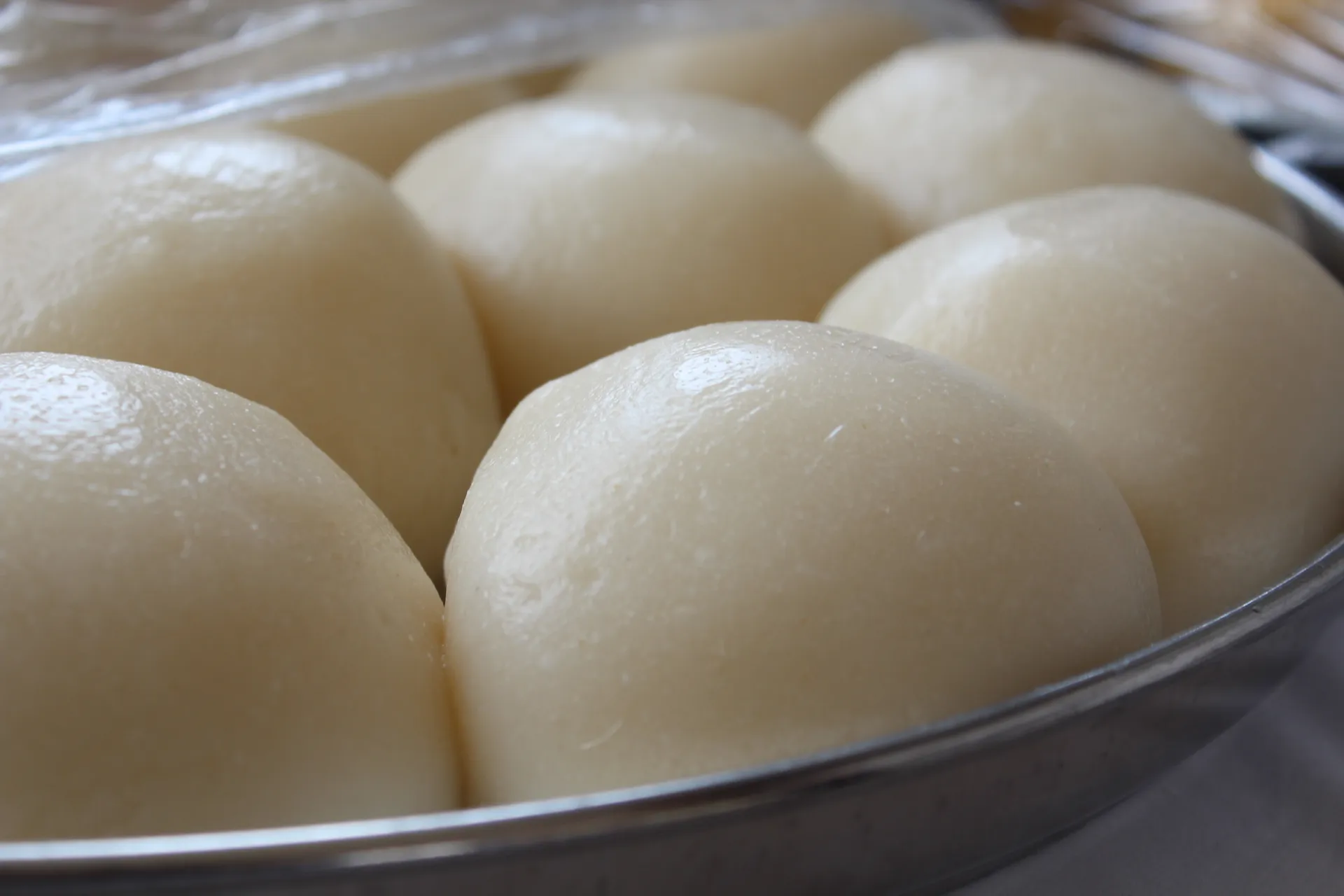
Placali
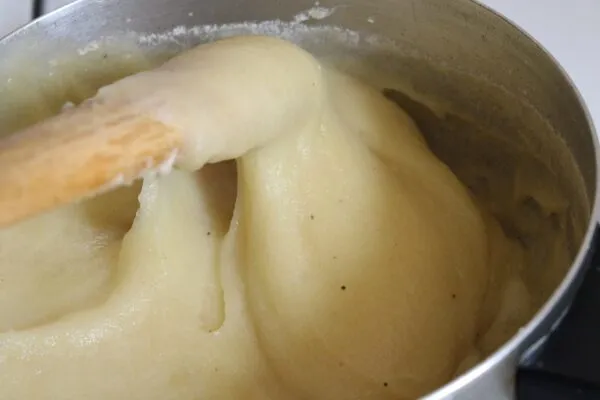
Placali is fermented cassava paste, cooked to a smooth elastic mass and eaten with soup. It is one of the principal swallows of Côte d'Ivoire, and it is also eaten in Togo, where it is known as agbelima koumè. The fermentation is what separates it from the many other cassava preparations of the region. Cassava is grated, crushed and left for two days before any cooking, and the acidity that develops gives placali a distinct sourness that plain cassava fufu does not have. The texture is looser and stickier than pounded fufu, and it is deliberately kept that way: the amount of water left in before cooking decides how soft the finished placali will be, and Ivorian cooks adjust it to preference. Cassava reached West Africa from South America through Portuguese Atlantic trade, and Côte d'Ivoire has built an unusually large part of its food on it. Attiéké, the fermented cassava couscous, gari and tapioca all come from the same root, and placali sits alongside them as the swallow form. It is eaten with palm nut soup, okra sauce or kpala, and the pairing with a rich palm based soup is the one most associated with it.
Côte d'Ivoire50 minAnthonyJ