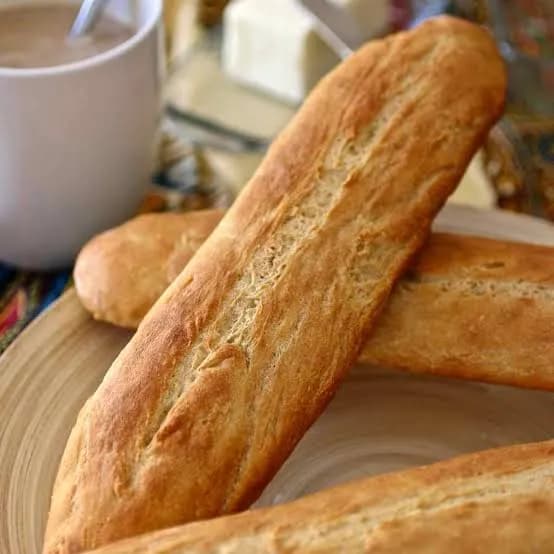
Tapalapa
4.54.5 out of 5, 2 ratings2 hr


Cookies sur African Food Network
Nous utilisons des cookies essentiels au fonctionnement du site. Nous aimerions aussi déposer des cookies de mesure d’audience et des cookies publicitaires, uniquement avec votre accord. Vous pouvez choisir séparément pour chacun. Lire notre politique relative aux cookies

Parcourez les archives par pays, par plat et par temps de cuisson.

Djablani is a Malian drink of ginger, lemon and baobab, served cold and sharply flavoured. It belongs to the family of fresh homemade drinks sold in bags and bottles across West Africa, alongside bissap made from hibiscus and dakar made from tamarind, prepared in quantity in households and sold by the roadside. The baobab is what places it. The tree grows across the Sahel and is one of the defining plants of the Malian landscape, distinctive in shape, able to survive extreme heat and poor soil, and long lived on a scale that has made it a landmark in its own right. Its fruit gives a pale tart pulp used in drinks and porridges across the region, and its leaves are dried and ground for soup. Ginger carries the rest. West African ginger drinks are made strong, and the heat in a properly made djablani is genuine rather than suggested, which is what the sugar and the lemon are there to balance. It is served cold, often with mint, and it is refreshment in a climate where that word means something specific. Fresh drinks of this kind are a category of their own in West African hospitality: made at home, given to guests, and sold cheaply on the street.
Les mieux notées
15 minEasyMali
Recette de Deborah · Africook
Des plats transmis de génération en génération
 Vegan Suya (Spiced Grilled Mushrooms)30 min · West Africa
 Zalabya (Egyptian Syrup Doughnuts)1 hr 55 min · North Africa
 Samaki wa Kukaanga (East African Fried Fish)50 min · East Africa
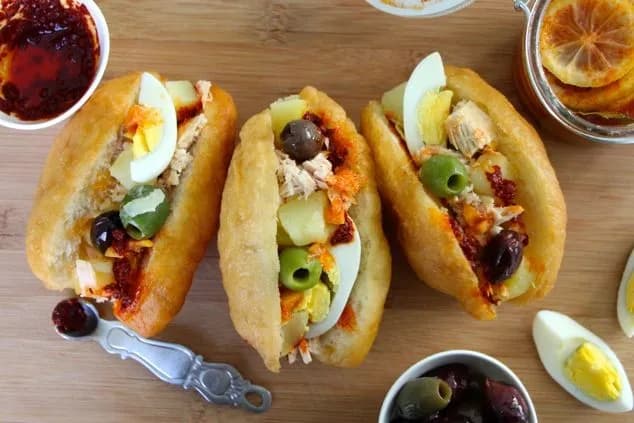 Tunisian Fricassé1 hr 55 min · North Africa
 Accra Banana (Cameroonian Banana and Cassava Fritters)45 min · Central Africa
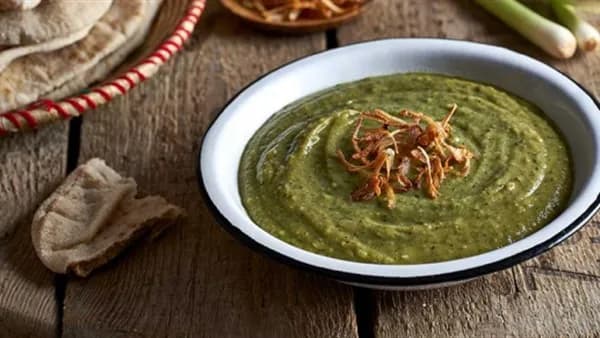 Bessara (Moroccan Fava Bean Purée)1 hr 30 min · North Africa
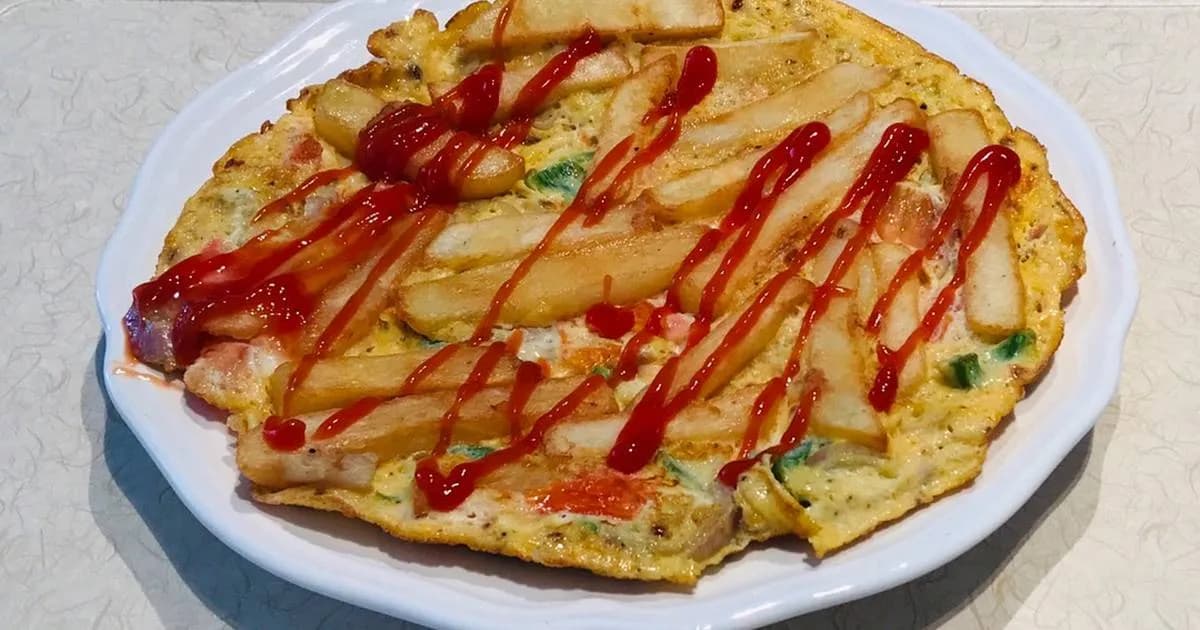 Chips Mayai (Tanzanian Chip Omelette)30 min · East Africa
 Egyptian Koshari41 min · North Africa