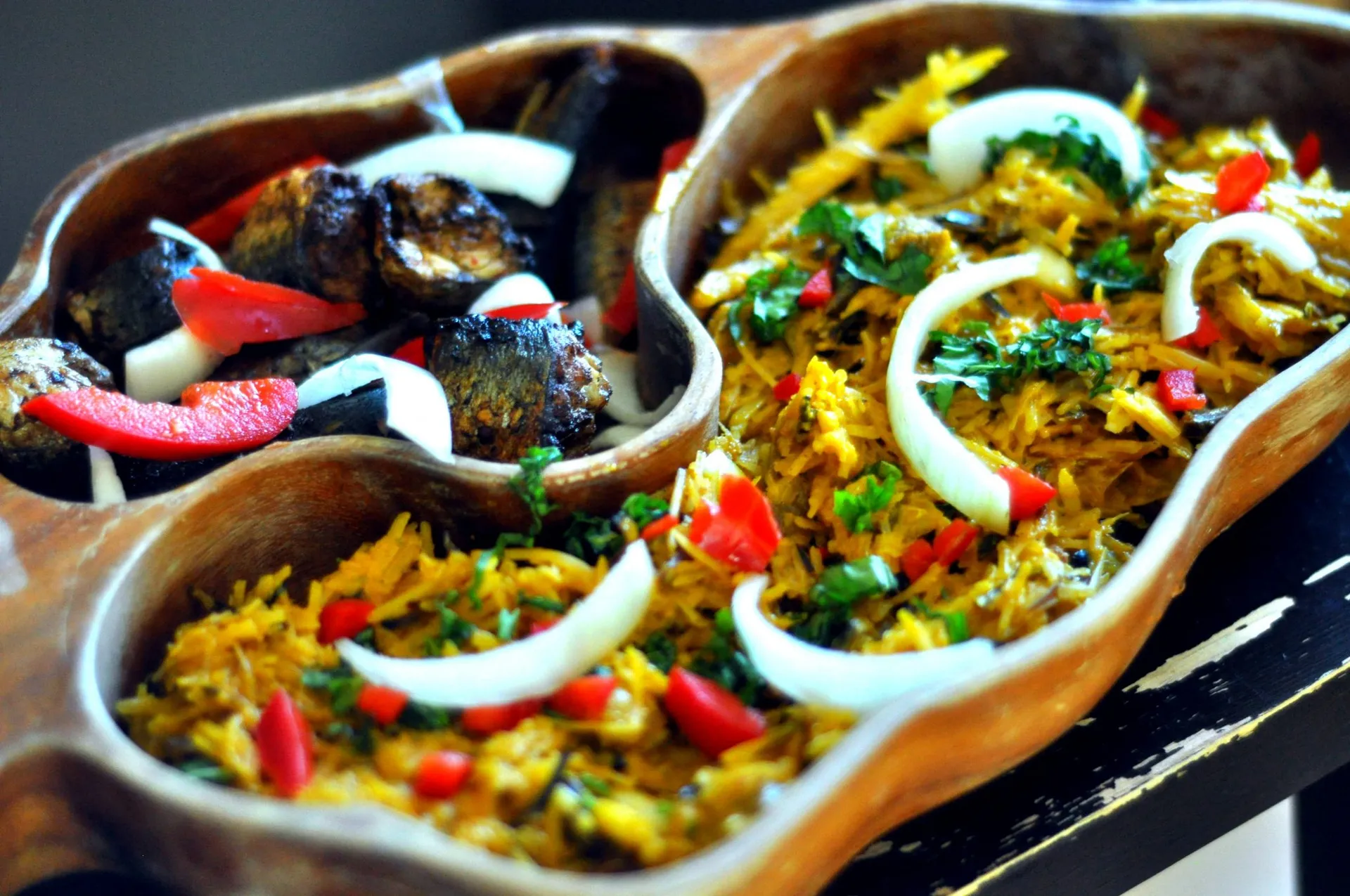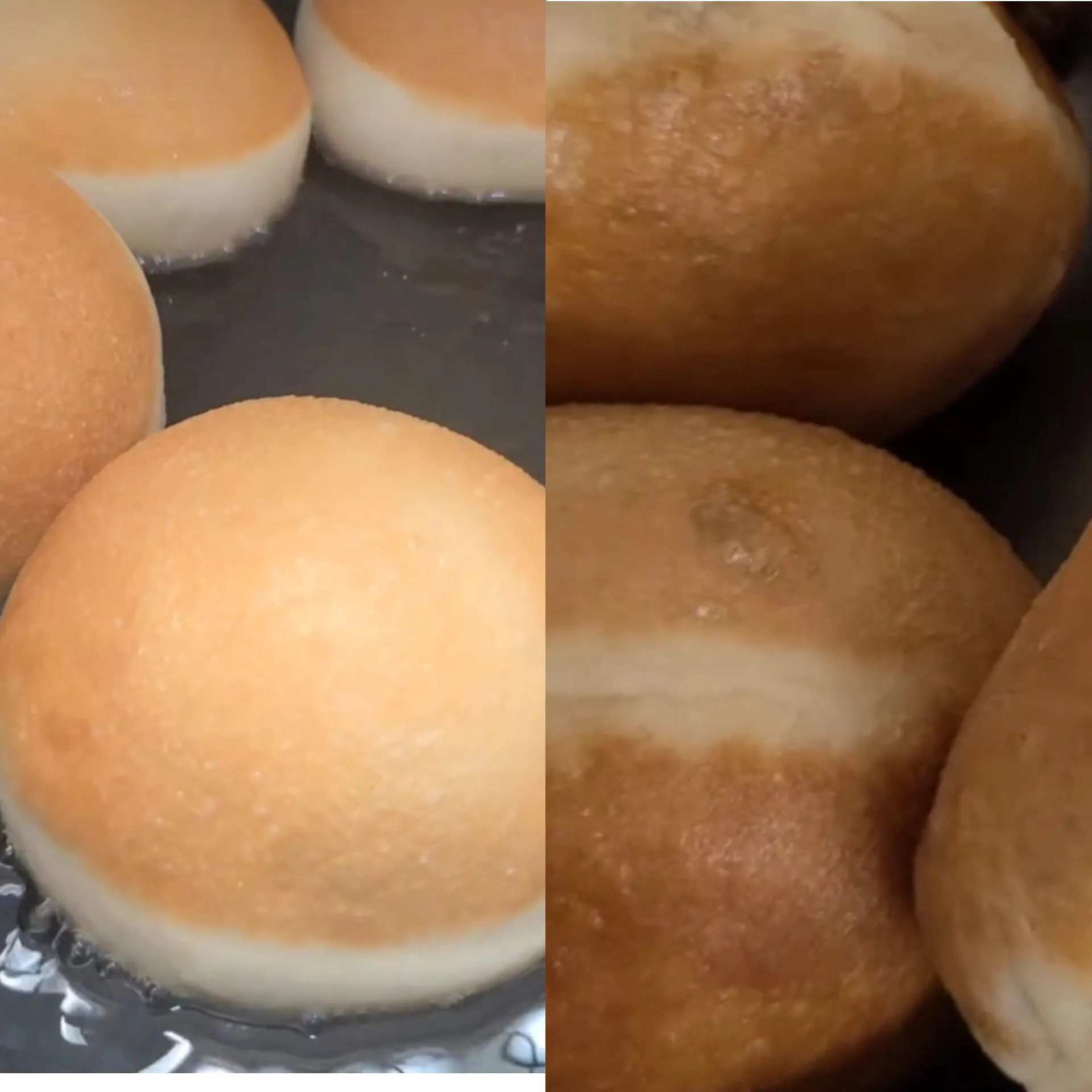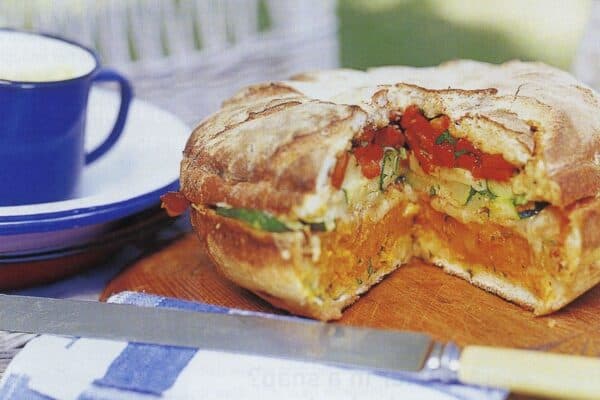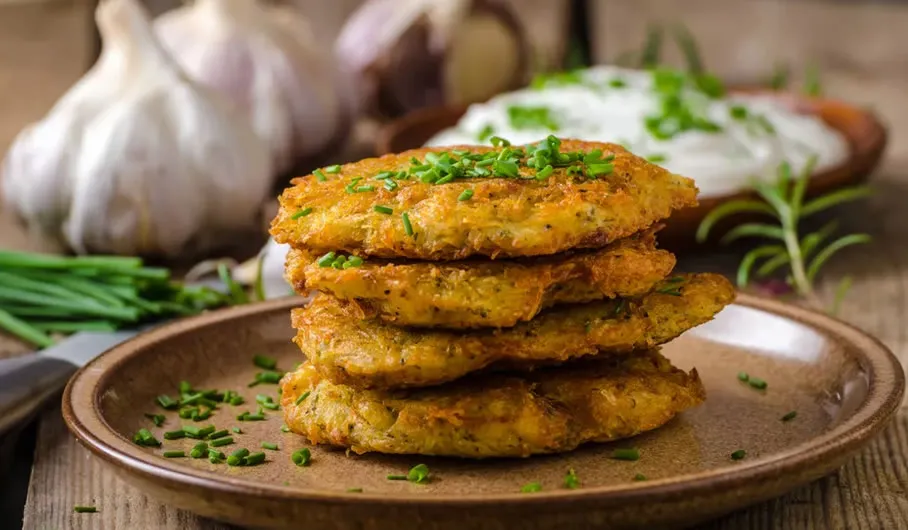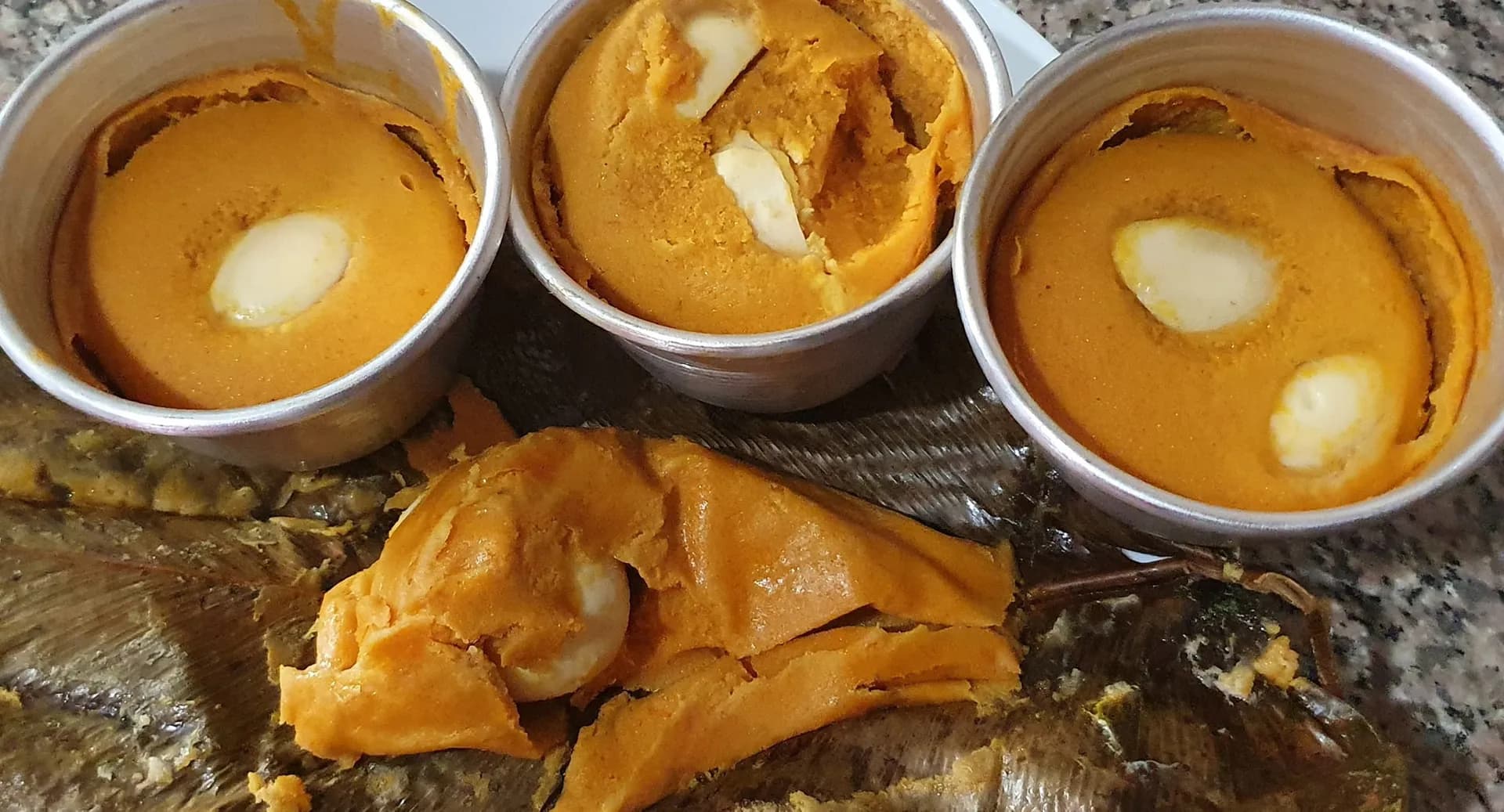
Moi Moi / Moin Moin
4.34.25 out of 5, 4 ratings1 hr 30 min


Cookies sur African Food Network
Nous utilisons des cookies essentiels au fonctionnement du site. Nous aimerions aussi déposer des cookies de mesure d’audience et des cookies publicitaires, uniquement avec votre accord. Vous pouvez choisir séparément pour chacun. Lire notre politique relative aux cookies

Parcourez les archives par pays, par plat et par temps de cuisson.
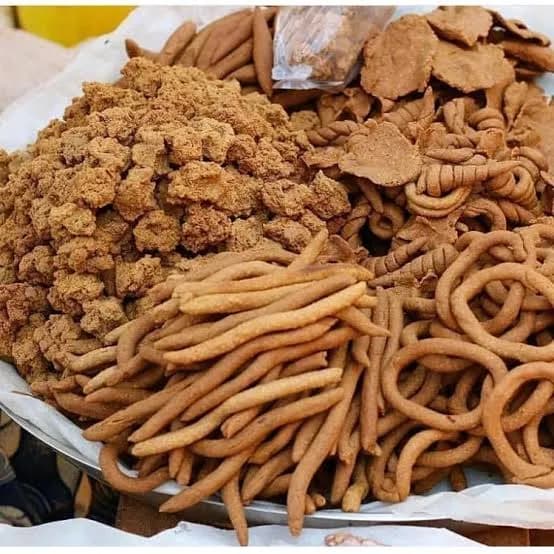
Kuli kuli is a peanut snack eaten across Nigeria, Benin, northern Cameroon and Ghana, and it is one of the most widely recognised street foods in West Africa. It is made from peanuts alone, and the technique is what makes it: the oil is deliberately pressed out of the ground paste before the remaining solids are shaped and fried. That extraction is the point. Removing the oil leaves a dense, dry paste that fries into something genuinely crunchy rather than soft, and it also produces the frying oil as a by-product, so nothing is wasted. It is a piece of processing knowledge that predates industrial oil pressing and is still done by hand in Hausa communities in northern Nigeria, where the snack has its strongest association. It takes different shapes in different places: small sticks, rings, flat discs and irregular pieces are all standard, and the form varies by region and by seller. English names for it, groundnut cake and peanut snack among them, are approximations rather than translations. Kuli kuli is eaten on its own, mixed into garri with sugar and water, crumbled over salad, or served alongside fura and koko. Crushed to a powder it becomes the peanut component of suya spice, which is where most people outside the region encounter it without knowing.
Les mieux notées
35 minMediumNigeria · West African
Recette de Blessing · Africook
Des plats transmis de génération en génération
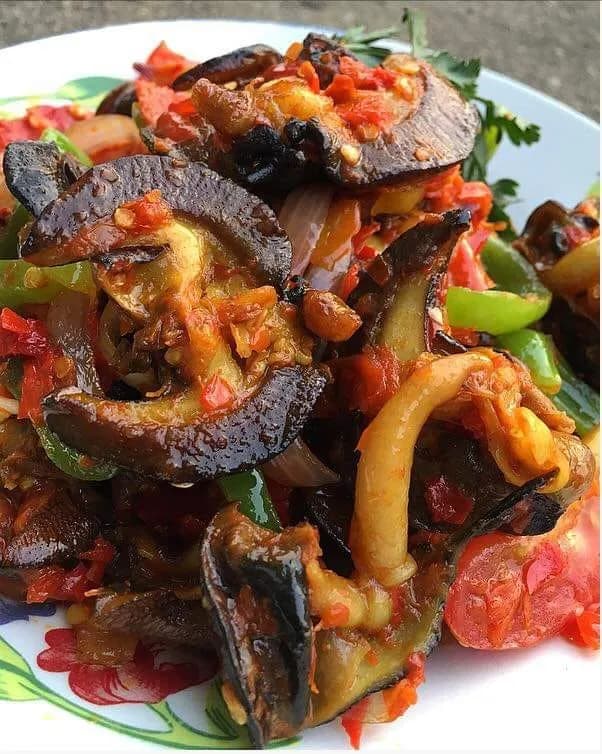 Peppered Snail: Spicy Nigerian Finger Food55 min · West Africa
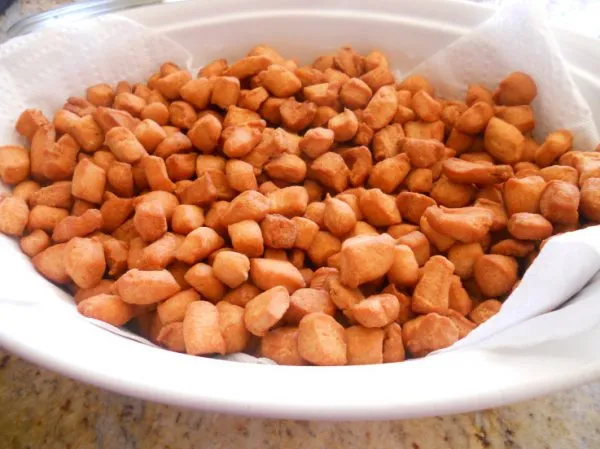 Chin Chin50 min · West Africa
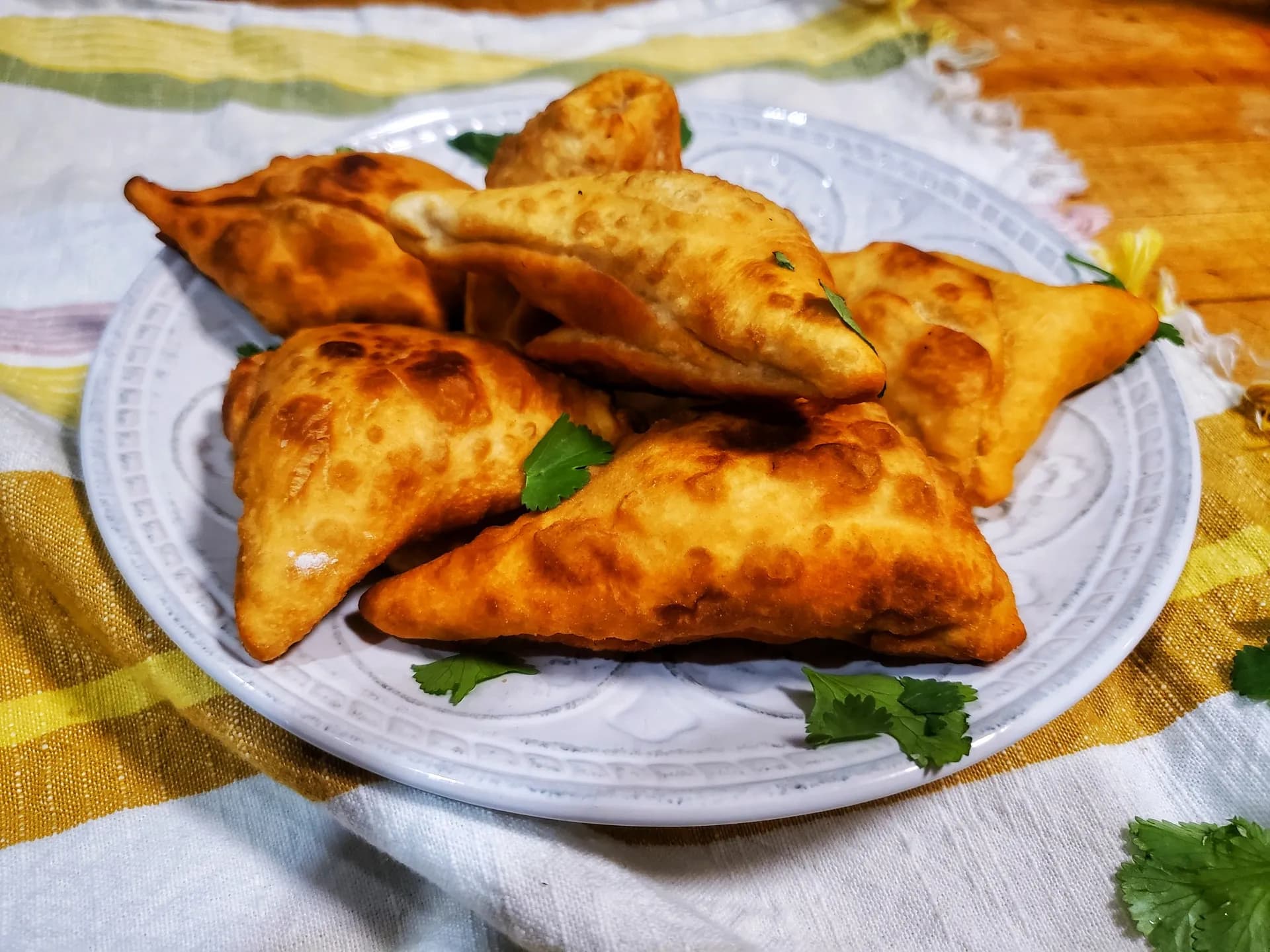 Sambusas1 hr 10 min · East Africa
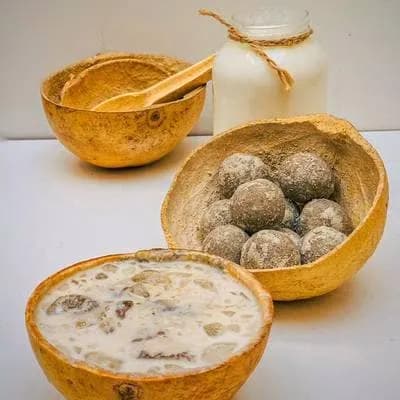 Fura Da Nono30 min · West Africa
 Senegalese Fataya1 hr 15 min · West Africa
 Vetkoek (South African Fried Bread)45 min · Southern Africa
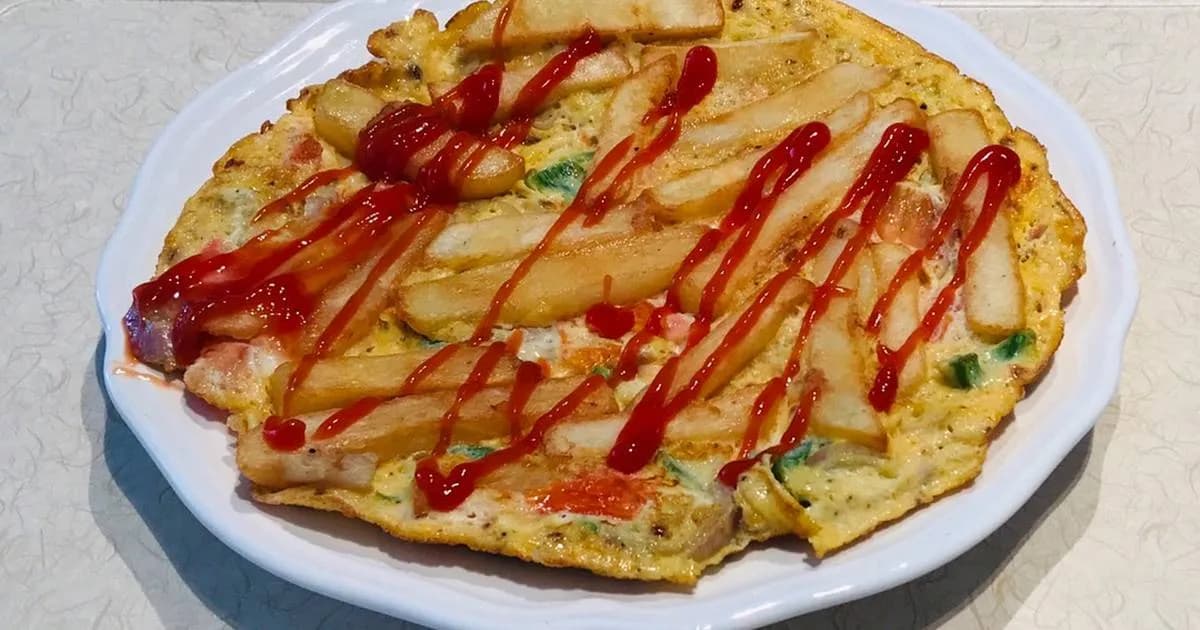 Chips Mayai (Tanzanian Chip Omelette)30 min · East Africa
 Gizdodo (Gizzard and Plantain)55 min · West Africa