Nous utilisons des cookies essentiels au fonctionnement du site. Nous aimerions aussi déposer des cookies de mesure d’audience et des cookies publicitaires, uniquement avec votre accord. Vous pouvez choisir séparément pour chacun. Lire notre politique relative aux cookies

Loading
Recettes
Parcourez les archives par pays, par plat et par temps de cuisson.
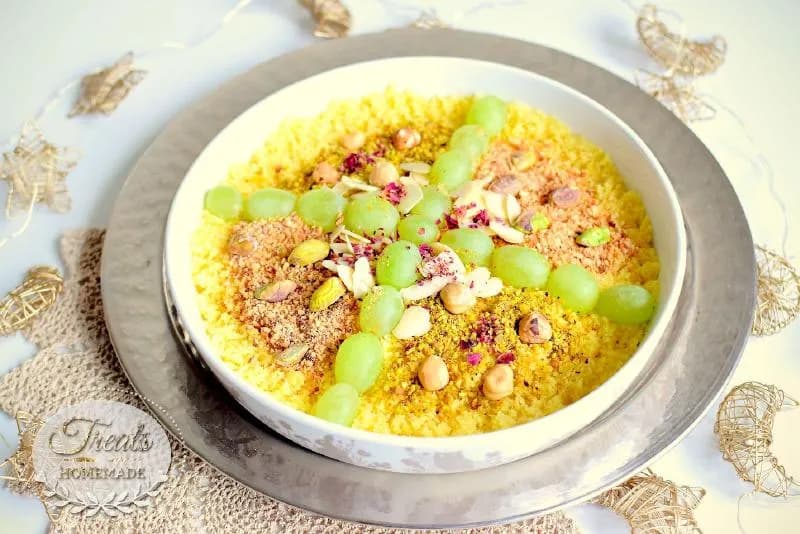
Belila is Egyptian wheat porridge: whole wheat berries cooked until they burst, served warm in hot milk with toasted almonds and cinnamon. It is a breakfast dish, and it is equally at home as a snack or a filling dessert.
Whole wheat berries are the point, and they are quite different from any milled grain. Left whole, they hold their shape and burst open rather than dissolving, giving a chewy, almost popping texture that no flour or flake reproduces. The fuller Egyptian version carries anise seed and golden raisins in a light syrup alongside the milk and almonds, which is worth knowing since neither appears in this recipe's ingredient list.
The method is soaking rather than long cooking. The berries are covered with boiling water and left overnight, then cooked briefly and rested off the heat until they pop open. Cooked wheat berries should be kept in the fridge undrained, and portions warmed with hot milk poured over as needed, which makes it a practical thing to have prepared in advance. It is eaten by children and adults alike and is regarded as comfort food at any hour.
Ta'ameya is Egyptian falafel, and the difference from every other falafel is the bean. Egypt makes it from dried split fava beans; Lebanon, Israel and most of the Levant use chickpeas, or a mixture. The fava gives a paler, softer, greener interior and a distinctly different flavour, and Egyptians will tell you theirs came first.
It is breakfast food above all. Ful wa ta'ameya, fava bean stew with falafel, is the standard Egyptian morning meal, and the phrase names the pair together. The ful is cooked overnight in a large round pot called a qedra, and the ta'ameya is fried fresh in the early hours, so the smell of hot oil on the way to school or work is a shared memory rather than an individual one.
Herbs are the other distinction. Parsley, coriander and dill go into the paste in quantity, which is what gives the interior its green colour, and the whole mixture is traditionally pounded in a large stone mortar. Sesame seeds are pressed onto the outside before frying in many versions, giving a crust that chickpea falafel does not have. It is eaten with tahini and baladi bread, and it is one of the cheapest complete meals in the country.
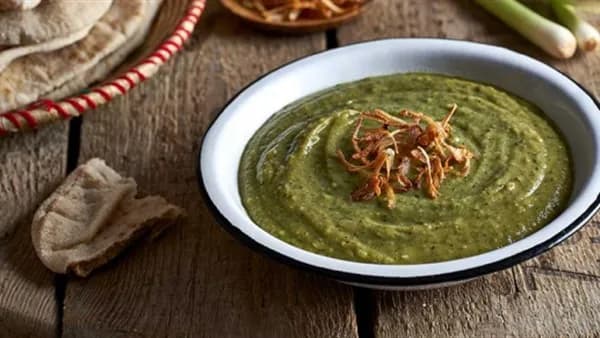
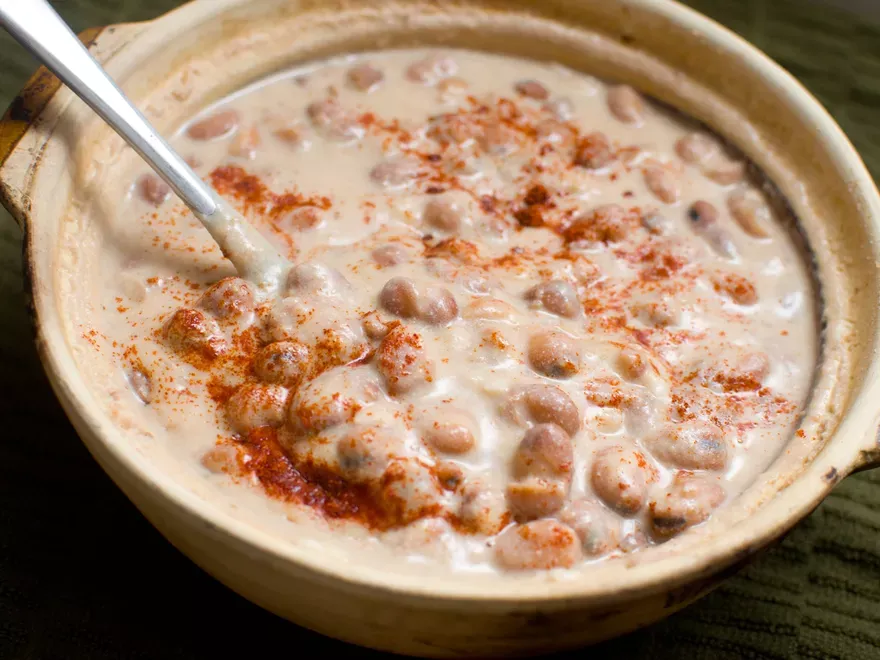
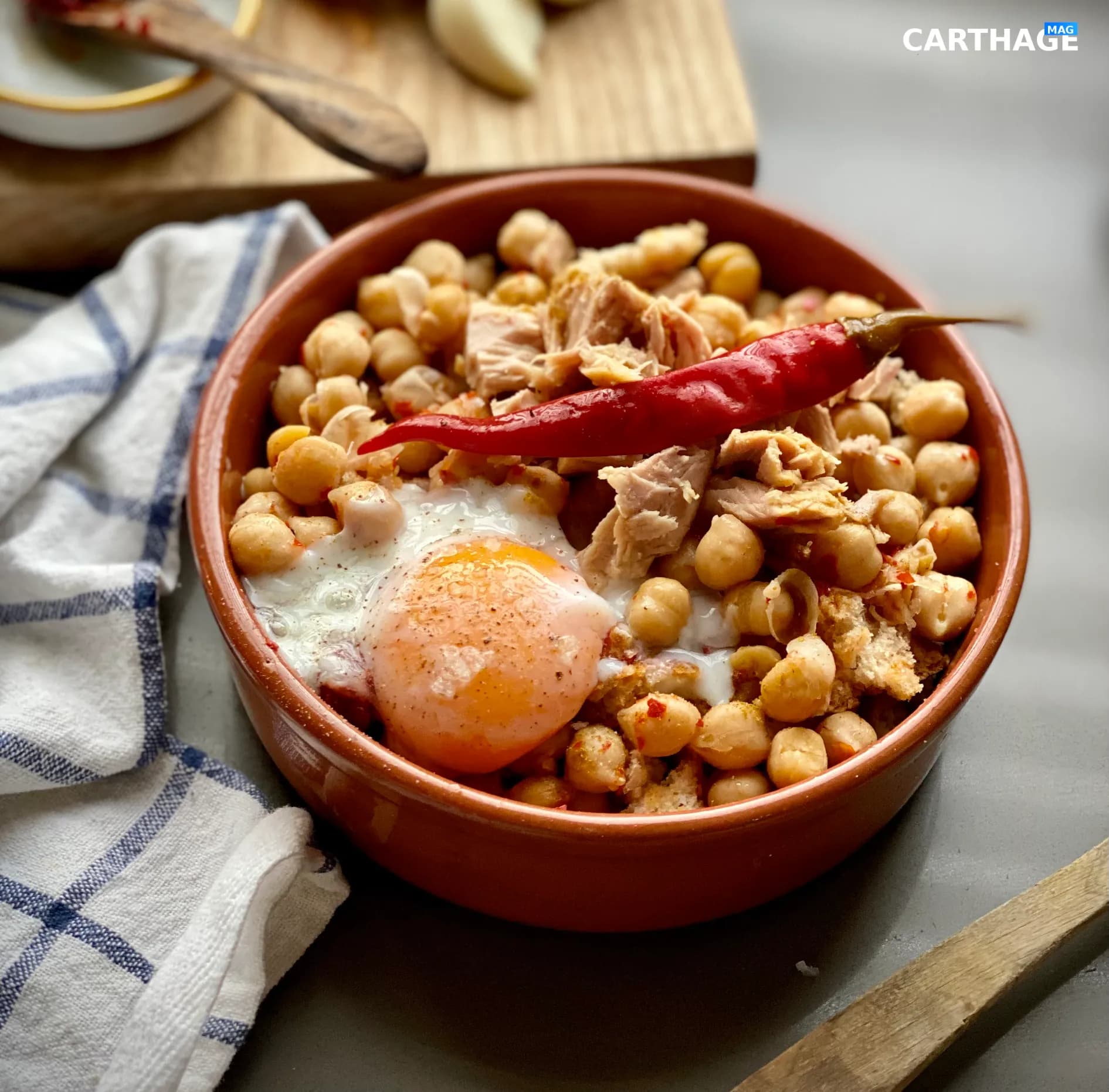
Ful medames is stewed fava beans dressed with olive oil, cumin, garlic and lemon, and it is Egypt's national dish. It is eaten at any hour, though breakfast is when it belongs most, and it is sold from carts across Cairo and Giza in the mornings.
Traditionally it is cooked and served in a large metal jug, the qedra, over a very long slow heat, often overnight, which is why street ful has a depth that a quick home version does not. What the beans are dressed with varies endlessly: parsley, onion, chilli, tomato, hard eggs, tahini.
Its versions across the region are worth knowing. In Somalia, fuul is a breakfast staple served with eggs and laxoox or canjeero flatbread, spiced with xawaash, the blend of cumin, coriander, cardamom, cloves, turmeric and more that makes it noticeably hotter than the Egyptian version. In Morocco it is bissara, made from fava beans and split green peas cooked with garlic, eaten especially in the north during cold weather. This particular recipe includes tahini, which is a Levantine addition rather than a classic Egyptian one, and it uses tinned beans rather than the overnight cook.
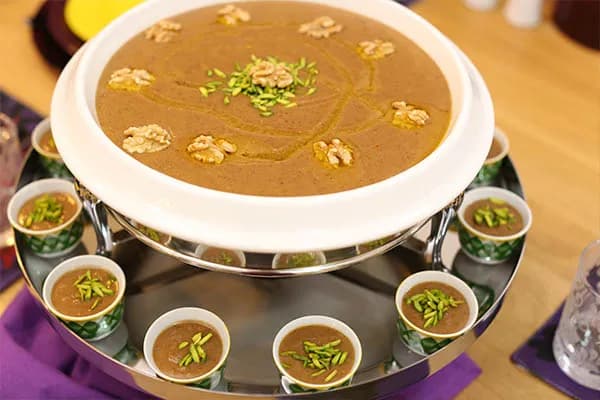
Asida is a cooked flour pudding from the Maghreb, eaten with honey or date syrup and melted butter. Its first recorded appearance is in the Arabic cookbook Kitab al-Tabikh, around the tenth century, which makes it one of the older dishes in this collection with a documented date.
It is communal food. Like bazeen, asida is served on a large flat plate called a gas'a and eaten with the fingers, though spoons are used. The distinction the source draws between the two is worth keeping: bazeen has Amazigh origins and is purely North African, while asida has an Arabic name and versions of it are made across the Arabian Peninsula as well.
In Libya it is a breakfast dish, eaten to carry someone through a working day, and it appears at celebrations: births, Eid, Mawlid. The plain version is simply flour cooked in water, turned out, and served with a hollow pressed into the top for honey or date syrup, with melted butter or ghee poured around it. This particular recipe is a considerably richer version built on a date paste with cardamom, cinnamon, fenugreek, saffron, rose water and walnuts, which is a celebration preparation rather than the everyday one.