Nous utilisons des cookies essentiels au fonctionnement du site. Nous aimerions aussi déposer des cookies de mesure d’audience et des cookies publicitaires, uniquement avec votre accord. Vous pouvez choisir séparément pour chacun. Lire notre politique relative aux cookies
Loading
Recettes
Parcourez les archives par pays, par plat et par temps de cuisson.
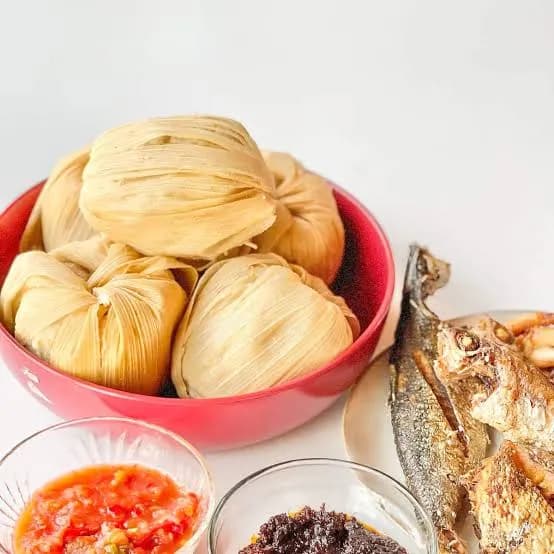
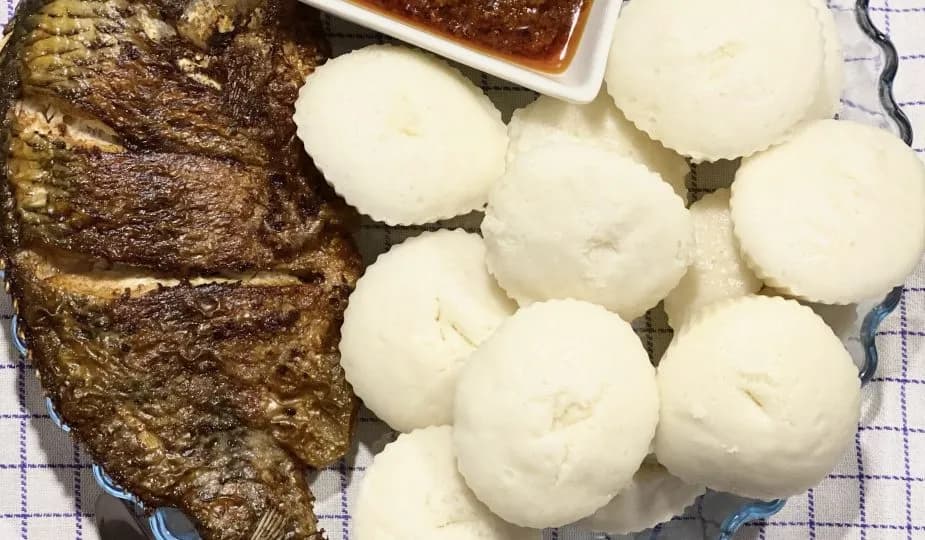
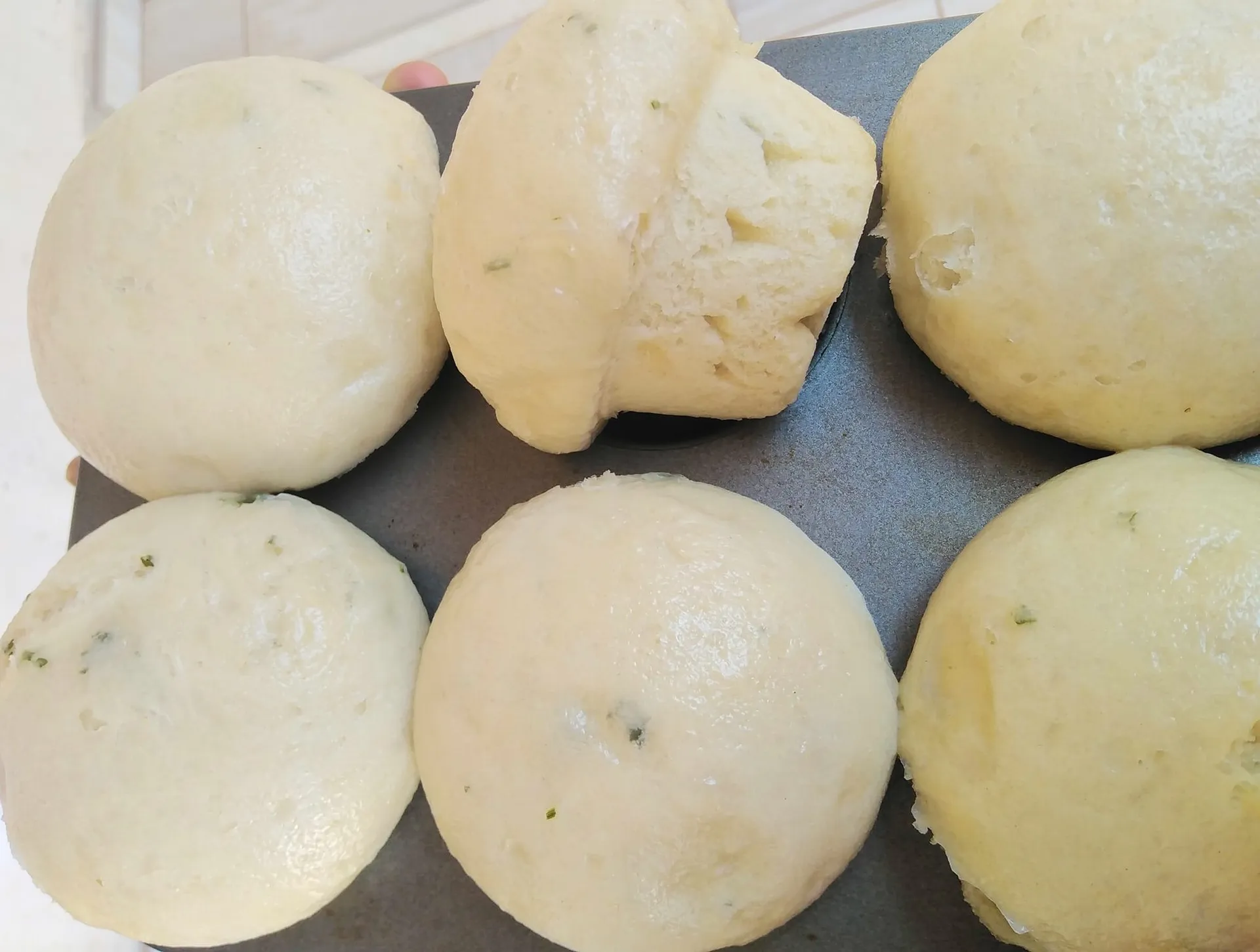
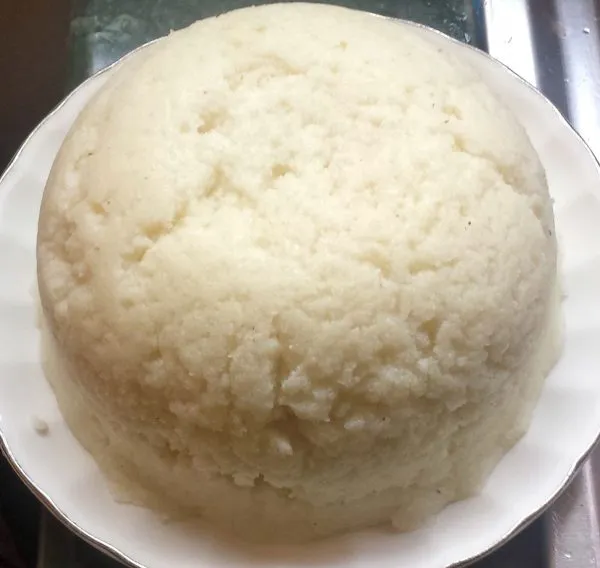
Wasawasa is made from yam peelings. Not yam, but the skin that most kitchens discard: dried, ground into flour, and steamed into a coarse grain that eats something like couscous. It is a dish that exists because nothing was wasted, and it has outlived the scarcity that produced it to become a food people specifically want.
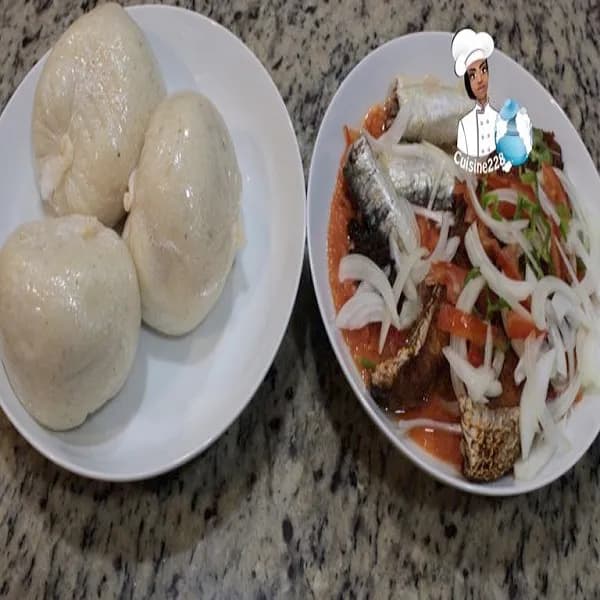
It belongs to Dagbon and the wider north of Ghana, and it is eaten in Burkina Faso and other parts of West Africa under related names. In Tamale and across the northern region it is street food and household food at once, sold with a hot pepper sauce and fried fish and often garnished with cabbage, carrot and sliced potato.
The steaming happens twice, with a wash in between, which is the technical heart of the dish and the part that cannot be shortened. The flour is moistened until it forms small lumps, steamed, washed, drained, and steamed again on low heat, and only then is it dressed with groundnut oil and salt. That second steam is what turns it from damp meal into separate grains. It is served with beans, pasta or salad as well as the standard pepper sauce and fish, and it makes a full plate from an ingredient that costs almost nothing.
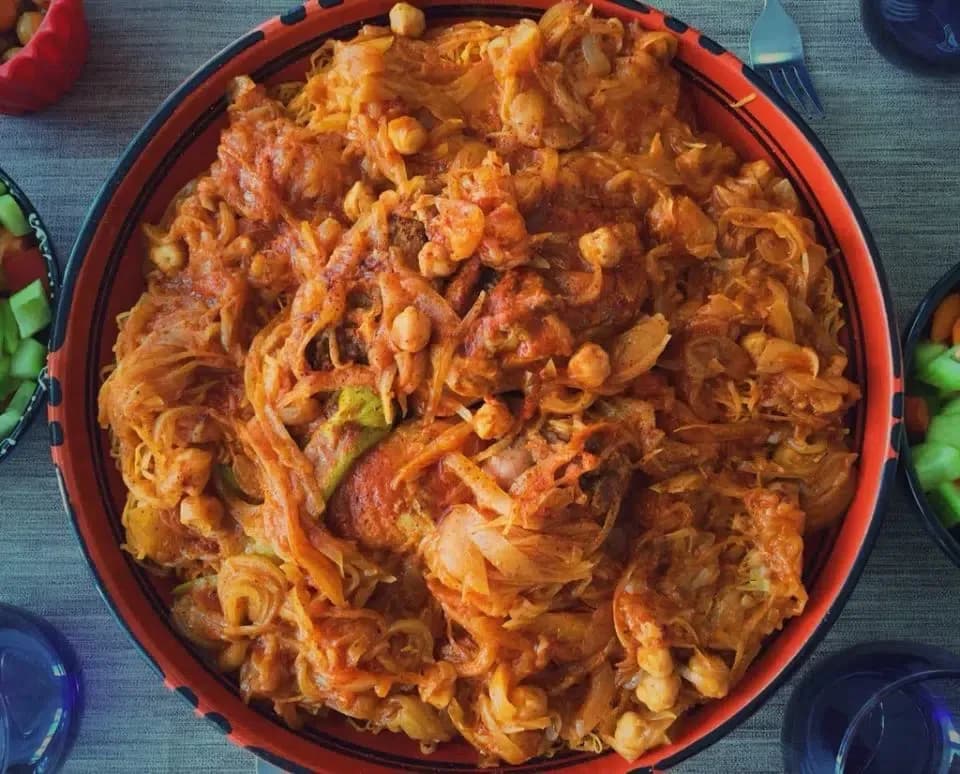
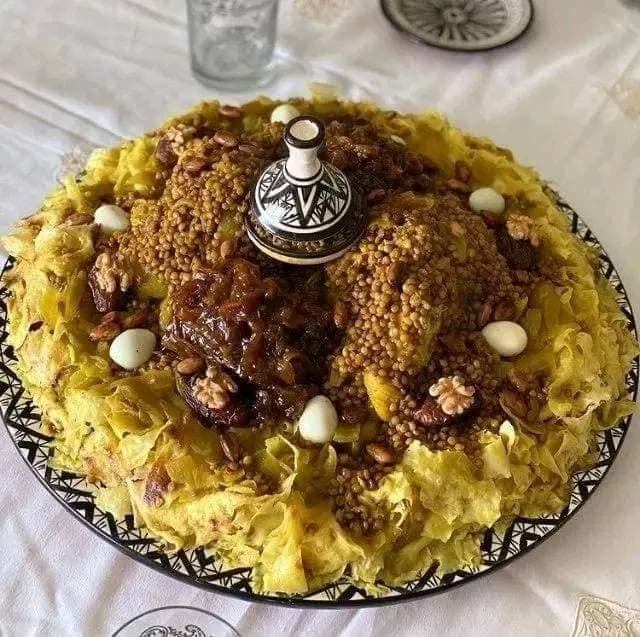
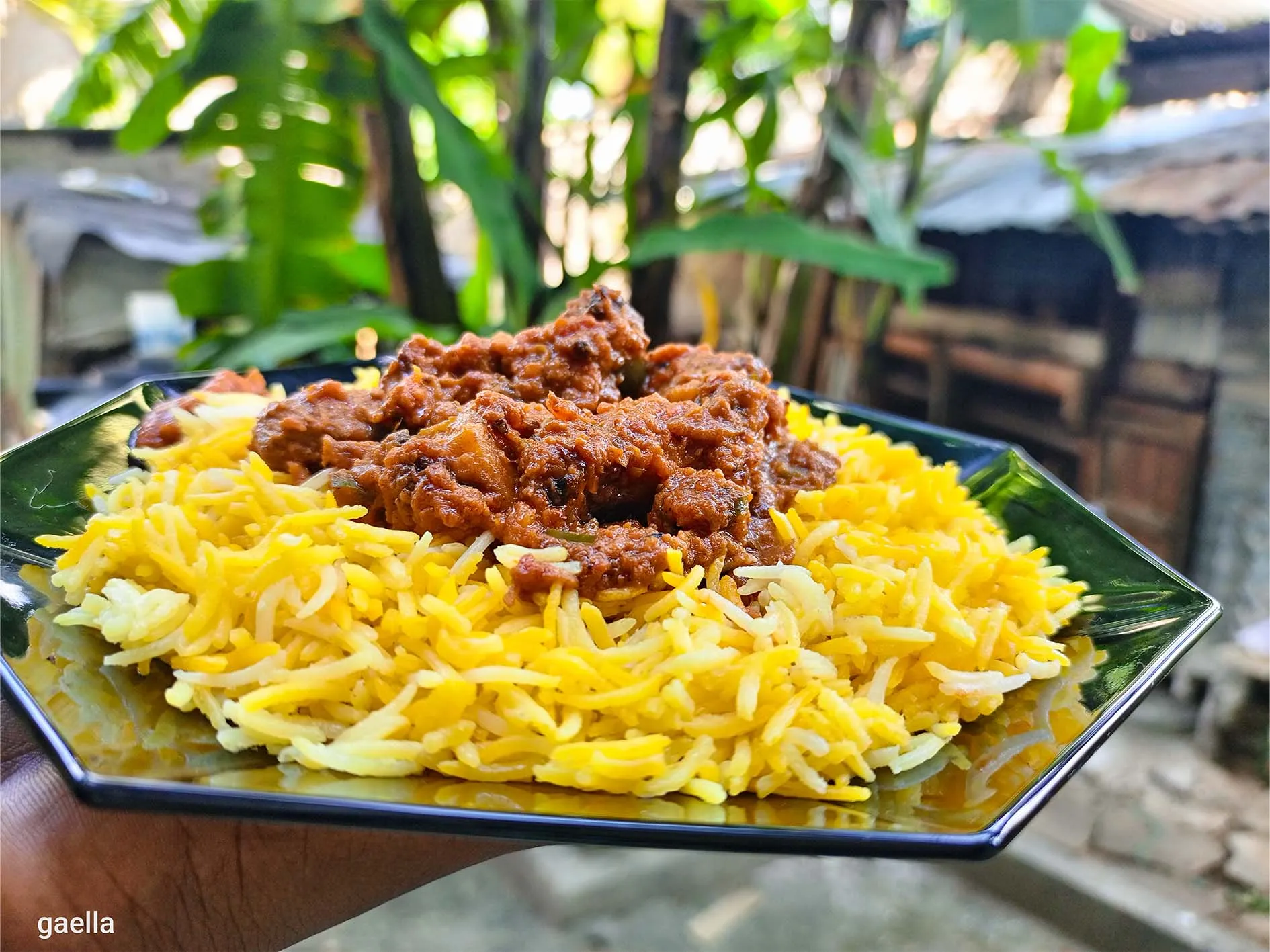
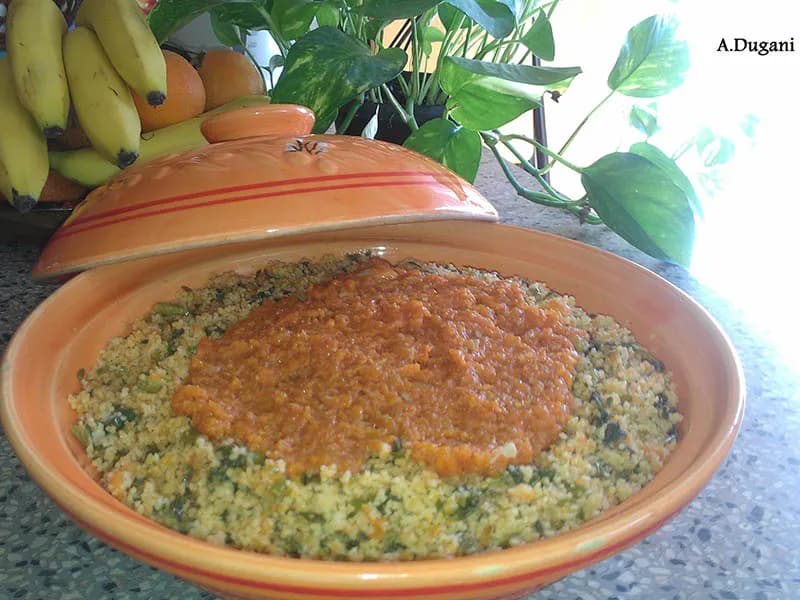
Couscous is the national dish of Tunisia, and it is also the national dish of Algeria, Morocco, Mauritania and Libya, which tells you something about how the Maghreb understands itself. The same steamed semolina appears across all five countries under names that shift with the language: kousksi in Tunisia, taam or kesksu in Algeria, seksu in Morocco, and cuscusu in Sicily, where it crossed the water.
The Tunisian version is distinguished by its heat and its colour. Harissa goes into the broth rather than being offered alongside it, and the finished couscous runs orange to deep red depending on how much broth and harissa it has taken up. Caraway is the other Tunisian signature, appearing in a quantity that Moroccan and Algerian couscous would not use.
What goes with it depends on the coast. In Sfax and the other coastal cities, couscous is made with fish. Inland it more often carries lamb, sometimes with dried fruit. Turnip, carrot, courgette, potato, pumpkin and chickpeas are the usual vegetables, cooked in the broth and removed as each becomes ready. The word itself is traced either to the Arabic kaskasa, to pound small, or the Amazigh seksu, meaning rounded or well rolled, and both derivations describe the grain rather than the dish.
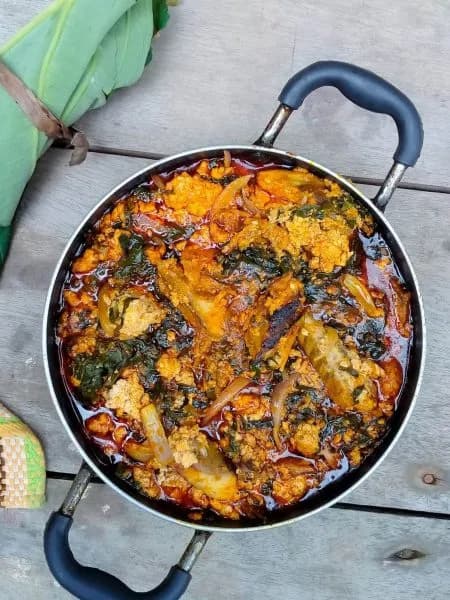
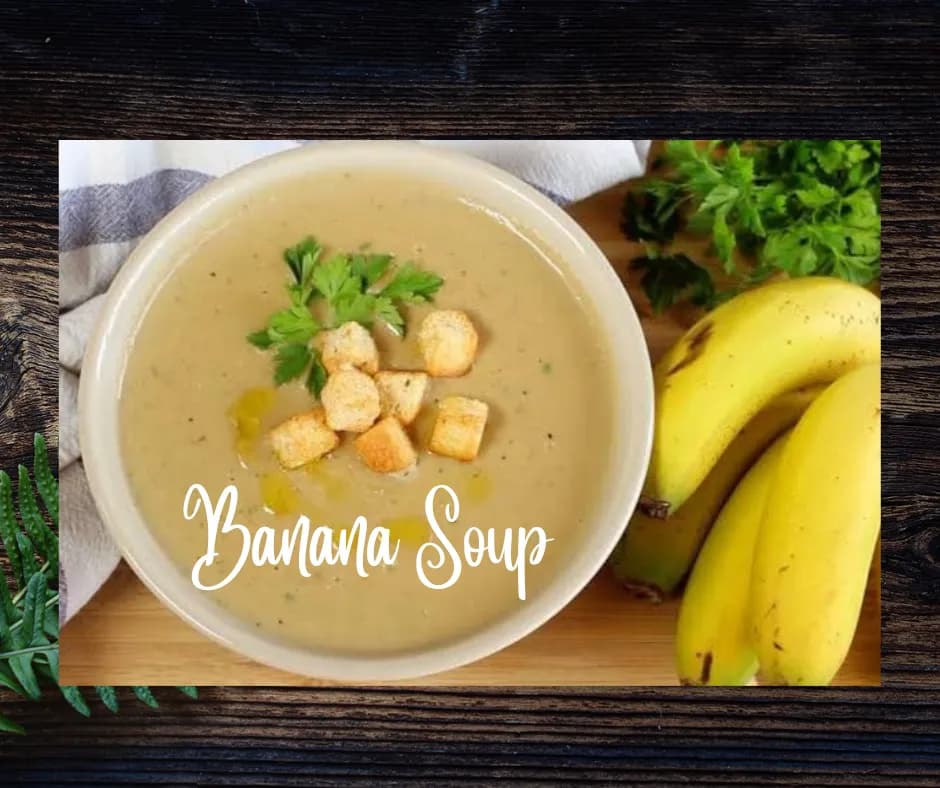
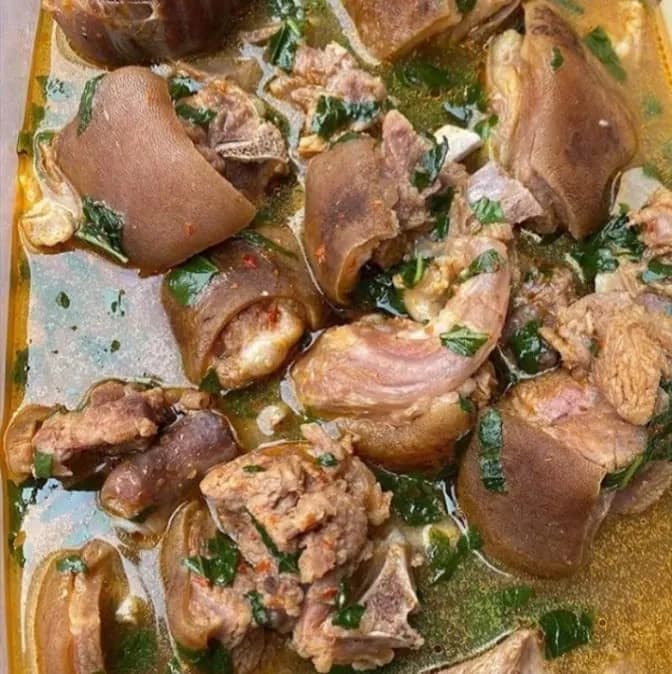
Pepper soup is a Nigerian category rather than a single recipe, and the goat meat version is among the most eaten of them. What holds the family together is the broth: clear, thin, aggressively hot and built on a specific spice blend rather than on tomato, oil or thickener. Nothing in a pepper soup is there for body.
The spice blend is what makes it. Pepper soup spice varies by region and by household but is built around African nutmeg, ehuru, uziza seed and other aromatics, and it is the one ingredient that cannot be left out or approximated. Everything else in the bowl is variable: catfish in the Delta and Rivers, goat in the north, chicken as the widely available option, assorted meat where a household is feeding a crowd.
Goat gives it a depth the lighter proteins do not. It also demands time, which is why this is not a weeknight soup unless the meat was cooked the night before or a pressure pot is involved. Pepper soup occupies a particular place in Nigerian life as restorative food, eaten when someone is unwell, cold or worn out at the end of a day, and it is served both as a first course and as a full meal with yam, plantain or rice.
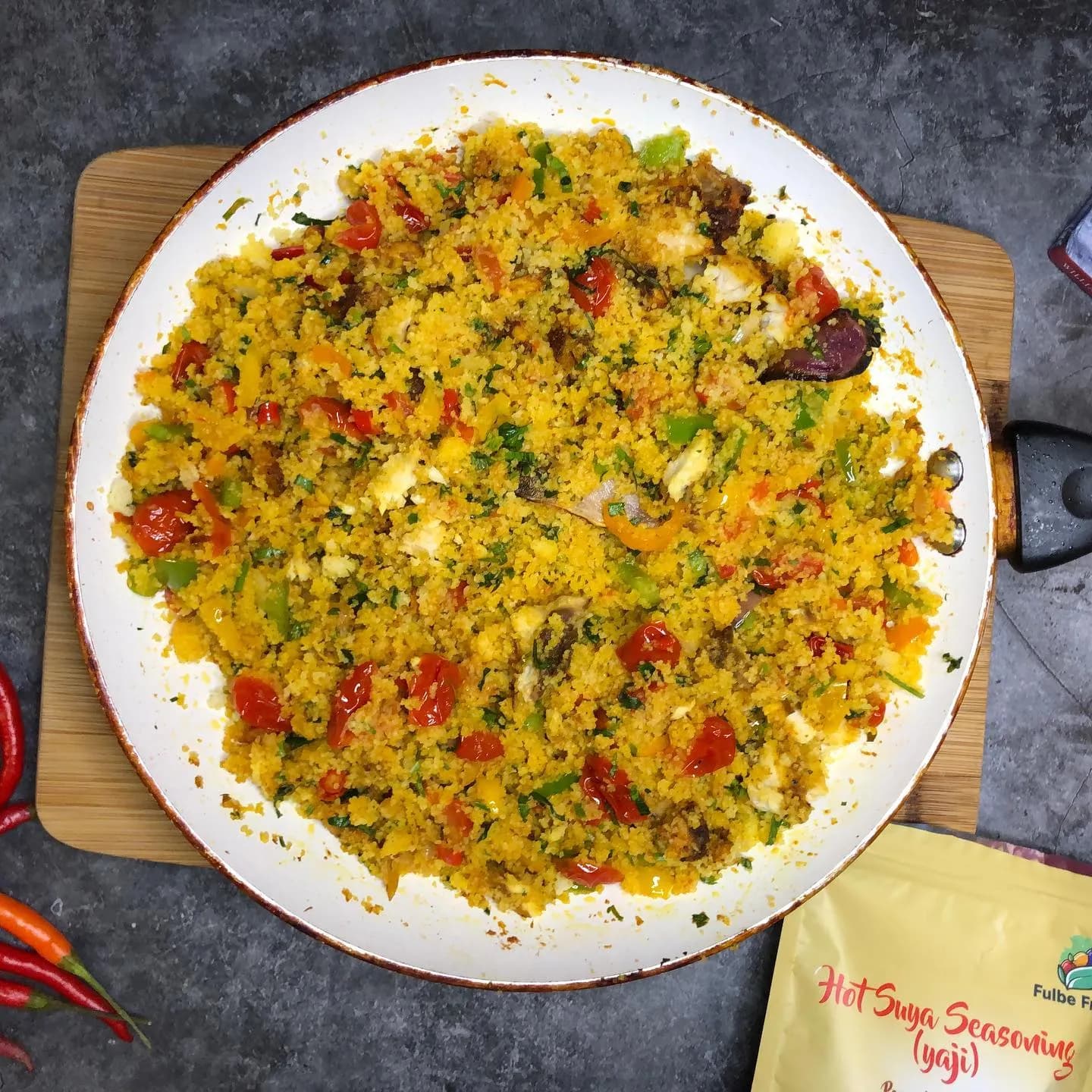
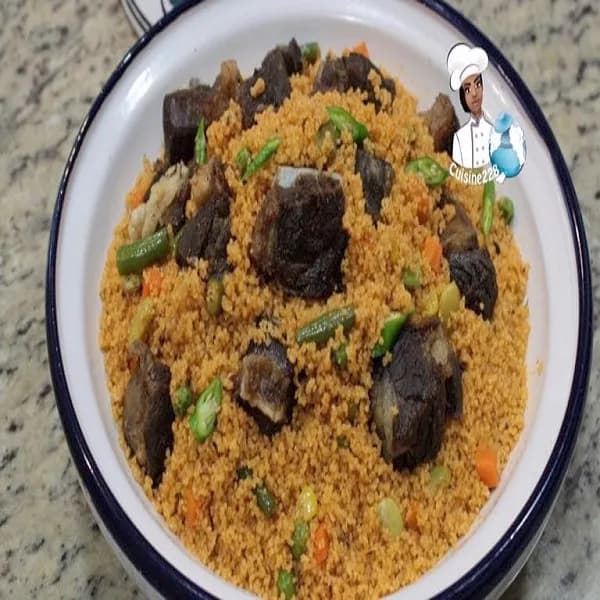
Dambu is a Hausa steamed grain dish made from grits rather than flour, and the distinction is what gives it its texture. Whole maize, wheat, sorghum or millet is cracked into coarse pieces called tsaki, moistened, and steamed until the grains separate into something that looks and eats a great deal like couscous.
Which grain goes in decides which dambu you are making. Tsakin masara is maize grits and tsakin alkama is wheat, and Hausa households treat the versions as distinct in the same way they distinguish between the tuwo made from each grain. The steaming is done in two stages, with the additions going in halfway, which is what lets the groundnuts and vegetables perfume the grain rather than sit on top of it.
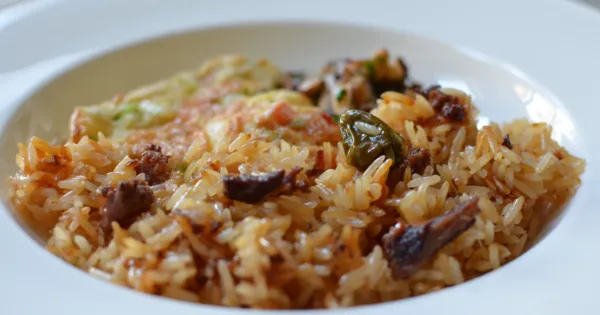
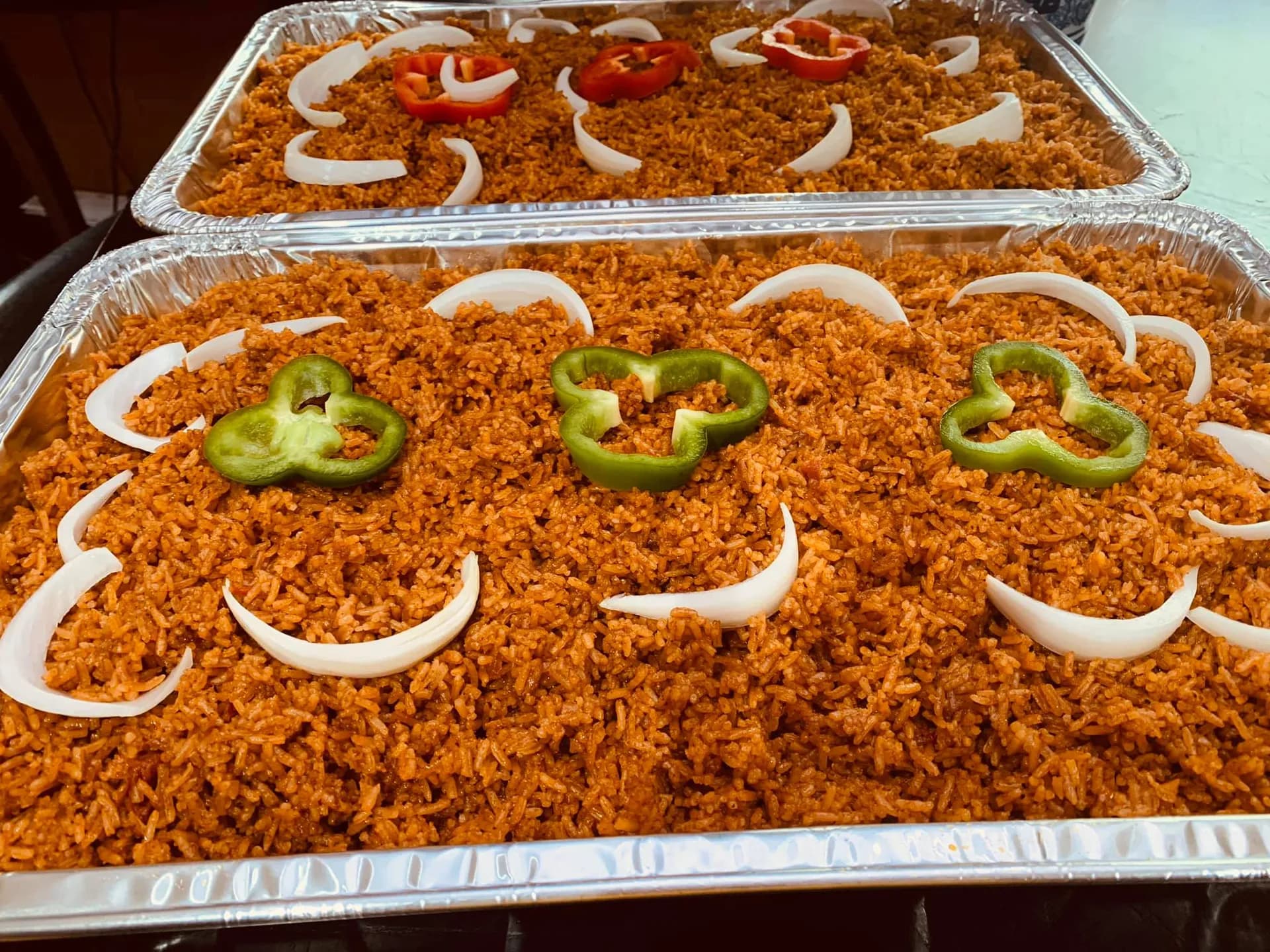
In its plain form dambu is eaten with oil and chilli flakes and served alongside a soup such as miyan taushe, miyan kuka or a tomato stew. It can also be built out into a complete dish with meat, vegetables, oil and seasoning worked through it, which is what this version does and which Hausa cooks describe as making it jollof. The word dambu also names a shredded dried meat, dambu nama, which is a different preparation entirely despite the shared name.