Nous utilisons des cookies essentiels au fonctionnement du site. Nous aimerions aussi déposer des cookies de mesure d’audience et des cookies publicitaires, uniquement avec votre accord. Vous pouvez choisir séparément pour chacun. Lire notre politique relative aux cookies

Loading
Recettes
Parcourez les archives par pays, par plat et par temps de cuisson.
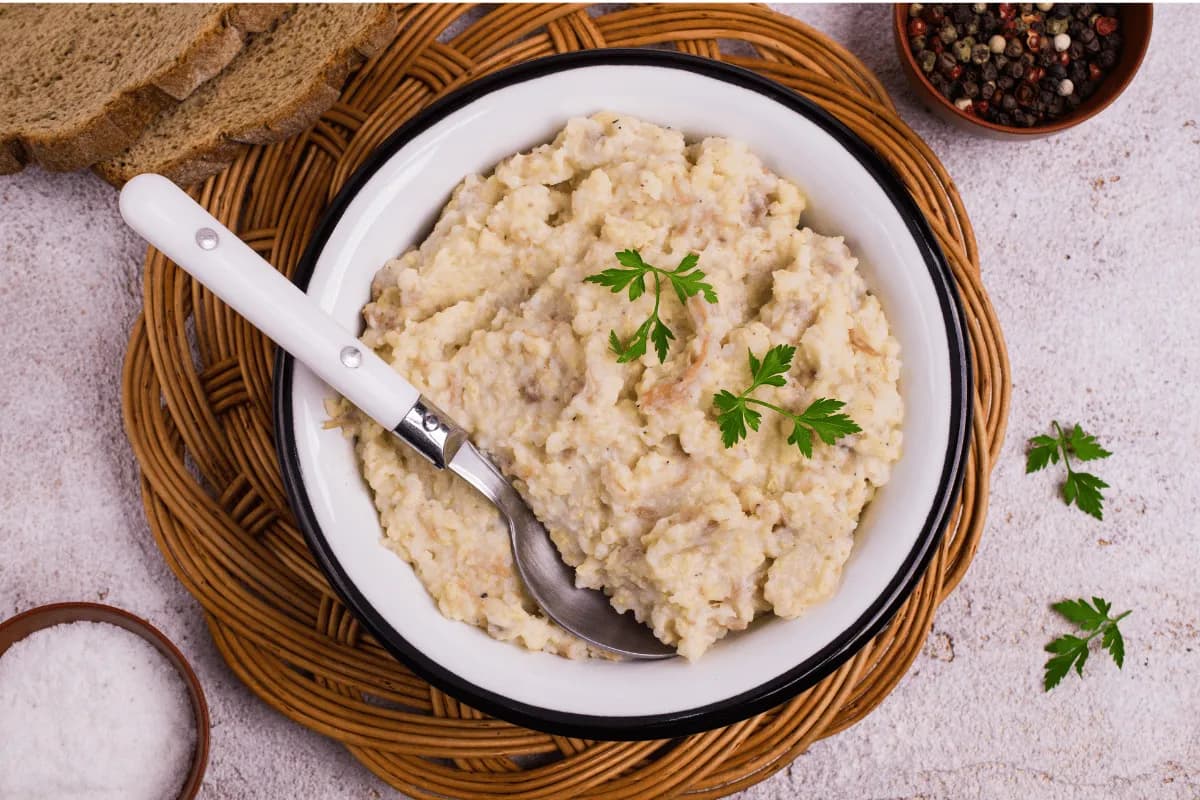
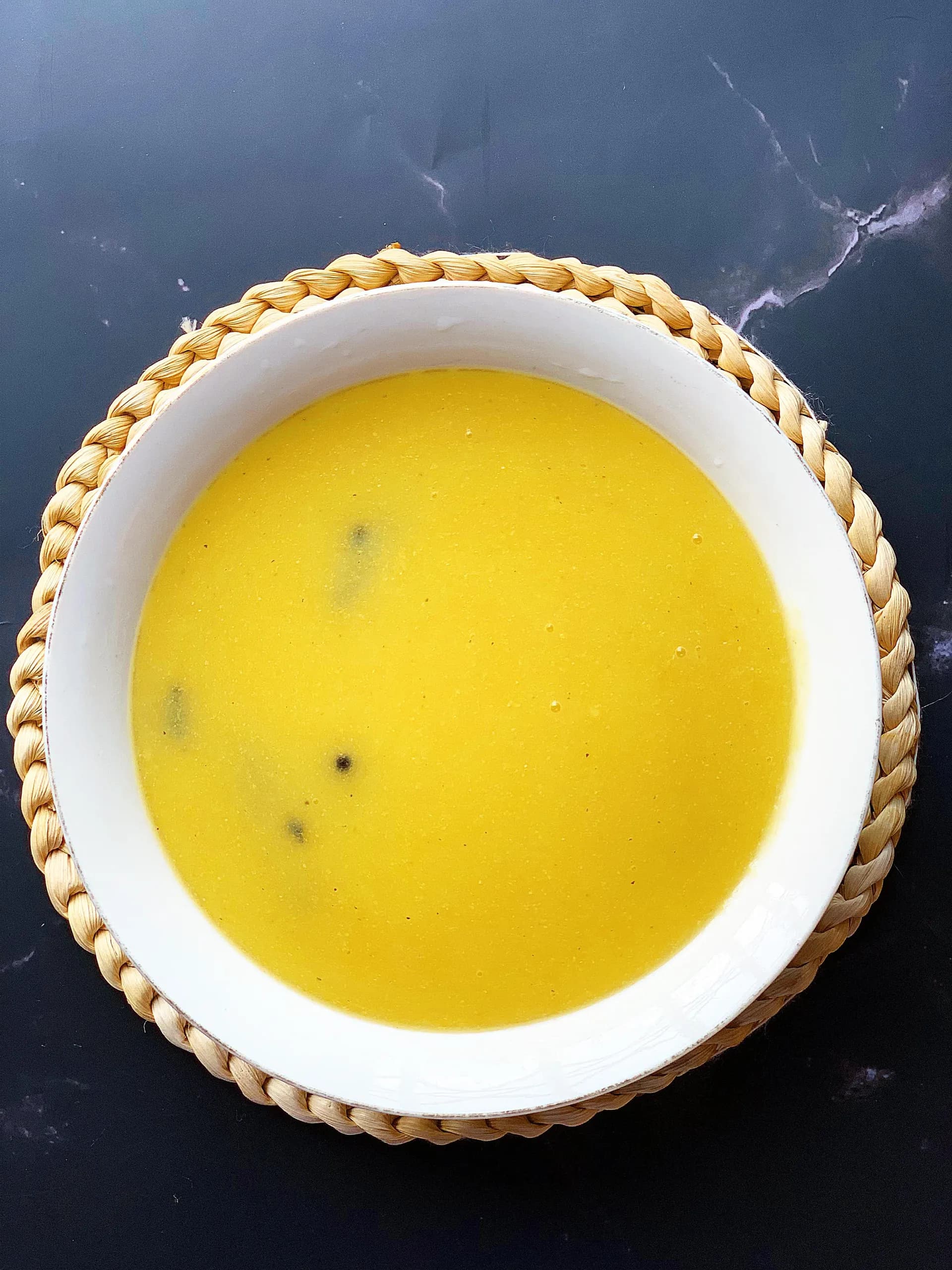
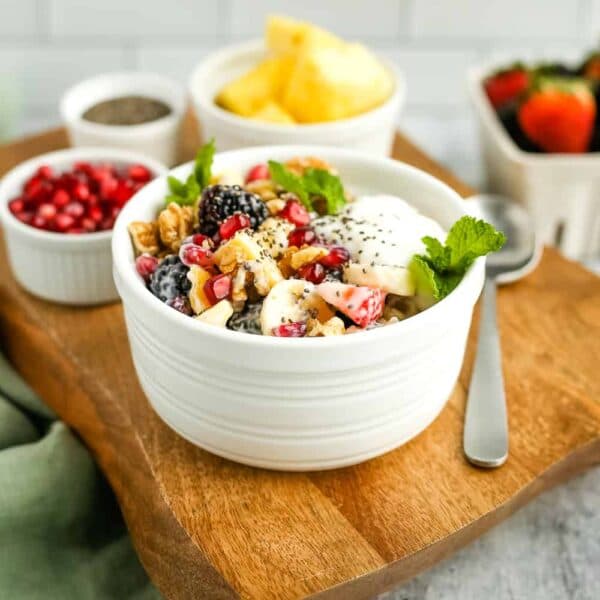
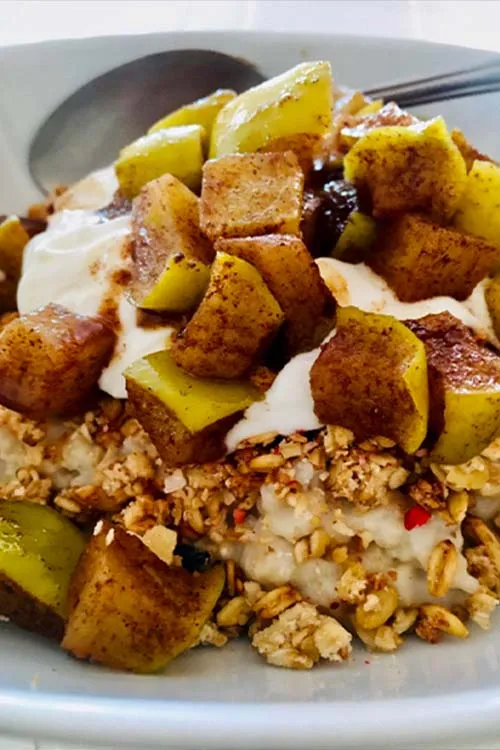
Millet porridge is one of the oldest breakfasts on the continent. Millet is an ancient cereal grain eaten across Africa and Asia for thousands of years, and pearl millet in particular is a staple across the Sahel, where it grows in conditions that defeat most other grains.
Porridges made from it appear under many names. Fura in northern Nigeria and Niger is millet worked into balls and mixed with fermented milk. Ogi and koko are made from fermented millet or maize across West Africa. Uji in East Africa is often millet based. This particular recipe is a plainer, contemporary preparation, rinsed and simmered rather than fermented, and its flavour ideas run to cinnamon apple and pumpkin spice, which places it in a Western health food register rather than a West African one.
The grain itself does the work. Millet has a mild, faintly sweet and nutty flavour, cooks to a texture close to cream of wheat, and turns genuinely creamy when blended after cooking. It carries more protein and fibre than most grains and no gluten at all, which is why it has found a second audience outside the regions that have always eaten it. No country is claimed here, because the porridge as written belongs to none in particular.
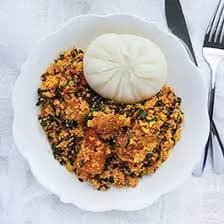
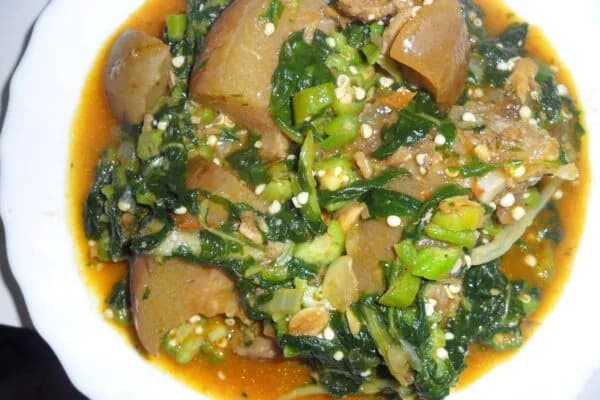
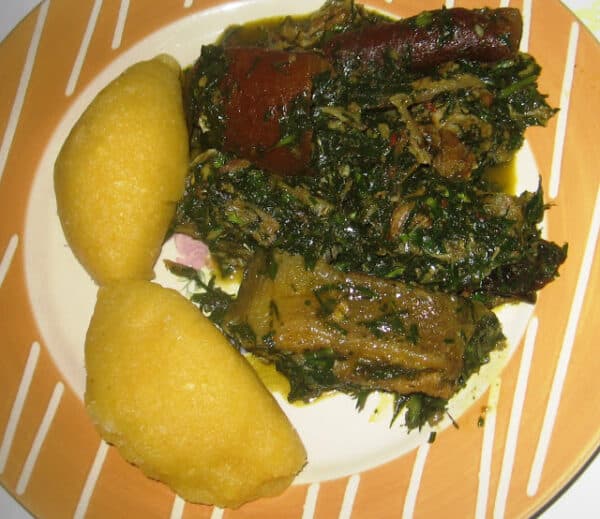
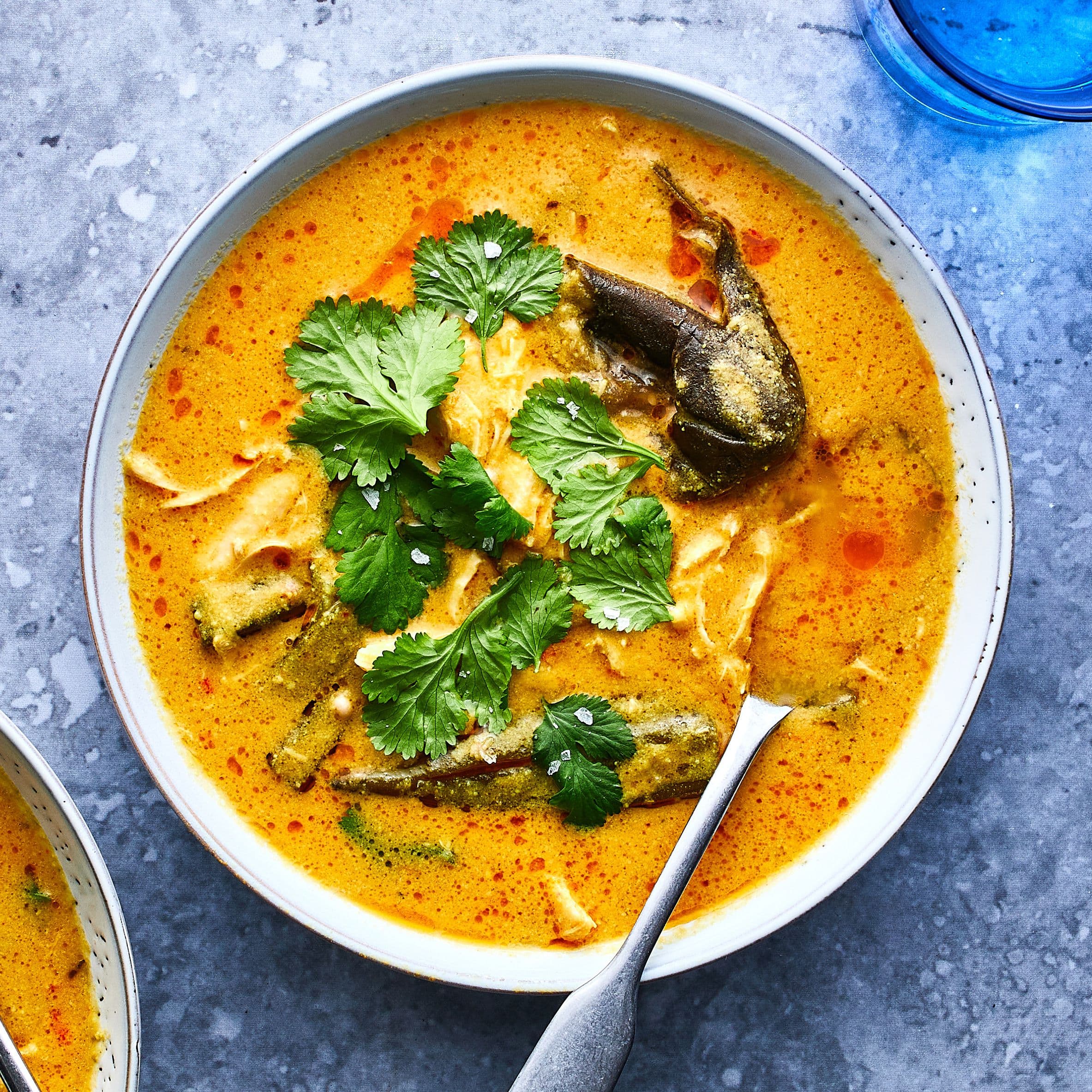
Afang soup belongs to the Efik and Ibibio people of Cross River and Akwa Ibom in southeastern Nigeria, and it is built on two vegetables that do quite different jobs.
Afang, okazi to the Igbo, and known botanically as Gnetum africanum, is a tough, wiry forest leaf with a faintly bitter edge. It is sliced extremely finely, almost shredded, because whole it would be unpleasant to eat. Waterleaf is the counterweight: soft, quick to wilt, and full of moisture, which is what gives the soup its body without much added liquid.
The pairing is the point, and it is what separates afang from edikang ikong, the other great vegetable soup of the same region. Edikang ikong uses waterleaf and ugu, the pumpkin leaf, and reads as sweeter and greener. Afang uses waterleaf and okazi, and carries that characteristic bitterness. People from the region can tell them apart instantly, and the leaf is the whole distinction.
Around the vegetables sits an assortment that scales with the household budget, beef, shaki, dried and fresh fish, periwinkle, crayfish, palm oil, pepper. It is a soup that has long been read as a marker of a generous table, and it is served with any of the swallows.
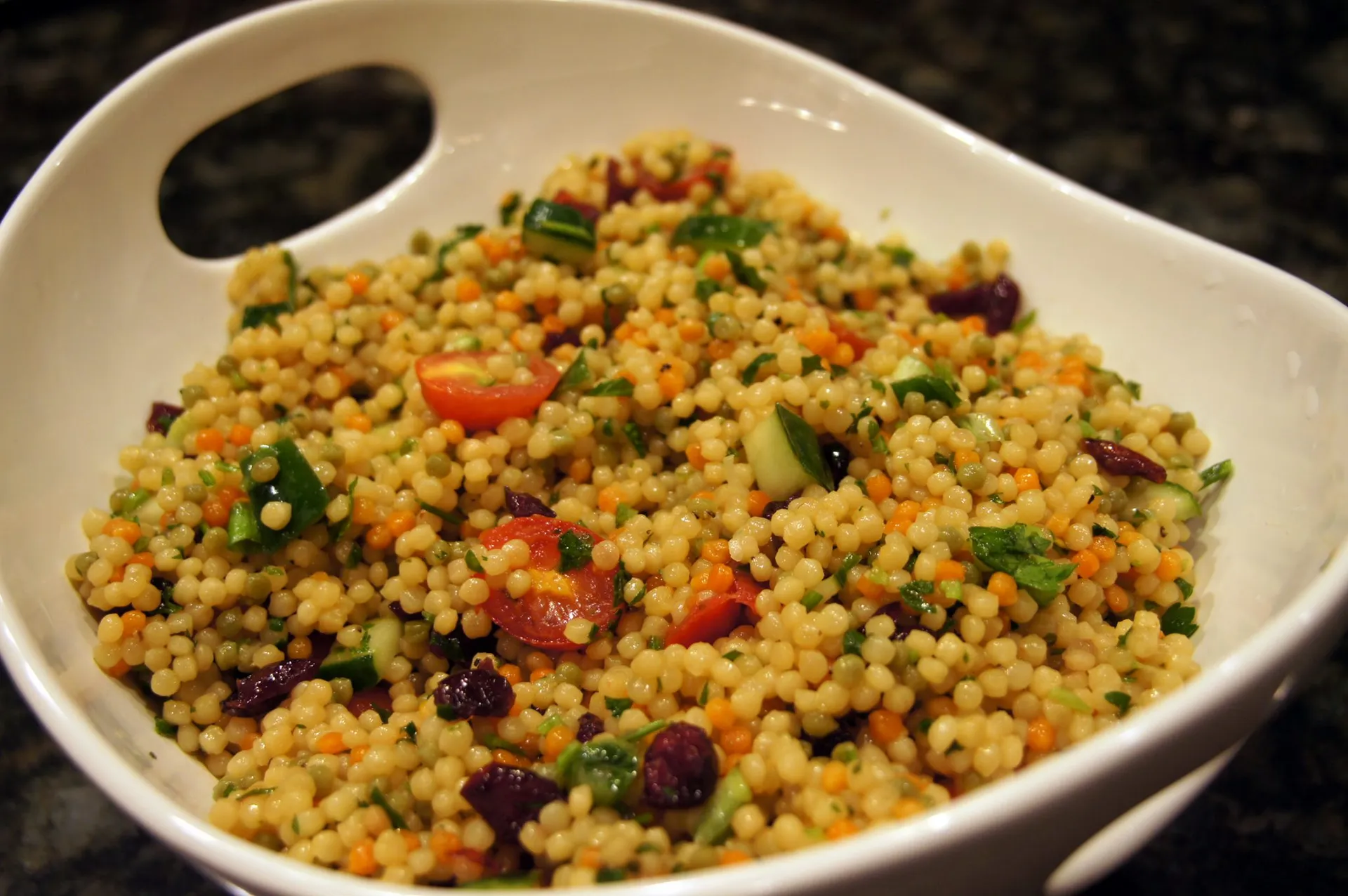
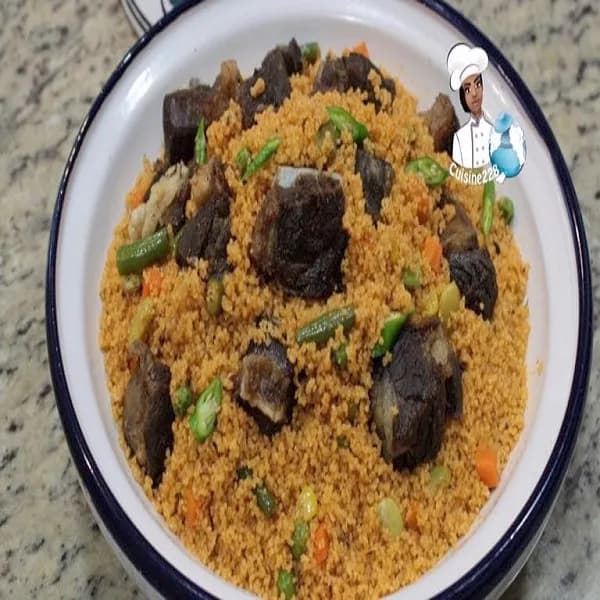
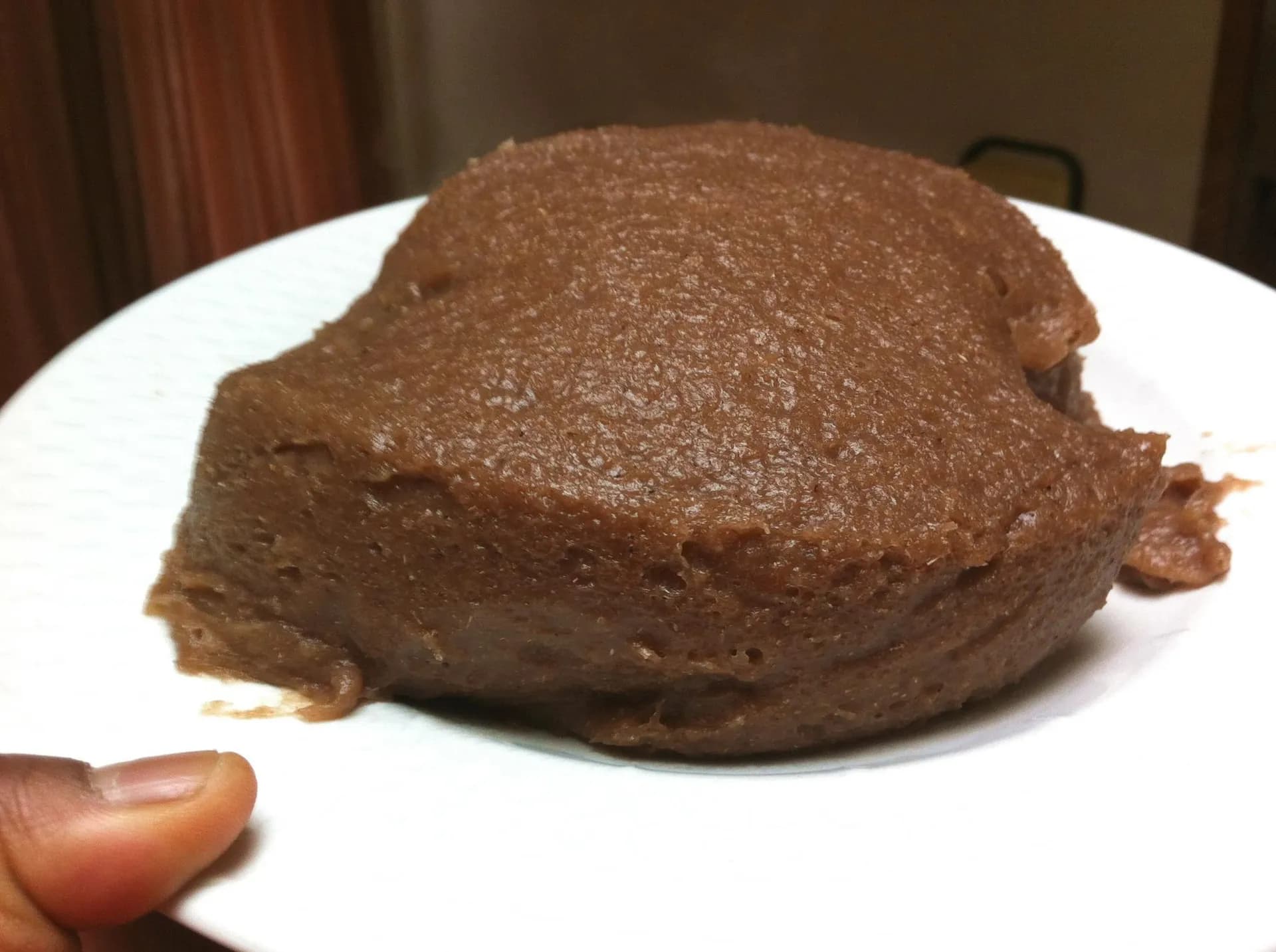
Jollof couscous applies the jollof method to North African couscous, and it sits at the meeting point of two quite separate West and North African traditions. The tomato and pepper base is built as it would be for jollof rice; the grain is steamed couscous rather than long grain rice.
Couscous itself is North African, rolled from semolina and traditionally steamed several times in a couscoussier until it is light and separate rather than gummy. In Morocco, Algeria and Tunisia it is served with a spiced vegetable stew and meat, which is a different proposition entirely from what happens here. Its texture is often compared to attiéké, the fermented cassava of Côte d'Ivoire, though the two share only appearance.
Jollof itself is contested territory between Nigeria, Ghana, Senegal and beyond, and applying it to couscous is a modern move rather than an inherited one. The source attributes this version to Senegal, which is where the jollof tradition originates in the thieboudienne of the Wolof people, though the framing in the original text is Nigerian. It is quick food, twenty minutes from start to finish, and it is honest about being an adaptation.
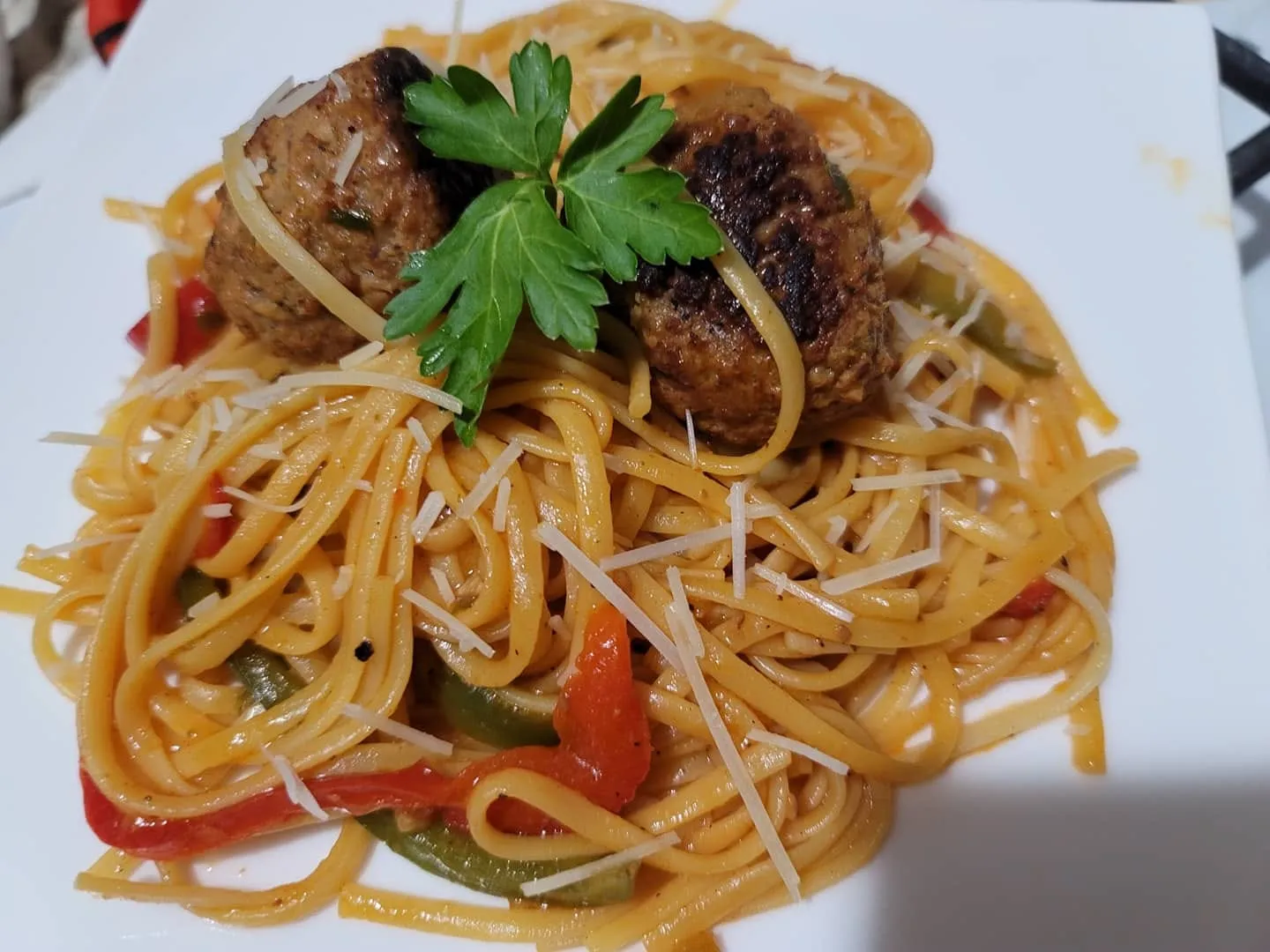
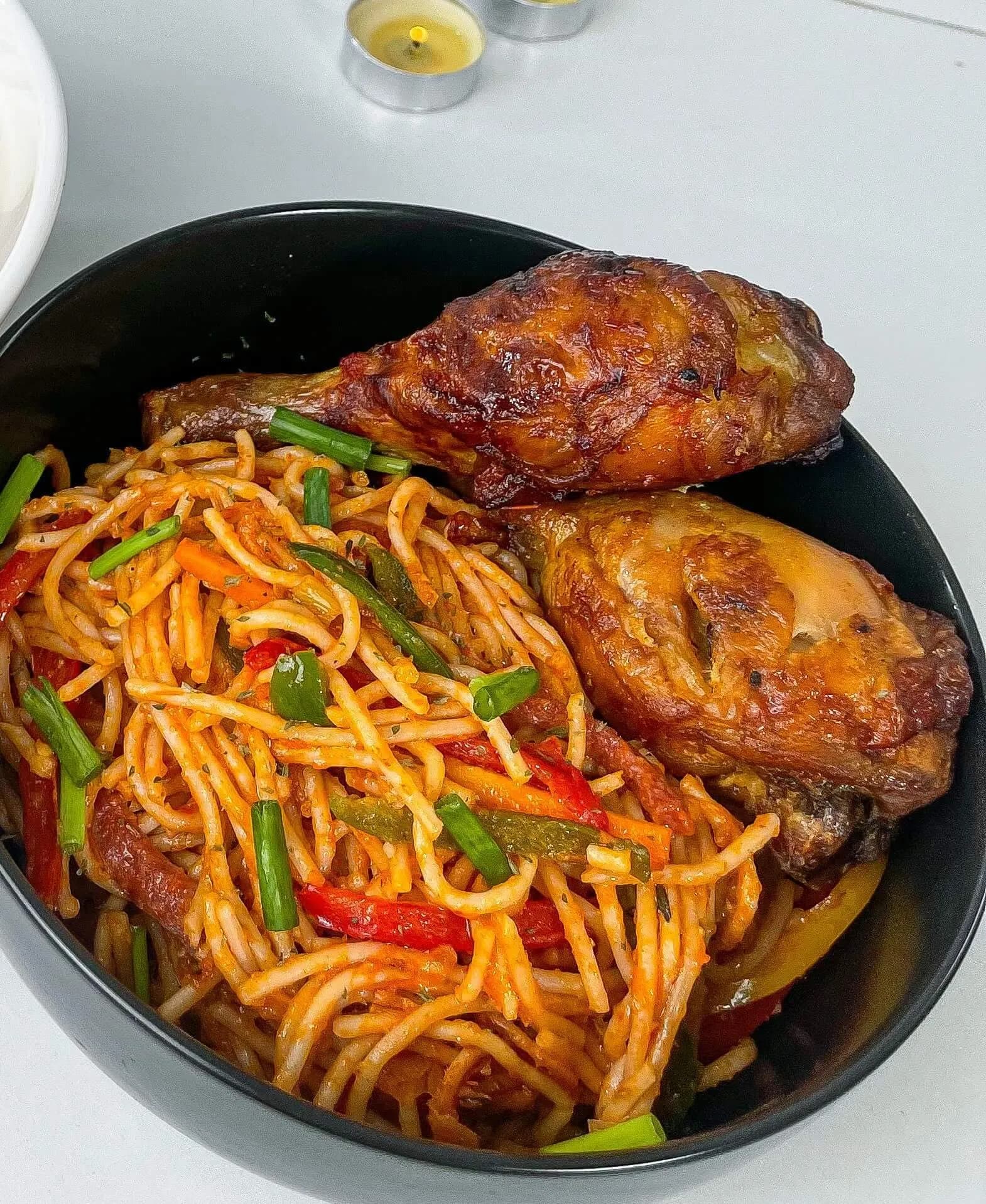
Jollof spaghetti applies the jollof method to pasta, and it is one of the most widely made contemporary dishes in Nigerian home kitchens. The pepper base is built exactly as it would be for rice, with blended tomato, tatashe and scotch bonnet reduced in oil with onion, ginger and garlic, and the spaghetti is finished in it so the strands take on the colour and the flavour rather than merely wearing it.
Spaghetti arrived in Nigeria through mid twentieth century trade and has become one of the country's most eaten starches, particularly in urban households where it is quick and cheap. What Nigerians did with it is characteristic: rather than adopting Italian technique, they applied their own most important cooking method to it. The same has happened with jollof couscous, jollof penne and jollof noodles.
It is weekday food rather than occasion food. Where jollof rice is the centrepiece of a party, jollof spaghetti is what gets made on a Tuesday, often with sausage or leftover chicken and whatever vegetables are in the house. It is served with eggs, fried plantain or chicken, and its status as a real Nigerian dish rather than a novelty is no longer in question among the people who eat it.