Nous utilisons des cookies essentiels au fonctionnement du site. Nous aimerions aussi déposer des cookies de mesure d’audience et des cookies publicitaires, uniquement avec votre accord. Vous pouvez choisir séparément pour chacun. Lire notre politique relative aux cookies
Loading
Recettes
Parcourez les archives par pays, par plat et par temps de cuisson.
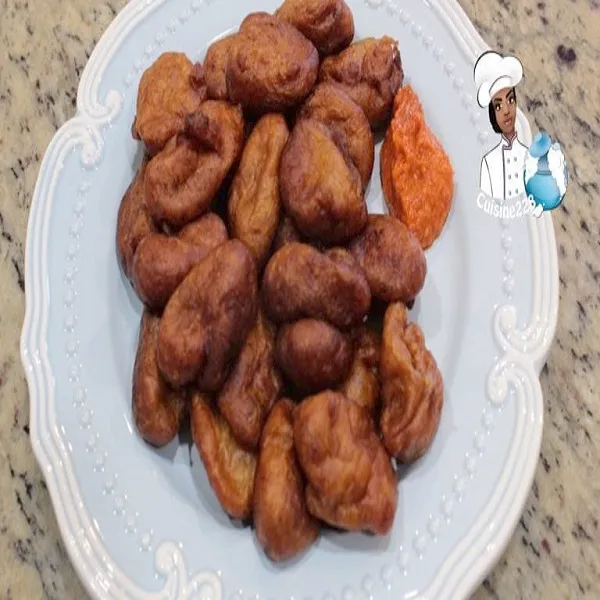
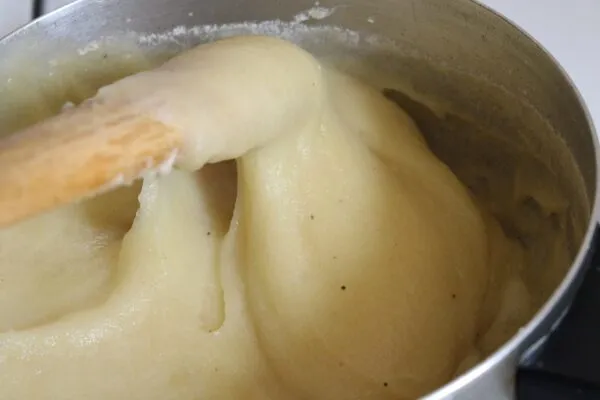
Fried yam is called dundun in Yoruba, and it is one of the most eaten street foods in Nigeria. Yam is peeled, cut into thick chips, salted and fried until the outside crisps and the inside stays soft and floury. It is sold from roadside stands with a pepper sauce, and it is eaten at breakfast, at lunch and late at night.
Yam is the crop that Nigeria produces more of than anywhere else in the world, and dundun is the most direct thing to do with it. It costs almost nothing, needs three ingredients, and the frying takes minutes. That combination is what makes it street food: a vendor with a pot of oil and a sack of yam is in business.
Its usual partner is akara, the fried bean cake, and the pairing of dundun and akara with a ground pepper sauce is a standard Nigerian breakfast. It is also eaten with egg sauce, with fried fish, with stew, or on its own. The word dundun covers the fried treatment specifically, as distinct from the plain, pounded and porridge treatments of the same tuber, each of which occupies its own place on the Nigerian table.
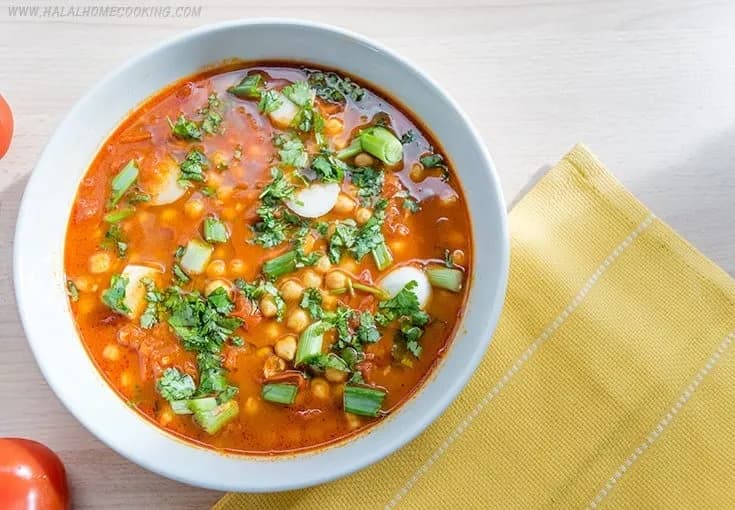
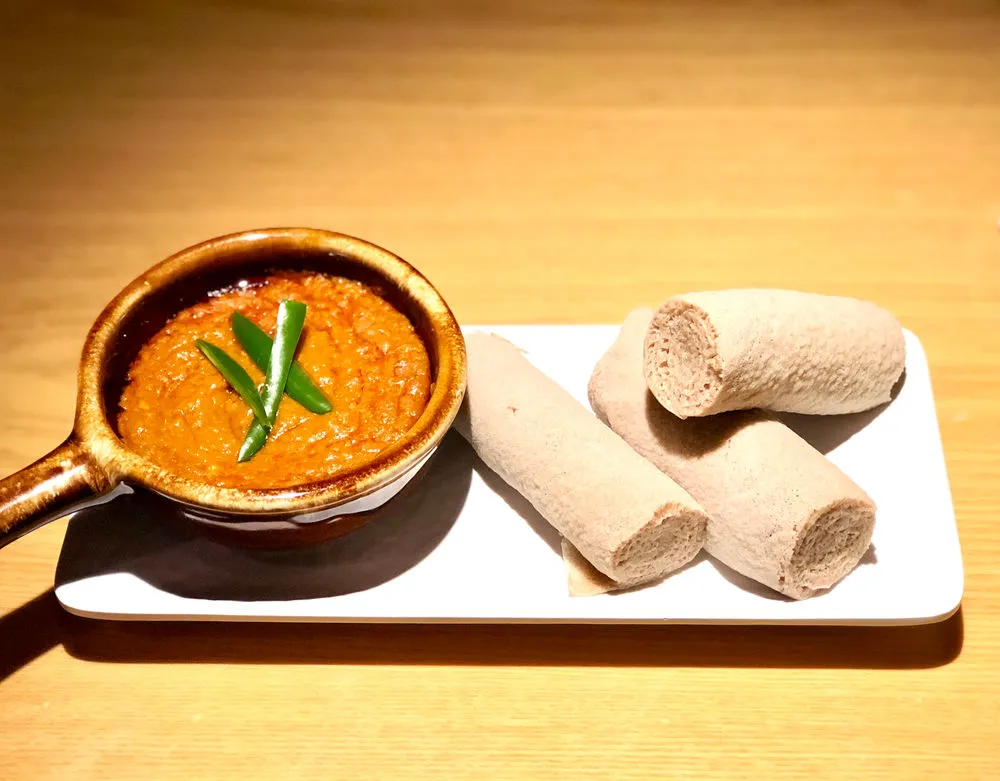
Shiro wat is ground chickpea stew, and it is among the most eaten dishes in Ethiopia and Eritrea. Onion, garlic, tomato and berbere are cooked down in oil, chickpea flour is whisked in, and the result thickens to something between a thick gravy and a puree, smooth enough to spread and eaten with injera.
Its position has a great deal to do with the religious calendar. Ethiopian Orthodox practice includes a very large number of fasting days, on which no meat, eggs or dairy are eaten, and shiro contains none of them. It is standard on Wednesdays and Fridays, through the eight weeks of Tsom, the Great Lent, and it is eaten during Ramadan by Ethiopian and Eritrean Muslims too. That is a dish serving two religions in one country without modification.
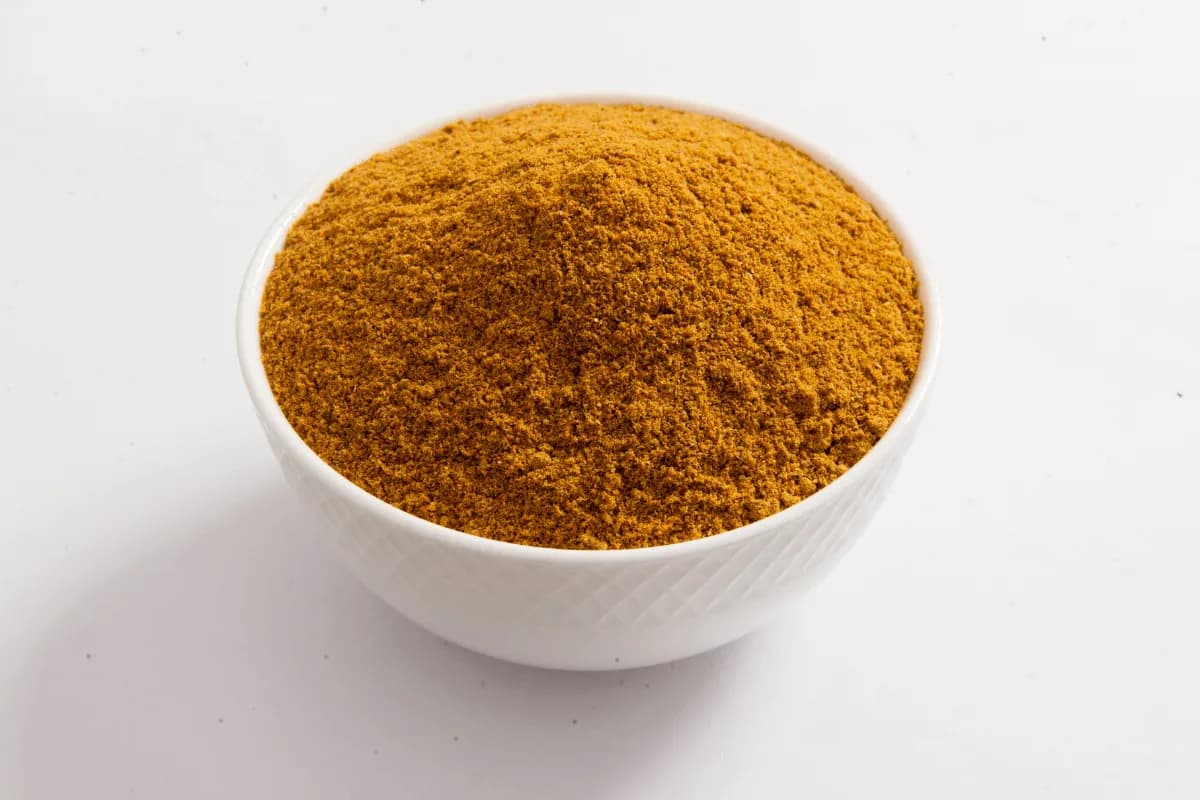
It is also cheap and quick, which explains the rest of its reach. Shiro powder, sold ready mixed with the spices already in it, is available across Ethiopia and increasingly abroad, in two kinds: mitten shiro, which is red and carries berbere, and netch shiro, which is white and mild. The dish takes different forms by consistency and name: shiro fessess is runny and served over injera with chillies, shiro tegamino is thick and cooked in an earthenware pot until it bubbles and caramelises at the base, and shiro fit fit shreds injera through it for breakfast.
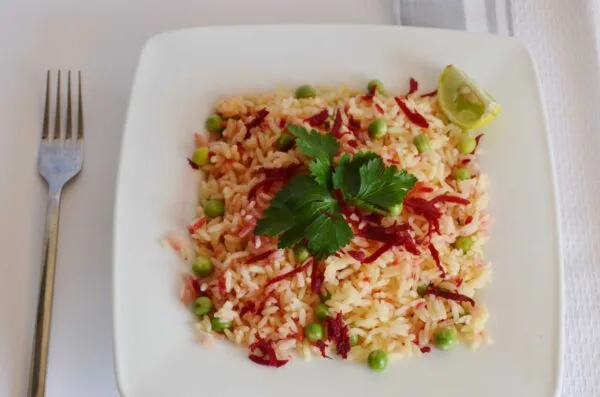
Beetroot rice is rice cooked with beetroot, which turns it a deep purple, and it is worth saying plainly that the source for this recipe is describing an Indian dish. Beetroot pulao is a well established South Indian preparation, and the source's own text discusses pulao, sona masuri rice and serving with raita, none of which are Nigerian references.
That does not make the dish uninteresting, and there is a real Nigerian angle to it. Rice is the most eaten starch in urban Nigeria and cooked rice with stew is among the most common household meals in the country, so a coloured rice variation slots into an existing habit easily. Nigerian cooks have adopted vegetable rice dishes from a range of sources and made them ordinary, in the same way that spaghetti and coleslaw have become normal parts of the national table.
What can be said with confidence is that this is a contemporary dish rather than an inherited one, and that its documented lineage runs to India rather than to Africa. The country field is left empty for that reason. Beetroot itself is not an African crop and is not part of any traditional African preparation on the continent. The recipe is included as what it is, with the attribution left open for a contributor to settle.
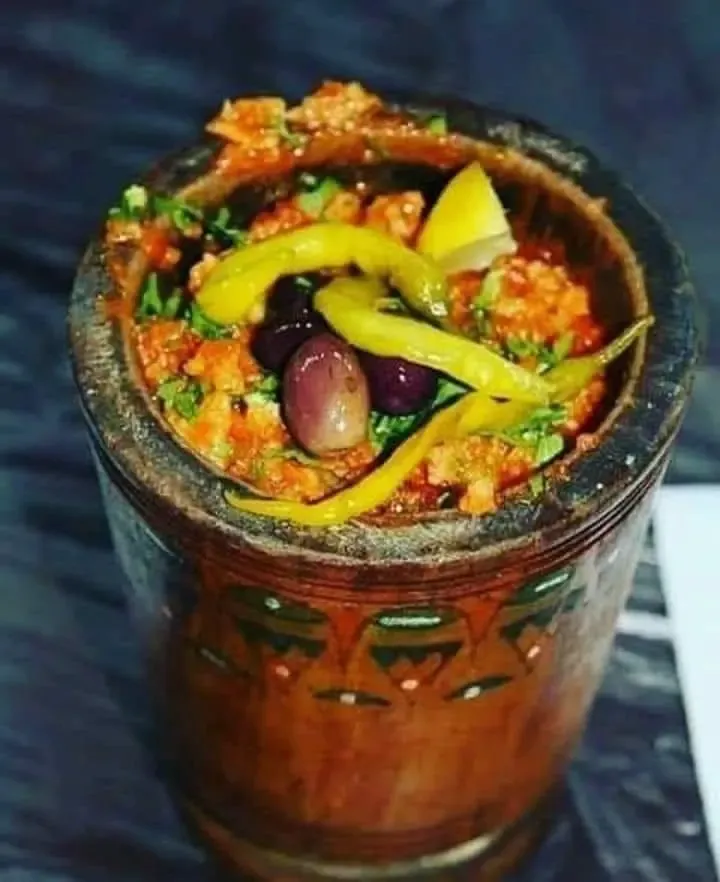
Zviti is a very hot Algerian dish from Bou Saada in M'Sila province, and it is defined as much by how it is served as by what goes into it. A semolina flatbread called rakhsis is crumbled into a tall wooden mortar, the mehrez, along with grilled peppers, tomatoes, garlic and a large quantity of chilli, and everything is crushed together with a wooden pestle.
The mortar then goes to the table. Zviti is not portioned onto plates: everyone gathers around the mehrez and eats directly from it, and in some places it is presented on a special table with a hole cut in the middle to hold the pestle upright. It also goes by the name slata mehrez, which translates as the mortar salad.
The heat is the point and Algerians are entirely open about the effect. Eating zviti involves sweating and gasping, and the description of it as a fire dish is affectionate rather than a warning. Some restaurants reduce the chilli or work olive oil and butter through it to soften it, which regulars regard as missing the idea. It is eaten as an accompaniment rather than a course, with a glass of lben, the fermented buttermilk, to cool the mouth between mouthfuls.
Les mentions alimentaires sont fournies par les contributeurs à titre indicatif. Elles ne sont pas vérifiées par AFN et dépendent des produits que vous achetez. En cas d’allergie grave, vérifiez vous-même chaque ingrédient. Cuisine, allergies et votre propre jugement