Nous utilisons des cookies essentiels au fonctionnement du site. Nous aimerions aussi déposer des cookies de mesure d’audience et des cookies publicitaires, uniquement avec votre accord. Vous pouvez choisir séparément pour chacun. Lire notre politique relative aux cookies
Loading
Recettes
Parcourez les archives par pays, par plat et par temps de cuisson.
Ta'ameya is Egyptian falafel, and the difference from every other falafel is the bean. Egypt makes it from dried split fava beans; Lebanon, Israel and most of the Levant use chickpeas, or a mixture. The fava gives a paler, softer, greener interior and a distinctly different flavour, and Egyptians will tell you theirs came first.
It is breakfast food above all. Ful wa ta'ameya, fava bean stew with falafel, is the standard Egyptian morning meal, and the phrase names the pair together. The ful is cooked overnight in a large round pot called a qedra, and the ta'ameya is fried fresh in the early hours, so the smell of hot oil on the way to school or work is a shared memory rather than an individual one.
Herbs are the other distinction. Parsley, coriander and dill go into the paste in quantity, which is what gives the interior its green colour, and the whole mixture is traditionally pounded in a large stone mortar. Sesame seeds are pressed onto the outside before frying in many versions, giving a crust that chickpea falafel does not have. It is eaten with tahini and baladi bread, and it is one of the cheapest complete meals in the country.
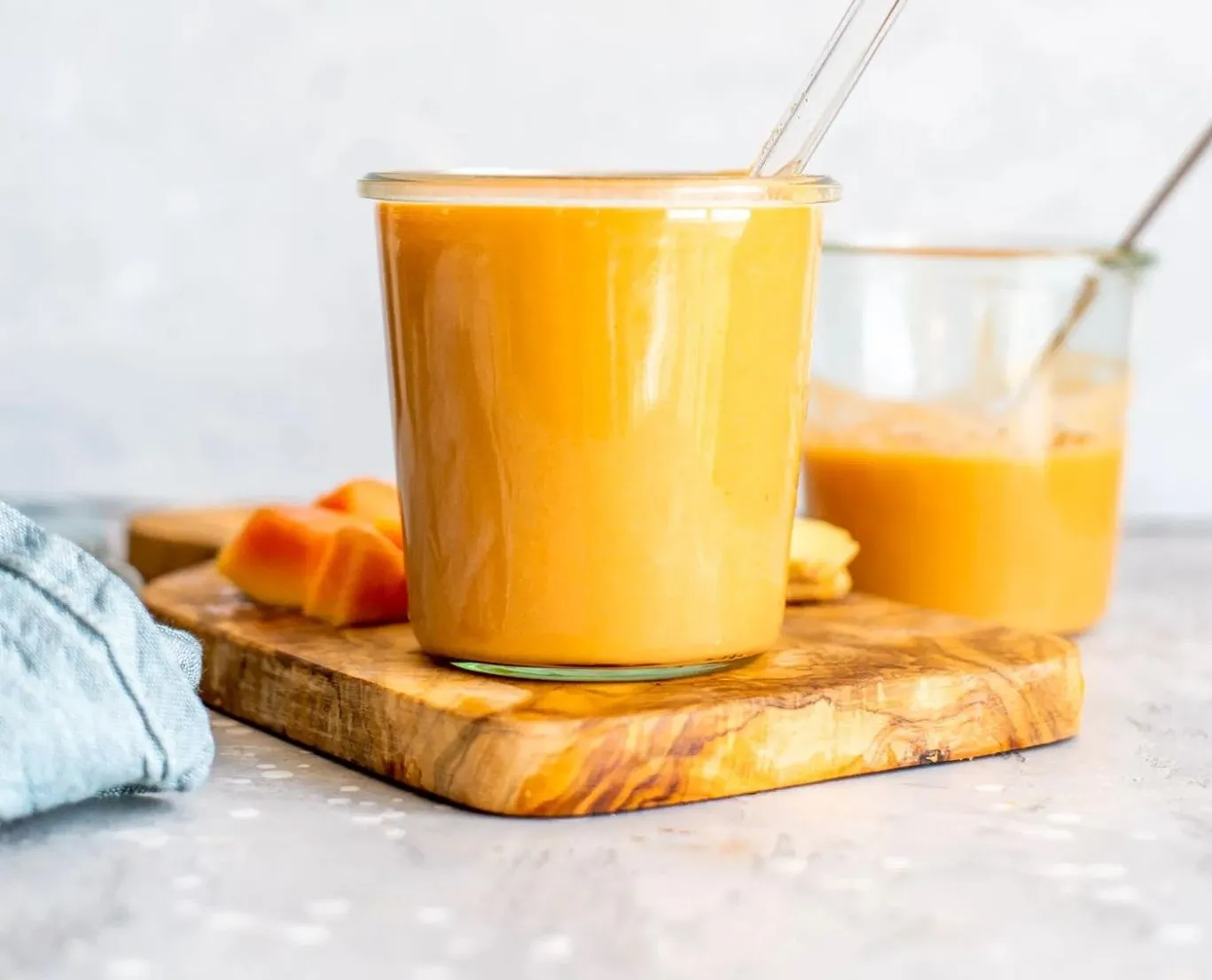
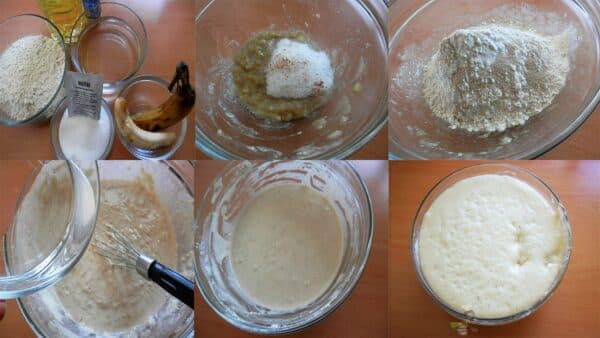
Groundnut milk is what you get when raw peanuts are soaked, blended with water and strained, a plant milk made from one of West Africa's most important crops, using a method that predates the shelves of alternative milks now sold everywhere.
The groundnut itself is not originally African. It came from South America and arrived through Portuguese trade, but it settled into West African farming and cooking so completely that it is now difficult to think of the region's food without it. Groundnut stew, kuli kuli, suya's spice base, roasted nuts sold by the cup at every junction, the crop runs right through the cuisine, and milk is one more thing done with it.
It is drunk for straightforward reasons. It contains no dairy, which matters in a region where lactose intolerance is common in adults, and it is made from something cheap and locally grown rather than imported. Flavourings are a matter of household preference: vanilla, a little sugar, sometimes cinnamon or dates.
The one thing it demands is that you make what you will drink. Fresh groundnut milk has nothing preserving it and separates within a day or two, so it is made in small quantities rather than stored, which is why it tends to be a morning thing, made and finished.
It should be shaken before pouring; separation is normal, not spoilage.
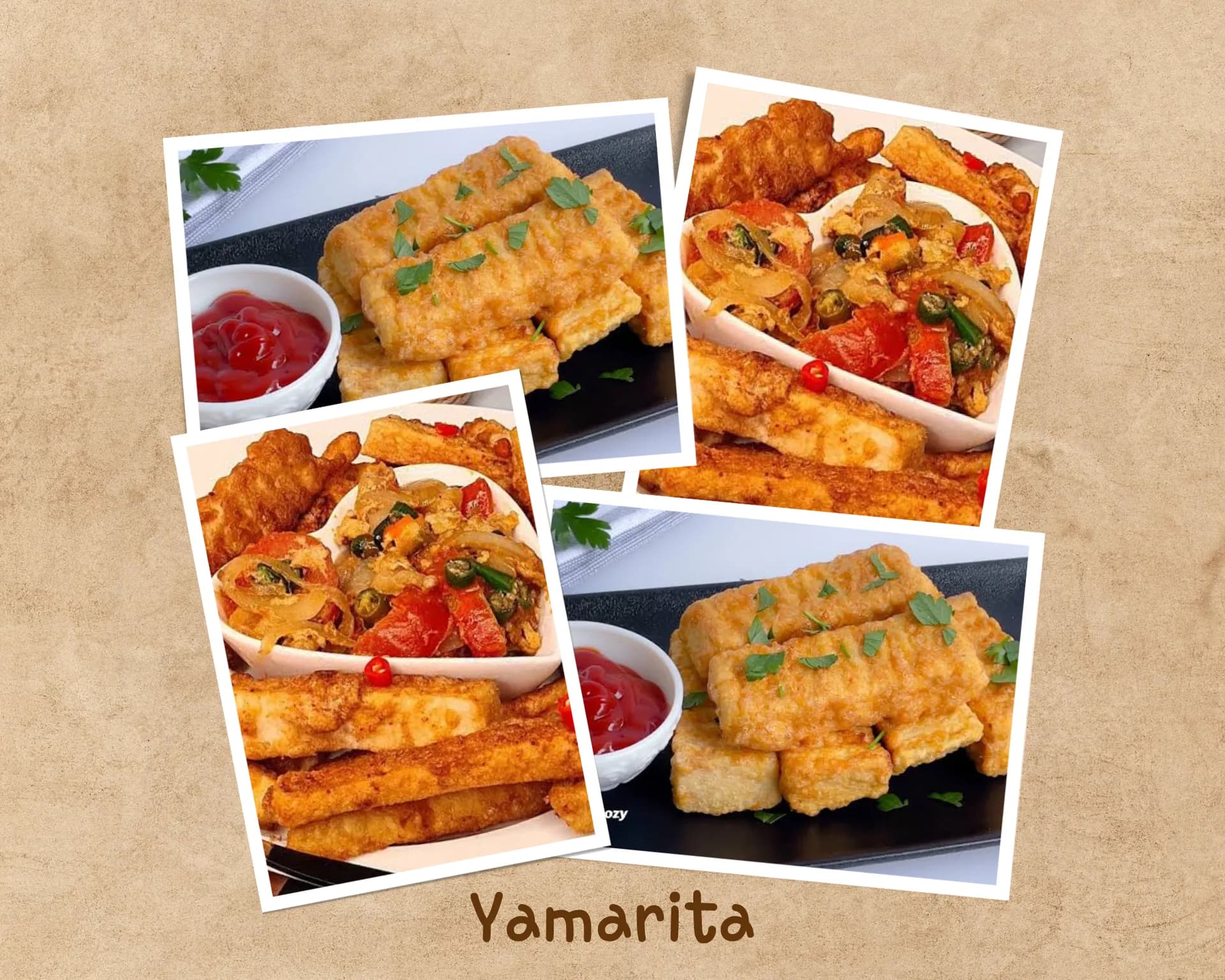
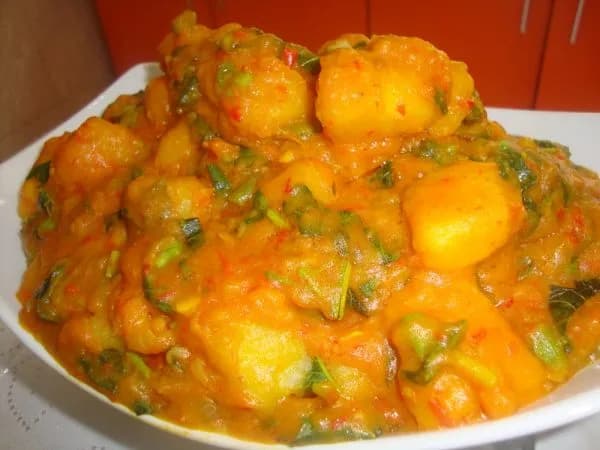
Fried yam is called dundun in Yoruba, and it is one of the most eaten street foods in Nigeria. Yam is peeled, cut into thick chips, salted and fried until the outside crisps and the inside stays soft and floury. It is sold from roadside stands with a pepper sauce, and it is eaten at breakfast, at lunch and late at night.
Yam is the crop that Nigeria produces more of than anywhere else in the world, and dundun is the most direct thing to do with it. It costs almost nothing, needs three ingredients, and the frying takes minutes. That combination is what makes it street food: a vendor with a pot of oil and a sack of yam is in business.
Its usual partner is akara, the fried bean cake, and the pairing of dundun and akara with a ground pepper sauce is a standard Nigerian breakfast. It is also eaten with egg sauce, with fried fish, with stew, or on its own. The word dundun covers the fried treatment specifically, as distinct from the plain, pounded and porridge treatments of the same tuber, each of which occupies its own place on the Nigerian table.
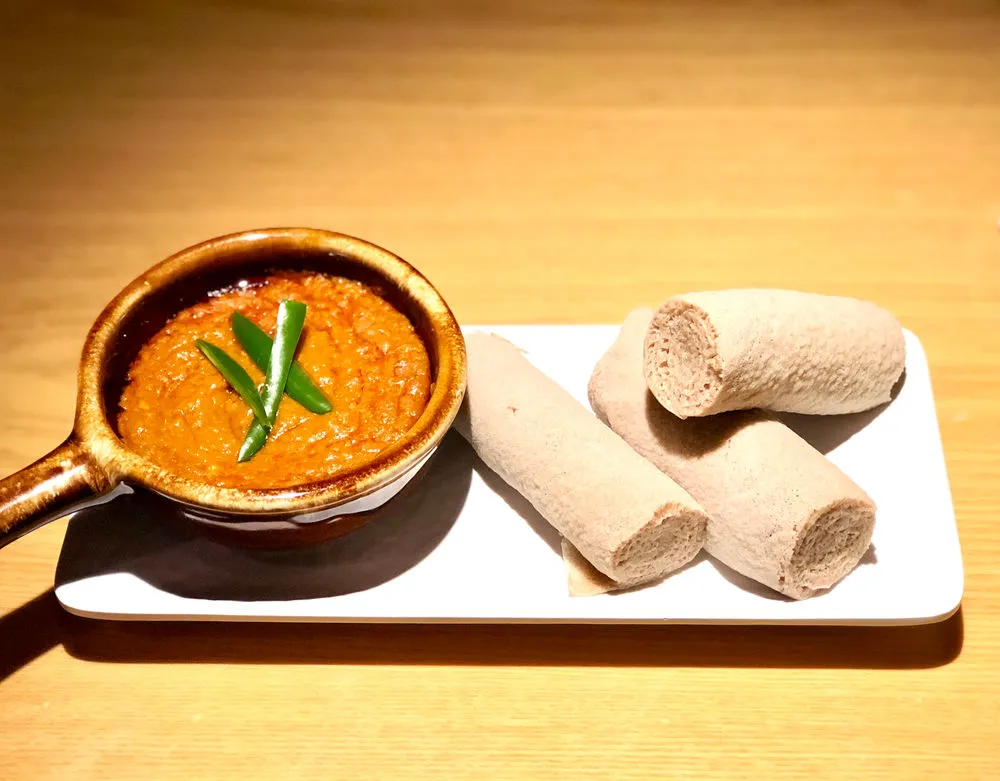
Shiro wat is ground chickpea stew, and it is among the most eaten dishes in Ethiopia and Eritrea. Onion, garlic, tomato and berbere are cooked down in oil, chickpea flour is whisked in, and the result thickens to something between a thick gravy and a puree, smooth enough to spread and eaten with injera.
Its position has a great deal to do with the religious calendar. Ethiopian Orthodox practice includes a very large number of fasting days, on which no meat, eggs or dairy are eaten, and shiro contains none of them. It is standard on Wednesdays and Fridays, through the eight weeks of Tsom, the Great Lent, and it is eaten during Ramadan by Ethiopian and Eritrean Muslims too. That is a dish serving two religions in one country without modification.
It is also cheap and quick, which explains the rest of its reach. Shiro powder, sold ready mixed with the spices already in it, is available across Ethiopia and increasingly abroad, in two kinds: mitten shiro, which is red and carries berbere, and netch shiro, which is white and mild. The dish takes different forms by consistency and name: shiro fessess is runny and served over injera with chillies, shiro tegamino is thick and cooked in an earthenware pot until it bubbles and caramelises at the base, and shiro fit fit shreds injera through it for breakfast.
Les mentions alimentaires sont fournies par les contributeurs à titre indicatif. Elles ne sont pas vérifiées par AFN et dépendent des produits que vous achetez. En cas d’allergie grave, vérifiez vous-même chaque ingrédient. Cuisine, allergies et votre propre jugement