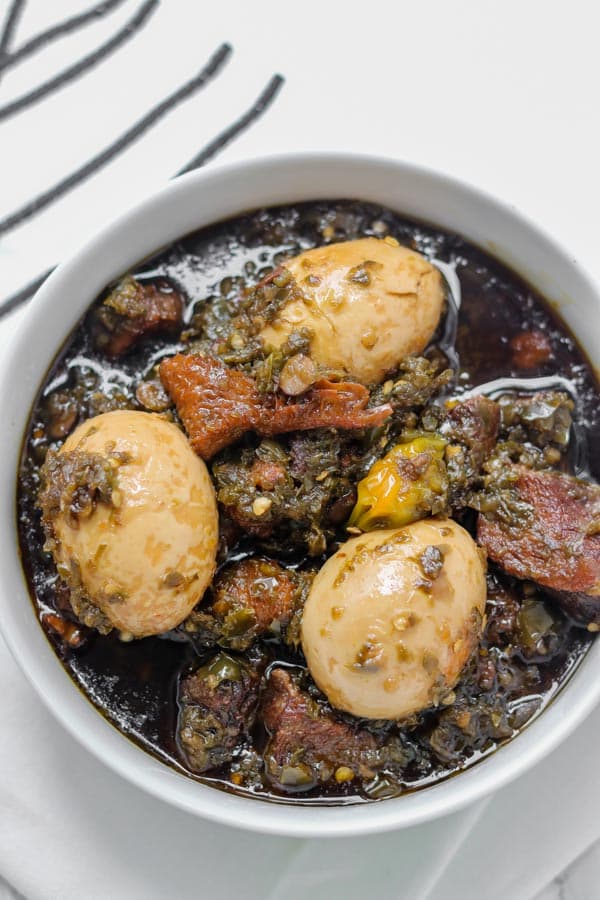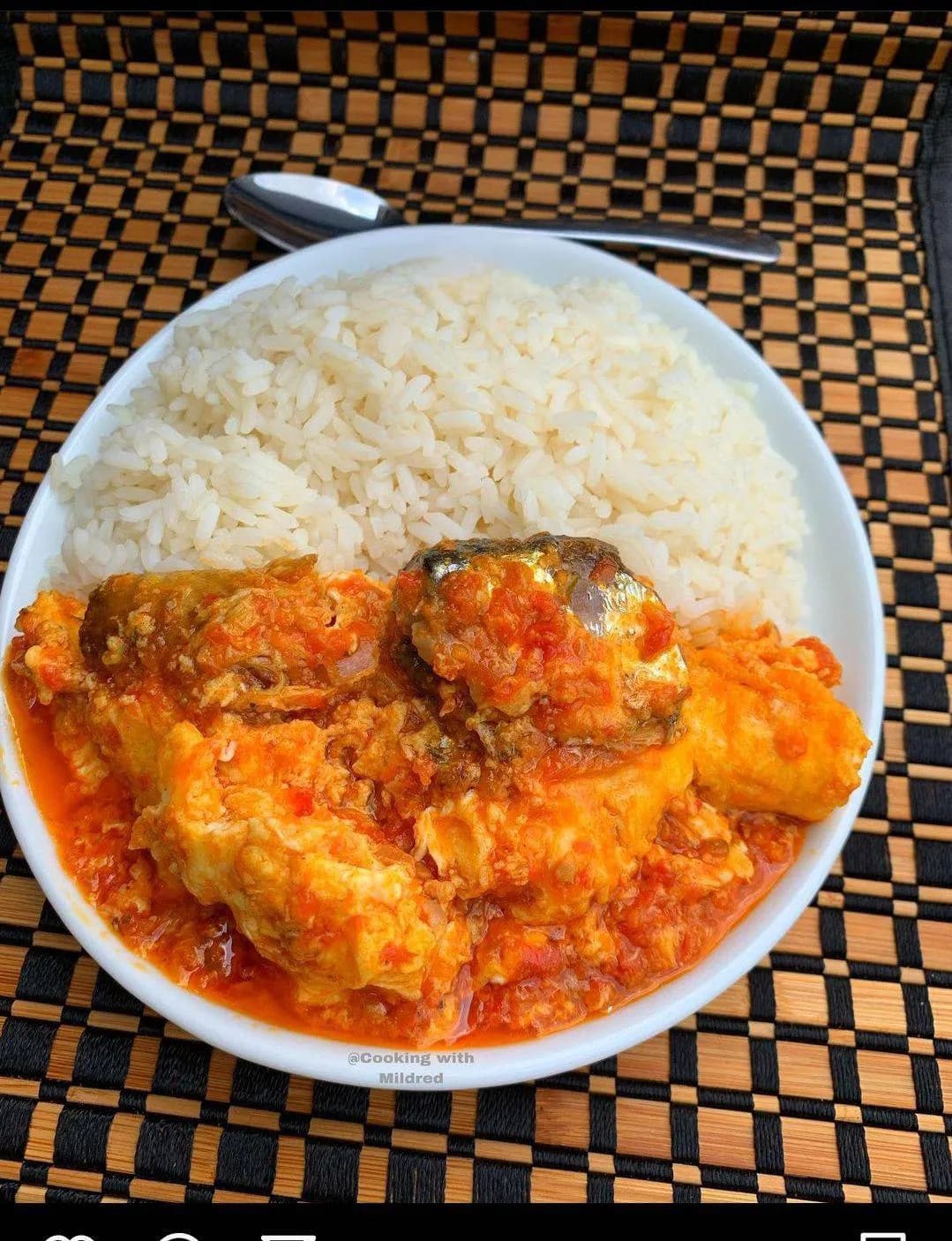
Quick Egg Stew
25 minEasy


Cookies sur African Food Network
Nous utilisons des cookies essentiels au fonctionnement du site. Nous aimerions aussi déposer des cookies de mesure d’audience et des cookies publicitaires, uniquement avec votre accord. Vous pouvez choisir séparément pour chacun. Lire notre politique relative aux cookies
Parcourez les archives par pays, par plat et par temps de cuisson.
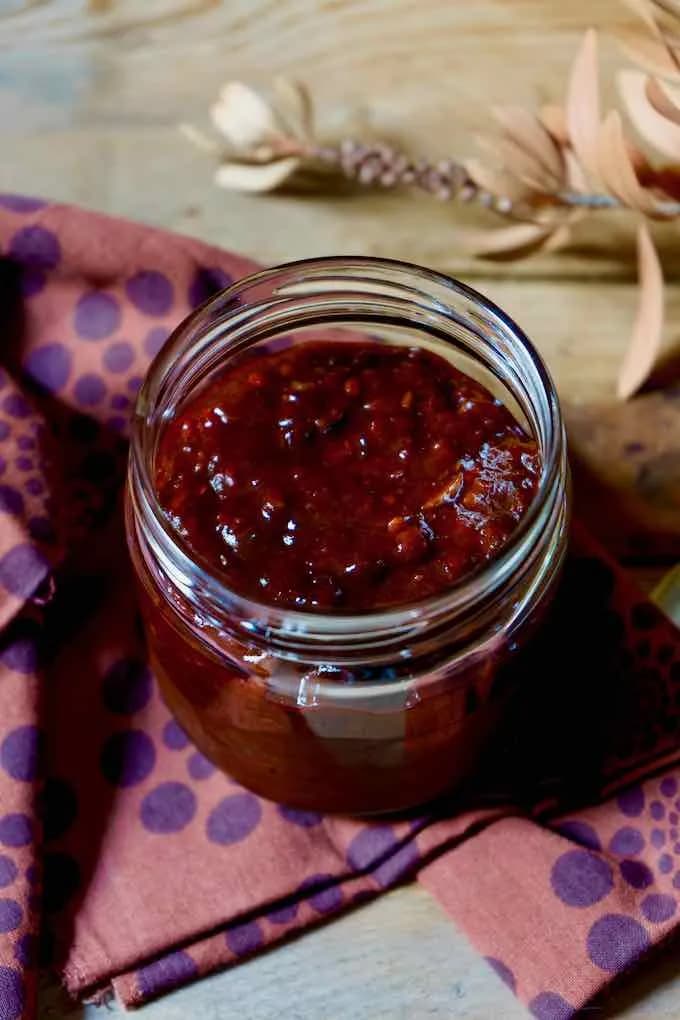
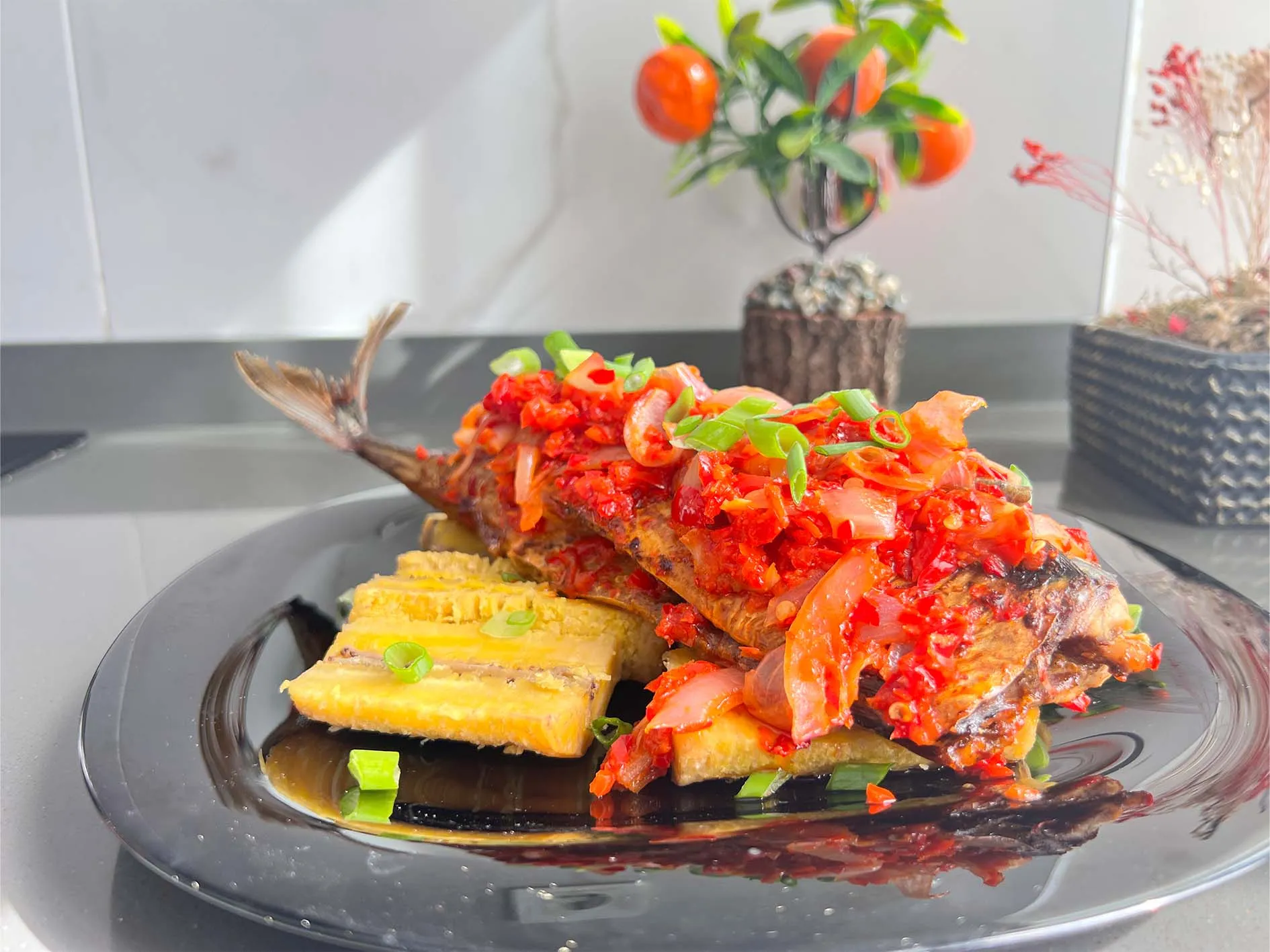
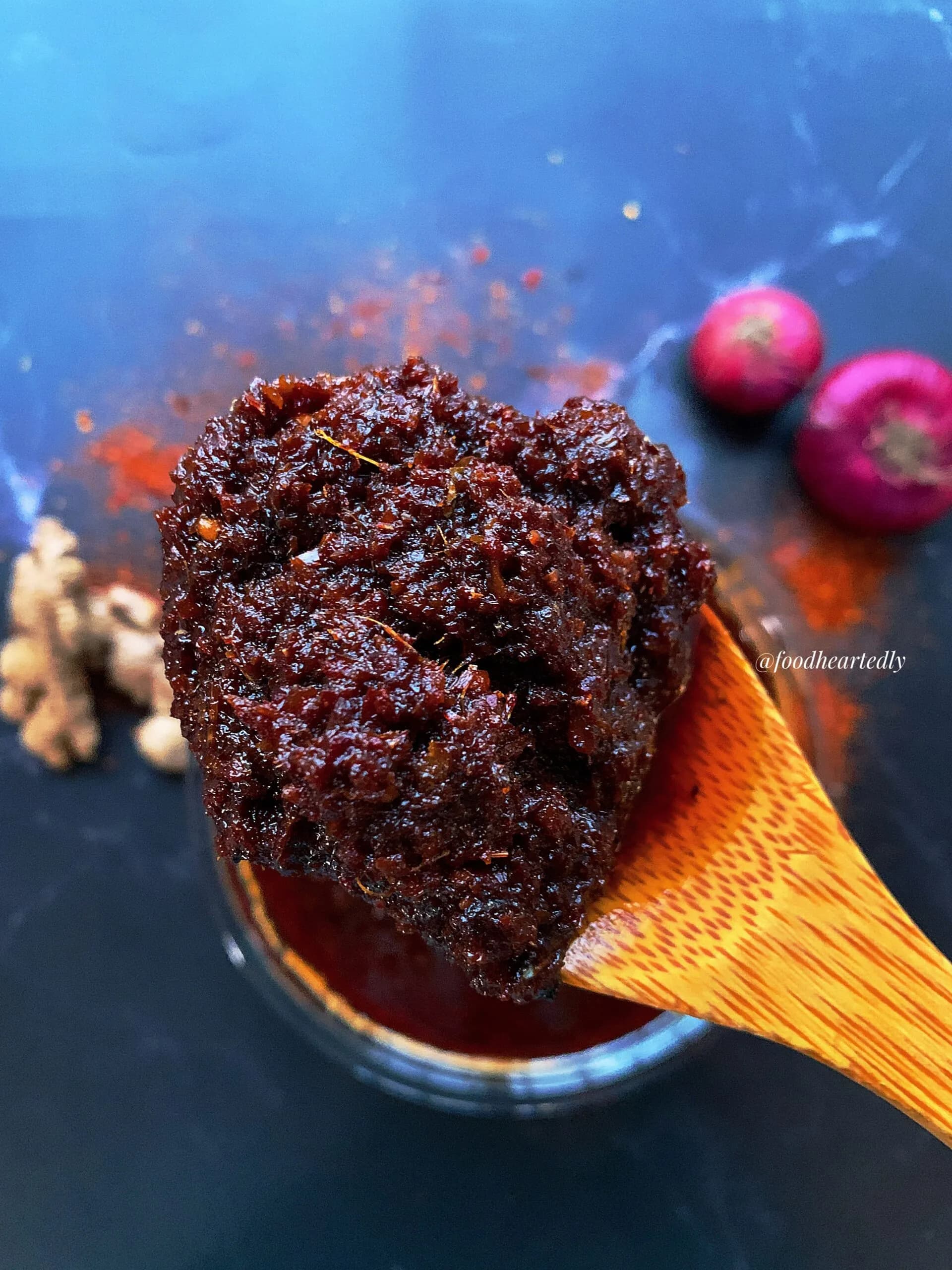
Shito is Ghana's dark chilli condiment, and it is one of the few West African sauces that keeps for months. Dried shrimp, ground smoked fish, chilli, onion, ginger and garlic are cooked down slowly in a large quantity of oil until the whole thing turns nearly black, and the oil that rises to the top is what preserves it. The name is simply the Ga word for pepper. It is made differently in every region and village, and it comes coarse or smooth, medium or extremely hot, depending on the household. What does not change is the smokiness, which comes from ground smoked fish and dried shrimp rather than from any smoking of the sauce itself. That combination has been compared to Malaysian sambal belacan, which works on the same principle of dried seafood cooked into chilli paste. It goes with almost everything: waakye, kenkey, plain rice, fried plantain, yam, beans. Ghanaians abroad travel with jars of it. Its keeping quality is the practical reason it exists in the quantities it does, since a batch made once will sit in the cupboard for two or three months with the oil layer intact, and in the fridge after that.
Les mieux notées
50 minMediumGhana
Recette de Jennifer · Africook



Des plats transmis de génération en génération
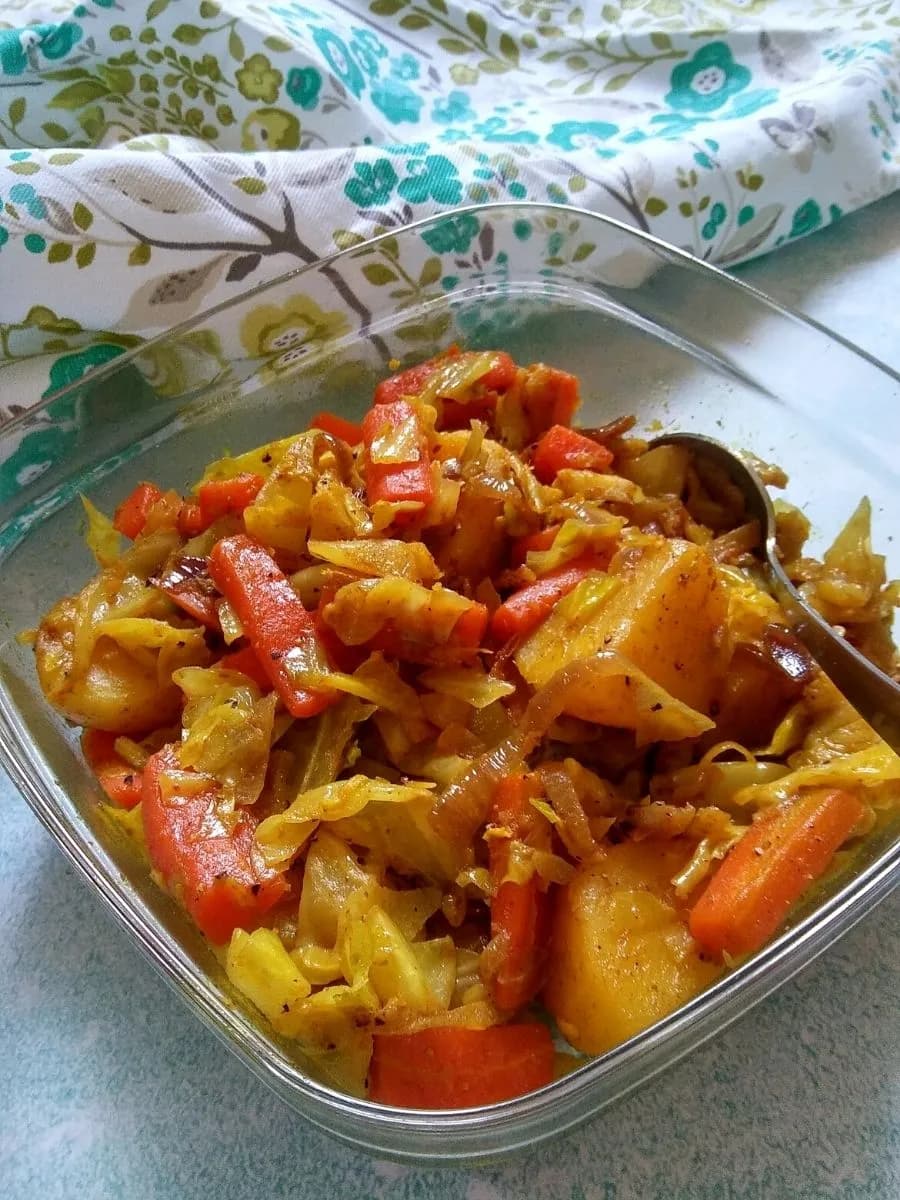 Ethiopian Berbere Cabbage - Atakilt Wat1 hr 5 min · East Africa
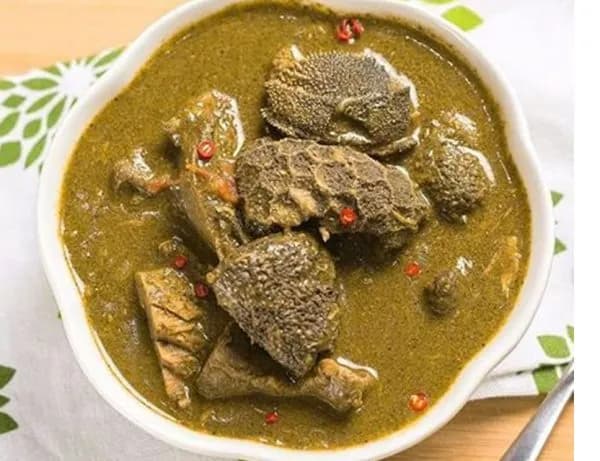 Miyan Kuka (Baobab Leaves Soup)30 min · West Africa
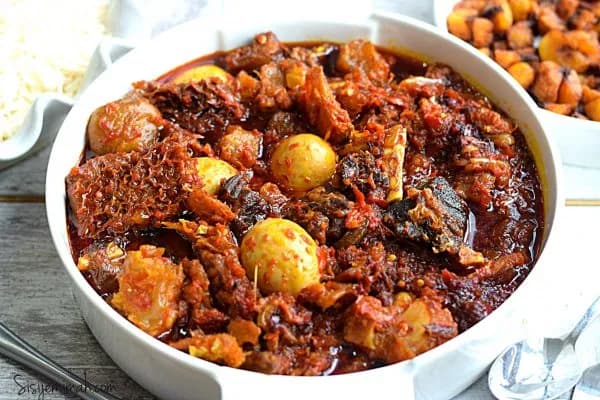 Buka Stew With Assorted Meats (Obe Ata)50 min · West Africa
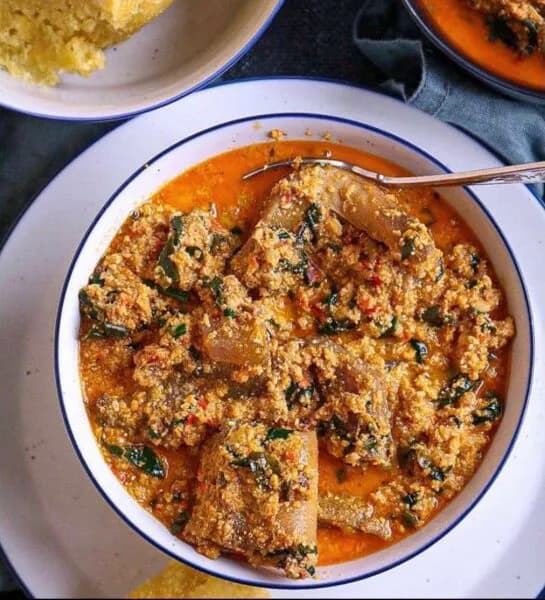 Egusi Soup50 min · West Africa
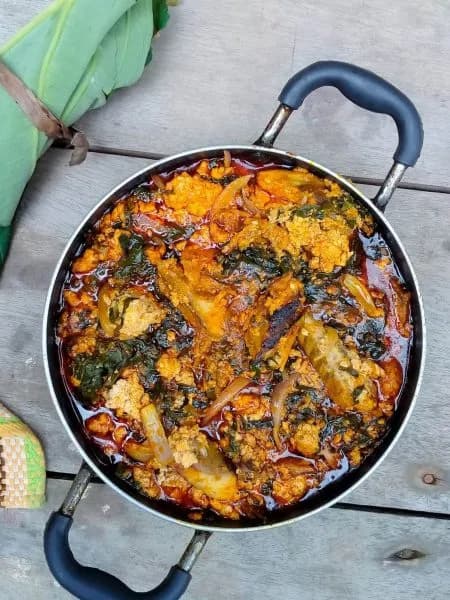 Kontomire Stew50 min · West Africa
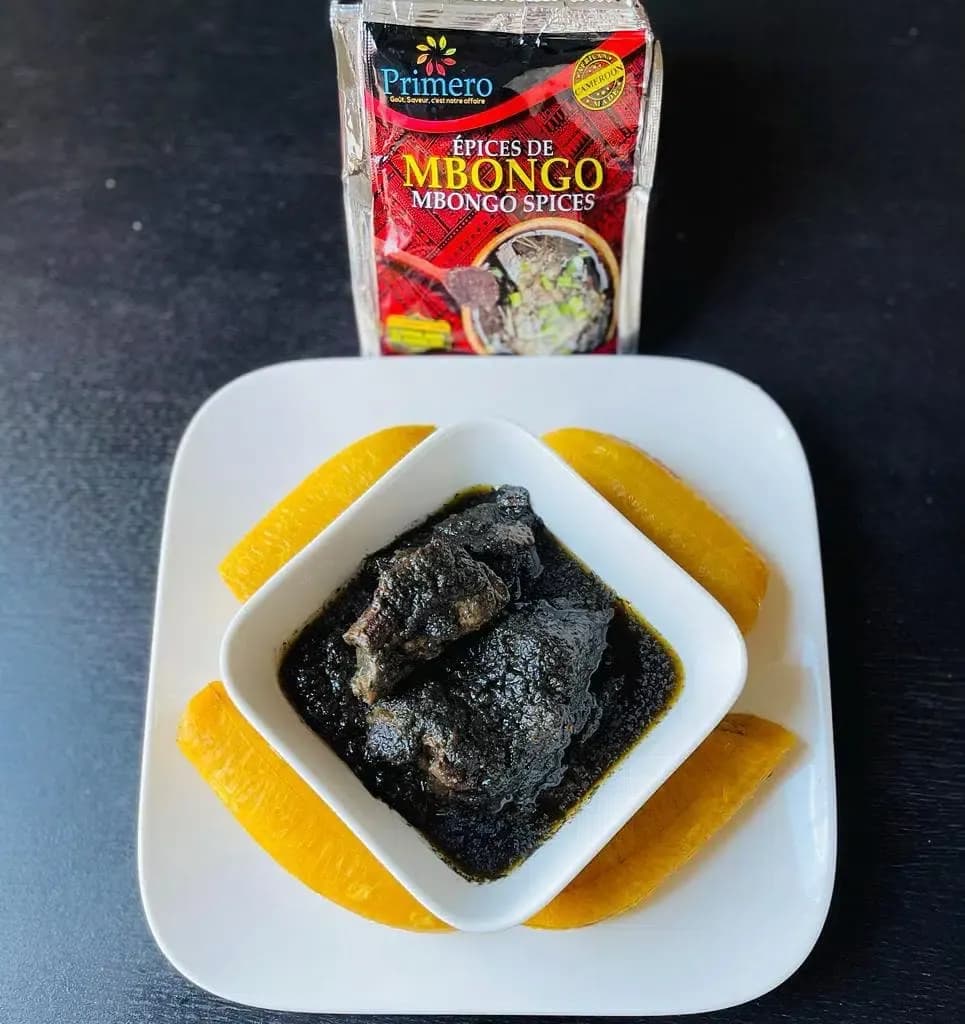 Mbongo Tchobi (Cameroonian Black Spice Stew)1 hr 5 min · Central Africa
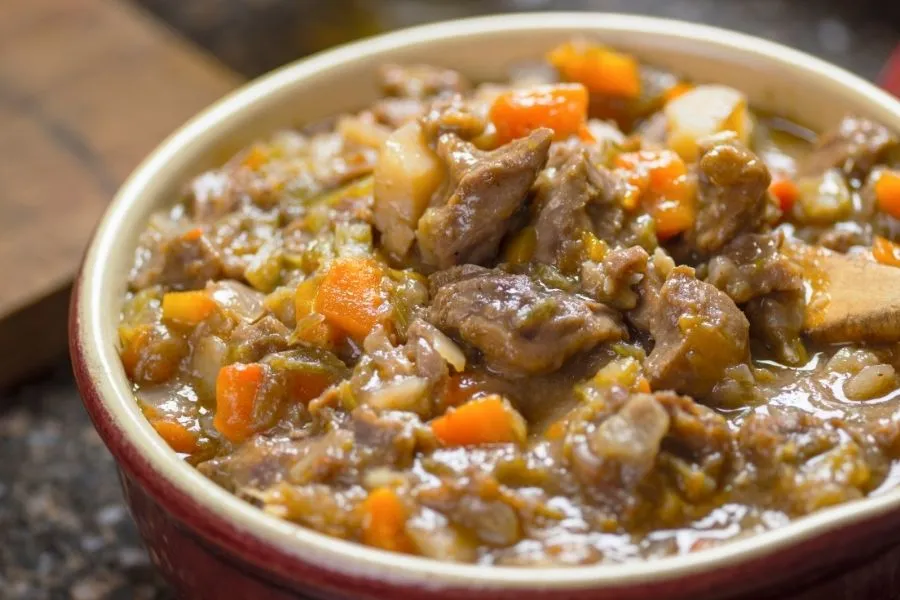 Miris (Sudanese Stew with Lamb Fat)35 min · East Africa
 Njama Njama (Cameroonian Greens)50 min · Central Africa