Nous utilisons des cookies essentiels au fonctionnement du site. Nous aimerions aussi déposer des cookies de mesure d’audience et des cookies publicitaires, uniquement avec votre accord. Vous pouvez choisir séparément pour chacun. Lire notre politique relative aux cookies
Loading
Recettes
Parcourez les archives par pays, par plat et par temps de cuisson.
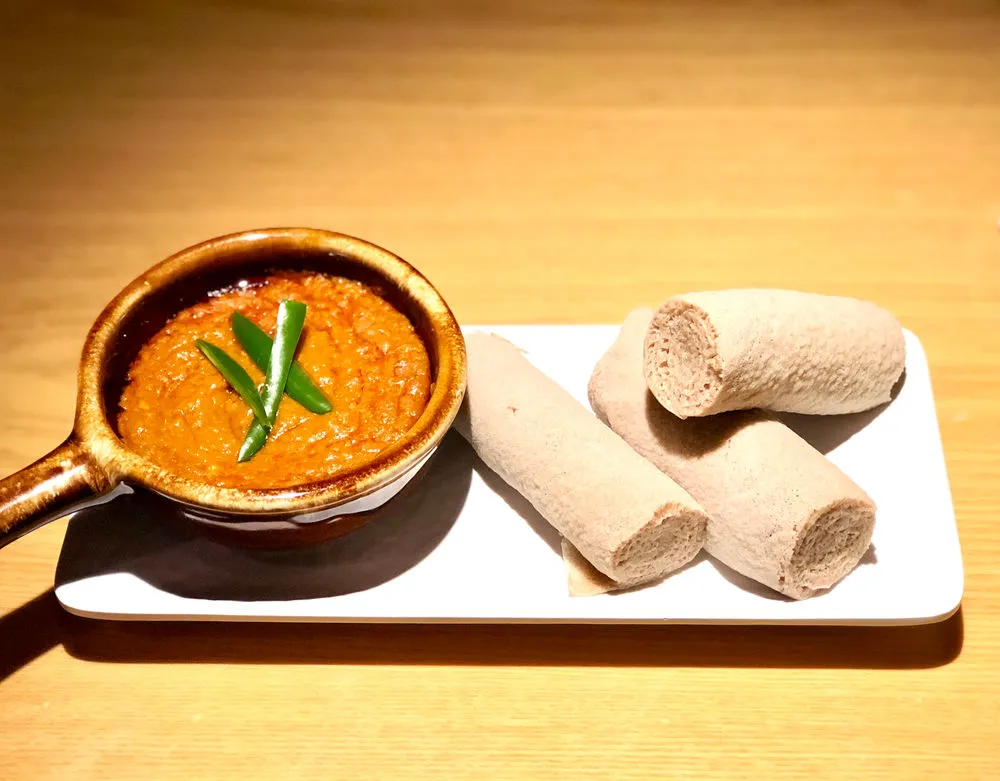
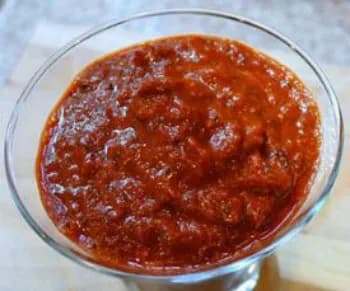
Shiro wat is ground chickpea stew, and it is among the most eaten dishes in Ethiopia and Eritrea. Onion, garlic, tomato and berbere are cooked down in oil, chickpea flour is whisked in, and the result thickens to something between a thick gravy and a puree, smooth enough to spread and eaten with injera.
Its position has a great deal to do with the religious calendar. Ethiopian Orthodox practice includes a very large number of fasting days, on which no meat, eggs or dairy are eaten, and shiro contains none of them. It is standard on Wednesdays and Fridays, through the eight weeks of Tsom, the Great Lent, and it is eaten during Ramadan by Ethiopian and Eritrean Muslims too. That is a dish serving two religions in one country without modification.
It is also cheap and quick, which explains the rest of its reach. Shiro powder, sold ready mixed with the spices already in it, is available across Ethiopia and increasingly abroad, in two kinds: mitten shiro, which is red and carries berbere, and netch shiro, which is white and mild. The dish takes different forms by consistency and name: shiro fessess is runny and served over injera with chillies, shiro tegamino is thick and cooked in an earthenware pot until it bubbles and caramelises at the base, and shiro fit fit shreds injera through it for breakfast.
Bananas and their cooking relatives are among the most important foods in Africa's Great Lakes region and across its humid tropical belt. In Uganda, Rwanda, Burundi, eastern DR Congo and parts of Tanzania and Kenya, the plant is a staple rather than a fruit: green cooking bananas are steamed, mashed, worked into stews and eaten daily, and the sweet ripe banana is only one use among many.
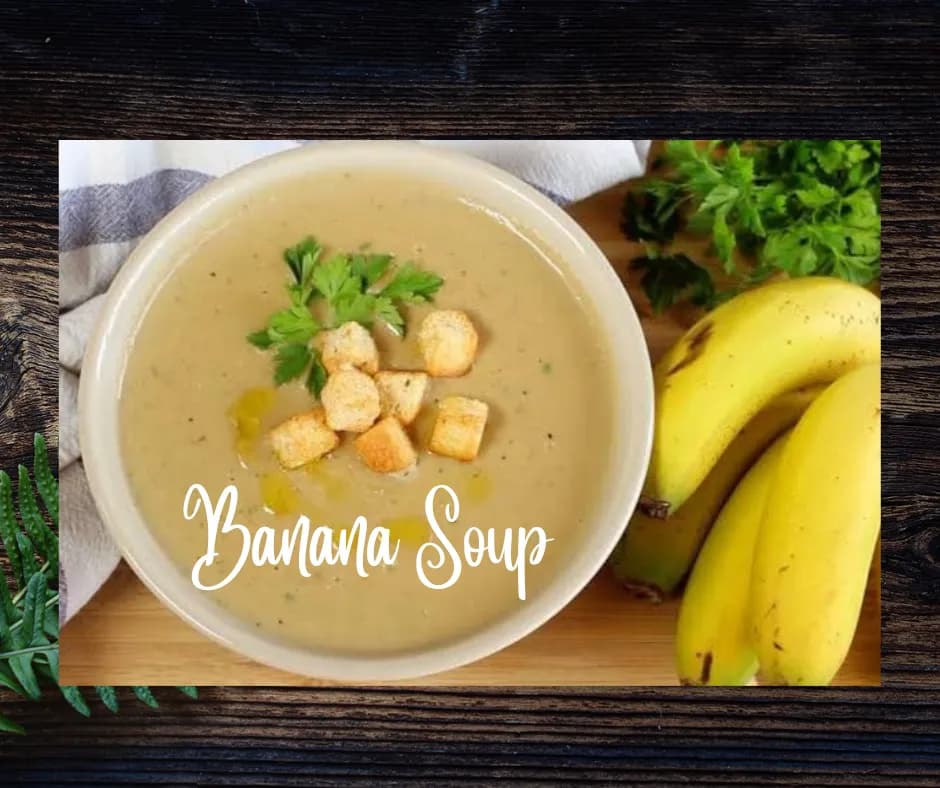
That distinction between cooking banana and ripe fruit matters for placing this recipe. It uses ripe bananas, blended smooth with coconut milk and finished with curry powder and turmeric, which puts it closer to the spiced coconut cooking of the Swahili coast than to the green banana dishes of the interior. The pairing of coconut milk with warm spice is genuinely East African coastal; the blended sweet banana base is not a documented preparation from any specific tradition.
This is best understood as a contemporary dish rather than an inherited one. It uses African ingredients and an East African coastal flavour logic, but no country, community or lineage can honestly be attached to it on the evidence available. What it does well is show what ripe banana does under savoury treatment, which is a legitimate thing for a recipe to do without claiming a heritage it does not have.
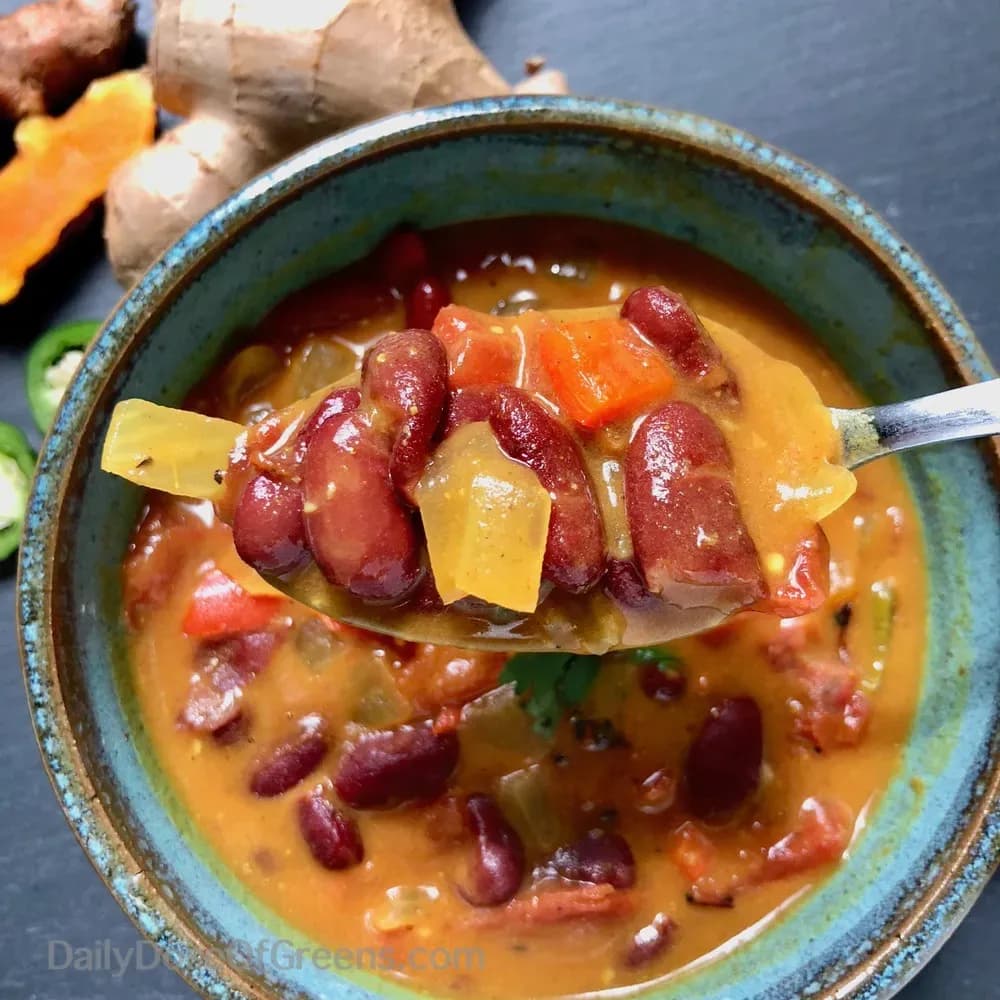
Maharagwe is simply the Swahili word for beans, and the dish is red beans simmered with onion, tomato and spices in coconut milk. It is eaten across Kenya and is most often served with ugali, though rice and flatbreads are equally common.
The coconut milk places it on the Swahili coast. Coastal Kenyan cooking uses coconut in a way inland cooking does not, and it arrived through the same Indian Ocean trade that brought cardamom, cumin, turmeric and coriander into the region's food. Those spices are all here, and the presence of mild curry powder alongside them reflects the long South Asian presence in East Africa.
It reads as though it should be fiery and is not. The spice list is long and includes chilli, but the coconut milk rounds all of it off, so the finished dish is warm and aromatic rather than hot. It is also quick: with cooked or tinned beans it is on the table in under thirty minutes. The sauce should come up to just cover the beans and will thicken further as it cools, so it is worth stopping while it still looks slightly loose.
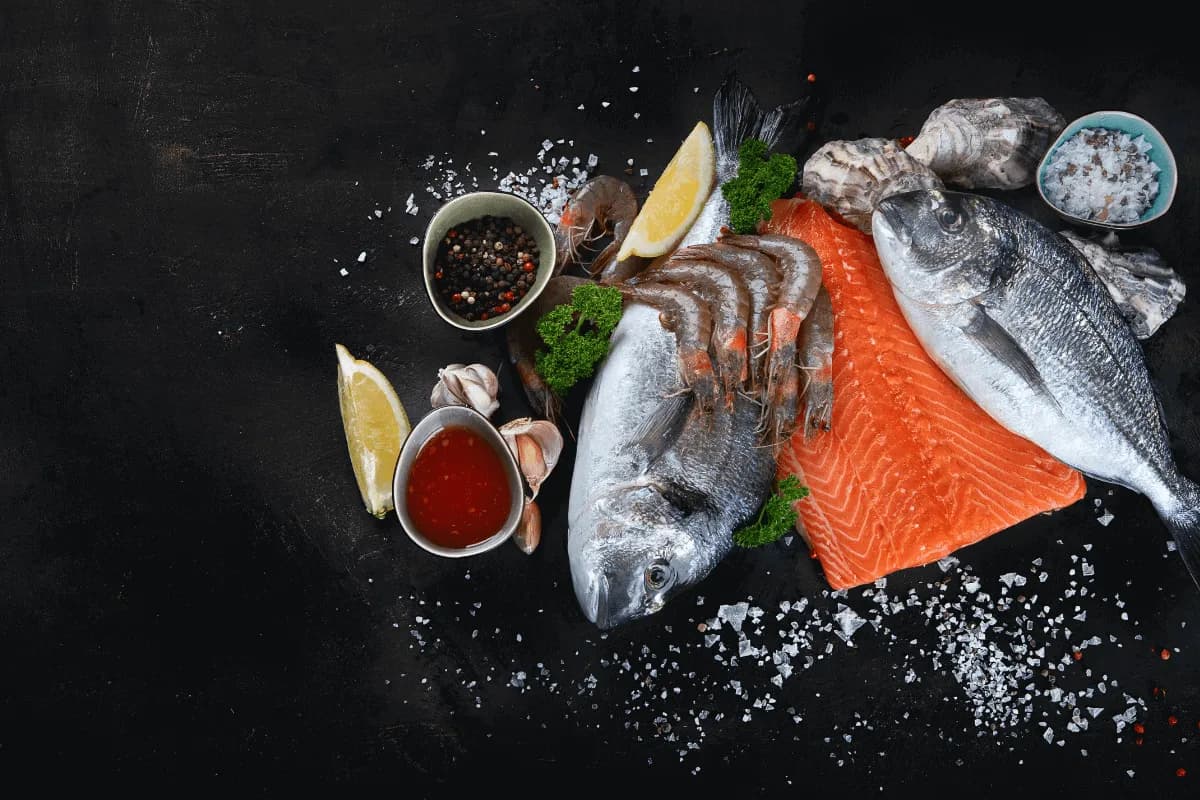
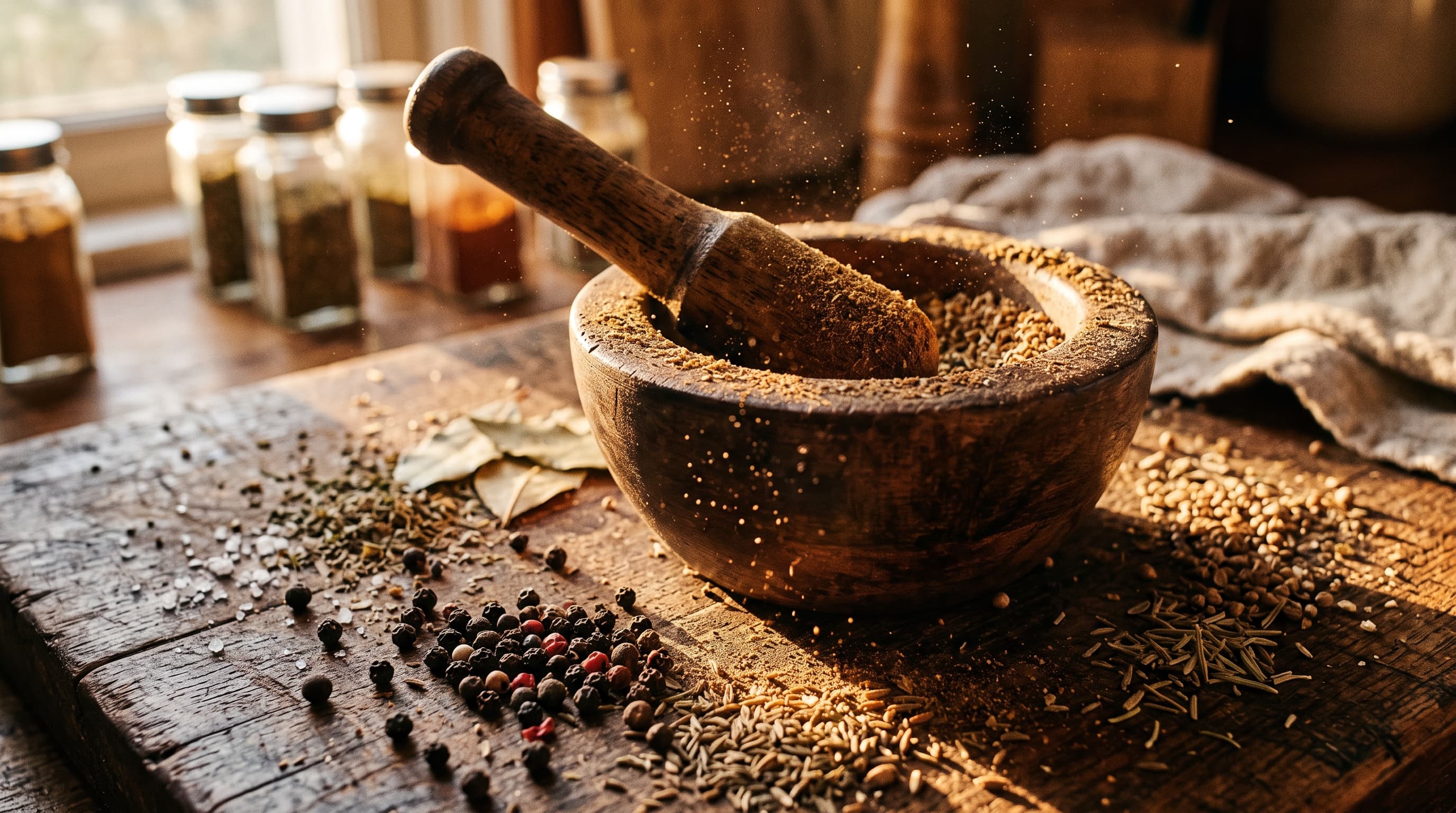
This is a dry spice rub for fish, and it belongs to no particular cuisine. Paprika, thyme, oregano, garlic powder, onion powder, salt, black pepper and cayenne is a broadly Western seasoning profile, and the source claims no country for it.
That is worth stating plainly on a platform documenting African food, because Africa has a great many specific fish seasonings that this is not. Nigerian fish is seasoned with blended pepper, ginger and stock cubes. Senegalese fish carries rof, a stuffing of parsley, garlic and chilli pushed into slashes in the flesh. Moroccan fish is marinated in chermoula, built on coriander, cumin, paprika and preserved lemon. Any of those would be the regional answer to the question this recipe is asking.
What is here is a competent all purpose blend, useful for grilling, baking or pan frying, and it keeps for months in a sealed jar. It is filed under Worldwide Recipes rather than presented as African, since inventing a heritage for a paprika and oregano rub would be exactly the kind of claim this archive should not make.
Les mentions alimentaires sont fournies par les contributeurs à titre indicatif. Elles ne sont pas vérifiées par AFN et dépendent des produits que vous achetez. En cas d’allergie grave, vérifiez vous-même chaque ingrédient. Cuisine, allergies et votre propre jugement