Nous utilisons des cookies essentiels au fonctionnement du site. Nous aimerions aussi déposer des cookies de mesure d’audience et des cookies publicitaires, uniquement avec votre accord. Vous pouvez choisir séparément pour chacun. Lire notre politique relative aux cookies
Loading
Recettes
Parcourez les archives par pays, par plat et par temps de cuisson.
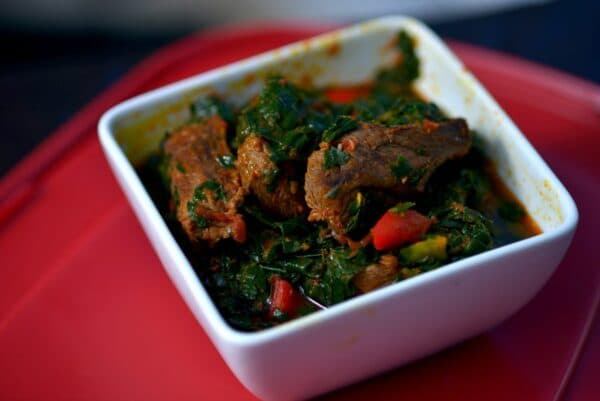
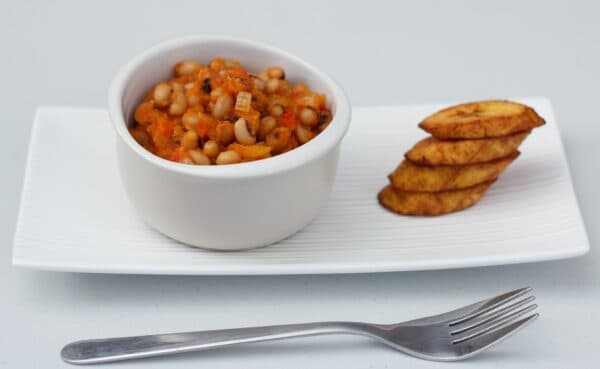
Superkanja is the Gambian okra stew, and its name is a small piece of linguistic history in itself. Supa comes from the Portuguese sopa, meaning soup, and kanja is the West African word for okra, so the name is a compound of the two languages that met on that coast. It is also written supa kanja, supakanja and kanjadaa.
Okra gives it the texture it is known for, thick and drawing, and the stew carries leafy greens alongside it: spinach, collards, sweet potato leaves, whatever is available. Palm oil, onion, chilli and either fish or meat complete it, and smoked catfish is the traditional choice for the depth it brings. Related dishes exist across the region, and Ghanaian kontomire works on a similar principle.
It is Saturday lunch food in the Gambia, eaten in both rural and urban households, and it is served either as a soup in its own right or ladled over rice as a stew. Fufu is the other standard partner. The baking powder in the ingredient list is not a mistake and not a leavening agent: a small quantity is used to help the okra break down and soften, which is the texture Gambians are aiming for.
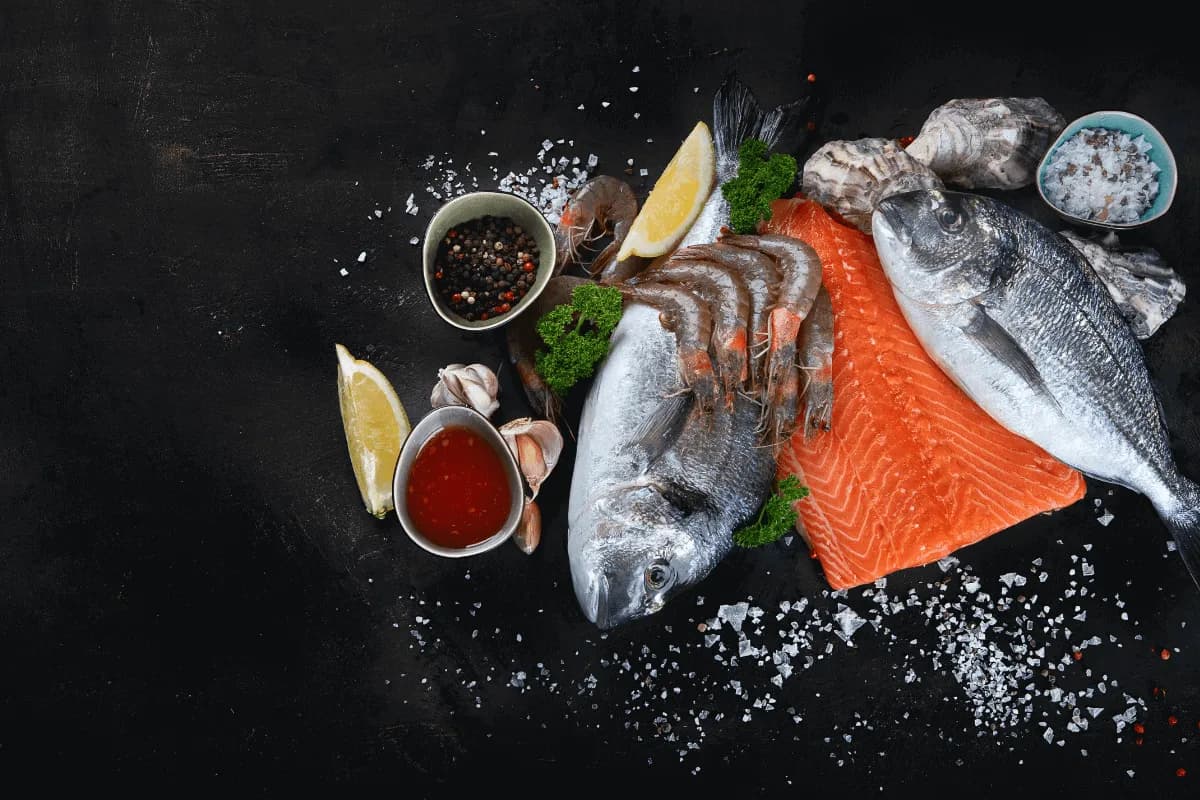
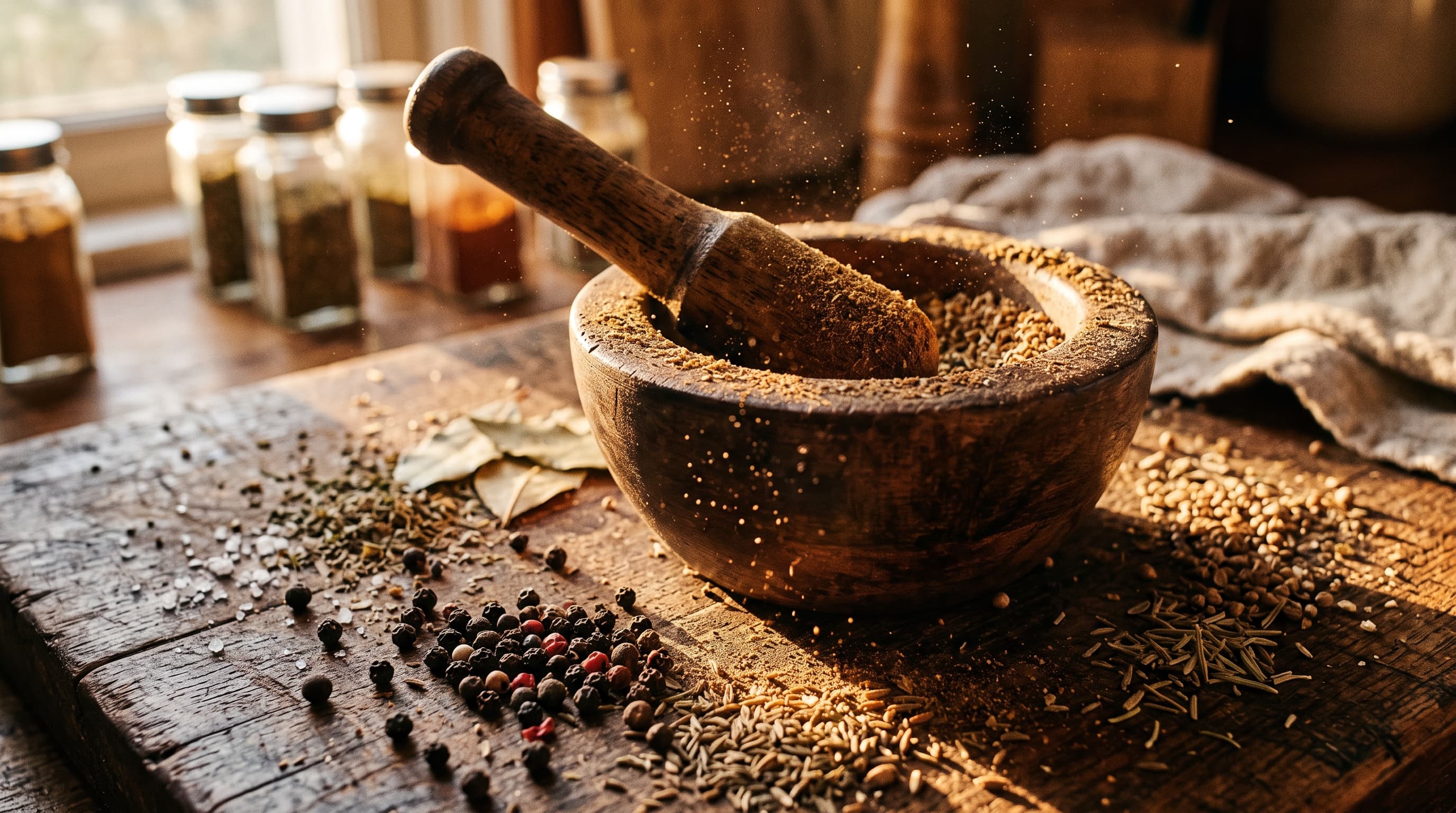
This is a dry spice rub for fish, and it belongs to no particular cuisine. Paprika, thyme, oregano, garlic powder, onion powder, salt, black pepper and cayenne is a broadly Western seasoning profile, and the source claims no country for it.
That is worth stating plainly on a platform documenting African food, because Africa has a great many specific fish seasonings that this is not. Nigerian fish is seasoned with blended pepper, ginger and stock cubes. Senegalese fish carries rof, a stuffing of parsley, garlic and chilli pushed into slashes in the flesh. Moroccan fish is marinated in chermoula, built on coriander, cumin, paprika and preserved lemon. Any of those would be the regional answer to the question this recipe is asking.
What is here is a competent all purpose blend, useful for grilling, baking or pan frying, and it keeps for months in a sealed jar. It is filed under Worldwide Recipes rather than presented as African, since inventing a heritage for a paprika and oregano rub would be exactly the kind of claim this archive should not make.
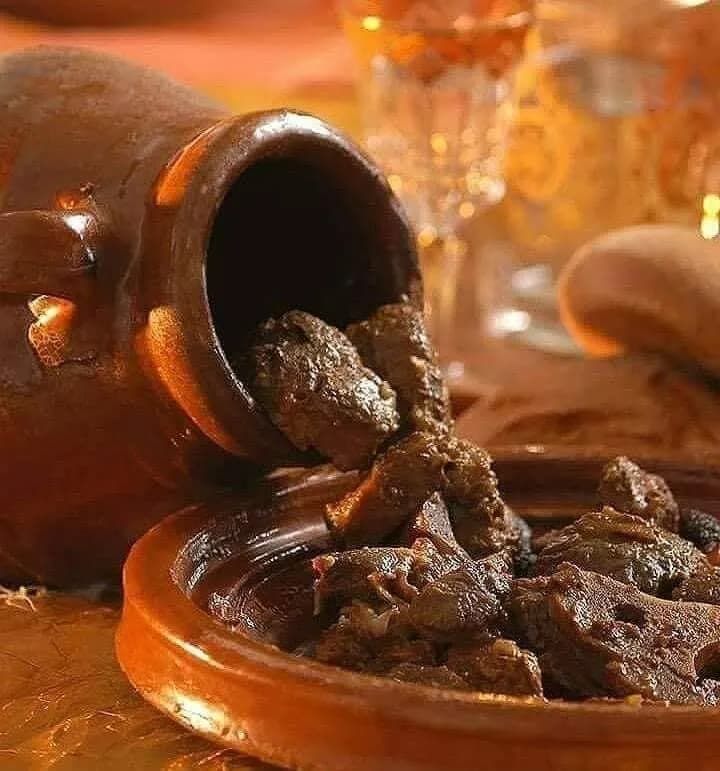
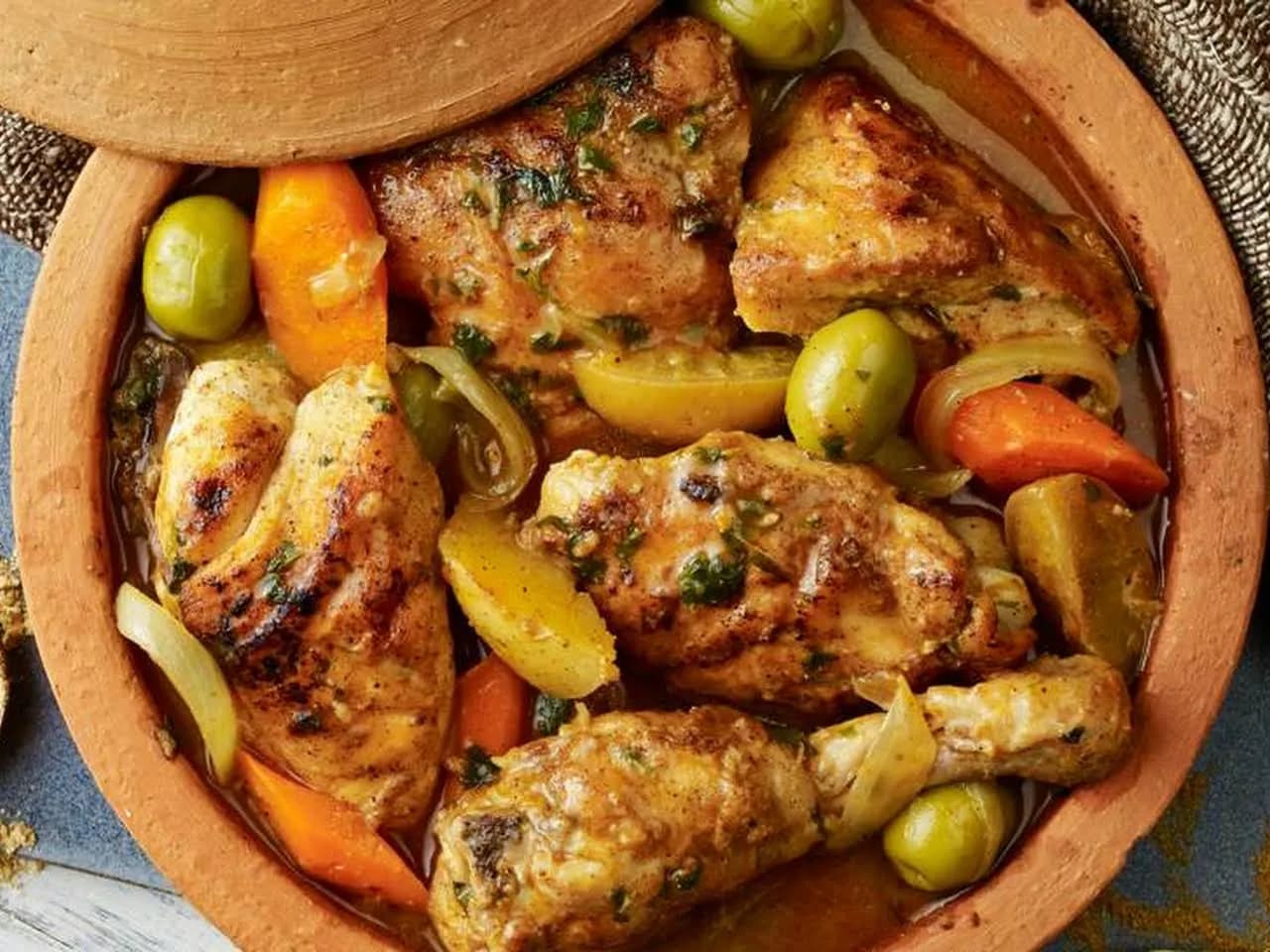
A tagine is both a conical earthenware pot and the slow-cooked stew made in it. It is North African, Moroccan and Algerian above all, and no single country is claimed.
**This page had no recipe card at all in the source: no ingredients and no method.** Both have been reconstructed from what its article describes, and that is flagged.
The pot is the reason the dish works. The wide shallow base sits over low heat while the tall cone above it collects rising steam, condenses it on the cool inner surface and returns it to the food. That means a tagine cooks in very little liquid over a long time without drying out, and the flavour concentrates rather than diluting. A heavy casserole with a tight lid approximates it.
The variations are enormous, and the source lists them well: lamb, beef, chicken or fish; dried fruit and nuts in some, fresh herbs, olives and preserved lemon in others. Ginger, cumin, turmeric, cinnamon and saffron are the common spices. Berber tagine is distinguished by the vegetables arranged around the meat rather than mixed through.
One important note the source gets right: what Tunisians call a tajine is not this at all. Tunisian tajine is a baked egg dish closer to an Italian frittata, and it has its own page here.
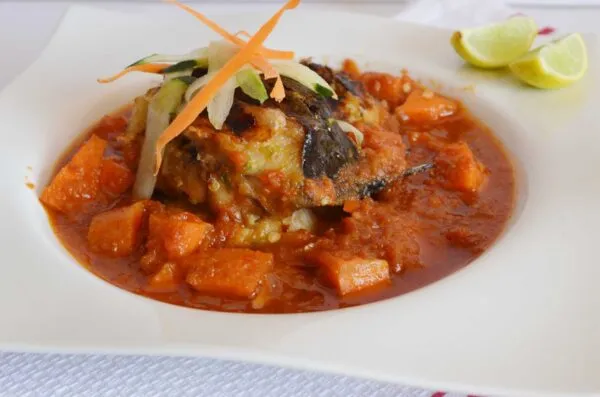
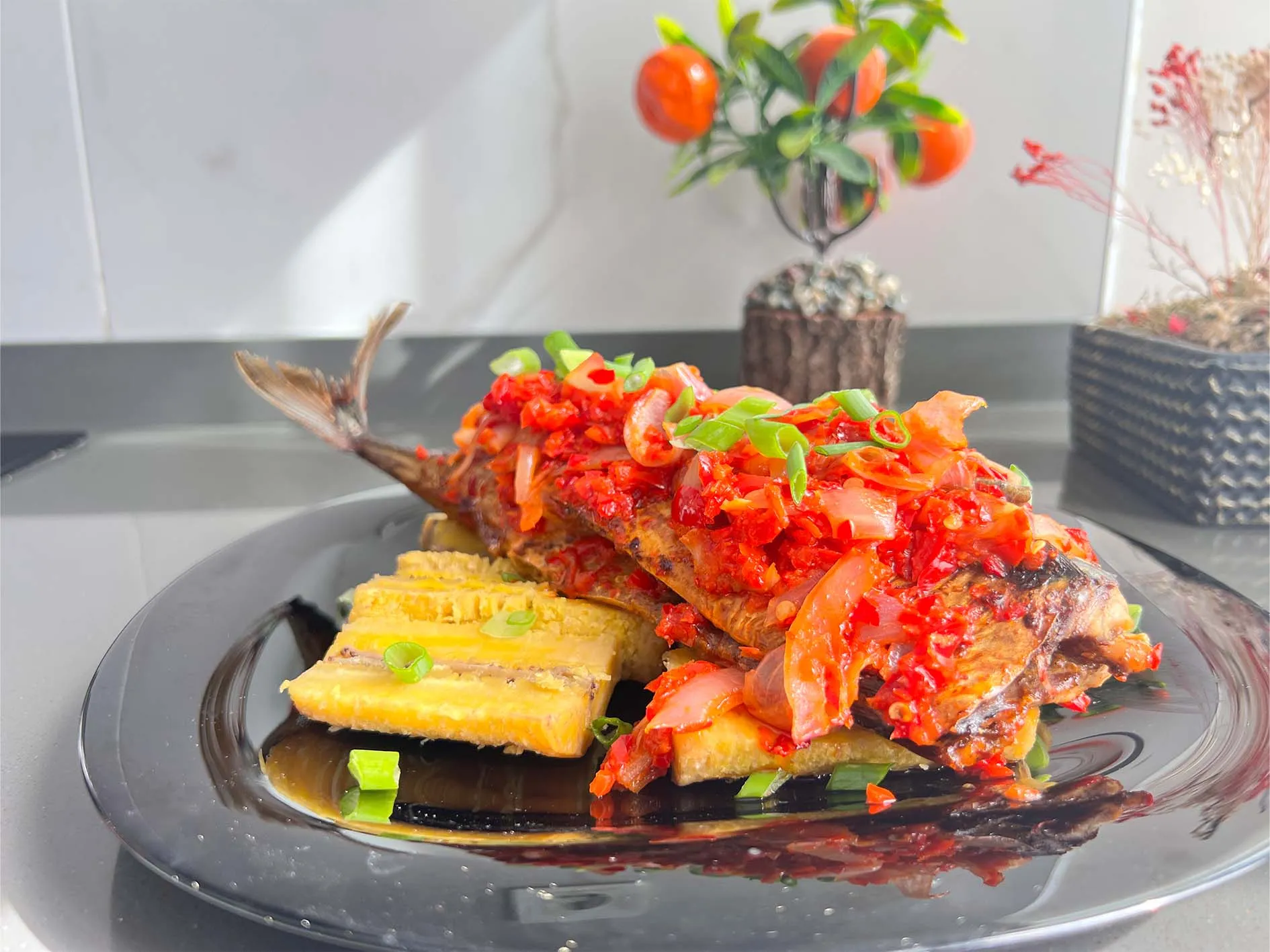
Fish marinated in chermoula, the North African herb, garlic and spice paste, then grilled or baked. Chermoula is used across Morocco, Algeria and Tunisia, so no single country has been assigned to this page.
Chermoula is essentially a marinade built around parsley and coriander in roughly equal measure, with garlic, cumin, paprika, lemon and olive oil. That green colour is the signature and it is also a warning: chermoula is at its best made fresh and used within a day or two, because the herbs darken and dull as they oxidise. Regional versions diverge from there, saffron in Morocco, more chilli in Tunisia, preserved lemon in some Moroccan households, but the parsley, coriander, garlic and cumin core holds everywhere.
Its main job is fish, and the pairing is not arbitrary. Cumin and paprika stand up to oily fish without overwhelming white fish, and the acidity of the lemon does the work that a squeeze of lemon at the table would do, only from the inside.
The one thing to watch is marinating time. Thirty minutes to an hour is what this recipe calls for and that is right; several hours in an acidic marinade begins to cure the fish rather than season it, which changes the texture in a way you probably do not want.
A related page on this site covers braised snapper with chimichurri, which is a South American parallel to the same idea.
Les mentions alimentaires sont fournies par les contributeurs à titre indicatif. Elles ne sont pas vérifiées par AFN et dépendent des produits que vous achetez. En cas d’allergie grave, vérifiez vous-même chaque ingrédient. Cuisine, allergies et votre propre jugement