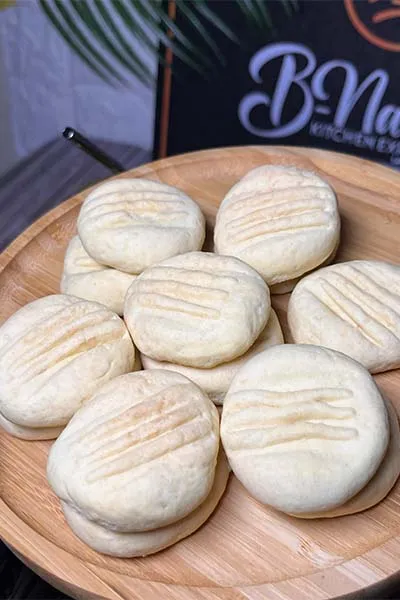
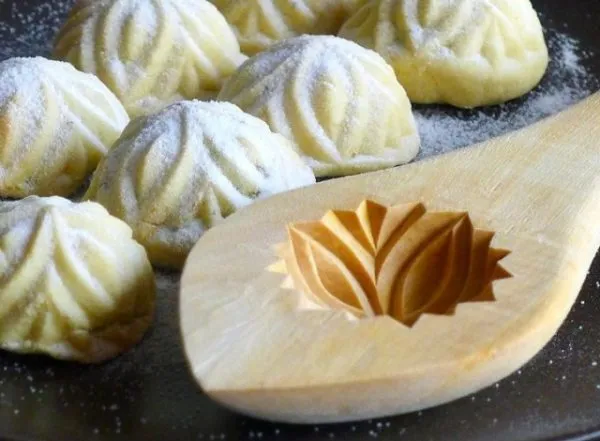
Nigerian Buns
35 minEasy


Cookies sur African Food Network
Nous utilisons des cookies essentiels au fonctionnement du site. Nous aimerions aussi déposer des cookies de mesure d’audience et des cookies publicitaires, uniquement avec votre accord. Vous pouvez choisir séparément pour chacun. Lire notre politique relative aux cookies
Parcourez les archives par pays, par plat et par temps de cuisson.
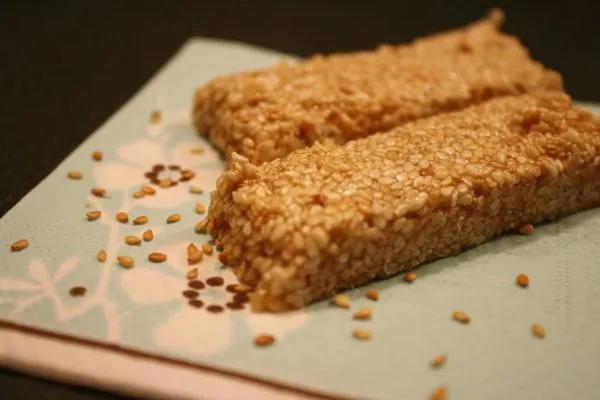
Meni-meniyong is a Malian sesame and honey brittle, cut into rectangles and sold from stalls in every market in the country. It is three ingredients and a piece of temperature judgement, and it is eaten as a sweet with tea or simply as something to buy while the shopping is being done. Mali is a substantial sesame producer and the crop is one of its larger exports, so the seed is local rather than imported, and the brittle is one of the more direct expressions of that. The traditional form is rectangular, which is how it appears on market stalls, though the shape is a convention rather than a rule. Honey is what it should be made with. Sugar is increasingly substituted because it is cheaper, and the difference in flavour is noticeable to anyone who has had both. The temperature of the honey and butter mixture is the thing that decides whether it works: cooked too long and the brittle sets rock hard, not long enough and it stays as toffee rather than setting at all. A batch that will not firm up can be returned to the pan and cooked further, which makes it more forgiving than most sugar work.
Les mieux notées
35 minMediumMali
Recette de FoodChef · Africook

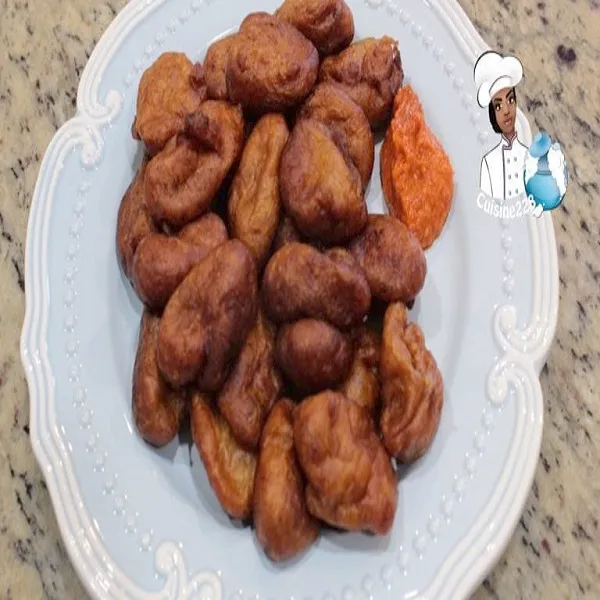
Des plats transmis de génération en génération
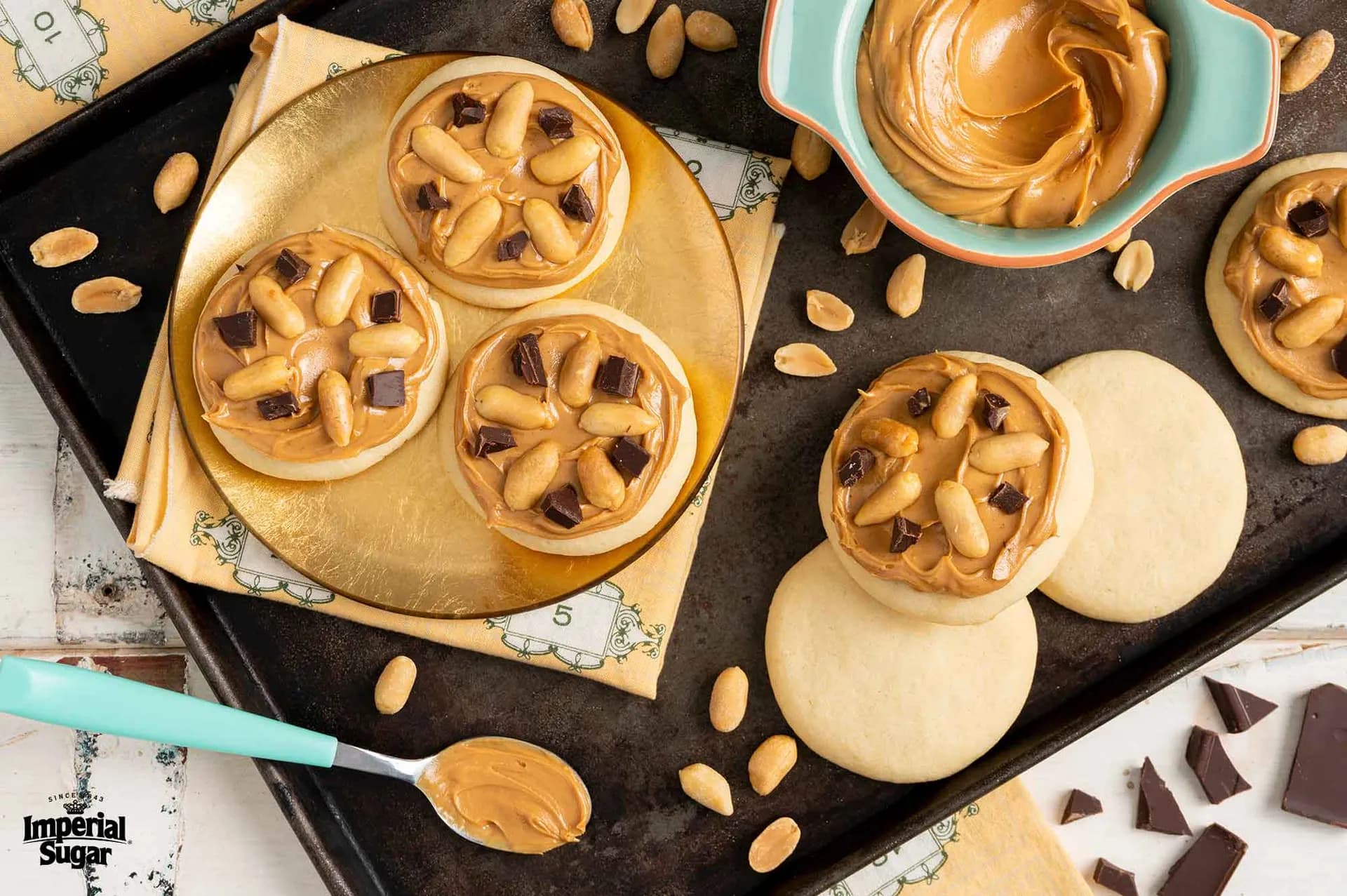 Cinq Centimes (Senegalese Peanut Cookies)1 hr 50 min · West Africa
 Dukkah (Egyptian Nut and Spice Blend)35 min · North Africa
 Egusi Pudding1 hr 40 min · West Africa
 Feteer Meshaltet (Egyptian Layered Pastry)1 hr 25 min · North Africa
 Moroccan Pastilla (Bastila)1 hr 40 min · North Africa
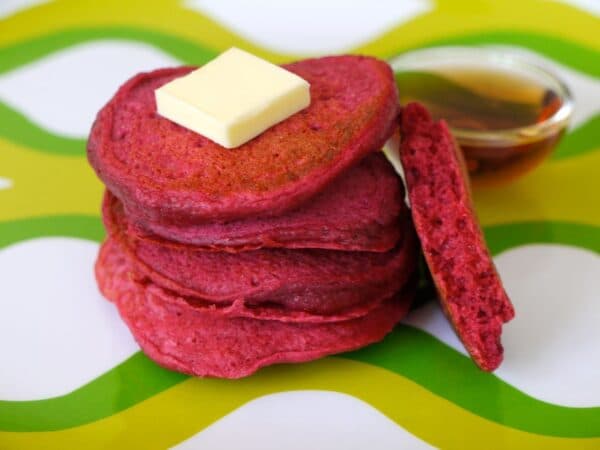 Beetroot Pancakes1 hr · Southern Africa
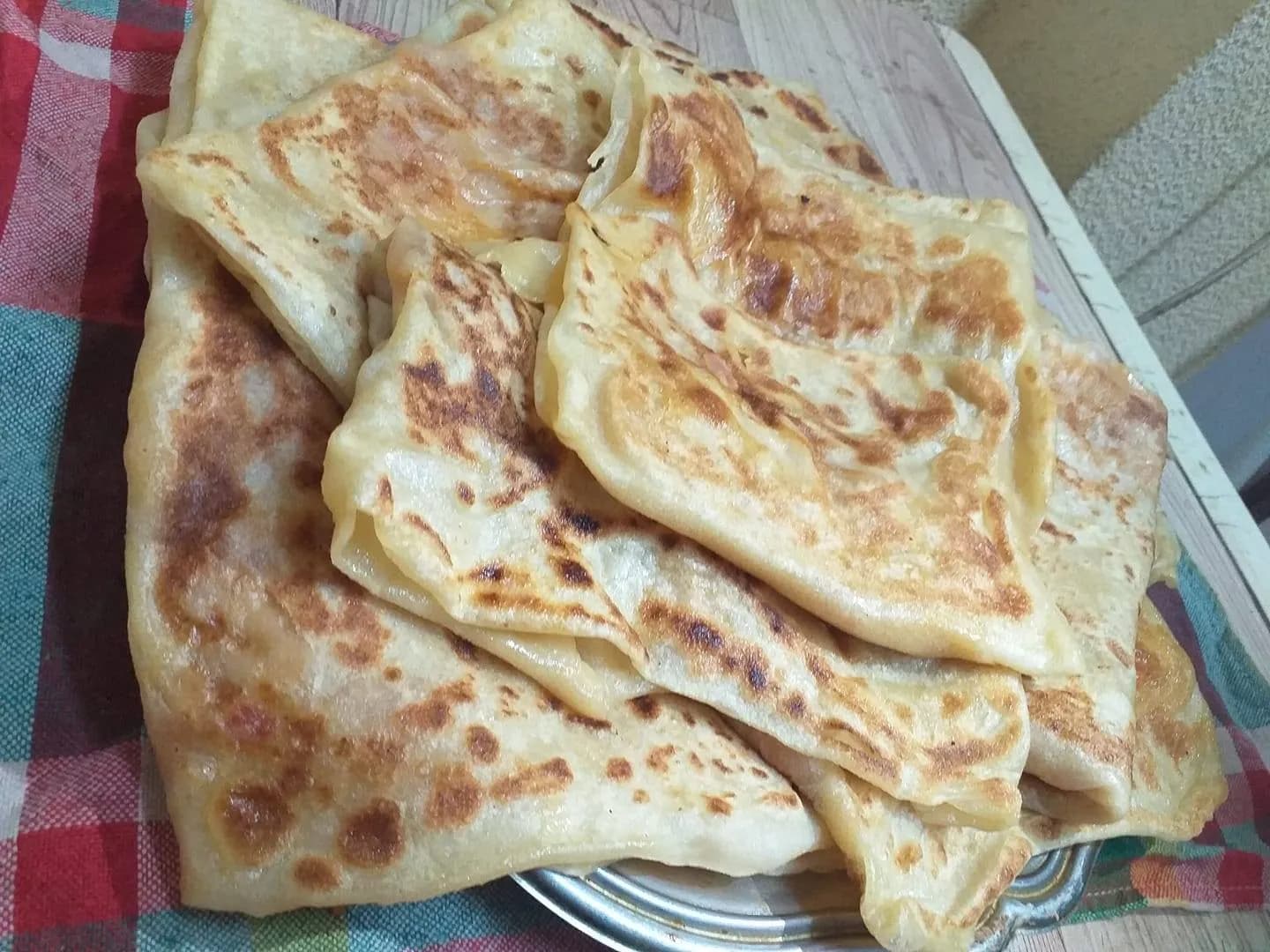 Mhajab - A Traditional North African Dish50 min · North Africa
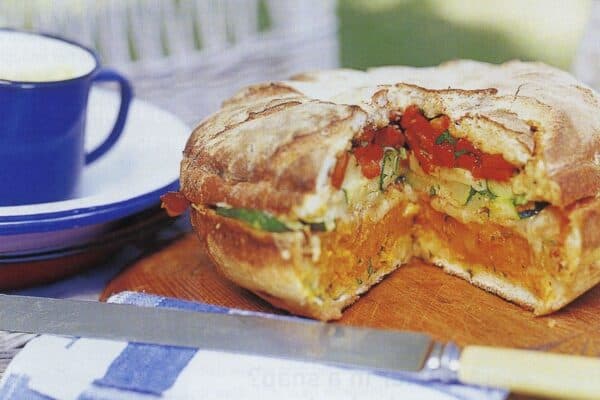 Picnic Bread (From South Africa)55 min · Southern Africa