Nous utilisons des cookies essentiels au fonctionnement du site. Nous aimerions aussi déposer des cookies de mesure d’audience et des cookies publicitaires, uniquement avec votre accord. Vous pouvez choisir séparément pour chacun. Lire notre politique relative aux cookies
Loading
Recettes
Parcourez les archives par pays, par plat et par temps de cuisson.
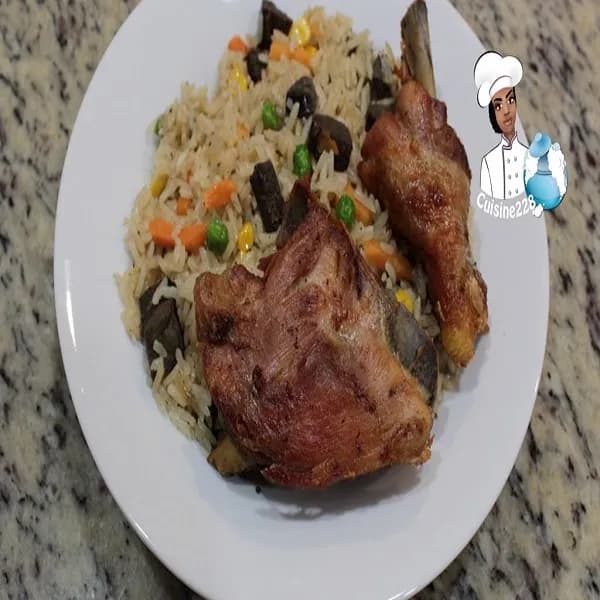
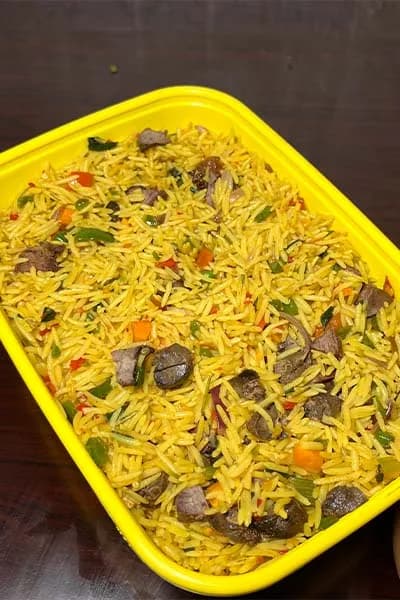
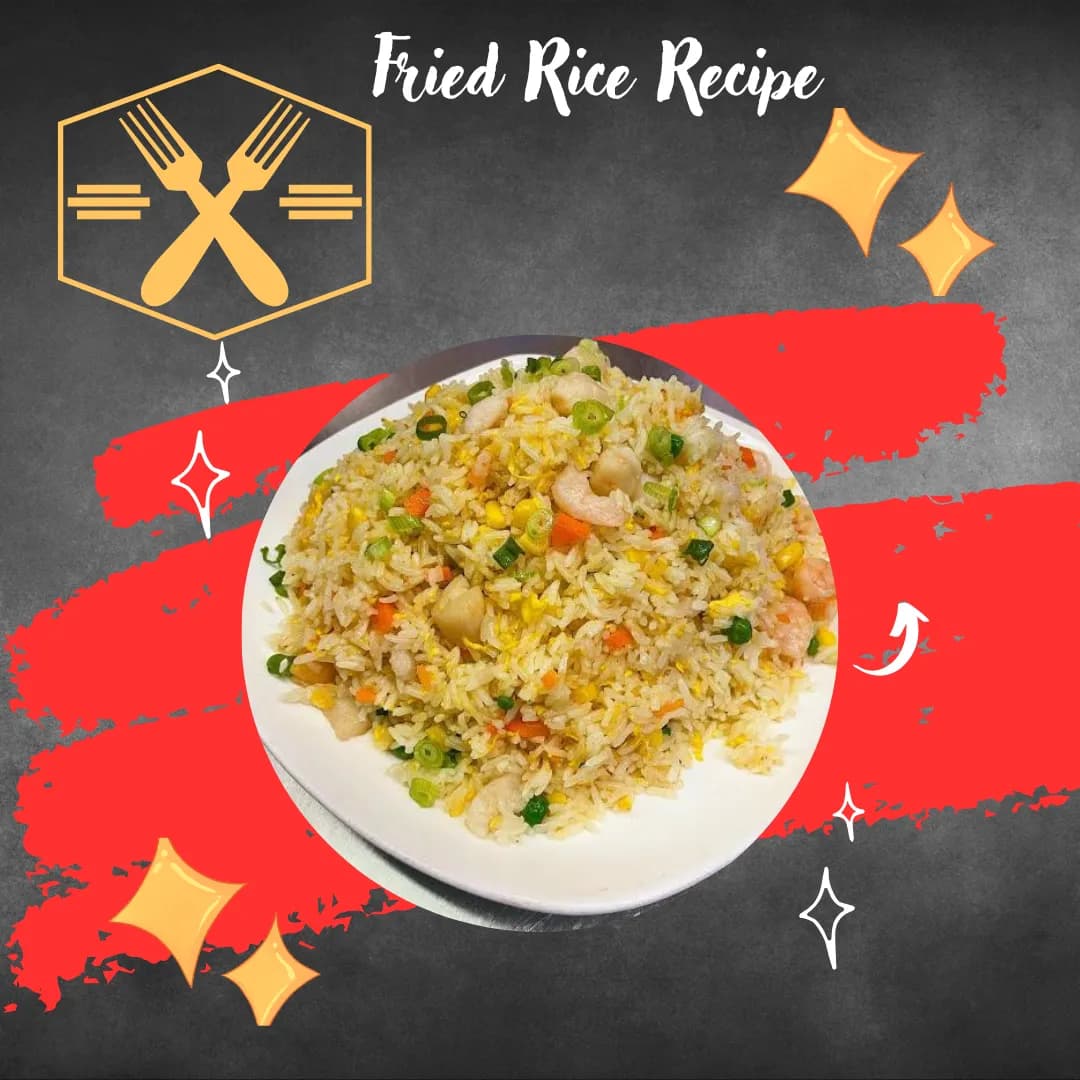
Liver fried rice is fried rice built around beef liver, and it belongs to the West African fried rice tradition rather than the Chinese one. Liver is a common and inexpensive protein across the region, and using it here gives a mineral depth that chicken or shrimp do not.
The rice is where the technique sits. It is cooked in seasoned chicken stock rather than water, so it carries flavour before it is ever fried, then cooled completely, spread on a tray and refrigerated, or briefly frozen, before it goes into the pan. Cold rice is the single most important thing in any fried rice: fresh, warm rice releases steam and starch and turns to a sticky mass, while cold grains separate and fry.
Liver is unforgiving in the other direction. Cooked correctly it is tender and almost creamy; cooked a minute too long it goes tough and dry, and there is no recovering it. It is cooked briefly in liquid and then fried, and it goes into the wok before the vegetables so it is not sitting over heat while everything else cooks. The dish is served with fried chicken, which is how the source presents it and which makes it a substantial meal rather than a side.
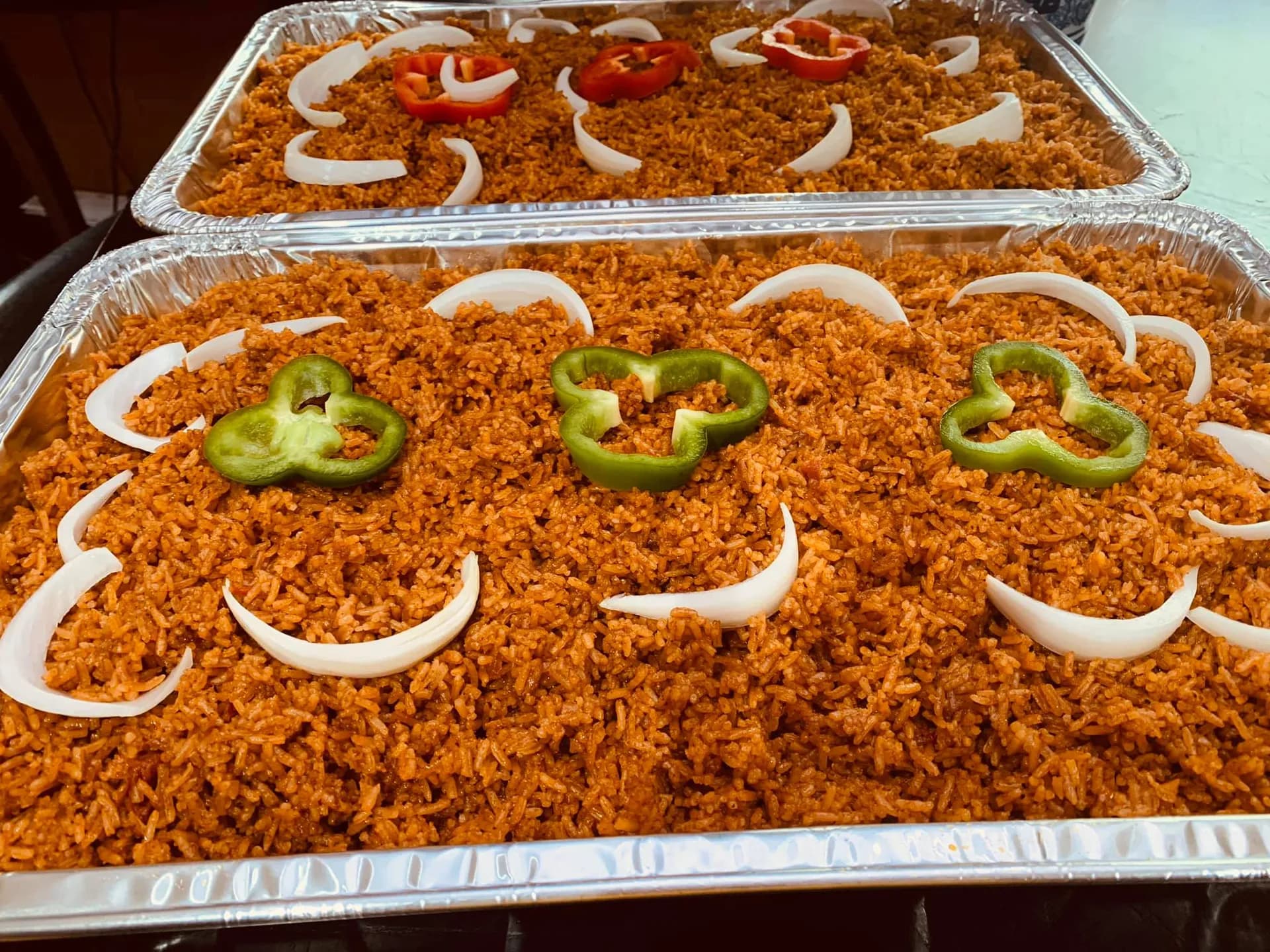
Jollof rice is the best-known dish in West Africa and the one most argued over. Rice is cooked in a base of blended tomato, red pepper, onion and chilli until it takes the colour and flavour all the way through, not rice with sauce on it, but rice that has become the sauce.
Its origins are traced to the Senegambian region and the Wolof, or Jolof, Empire, which from the fourteenth century covered parts of present-day Senegal, the Gambia and Mauritania, and where rice was grown. The ancestor dish is thiéboudienne, the Senegalese one-pot of rice, fish and vegetables. The name jollof carries the empire's own name with it.
From there it spread and diverged. Nigerian jollof leans on long-grain rice and a heavily reduced pepper base, often with a deliberate smokiness from the bottom of the pot. Ghanaian jollof commonly uses aromatic rice and a different spice balance. Senegalese thieboudienne remains its own dish. Sierra Leone, Liberia, Cameroon, Togo and the Gambia all have versions.
The rivalry between the Nigerian and Ghanaian claims is genuine, loud and largely affectionate, and it has done more to carry the dish internationally than any amount of promotion.
Whatever the version, it is not a side dish. Jollof is the centre of the table.
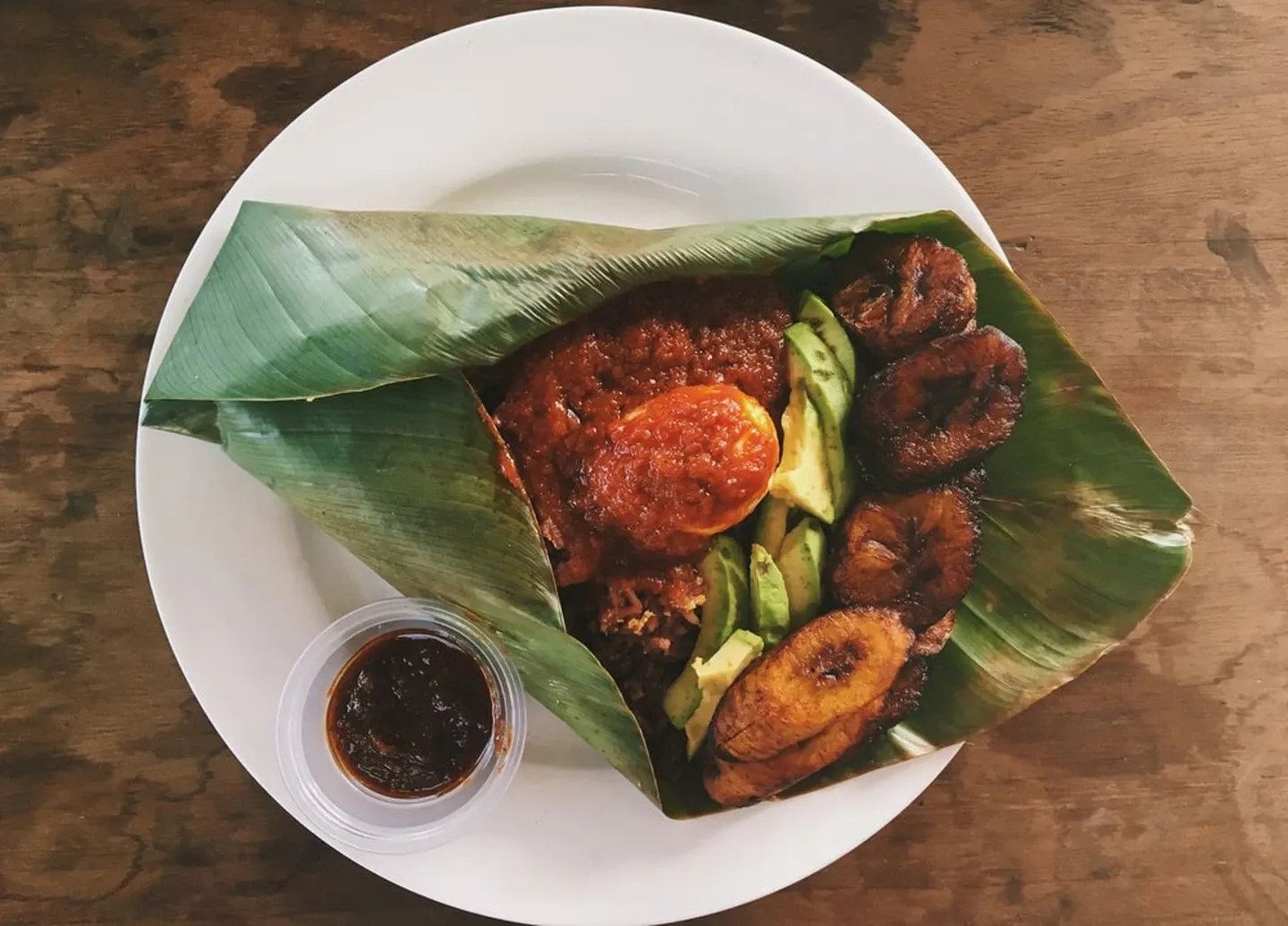
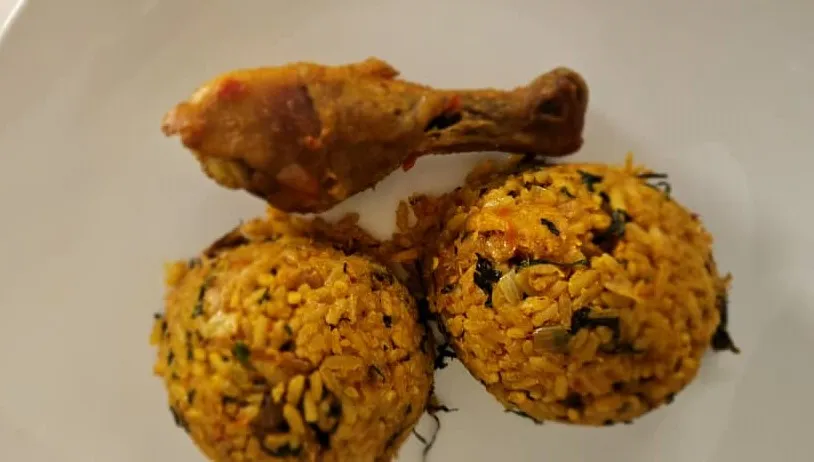
Cooked rice bound with minced liver, onion and egg, rolled into balls, crumbed and deep-fried. The contributor learned it from their grandmother in Ivory Coast.
The dish belongs to a very widely distributed family, the fried rice croquette. Italian arancini, Middle Eastern kibbeh, Nigerian rice balls and this all work on the same principle: a starch cooked, cooled, bound with something rich and shaped, then fried so the outside crisps around a soft interior. The cooling is not optional in any of them. Warm rice does not hold its shape and the balls collapse in the oil.
Offal is the other thing worth taking seriously. Liver and other variety meats are used across West African cooking as good ingredients rather than as economies, kilishi, dambu, gizdodo and asun all belong to the same attitude. Liver in particular is soft enough to bind rice without any additional fat, which is exactly why it works here.
Two practical notes. The double coating, breadcrumbs then egg wash, is the reverse of the usual order, and the source may have it backwards; the conventional sequence is flour, egg, then crumbs.
The source's nutritional inventory has not been carried across.
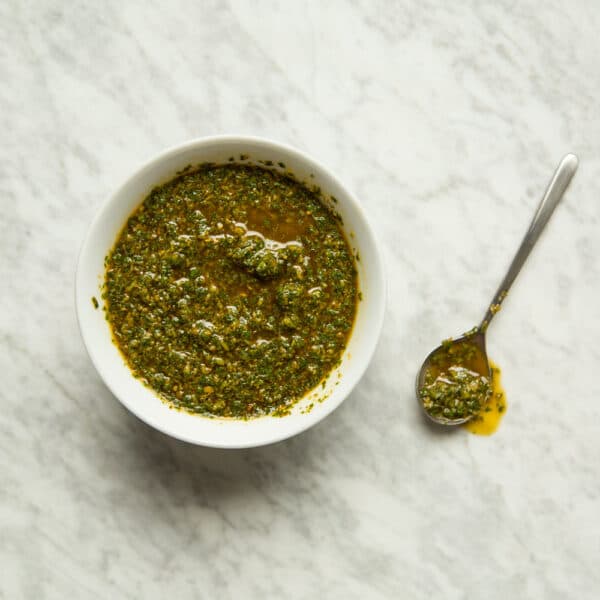
Lamb chops with chermoula and yellow rice is Moroccan, grilled or roasted lamb served with a fresh herb sauce and turmeric-stained rice.
Chermoula is the part worth knowing. It is a North African sauce and marinade built on fresh coriander and parsley, garlic, cumin, paprika, lemon and oil, and its name comes from the Arabic chermel, meaning to rub or to marinate. That etymology describes exactly how it is used: rubbed into meat or fish before cooking, and often served again alongside as a sauce.
It is most associated with fish, where it is close to standard across Morocco and Algeria, but it works with lamb particularly well, the herbs and lemon cut through fat in a way that a heavier sauce would not.
Lamb runs through Moroccan cooking at every level, from long slow tagines to chops straight off a grill, and this is at the fast end of that range.
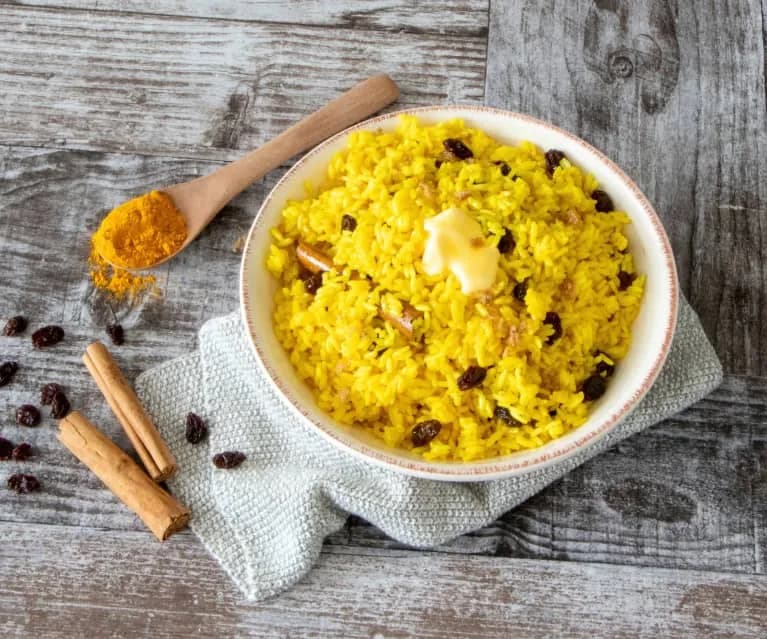
The rice is coloured and lightly perfumed with turmeric rather than saffron, which is the everyday choice, visually similar, entirely different in flavour and cost.