Nous utilisons des cookies essentiels au fonctionnement du site. Nous aimerions aussi déposer des cookies de mesure d’audience et des cookies publicitaires, uniquement avec votre accord. Vous pouvez choisir séparément pour chacun. Lire notre politique relative aux cookies
Loading
Recettes
Parcourez les archives par pays, par plat et par temps de cuisson.
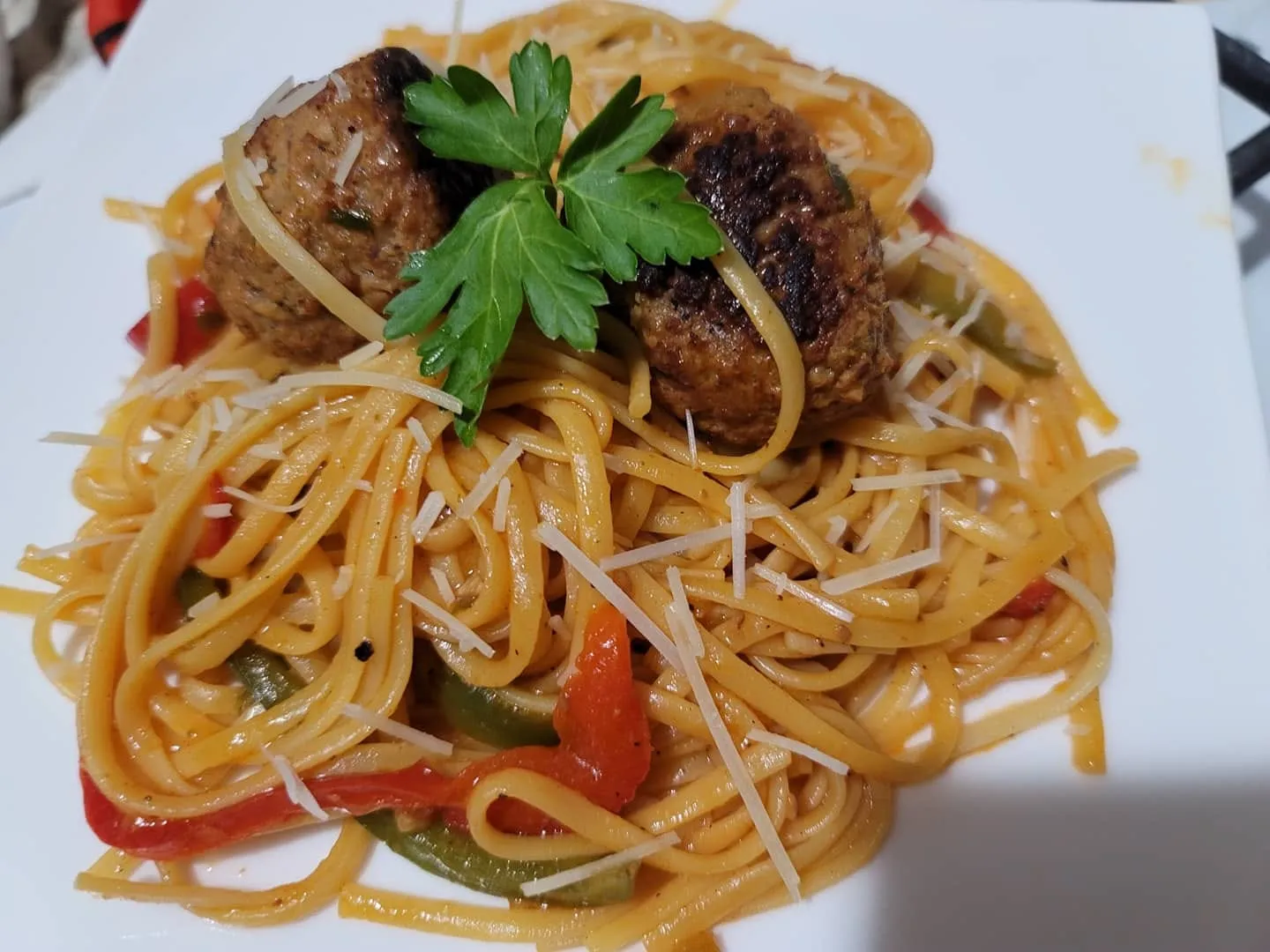
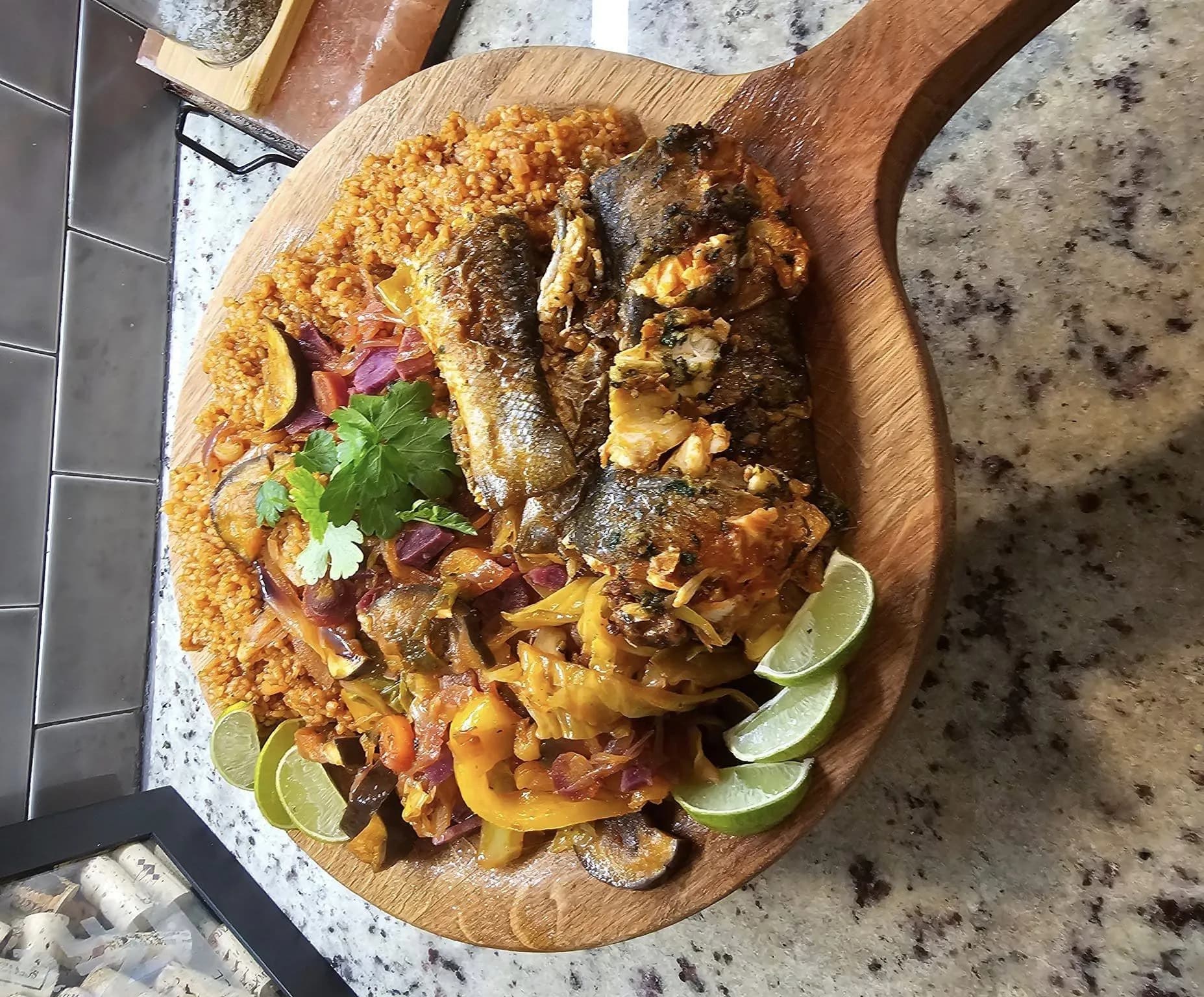
Dominican spaghetti is a Caribbean dish, not an African one, and the distinction matters on a platform documenting African food. It belongs to the Dominican Republic, where Italian migrants arriving in the late nineteenth and early twentieth centuries brought pasta into a kitchen that already had its own strong idea of what a tomato sauce should be.
What resulted is recognisably Dominican rather than Italian. The base is sofrito, the sautéed onion, pepper, garlic and coriander mixture that underpins cooking across the Spanish speaking Caribbean, and the sauce carries green olives, capers and raisins alongside beef, pork or shredded chicken. That combination of briny, sweet and savoury in one sauce is a Hispanic Caribbean signature with roots reaching back through Spain to the Moorish kitchens of North Africa.
That last connection is the only thread linking this dish to the continent, and it is a long and indirect one. Dominican spaghetti is presented here as what it is, a Caribbean pasta dish rather than an African one, and it sits in the Worldwide Recipes collection for that reason.
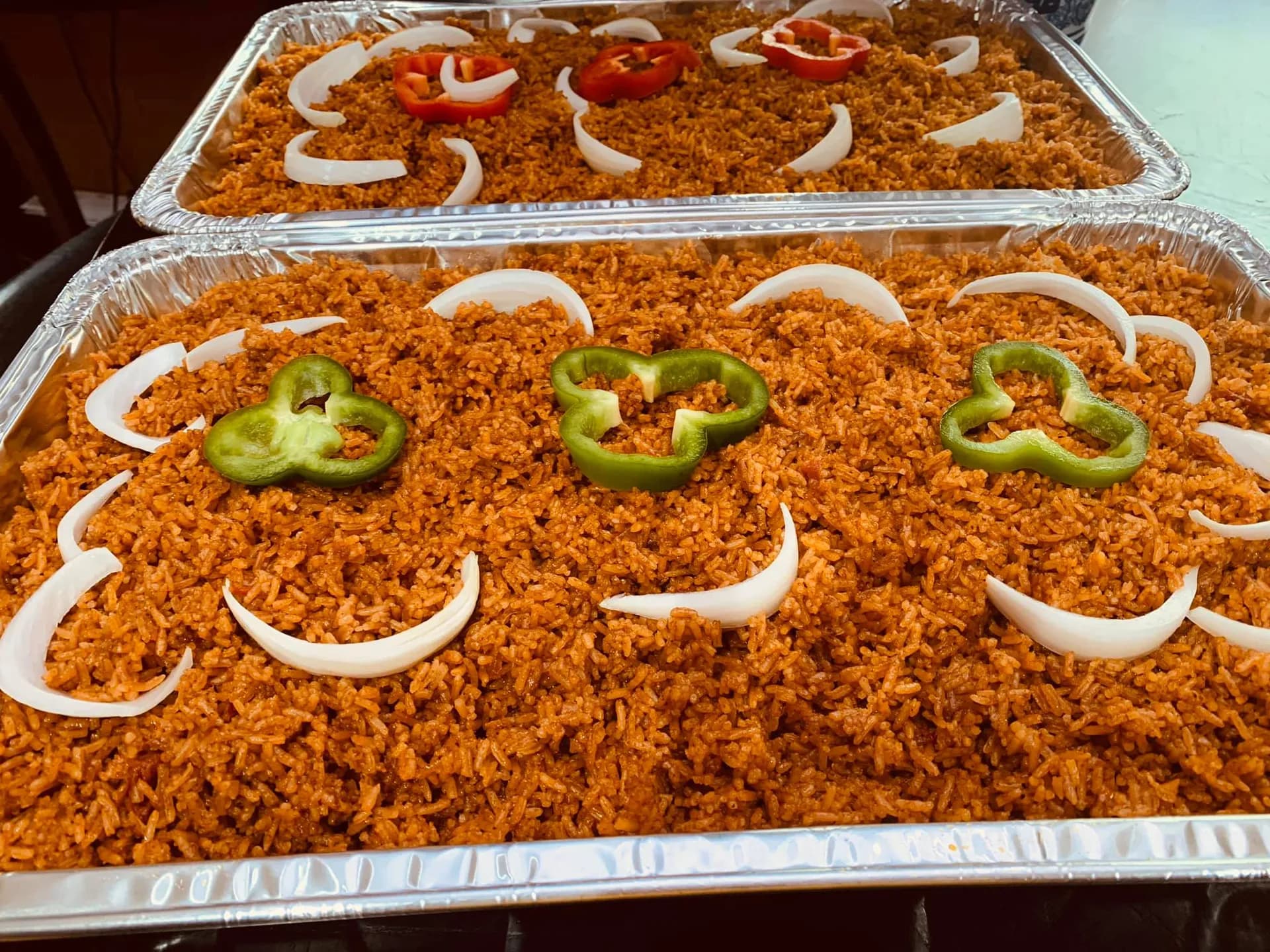
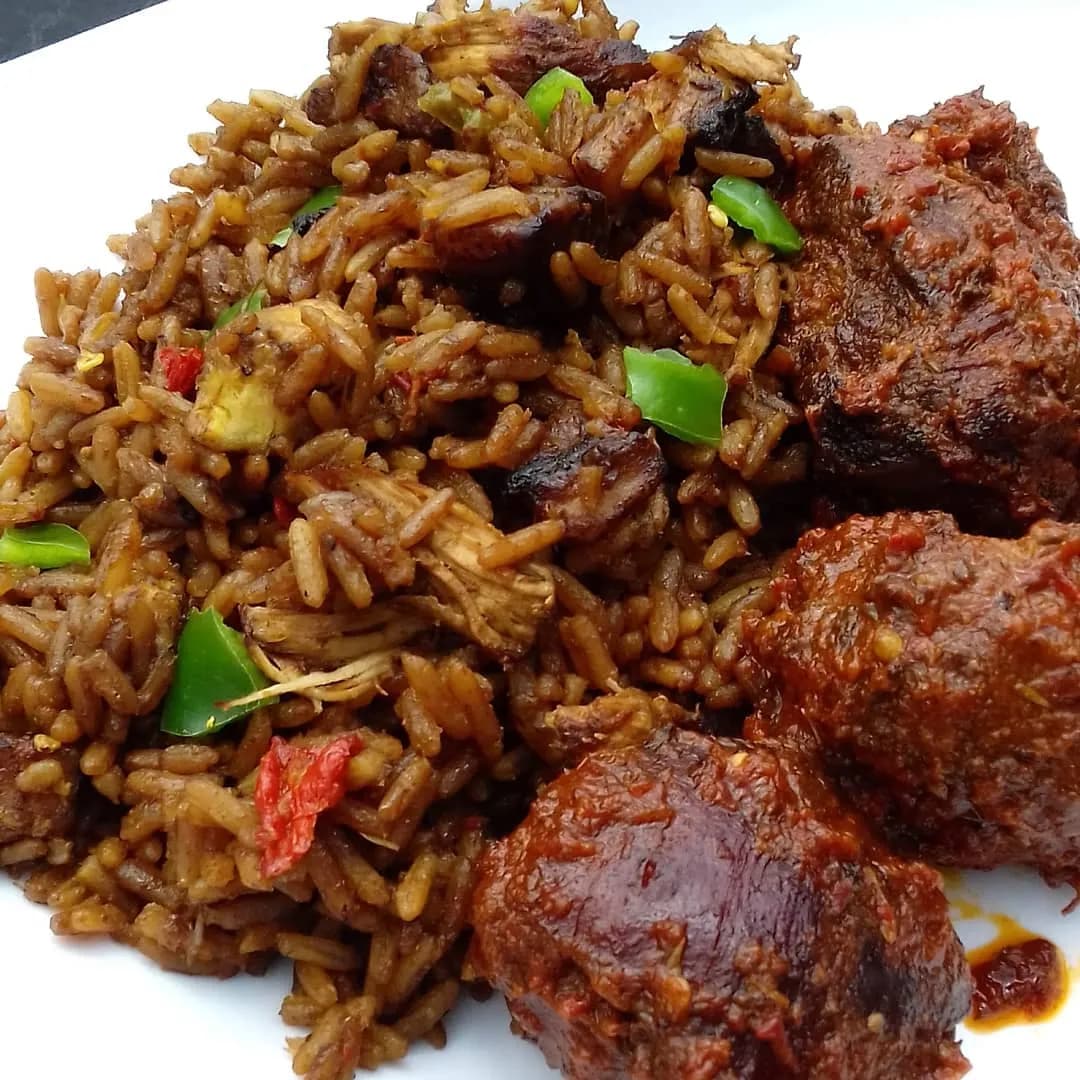
Ghanaian jollof rice is defined against its rivals as much as on its own terms, and Ghanaians are entirely comfortable with that. It is a tomato based rice, aromatic rather than fiery, seasoned with curry powder, garlic and ginger, and cooked in basmati. Every one of those choices is a position in an argument.
The rice is the clearest one. Ghanaians use basmati, which stays separate and perfumed and carries the aromatics; Nigerians use long grain parboiled, which absorbs the tomato base and takes on the smoke. Neither is a mistake. They produce genuinely different dishes that share a name, and the preference in each country is consistent enough to be a national marker.
The jollof rivalry between Ghana and Nigeria is the continent's most famous culinary argument, conducted on social media, at dinner tables and in the press with an intensity that has very little to do with rice and a great deal to do with two confident countries enjoying themselves. The honest position on the origin is that the dish descends from the Senegambian rice tradition rather than from either country. The honest position on which is better is that both are right within their own tradition, and Ghanaians serve theirs at every social gathering and celebration that matters.
Pilau is the spiced rice of the East African coast: rice cooked with cumin, cardamom, cloves, cinnamon and turmeric until every grain carries the spice. It is celebration food across Kenya, Tanzania, Uganda and Zanzibar, made for weddings, for Eid, and whenever a guest of consequence arrives.
It reached the Swahili coast through centuries of Indian Ocean trade, and the family it belongs to runs from Persian polow through Central Asian plov to South Asian pulao. The East African version is milder than the Indian one and does not use curry, which is the distinction the source draws and it is a fair one. The defining spice mix has its own name, pilau masala, and there is a recipe for it on this site.
An important note about this page. Its written description is of a full pilau: caramelised beef, potatoes, tomatoes and pilau masala simmered in meat stock. The recipe card attached to it is something else entirely, a plain spiced rice with no meat, no potatoes and no stock. The recipe below follows the card, since that is the actual recipe on the page, and the result is a good vegetarian side dish. It is not, however, the celebratory beef pilau the description promises.
Browning the onions properly is the step that matters most in either version.
Caribbean rice is a one-pot rice dish with meat, vegetables and fried ripe plantain, coloured and sweetened with browning. It is Caribbean rather than African, and the source is clear that it is neither jollof nor fried rice but something else again.
The African connection is real and historical. Caribbean cooking is a mixture of African, Creole, Amerindian, European, Latin American, South Asian, Middle Eastern and Chinese influences, layered over centuries by the people who arrived there, many of them forcibly. Rice cooked in one pot with meat and seasoning is a technique that came across the Atlantic with enslaved West Africans, and it is the same lineage that produced jollof.
Browning is the ingredient that marks it out. It is a dark caramelised sugar syrup used across the Caribbean for colour and a faint bitterness, and it is what gives the rice its deep brown appearance. The Spanish contribution during and after 1493 brought coconut, chickpeas, coriander, aubergine, onion and garlic into the region's cooking, and most Caribbean rice dishes carry some of that. This entry sits in the Worldwide Recipes collection with its URL unchanged.