Nous utilisons des cookies essentiels au fonctionnement du site. Nous aimerions aussi déposer des cookies de mesure d’audience et des cookies publicitaires, uniquement avec votre accord. Vous pouvez choisir séparément pour chacun. Lire notre politique relative aux cookies
Loading
Recettes
Parcourez les archives par pays, par plat et par temps de cuisson.
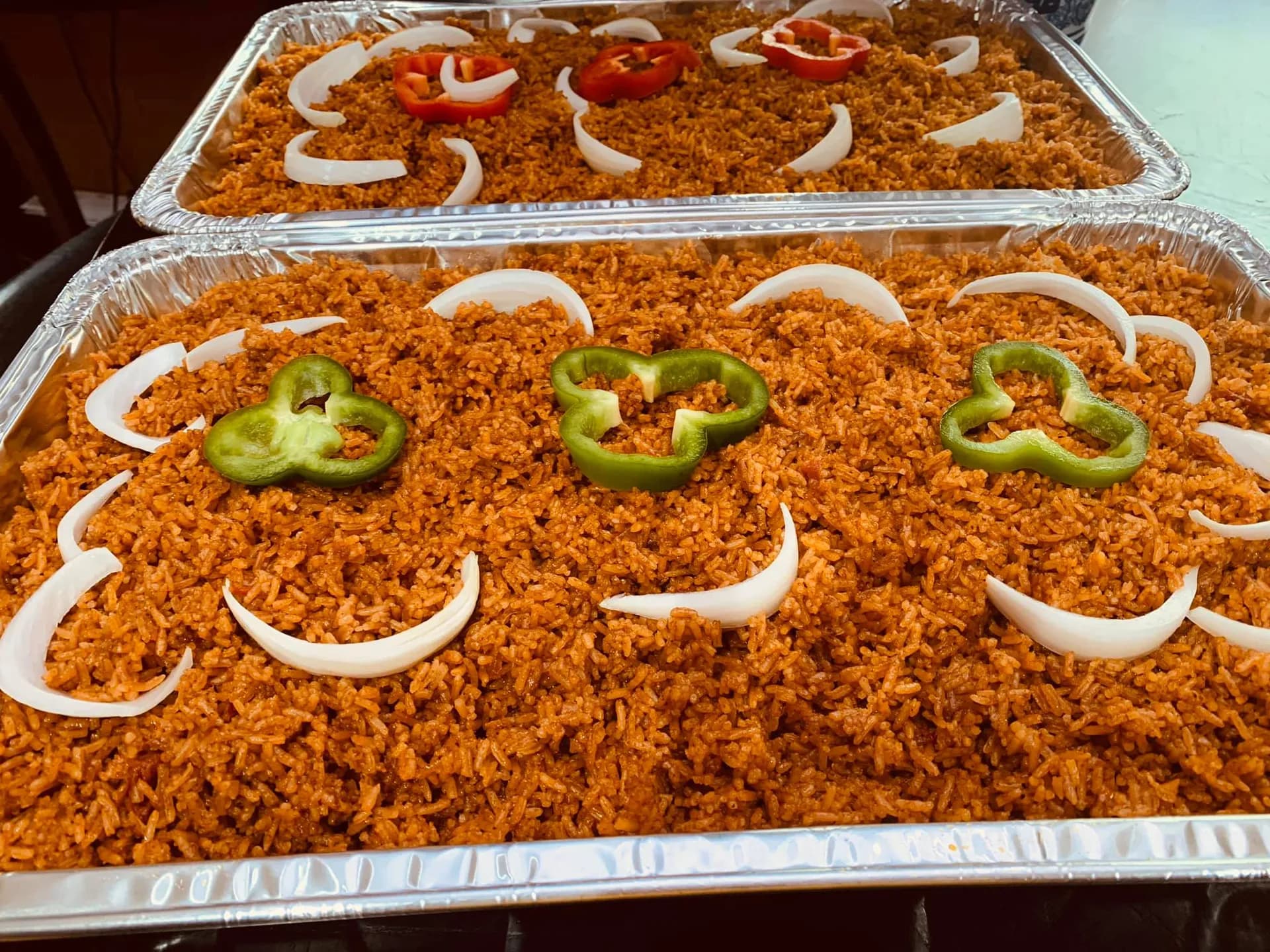
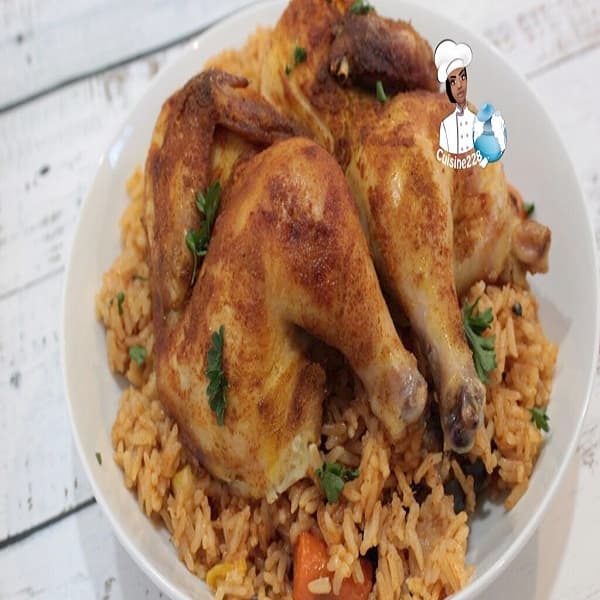
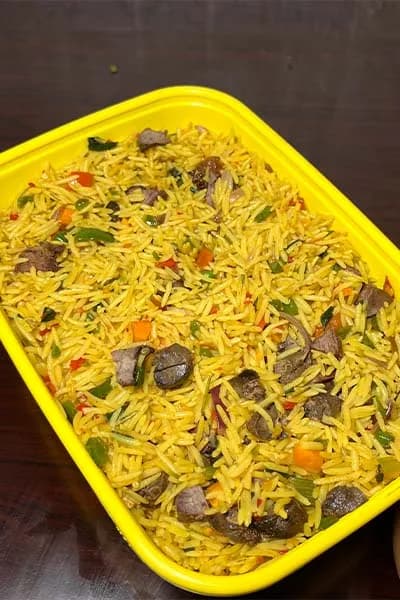
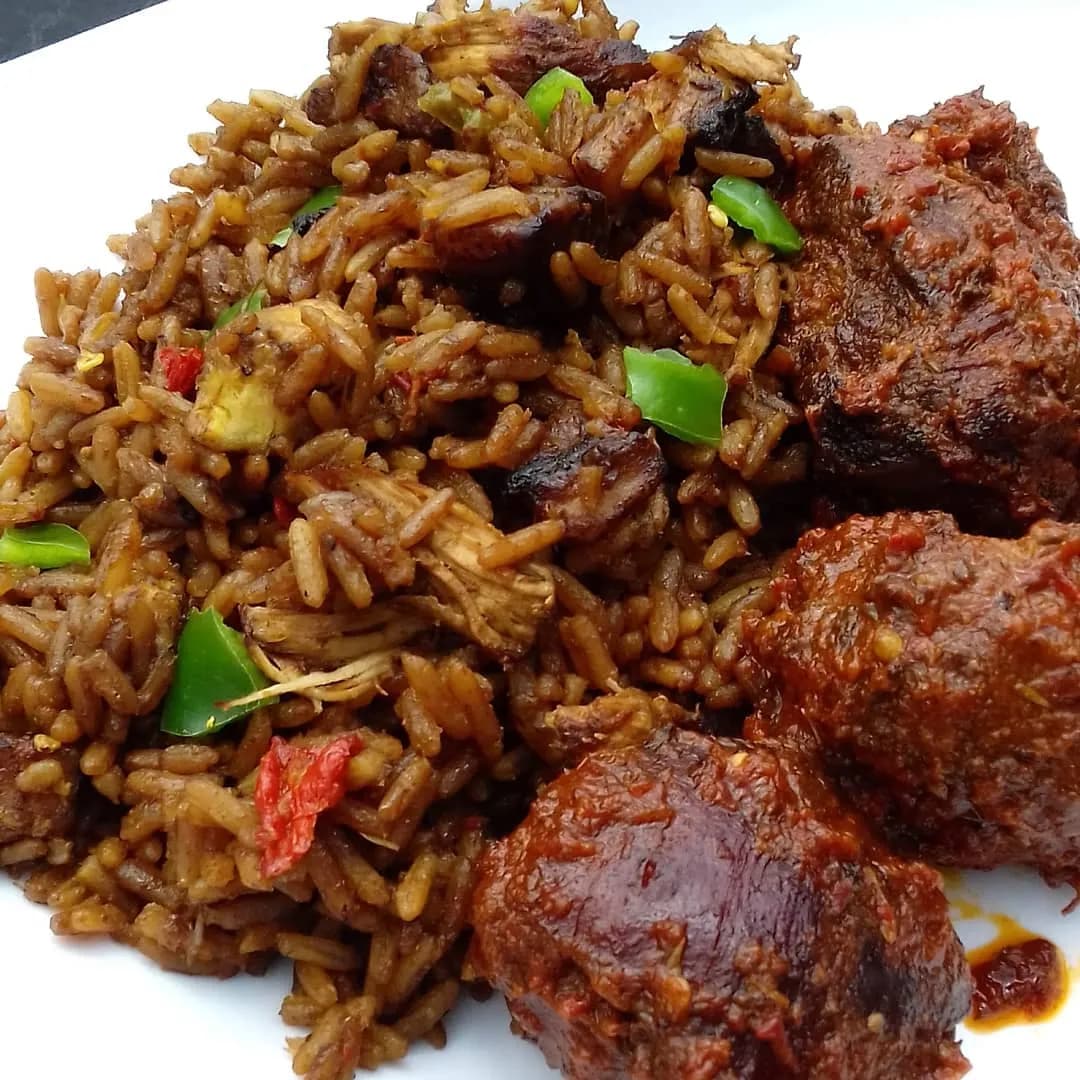
Ghanaian jollof rice is defined against its rivals as much as on its own terms, and Ghanaians are entirely comfortable with that. It is a tomato based rice, aromatic rather than fiery, seasoned with curry powder, garlic and ginger, and cooked in basmati. Every one of those choices is a position in an argument.
The rice is the clearest one. Ghanaians use basmati, which stays separate and perfumed and carries the aromatics; Nigerians use long grain parboiled, which absorbs the tomato base and takes on the smoke. Neither is a mistake. They produce genuinely different dishes that share a name, and the preference in each country is consistent enough to be a national marker.
The jollof rivalry between Ghana and Nigeria is the continent's most famous culinary argument, conducted on social media, at dinner tables and in the press with an intensity that has very little to do with rice and a great deal to do with two confident countries enjoying themselves. The honest position on the origin is that the dish descends from the Senegambian rice tradition rather than from either country. The honest position on which is better is that both are right within their own tradition, and Ghanaians serve theirs at every social gathering and celebration that matters.
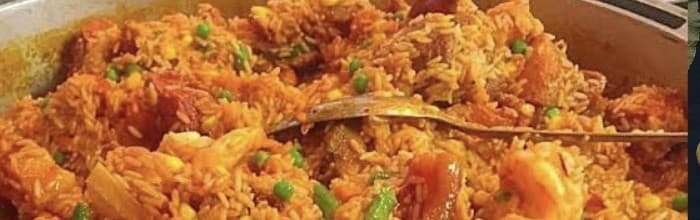
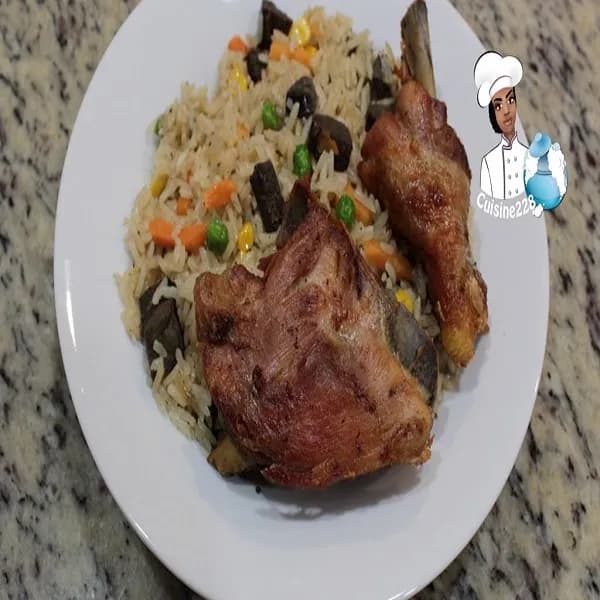
Ivorian jollof is the Francophone entry in a dish the Anglophone countries argue about most loudly. It carries the same tomato base as its neighbours and seasons it with curry powder, thyme, ginger, garlic and scotch bonnet, and it commonly cooks the cabbage and carrots in the pot with the rice rather than serving them separately.
Côte d'Ivoire calls it jollof, and the wider Francophone West African name for the family is riz gras, meaning fat rice. That name describes the method accurately: rice cooked in an oil rich tomato broth until it takes all of it up. In Côte d'Ivoire the dish belongs to the same occasions it does everywhere else in the region, which is to say weddings, funerals, naming ceremonies and any gathering that expects to feed a crowd from one pot.
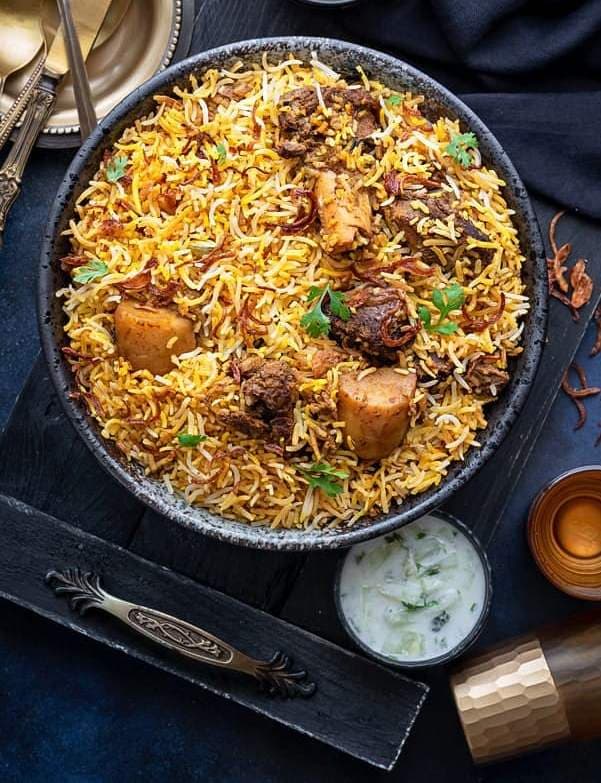
The origin is not seriously disputed by anyone who looks into it. Jollof descends from the rice tradition of the Senegambian coast, associated with the Jolof polity that held parts of present day Senegal and the Gambia between roughly 1350 and 1549, in a region documented as the Rice Coast for the grains grown along the Senegal River. One account traces its spread through the Djula traders of the Mali empire. Neither Nigeria nor Ghana invented it, which neither country lets get in the way of the argument.
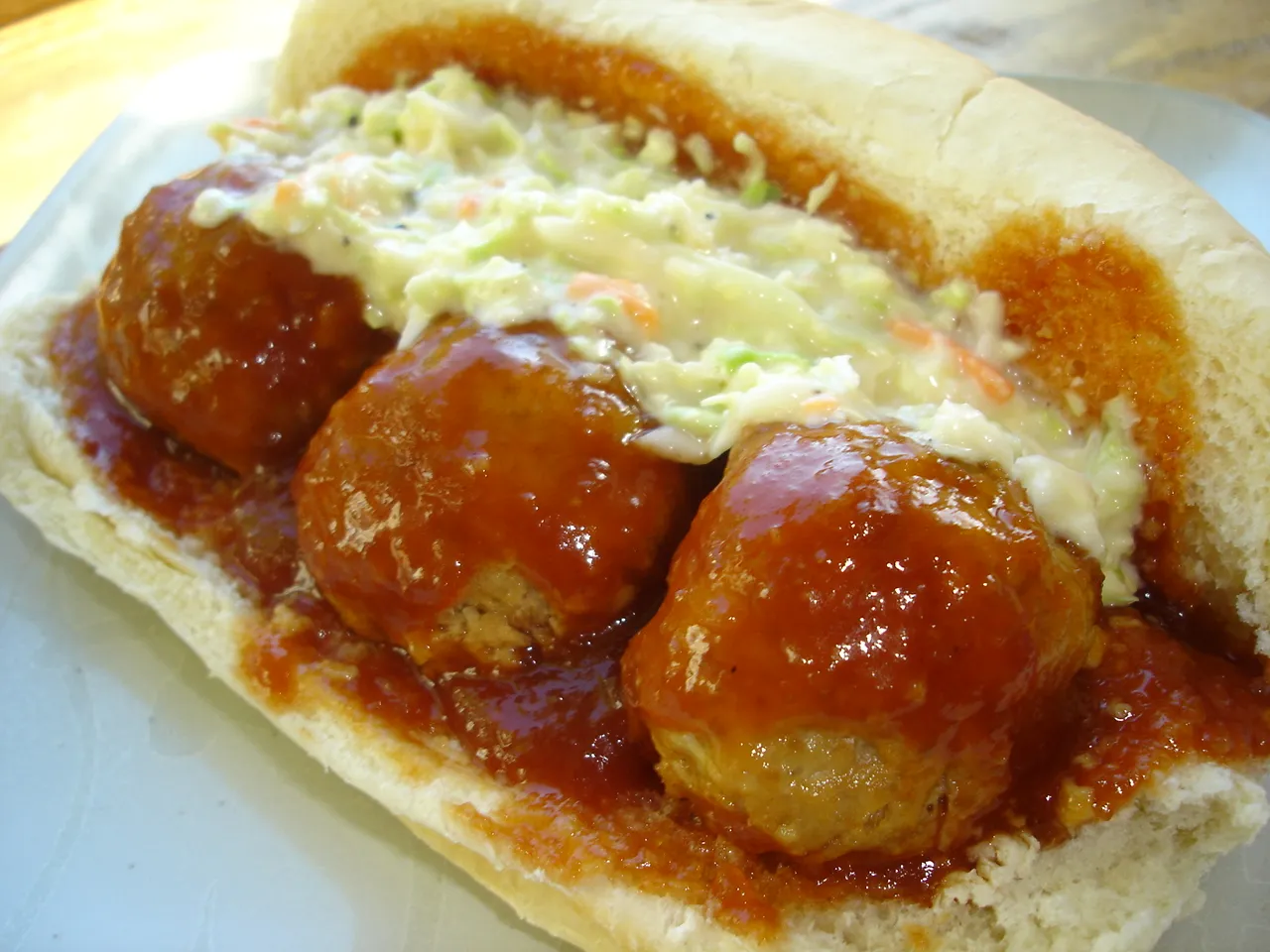
Cooked rice bound with minced liver, onion and egg, rolled into balls, crumbed and deep-fried. The contributor learned it from their grandmother in Ivory Coast.
The dish belongs to a very widely distributed family, the fried rice croquette. Italian arancini, Middle Eastern kibbeh, Nigerian rice balls and this all work on the same principle: a starch cooked, cooled, bound with something rich and shaped, then fried so the outside crisps around a soft interior. The cooling is not optional in any of them. Warm rice does not hold its shape and the balls collapse in the oil.
Offal is the other thing worth taking seriously. Liver and other variety meats are used across West African cooking as good ingredients rather than as economies, kilishi, dambu, gizdodo and asun all belong to the same attitude. Liver in particular is soft enough to bind rice without any additional fat, which is exactly why it works here.
Two practical notes. The double coating, breadcrumbs then egg wash, is the reverse of the usual order, and the source may have it backwards; the conventional sequence is flour, egg, then crumbs.
The source's nutritional inventory has not been carried across.
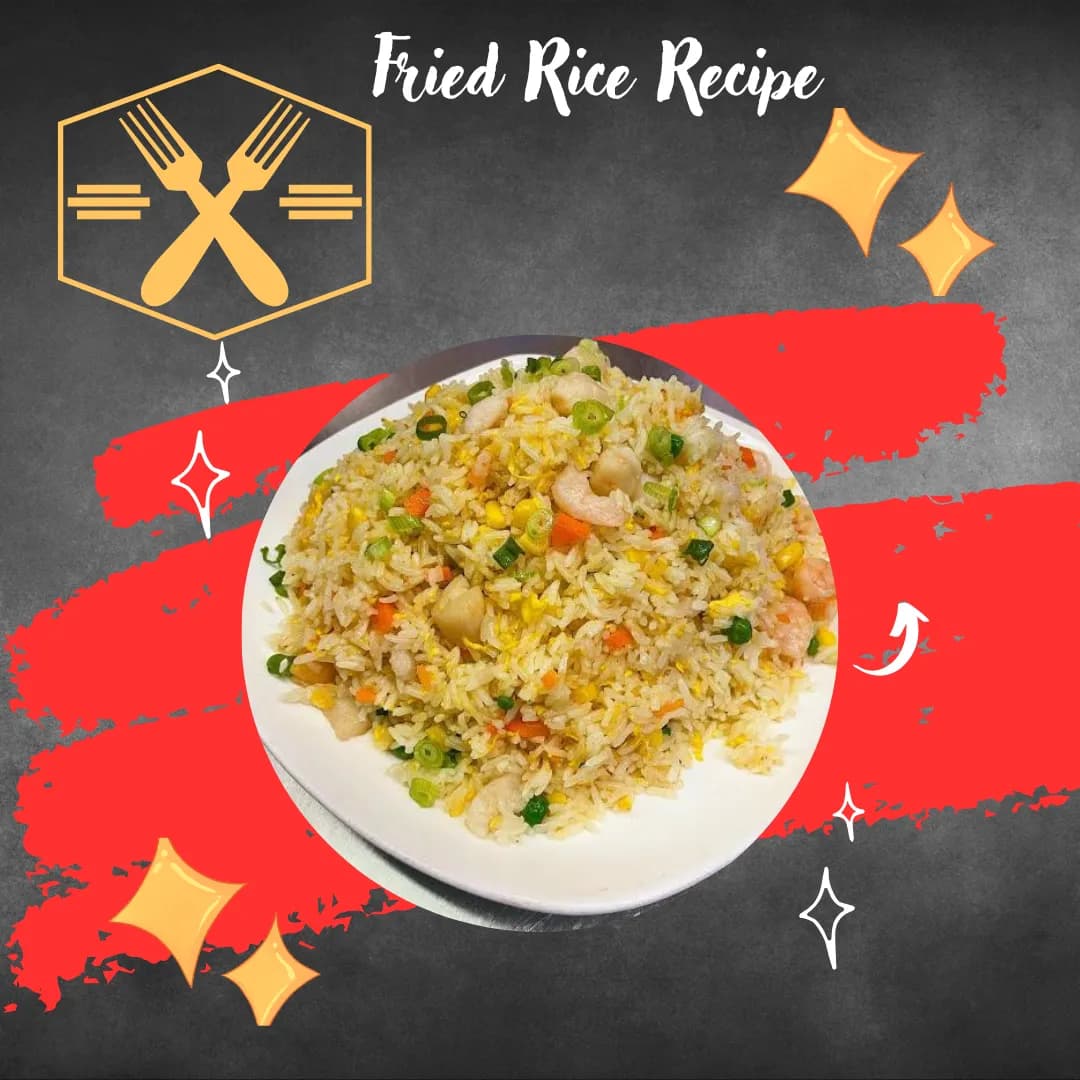
Cooked rice fried with vegetables, garlic, ginger and a spice blend, using tamari or gluten-free soy sauce in place of the ordinary kind. No country is claimed; the source describes it as an African take on fried rice without naming where.
The gluten in a normal fried rice is almost entirely in one ingredient, and it is the one people overlook. Soy sauce is brewed from wheat as well as soybeans, so a dish that contains no bread, no pasta and no flour is still not gluten-free if soy sauce goes into it. Tamari, which is brewed with little or no wheat, is the standard substitution, and most brands are certified. Rice itself is naturally gluten-free.
The other thing worth checking is the spice blend. The source suggests berbere or ras el hanout, and both are usually gluten-free, but commercial blends are frequently bulked out with flour as an anti-caking agent, and neither is a fixed formula. Read the label rather than assuming.
One caution about the source's framing. It claims gluten-free is "the second most in-demand recipe option in a lot of African countries", which is a specific statistical claim with nothing behind it, and it has not been carried across.