Nous utilisons des cookies essentiels au fonctionnement du site. Nous aimerions aussi déposer des cookies de mesure d’audience et des cookies publicitaires, uniquement avec votre accord. Vous pouvez choisir séparément pour chacun. Lire notre politique relative aux cookies
Loading
Recettes
Parcourez les archives par pays, par plat et par temps de cuisson.
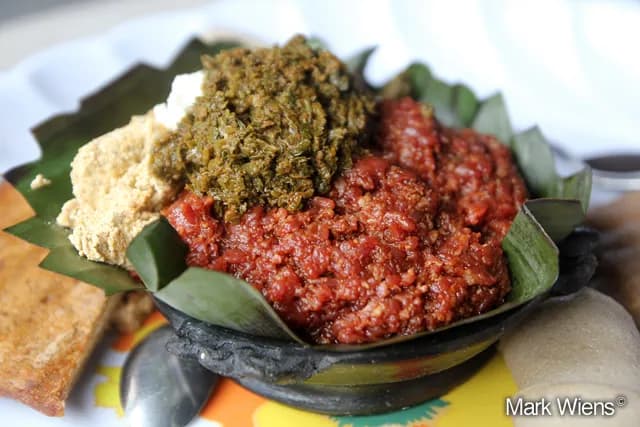
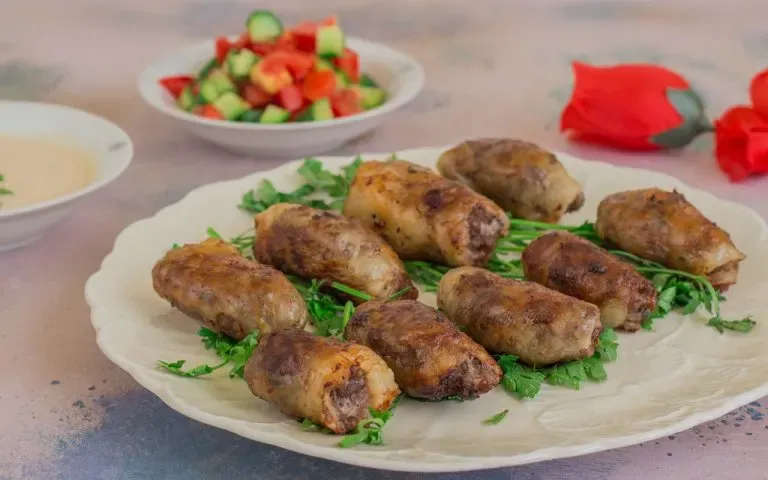
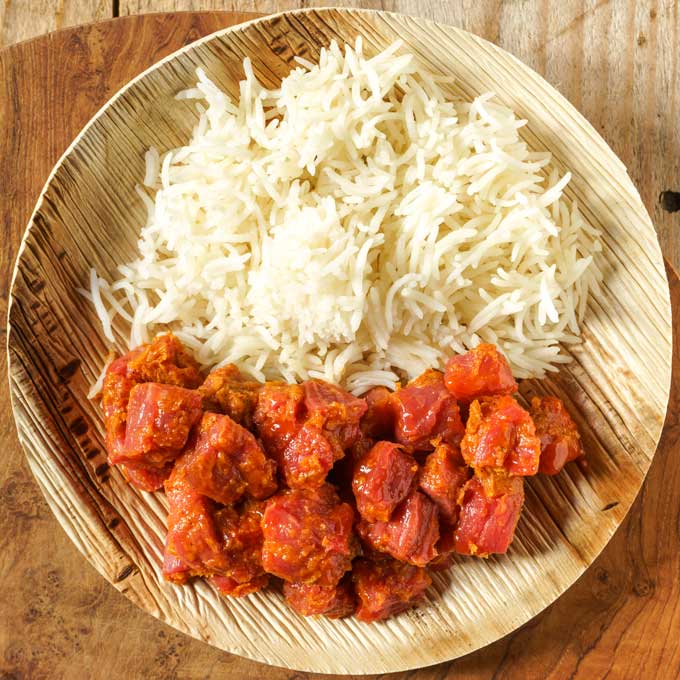
Kitfo is very finely minced raw beef, warmed through with spiced clarified butter and chilli. The name says what it is: kitfo comes from the Amharic for chopping finely. It is Ethiopian and Eritrean, and it is celebration food, a dish for major holidays, weddings and family occasions rather than an ordinary weeknight.
Two things define it. The first is niter kibbeh, the clarified butter infused with garlic, ginger, cardamom, fenugreek and other spices, which is what carries flavour into meat that is never exposed to direct heat. The second is mitmita, the fierce Ethiopian chilli blend built on pili-pili peppers with cardamom, cloves and salt. Both are what separate kitfo from any other steak tartare.
Doneness has its own vocabulary, and the names matter because they are what you order by. Tere kitfo is fully raw. Leb leb is warmed just enough to melt the butter through it. Yebesele is taken further still. Gored gored, which is on this site as its own recipe, is the closely related dish where the beef is cut into cubes rather than minced, same tradition, different knife work, noticeably different in the mouth.
It is served with injera, and usually alongside gomen, the collard greens, and ayib, the fresh Ethiopian cheese, whose mildness is there to answer the heat.
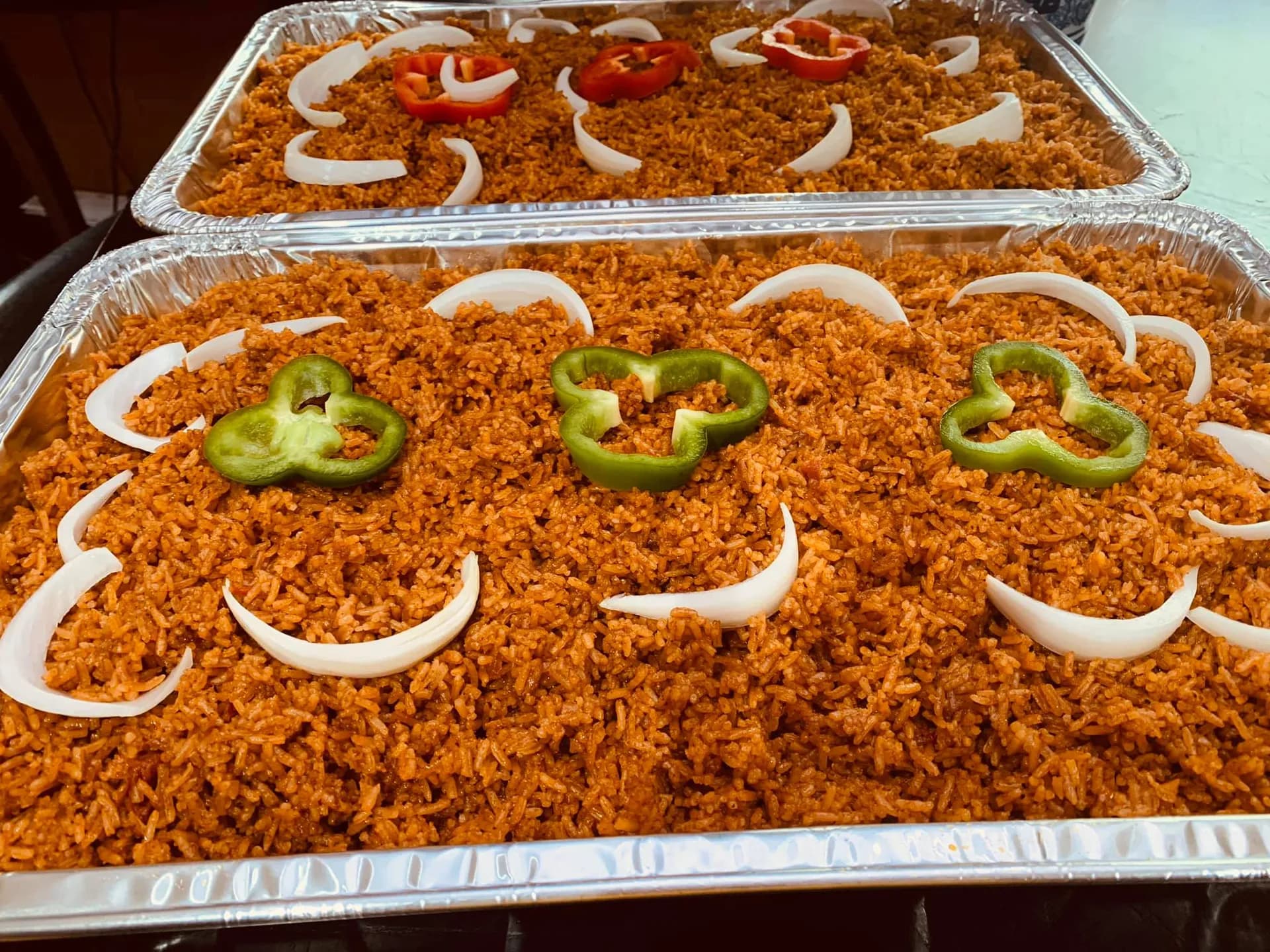
Ghanaian Fried Rice is a bold, protein-packed celebration of leftovers and technique, long-grain rice stir-fried at high heat with diced ham, chicken liver, scrambled eggs, mixed vegetables, and a generous seasoning of soy sauce, curry powder, and mixed spice. It is a fixture of Ghanaian party food and restaurant menus, where it appears alongside jollof rice as the second essential rice option. What distinguishes Ghanaian Fried Rice from Chinese-style fried rice is the spice profile, the curry powder and mixed spice give it a warmth that is distinctly West African, and the inclusion of liver, which adds a deep, iron-rich flavour that is not typical of Asian versions. Day-old cold rice is essential for achieving properly separate, non-mushy grains.
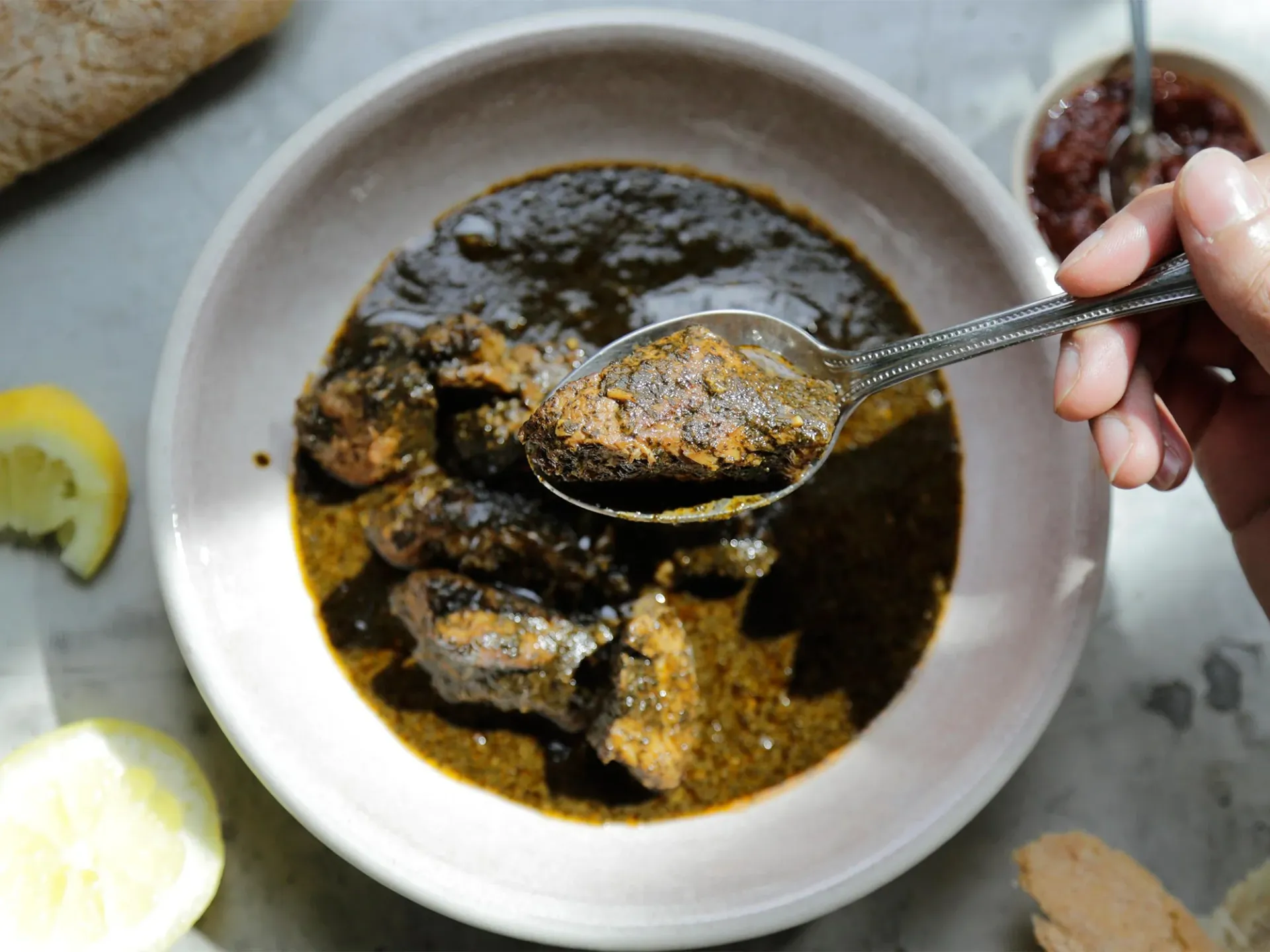
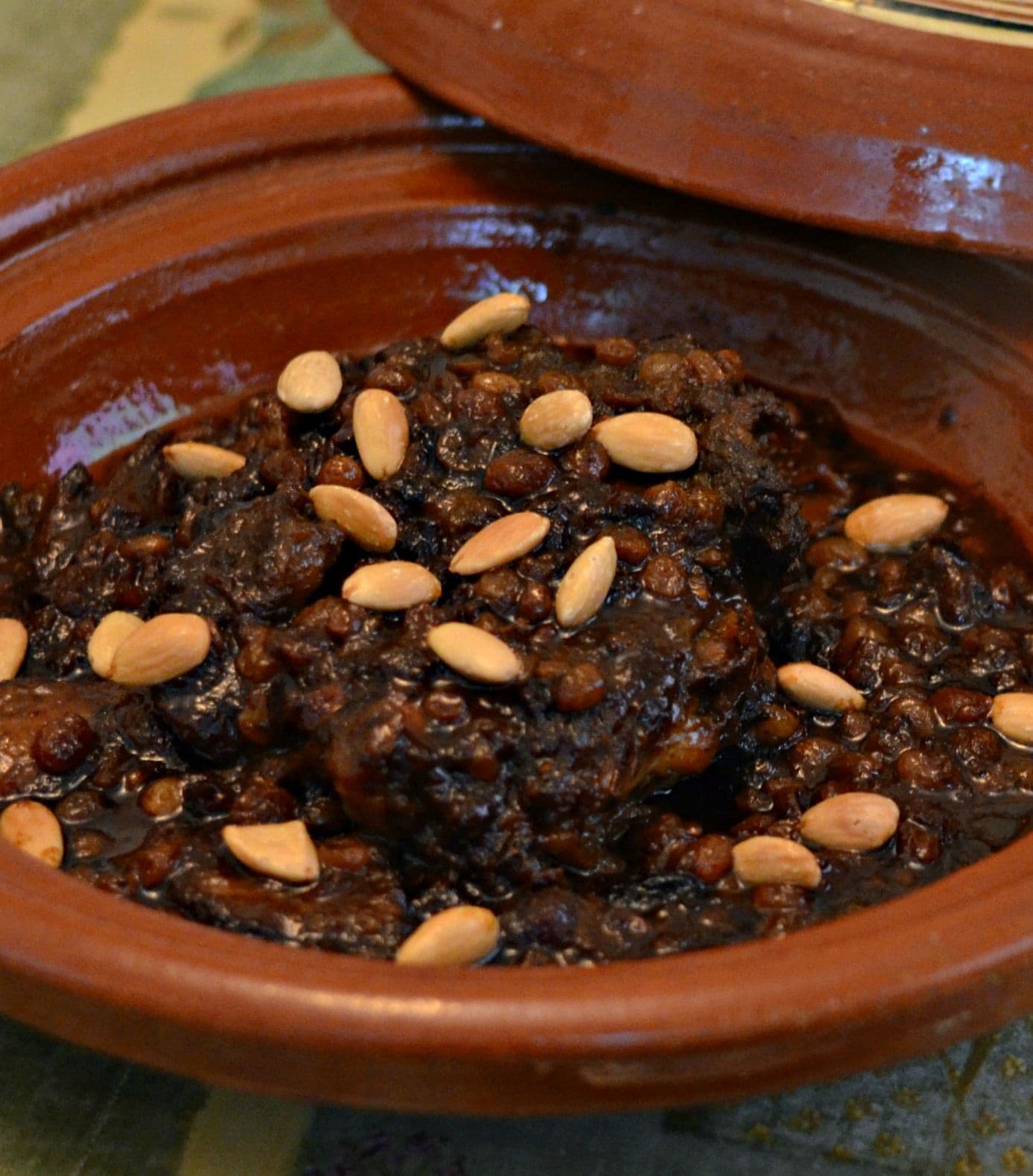
Cabrito is Angolan goat stew, cooked slowly and built on wine and fortified wine rather than the palm oil or tomato base most West African stews use.
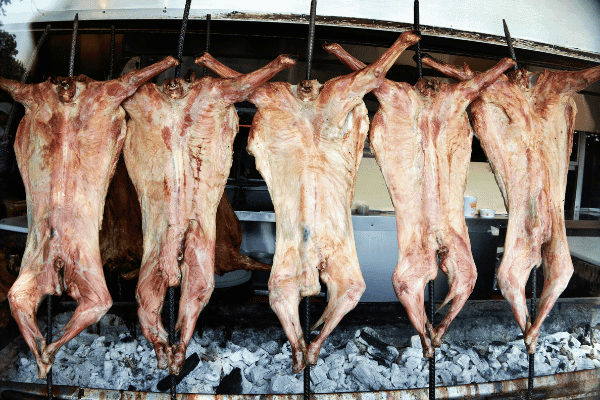
Goat is central to Angolan eating, and the eastern region is where it is raised, enough to supply the country and to sell across the borders. It carries an occasion weight that other meats do not: at celebrations, graduation parties and holidays, a goat dish on the table is what people go for first.
The Portuguese influence is what makes the stew unusual on this continent. Red wine, brandy and sherry all go into it, and the long slow cooking that follows breaks down a cut that would otherwise be tough while the alcohol reduces to something concentrated and savoury. Four centuries of Portuguese colonial presence left this kind of cooking embedded in Angolan food, alongside the indigenous techniques.
The word cabrito means kid goat in Portuguese, and younger animals are the preference, more tender, less strongly flavoured.
**Contains alcohol.** Most cooks off during the long simmer, but not all of it.
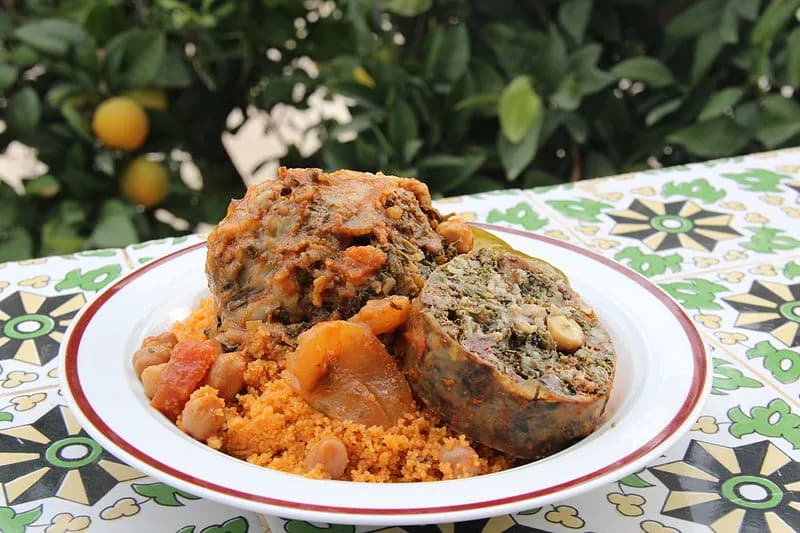
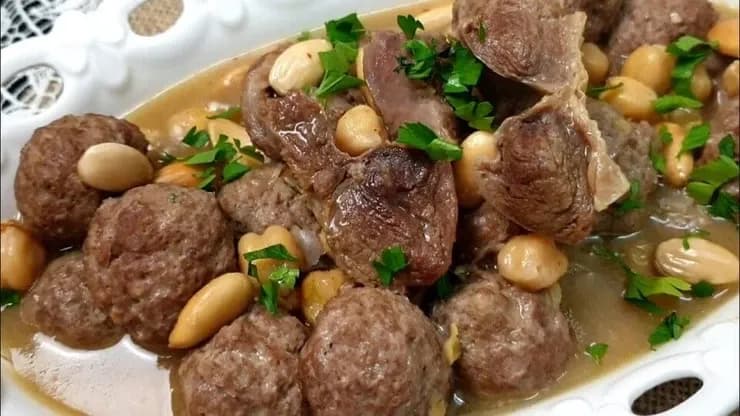
Bassi salté is Senegalese millet couscous served with a meat and vegetable sauce, studded with raisins, chickpeas and white beans. Its full name is thiéré bassi salté, and it is one of the most demanding dishes in the Senegalese repertoire.
The grain is the point of difference. This is not wheat couscous but thiakry, made from millet, the ancestral West African cereal, cultivated in the Sahel for thousands of years before wheat or maize arrived. That matters both culturally and practically: millet couscous is naturally gluten-free, and it needs a binder, which is where lalo comes in. Lalo is powdered baobab leaf, and it holds the steamed grains together in a way that wheat gluten would do on its own.
It is festival food. Bassi salté is traditionally eaten at Tamkharit, the Senegalese observance of Ashura, and the effort involved, steaming the couscous twice, building the sauce over hours, forming the diaga meatballs separately, is part of what makes it appropriate to the occasion.
Its defining flavour is the balance between savoury and sweet. Raisins and sometimes dates go in alongside the mutton and root vegetables, which is deliberate rather than incidental.
The source's ingredient list is badly scrambled and its sauce timing is not credible; both are flagged below.