

Wasawasa
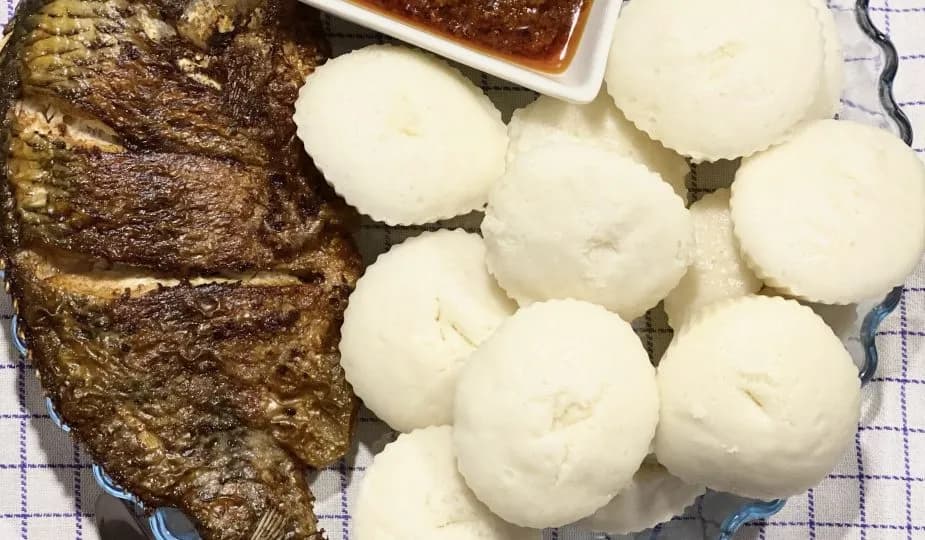
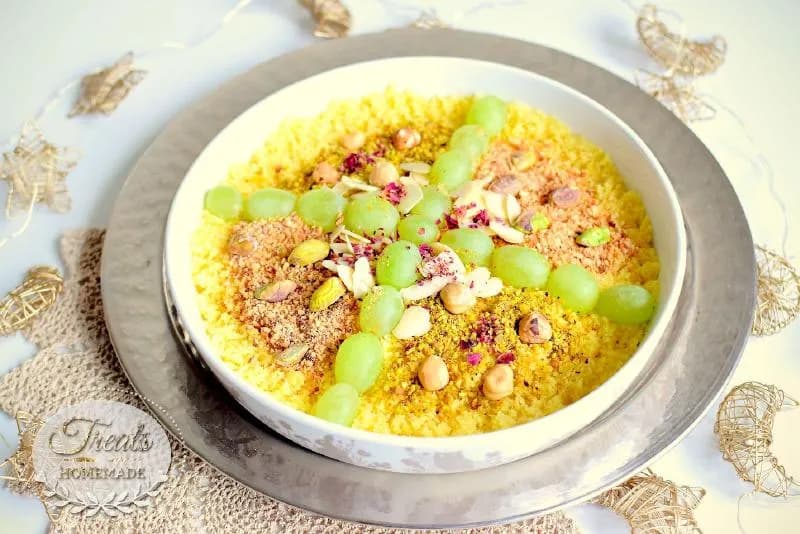
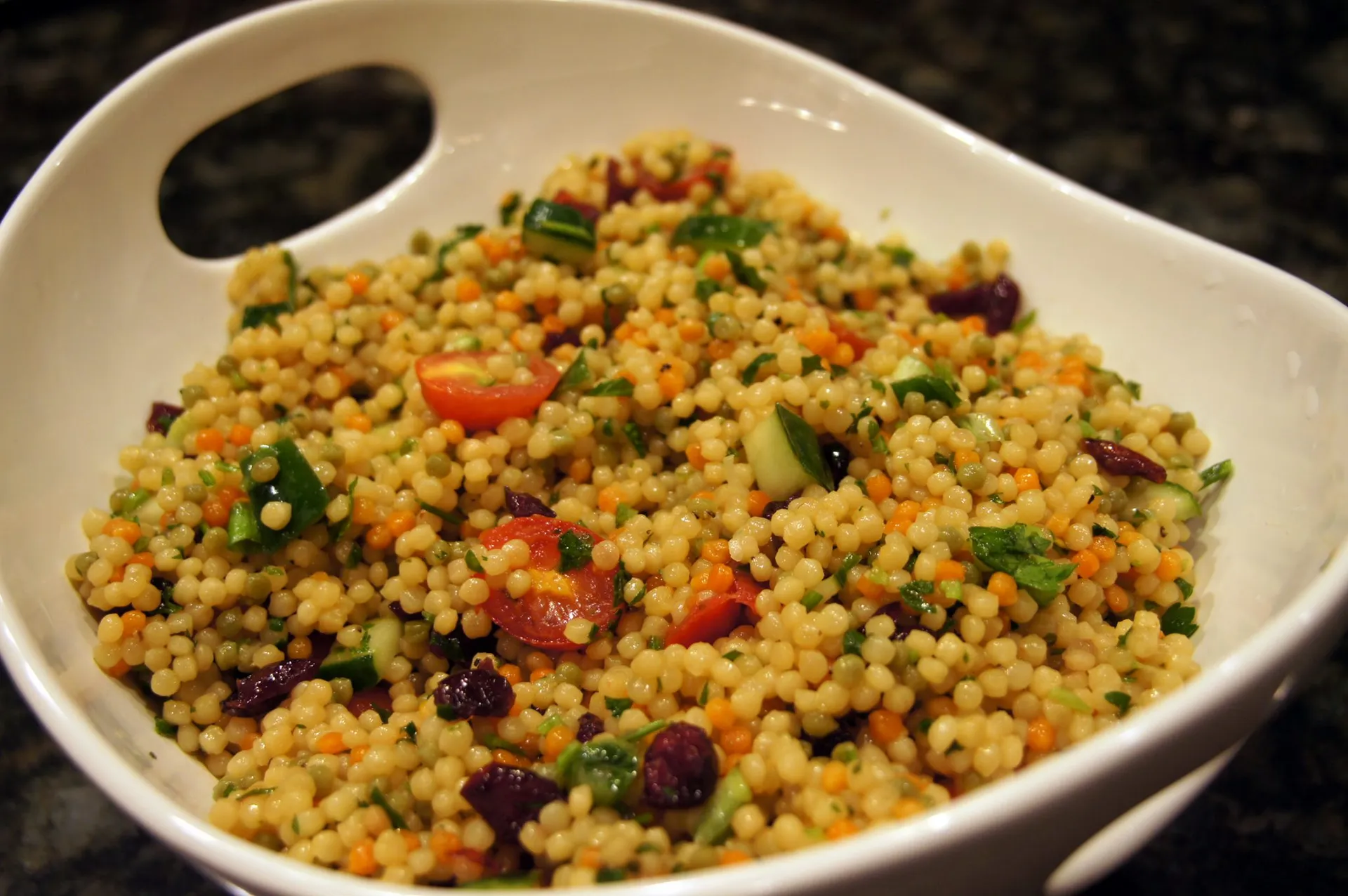
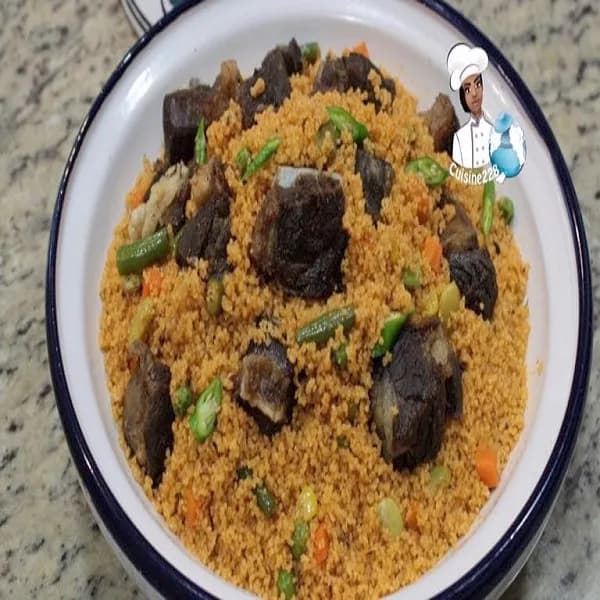
Wasawasa is made from yam peelings. Not yam, but the skin that most kitchens discard: dried, ground into flour, and steamed into a coarse grain that eats something like couscous. It is a dish that exists because nothing was wasted, and it has outlived the scarcity that produced it to become a food people specifically want. It belongs to Dagbon and the wider north of Ghana, and it is eaten in Burkina Faso and other parts of West Africa under related names. In Tamale and across the northern region it is street food and household food at once, sold with a hot pepper sauce and fried fish and often garnished with cabbage, carrot and sliced potato. The steaming happens twice, with a wash in between, which is the technical heart of the dish and the part that cannot be shortened. The flour is moistened until it forms small lumps, steamed, washed, drained, and steamed again on low heat, and only then is it dressed with groundnut oil and salt. That second steam is what turns it from damp meal into separate grains. It is served with beans, pasta or salad as well as the standard pepper sauce and fish, and it makes a full plate from an ingredient that costs almost nothing.
Ghana1 hrDeborah