Nous utilisons des cookies essentiels au fonctionnement du site. Nous aimerions aussi déposer des cookies de mesure d’audience et des cookies publicitaires, uniquement avec votre accord. Vous pouvez choisir séparément pour chacun. Lire notre politique relative aux cookies
Loading
Recettes
Parcourez les archives par pays, par plat et par temps de cuisson.
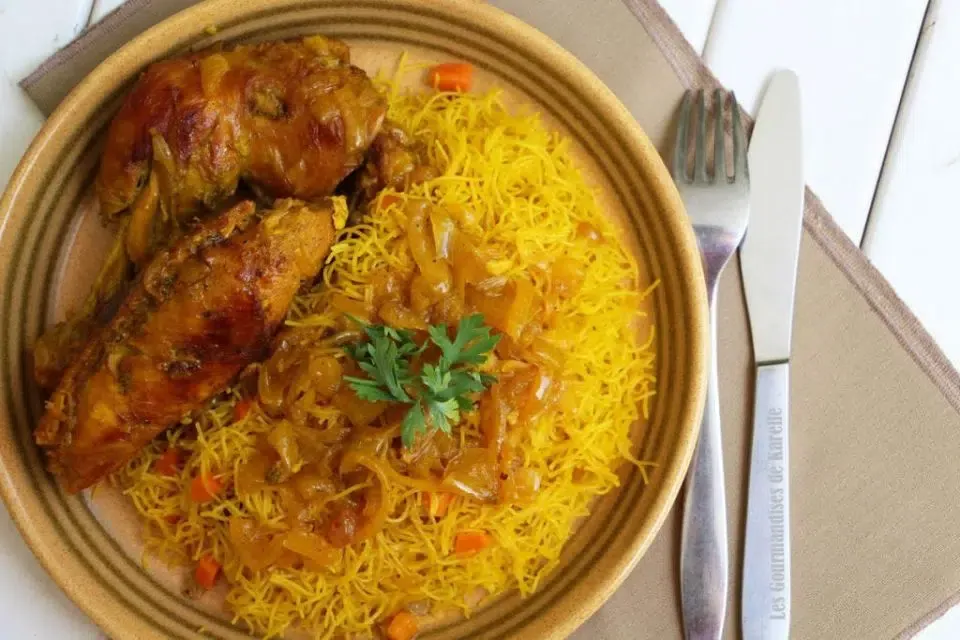
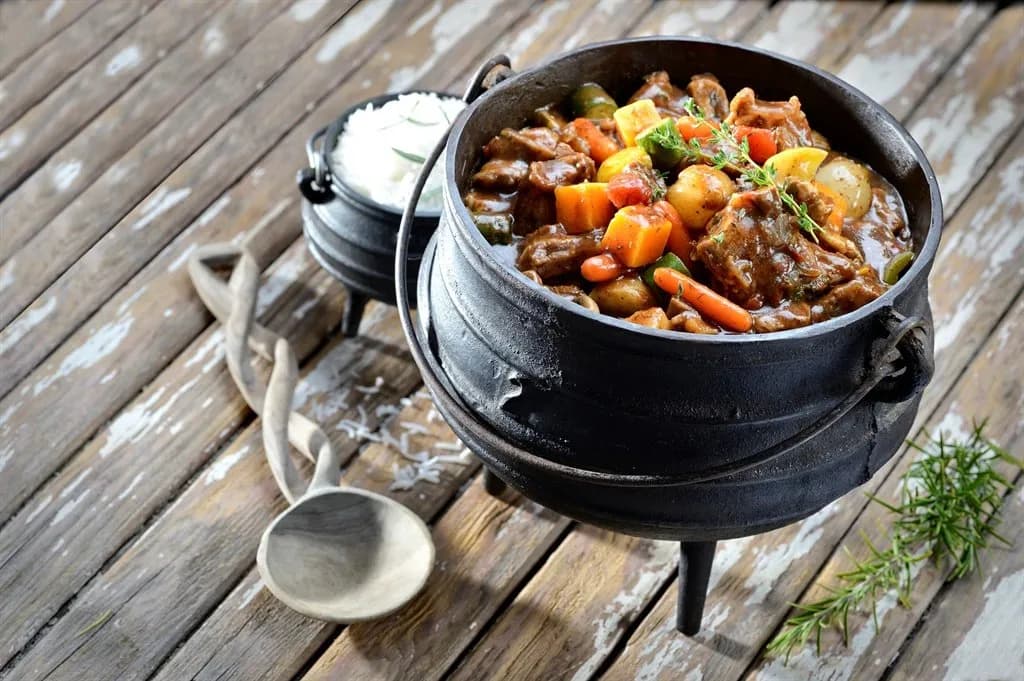
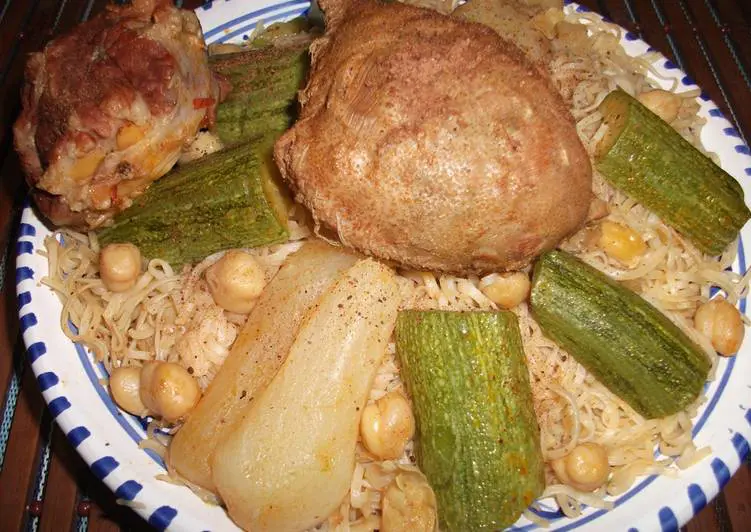
Vermicelle poulet is Senegalese celebration food that happens to be very easy to make, which is an unusual combination. Broken rice vermicelli is toasted in butter and steamed, and braised chicken in a mustard and onion sauce is served over it. That is the whole dish.
It appears at weddings, baptisms and the gatherings that mark occasions, and it is found in the most modest Senegalese households and in the country's best restaurants without much changing between them. Its status comes from the vermicelli rather than the technique, since imported wheat and rice noodles carried a cost and a cachet that plain rice did not.
The sauce is the Senegalese signature. Yellow mustard and onion cooked down together, sharpened with vinegar, is the same base that carries chicken yassa, and it is one of the most recognisable flavour combinations in the country's cooking. The mustard is not a French borrowing so much as a French ingredient absorbed completely into a Senegalese idiom. Thickened lightly with flour and spooned over toasted vermicelli, it makes a dish that looks like far more work than it is.
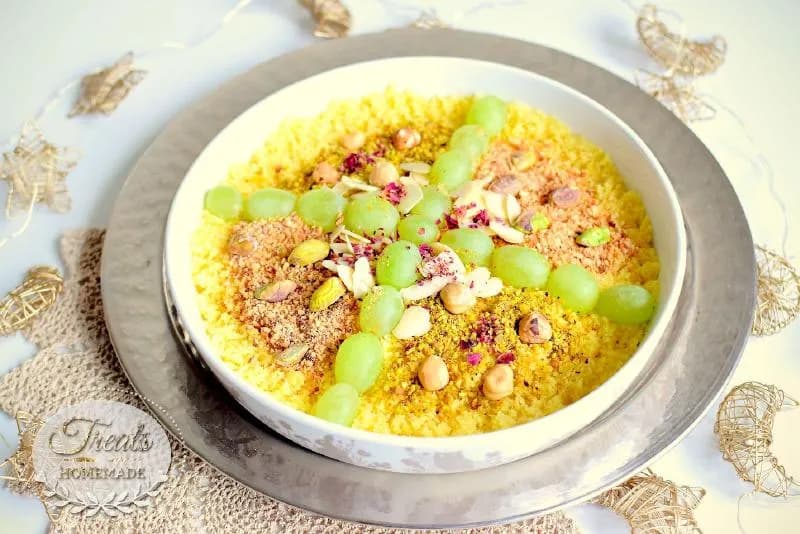
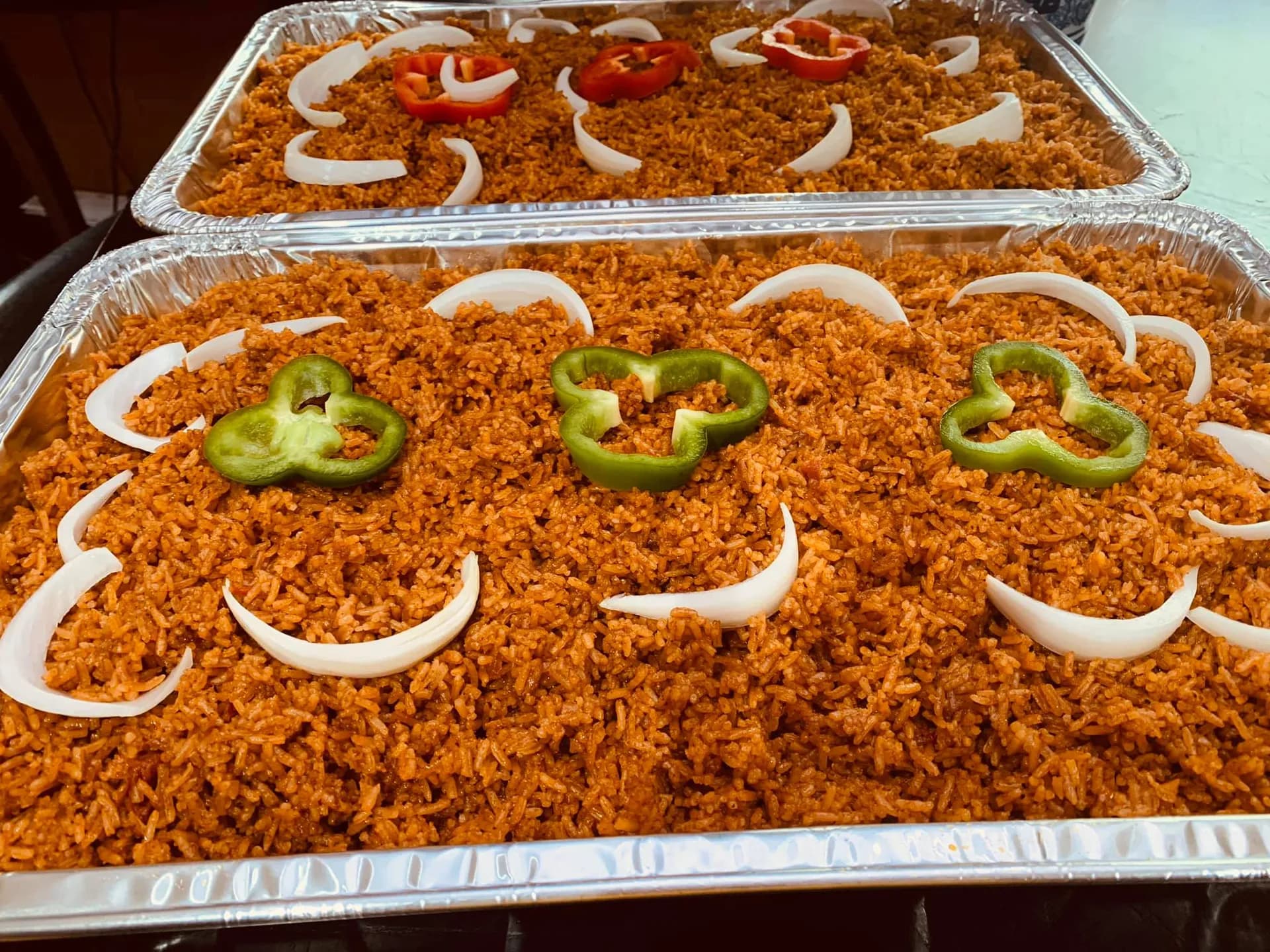
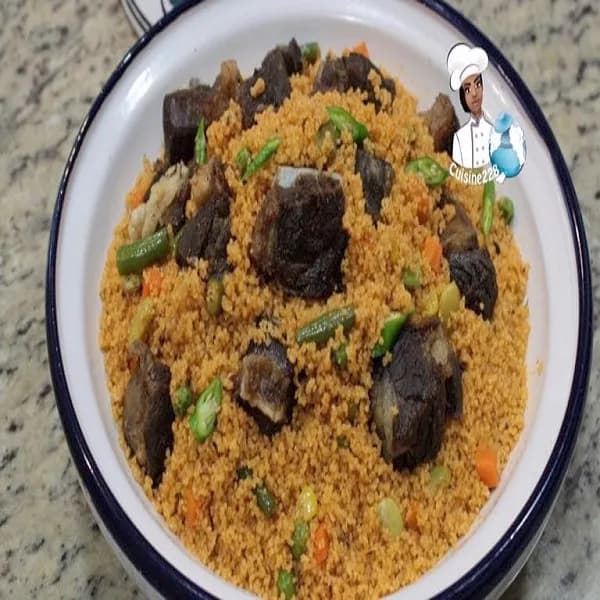
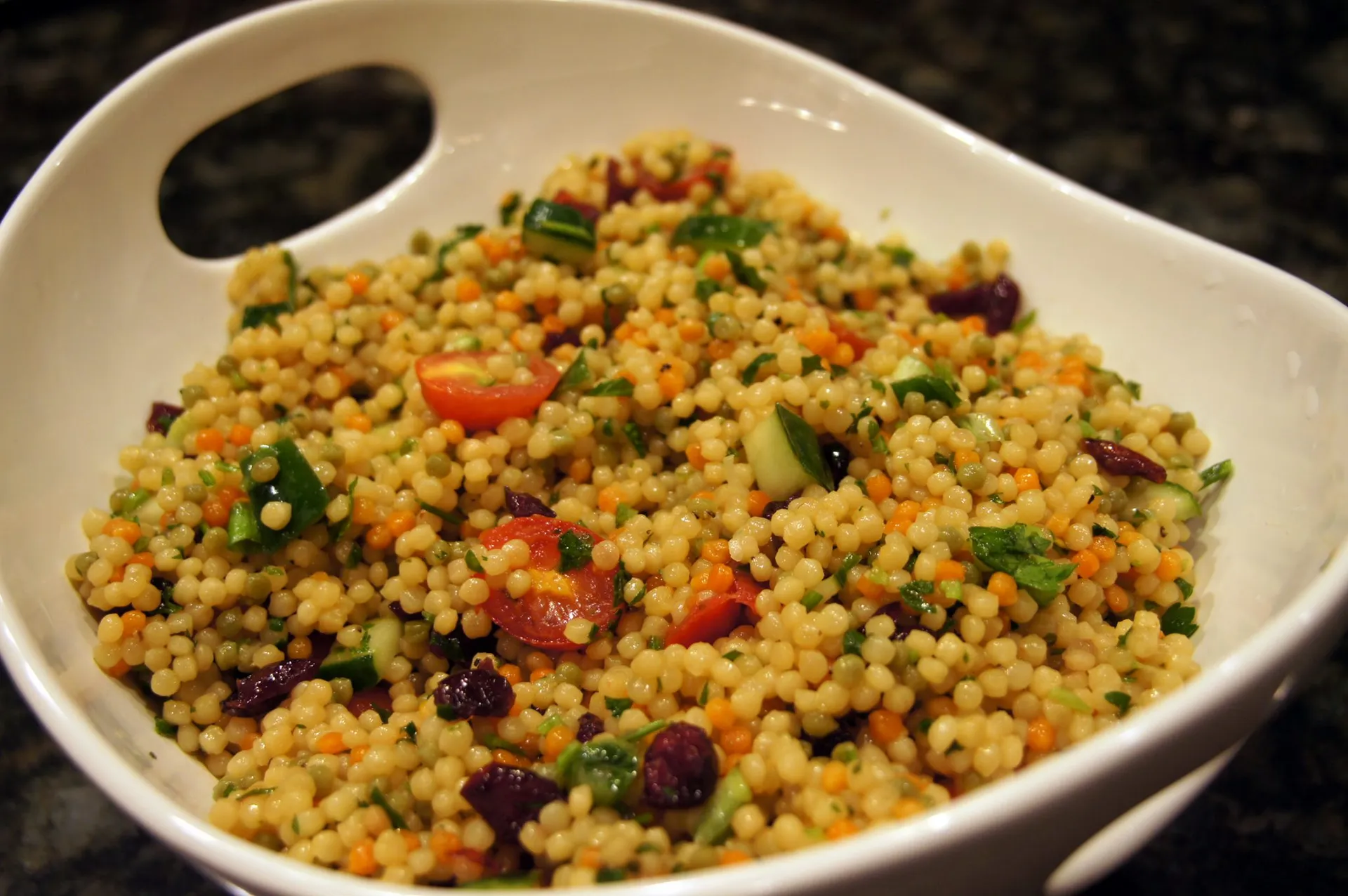
Jollof couscous applies the jollof method to North African couscous, and it sits at the meeting point of two quite separate West and North African traditions. The tomato and pepper base is built as it would be for jollof rice; the grain is steamed couscous rather than long grain rice.
Couscous itself is North African, rolled from semolina and traditionally steamed several times in a couscoussier until it is light and separate rather than gummy. In Morocco, Algeria and Tunisia it is served with a spiced vegetable stew and meat, which is a different proposition entirely from what happens here. Its texture is often compared to attiéké, the fermented cassava of Côte d'Ivoire, though the two share only appearance.
Jollof itself is contested territory between Nigeria, Ghana, Senegal and beyond, and applying it to couscous is a modern move rather than an inherited one. The source attributes this version to Senegal, which is where the jollof tradition originates in the thieboudienne of the Wolof people, though the framing in the original text is Nigerian. It is quick food, twenty minutes from start to finish, and it is honest about being an adaptation.
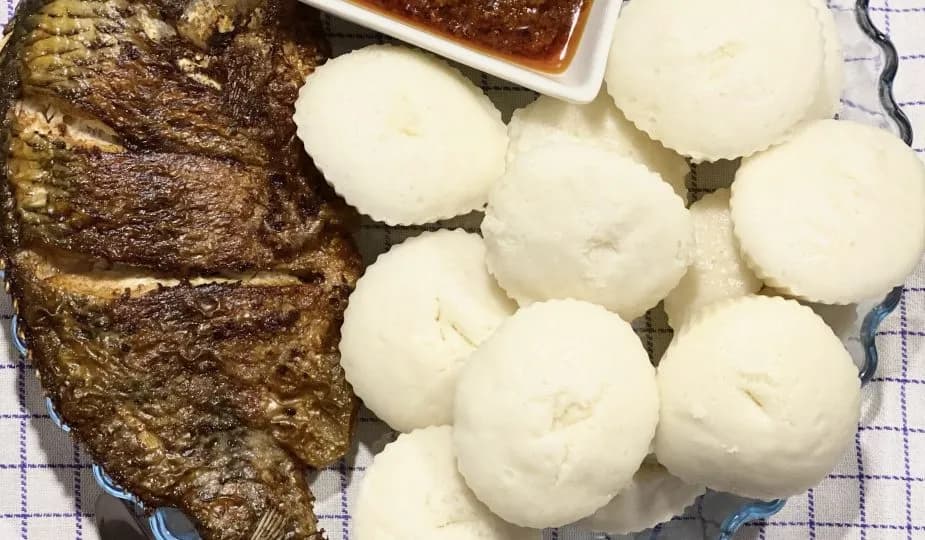
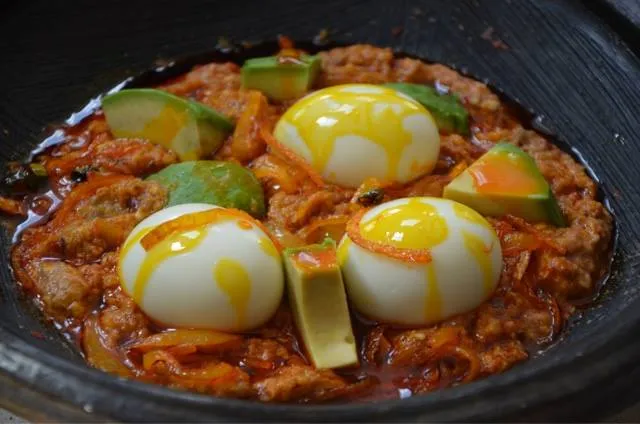
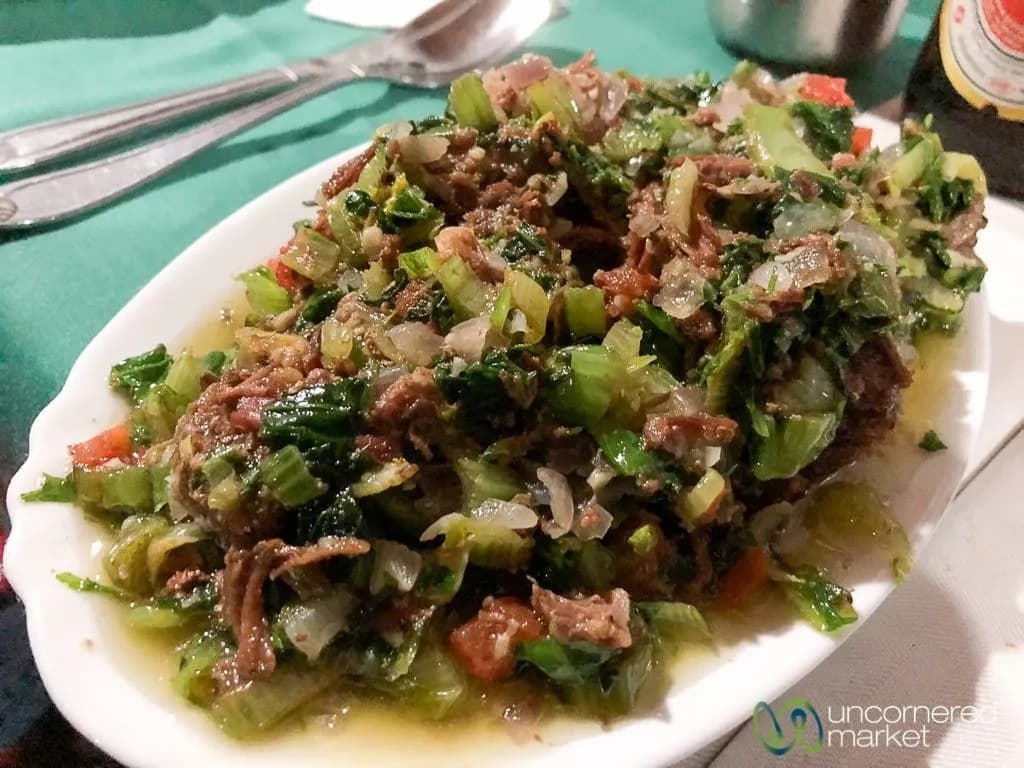
Abom, written abomu here, is the simpler of the two main Ghanaian cocoyam leaf preparations. Where the tomato based kontomire stew is thickened with ground melon seed and cooked in a pot, abom is steamed leaves ground in an asanka with onion, pepper and ginger, finished with hot palm oil poured over the top. It is closer to a relish than to a stew.
The asanka is the tool that defines it. The ridged earthenware bowl grinds rather than purees, and everything in an abom passes through it: the aromatics first, then the salted fish, then the greens, each stage mashed into the last. That produces a coarse, uneven texture that a blender cannot reproduce and that Ghanaians would notice immediately.
It is Asante food particularly, and it is assembled rather than cooked in the ordinary sense. Plantain, egg, avocado and several kinds of fish, koobi, kakro, smoked mackerel and smoked turkey, go onto the plate around the greens, and hot palm oil is ladled over at the end. Kontomire is the proper leaf. Ghanaians abroad substitute spinach, which the source acknowledges directly, and the result is milder and softer than the cocoyam leaf gives.
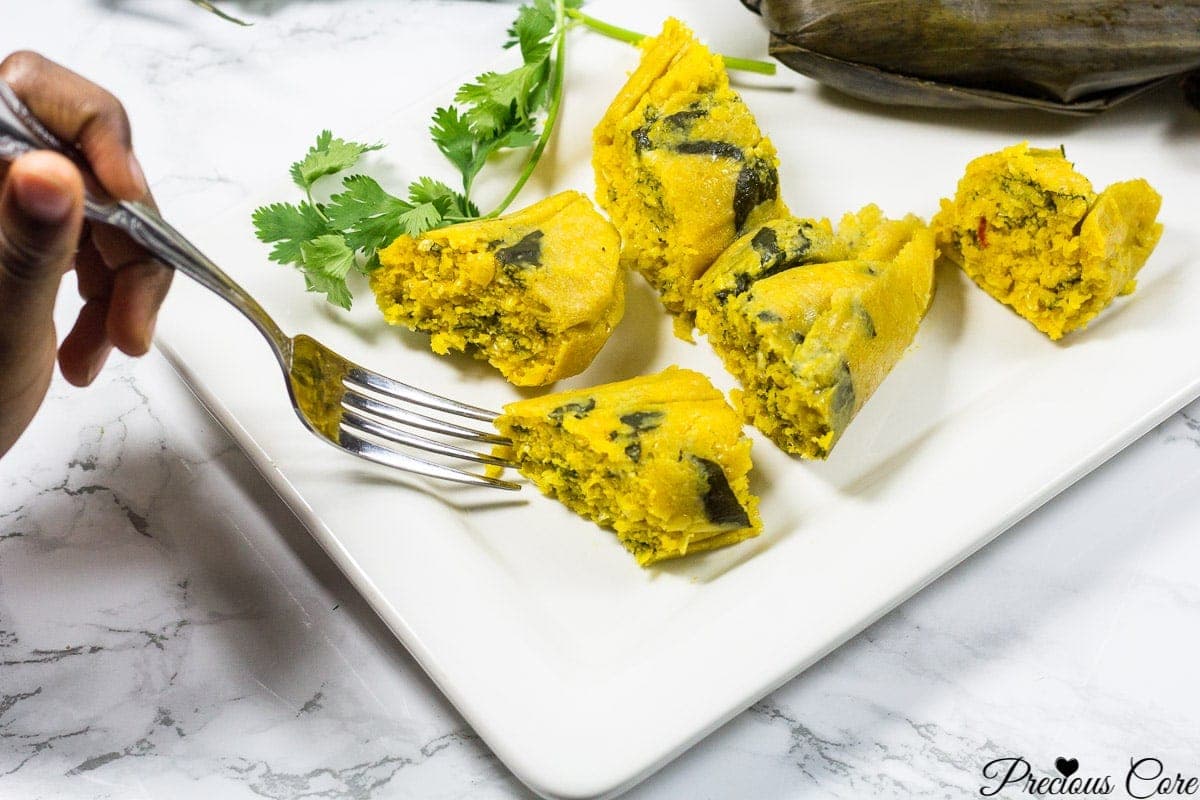
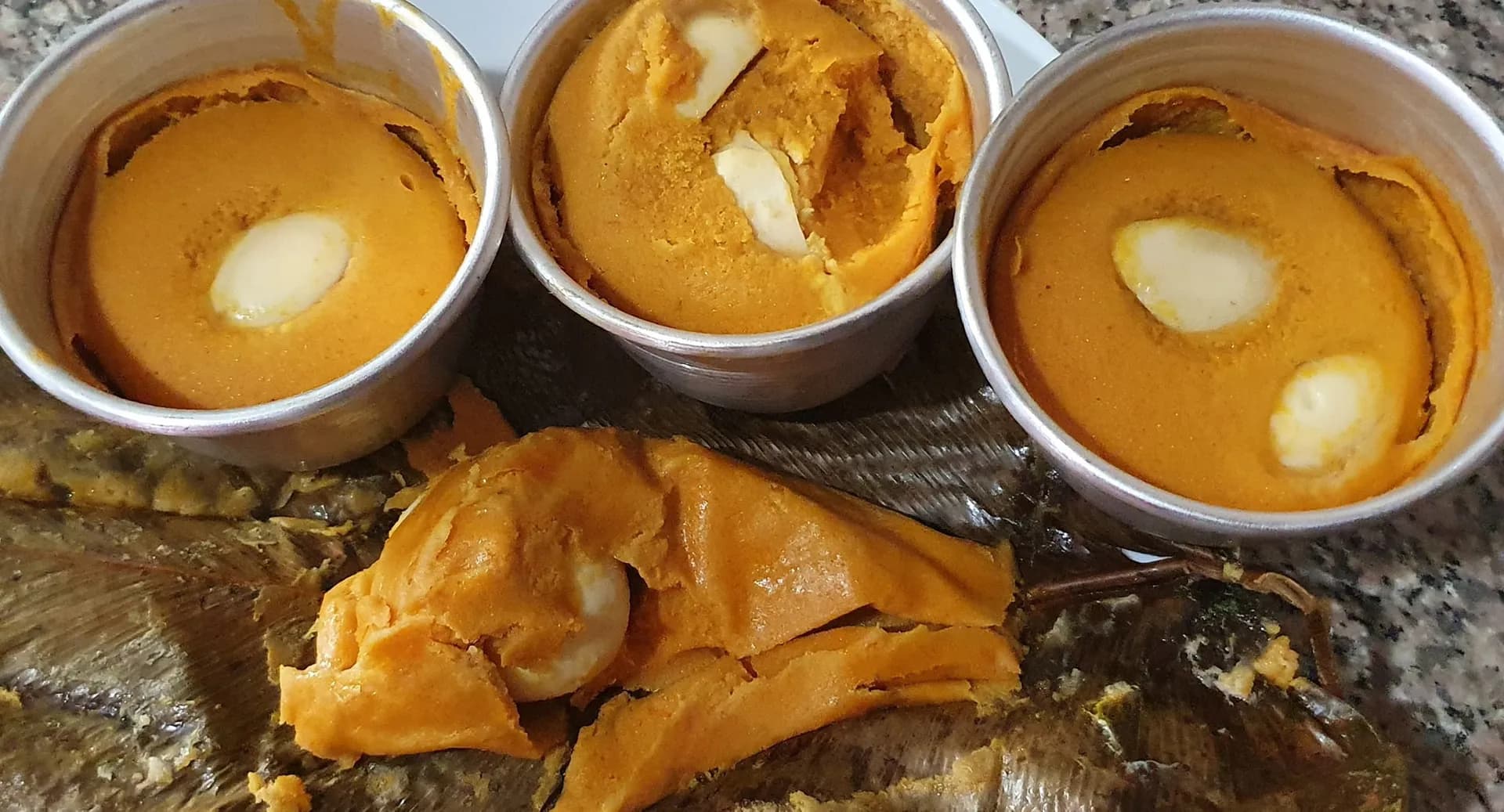
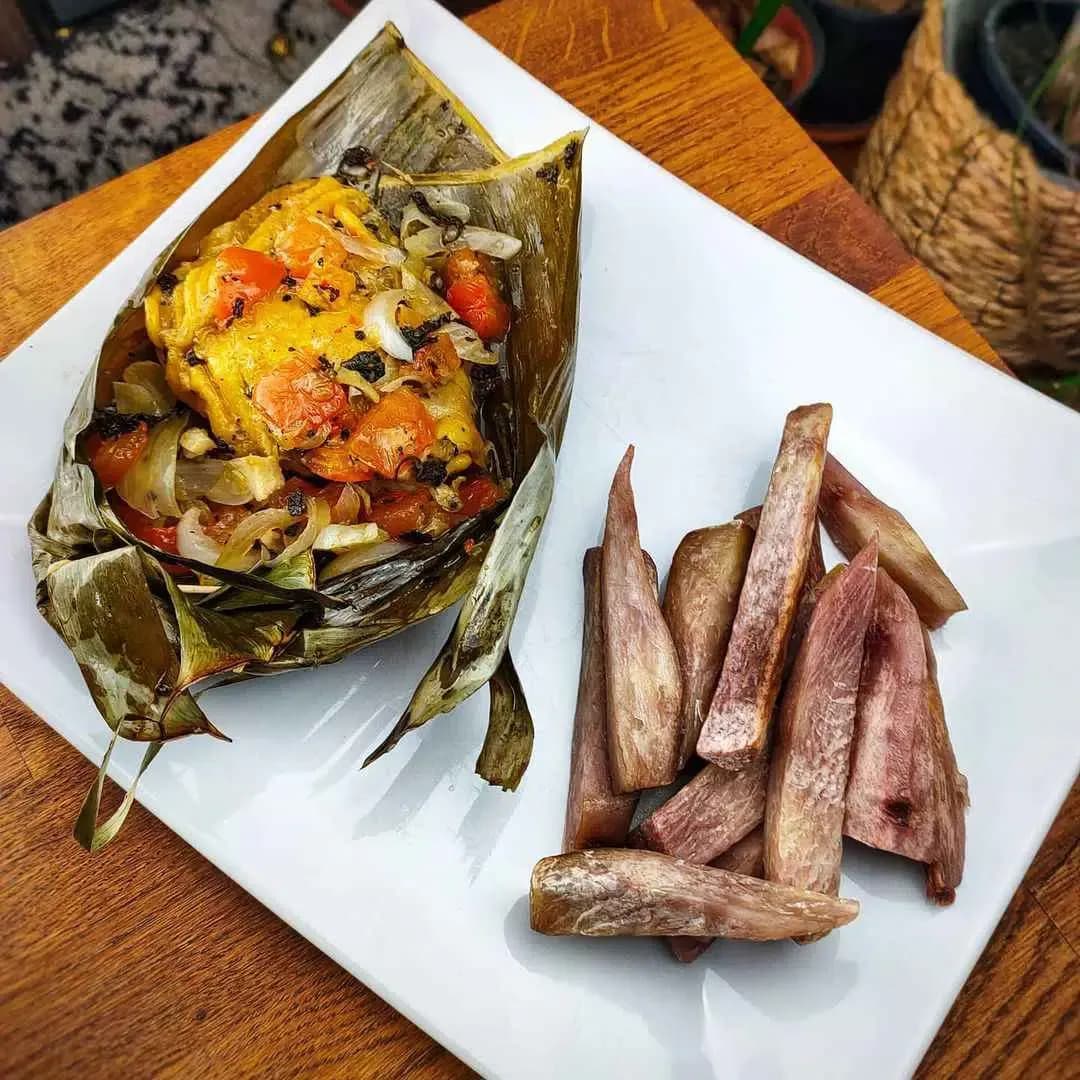
Moi moi is steamed bean pudding, and it is among the small group of Nigerian dishes that turn up everywhere: at breakfast, at parties, at weddings, in lunchboxes, beside jollof rice, and on its own. Black eyed peas or brown beans are soaked, peeled, blended with pepper and onion, seasoned, and steamed until they set.
The peeling is what most people underestimate. The bean skins have to come off before blending, because they are what stands between a smooth moi moi and a gritty one, and the quality of the blend decides the texture of the finished dish more than any other single factor. Nigerian markets have heavy duty commercial mills for exactly this reason, and home blenders often cannot manage it.
What it is steamed in changes the result and the name. Uma leaves, from Thaumatococcus daniellii, give the best flavour and cook fastest; banana leaves are the common alternative; aluminium foil and heatproof containers are the modern route. Nutmeg is the ingredient people leave out and then wonder why their moi moi does not taste like the one at the party. Egg, corned beef or bone marrow goes into the middle, and moi moi appears as a side to jollof and fried rice, as breakfast with pap or bread, and as a meal in itself.