Nous utilisons des cookies essentiels au fonctionnement du site. Nous aimerions aussi déposer des cookies de mesure d’audience et des cookies publicitaires, uniquement avec votre accord. Vous pouvez choisir séparément pour chacun. Lire notre politique relative aux cookies
Loading
Recettes
Parcourez les archives par pays, par plat et par temps de cuisson.
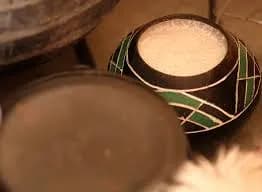
Umqombothi is Xhosa beer, brewed from maize meal, maize malt and sorghum malt. It is thick, cloudy, sour smelling and low in alcohol, usually under three per cent, and it is not made to be compared with lager. It is a different category of drink with a different purpose.
Its purpose is ceremonial before it is social. In Xhosa practice umqombothi is brewed for the return of the abakwetha, the young men coming back from ulwaluko, the initiation and circumcision rite. It is central when families communicate with the amadlozi, the ancestors, and it appears at traditional weddings, funerals and imbizo, the community meetings where matters are decided. A gathering of consequence has umqombothi at it, and its absence would be noticed as a statement.
The drink is not confined to South Africa. Sorghum beer is brewed across the continent under many names: dolo in Burkina Faso, pito in Nigeria, ingwebu among the Ndebele of Zimbabwe, which is their word for froth. Brewing is done outdoors over an open fire, cooled at ambient temperature, and the recipes are held within families and passed down rather than written.
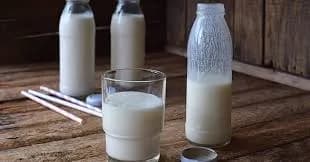
Amasi is fermented milk, thick and sharply sour, and it is one of the oldest things eaten in southern Africa. Unpasteurised cow's milk is left to ferment until it separates into a watery liquid called umlaza and the thick curd that is amasi itself, and the separation is the process rather than a fault in it.
It carries names in most of the region's languages: amasi in isiZulu and isiXhosa, maas in Afrikaans, mafi in Sesotho, magege in Xitsonga. That spread of names across unrelated language families is a reliable indication of how long and how widely a food has been eaten. Amasi is associated particularly with Zulu and Xhosa households, where it was made in a calabash or a hide bag and served in a clay pot with wooden spoons.
Its usual place is over pap. The sour milk against the neutral maize is a pairing that predates any of the dairy products it now sits beside on a supermarket shelf, and it remains an everyday South African food rather than a revived one. Commercial maas is sold nationally, which has changed how it is obtained without much changing what it is.
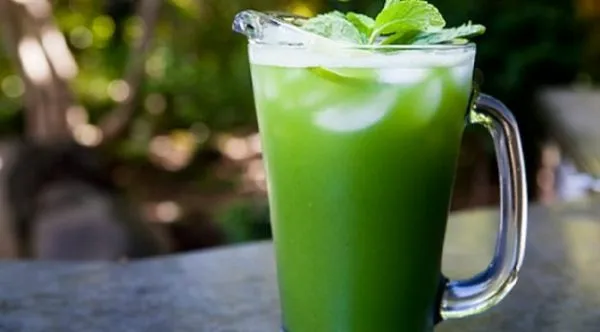
Bouye is the Wolof name for the fruit of the baobab, and bouye juice is what Senegal makes from it. The fruit hangs in hard woody pods on the most recognisable tree of the African savannah, and inside is a dry, chalky white pulp with a distinctly sour, citrus-like flavour.
Baobab has been a staple across the Sahel for centuries, in Senegal and well beyond, and every part of the tree gets used: leaves as a vegetable and thickener, seeds pressed for oil, bark for rope. The English name for the fruit, monkey bread, describes the pulp reasonably well. In Hausa the fruit is kwalba, which is the name that appears in this particular recipe.
The method is soaking rather than juicing. The pulp is left in water for around an hour to soften, worked with a whisk to release as much as possible, then strained. What happens next varies: drunk plain and sweetened it is bouye juice, while blending it with nono, the fermented milk of northern Nigeria and the Sahel, or with yoghurt, gives the thicker milkshake version this recipe describes. Both are drunk cold, and it freezes into ice lollies, which is how children across the region most often have it.
The marula tree, Sclerocarya birrea, is native to the miombo woodlands of southern Africa and holds a place in the region that goes well beyond its fruit. It is called the elephant tree because elephants travel long distances for the fallen fruit and will ram the trunk to dislodge more. It is also called the marriage tree: the fruit is held to have aphrodisiac properties, it features in fertility rituals, and tribal weddings are still conducted beneath its branches.
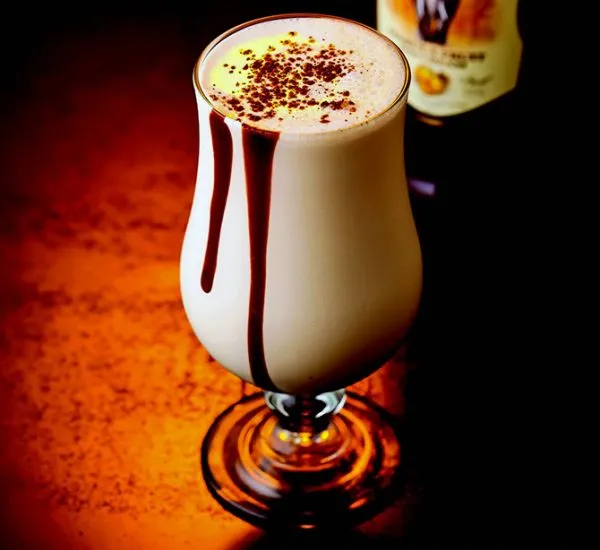
The fruit itself is small, with a light yellow skin and white flesh, and it has been eaten and fermented in southern Africa for a very long time. What most people outside the region know it for is Amarula, the cream liqueur launched by South Africa's Southern Liqueur Company in 1989, following the marula spirit released in 1983. It is now sold in over a hundred countries at 17 percent alcohol by volume, made from sugar, cream and a spirit distilled from marula fruit rather than the whisky or brandy base most cream liqueurs use.
This entry is worth reading carefully because of what it actually contains. The article above describes a commercial product. The recipe attached to it is a homemade cream liqueur made with whiskey, which is a different drink and one the article itself distinguishes Amarula from.