Nous utilisons des cookies essentiels au fonctionnement du site. Nous aimerions aussi déposer des cookies de mesure d’audience et des cookies publicitaires, uniquement avec votre accord. Vous pouvez choisir séparément pour chacun. Lire notre politique relative aux cookies
Loading
Recettes
Parcourez les archives par pays, par plat et par temps de cuisson.
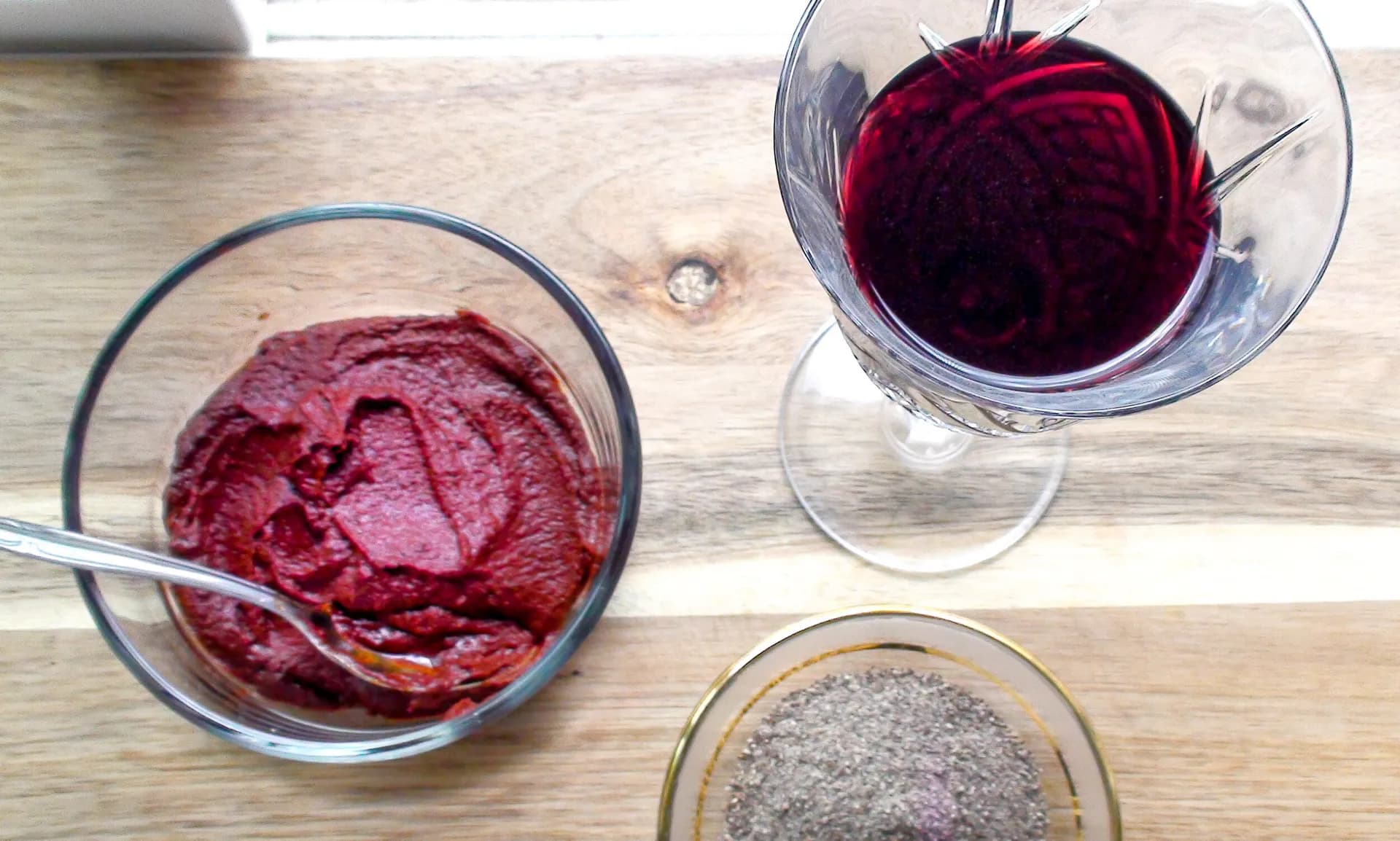
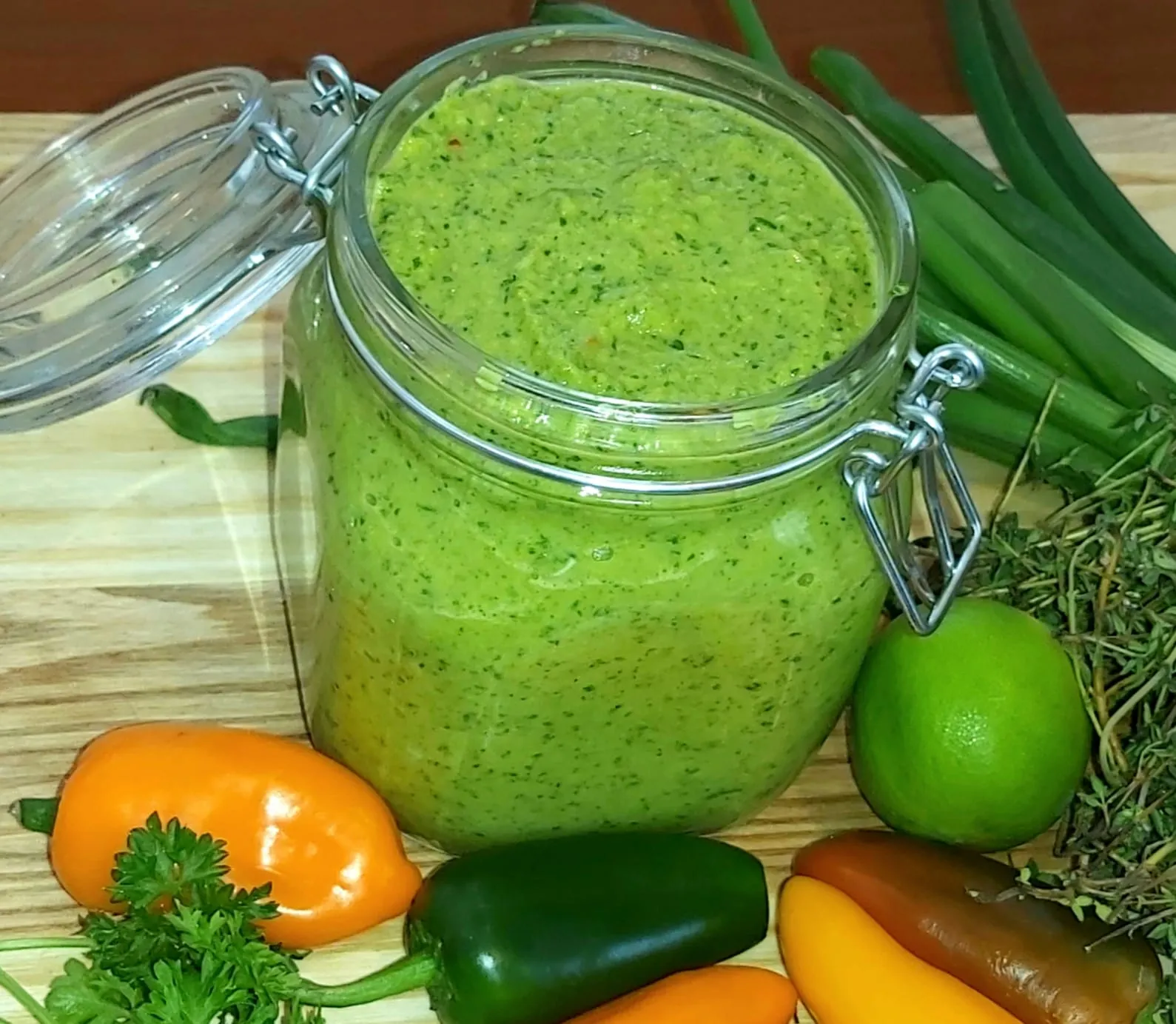
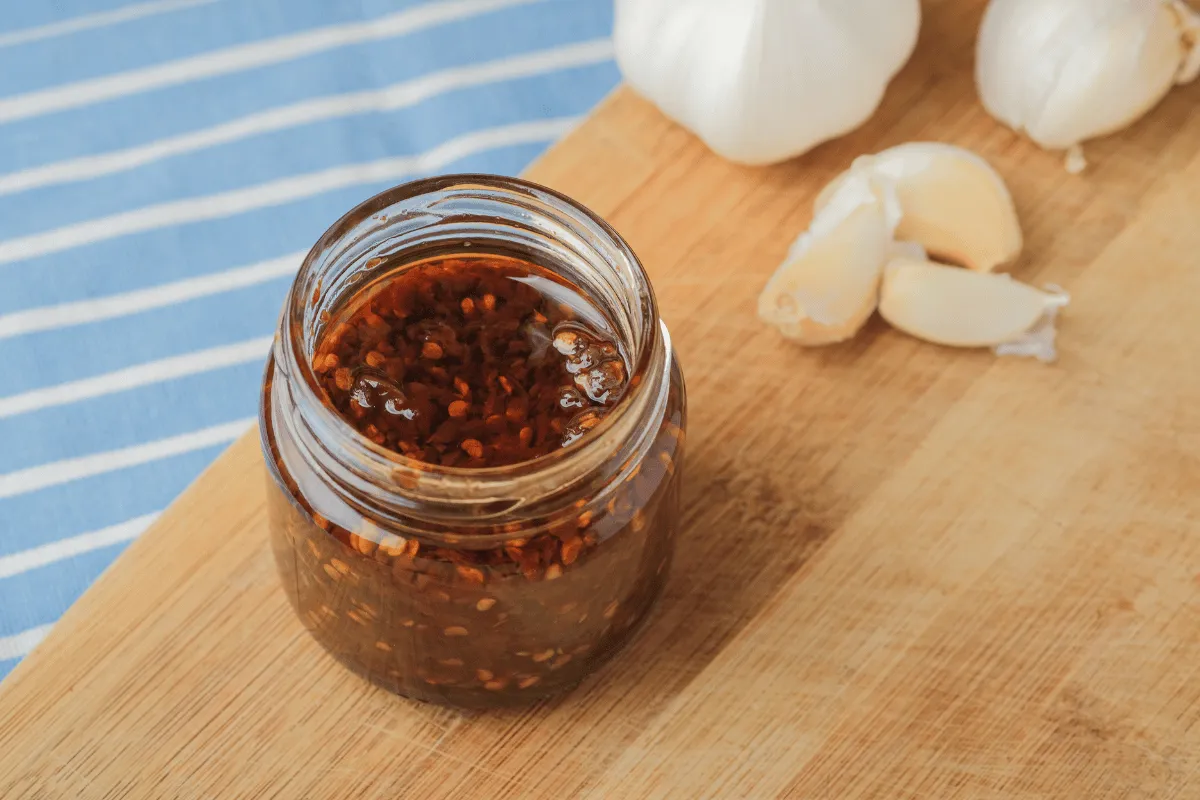
Awaze is the Ethiopian red chilli paste, built on berbere and loosened with an alcoholic liquid into a thick dip. It is extremely hot, it takes five minutes to make, and it goes with almost everything on an Ethiopian table.
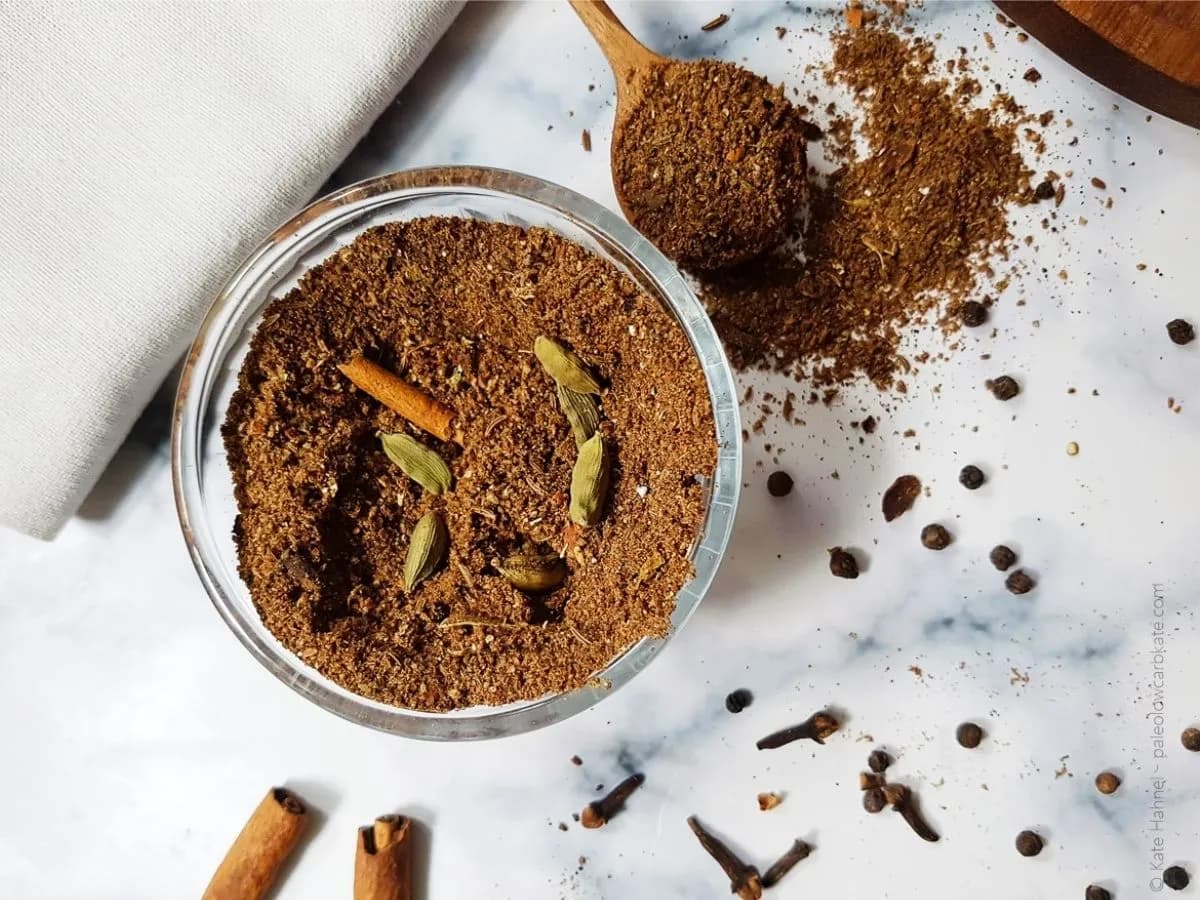
Berbere is what it is built on, and berbere is itself a blend: dried chillies, garlic, ginger, onion, rue seeds, cardamom, cloves and cinnamon. Awaze takes that and turns it into something spoonable. The liquid matters more than it sounds. Traditionally it is tej, the Ethiopian honey wine made with gesho, the shiny-leaf buckthorn, or areki, a strong spirit. This recipe uses red wine, which the contributor prefers and which is far easier to find.
Its traditional place is at celebrations. Awaze is made for weddings and special occasions and served with raw meat, and gored gored, cubed raw beef with dipping sauce, is considered by many an unofficial national dish that no Ethiopian celebration is complete without. That is worth knowing about what the dip is for. Because of the wine, this is not alcohol-free, and mitmita, the other Ethiopian chilli blend with pili-pili peppers and cardamom, is a related but different thing.
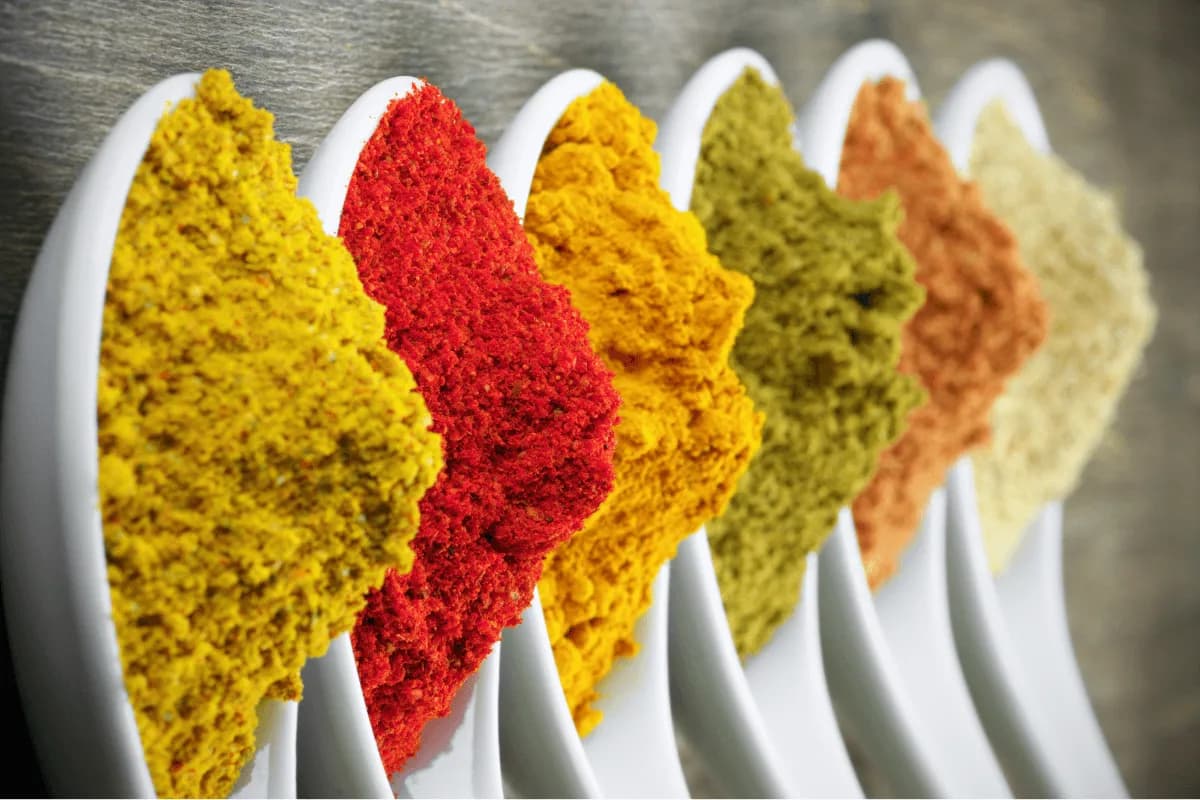
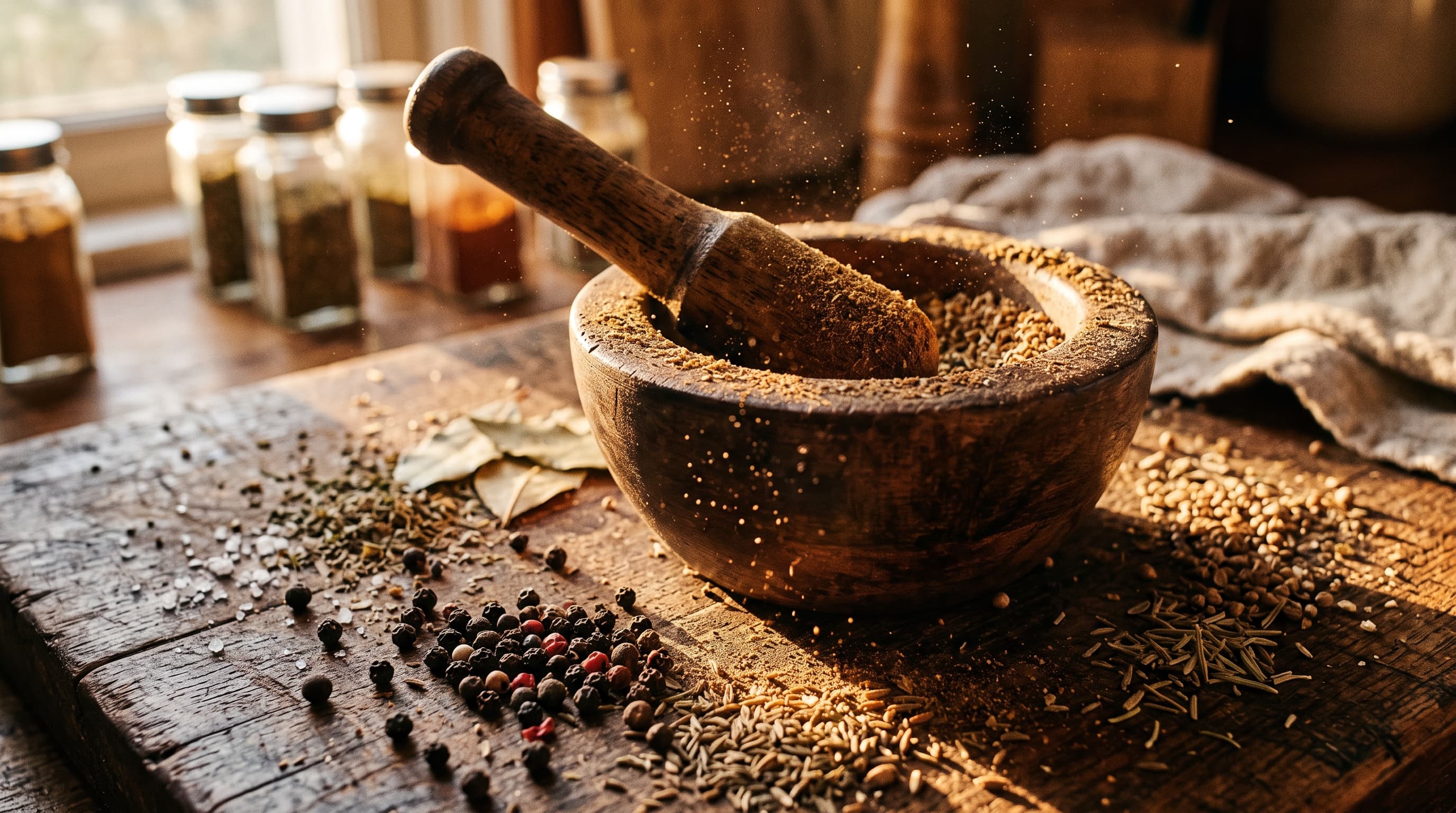
A dry rub for chicken: thyme, cayenne, cumin, paprika, garlic powder, black pepper, oregano, onion powder and salt. It carries no country and it is a broadly Western blend, the direct counterpart to the fish seasoning already in this collection.
That is worth saying plainly on a platform documenting African food, because Africa has a great many chicken seasonings that this is not. Nigerian suya spice, yaji, is built on ground peanuts with paprika, cayenne and ginger. Ethiopian berbere combines chilli with cardamom, fenugreek and rue. Moroccan ras el hanout can run to a dozen or more spices. Peri peri from Mozambique and Angola leads with African bird's eye chilli and lemon. Any of those would be the regional answer.
What is here is a competent all-purpose rub, useful for roasting, grilling or frying, and it keeps for months in a sealed jar. It is filed under Worldwide Recipes rather than presented as African. One practical note the source makes and is right about: the salt is adjustable and can be left out entirely, which is worth doing if you are also using a seasoning cube or a brine, since both already carry a great deal.
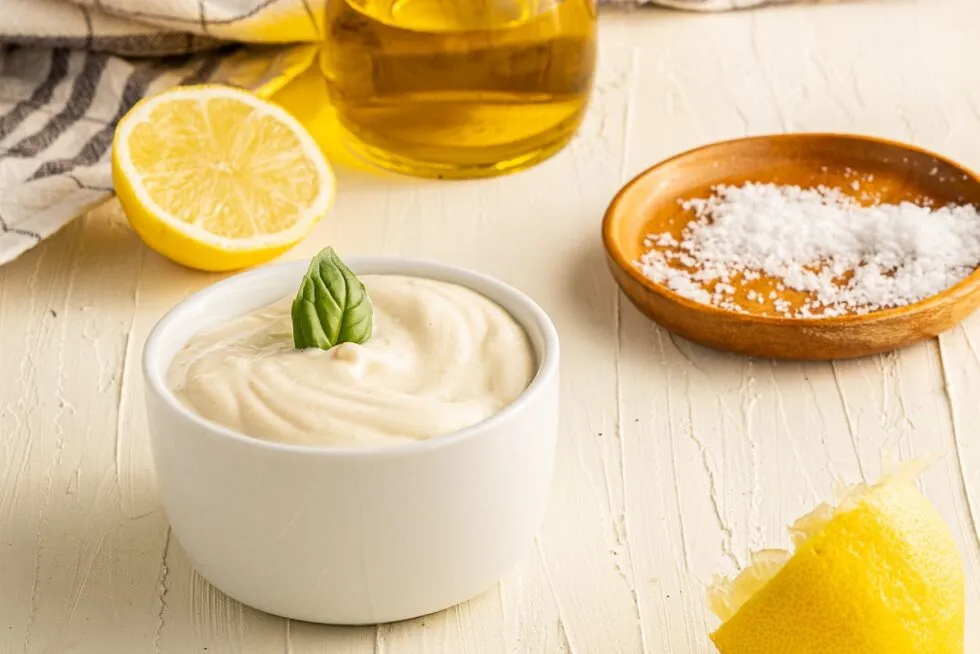
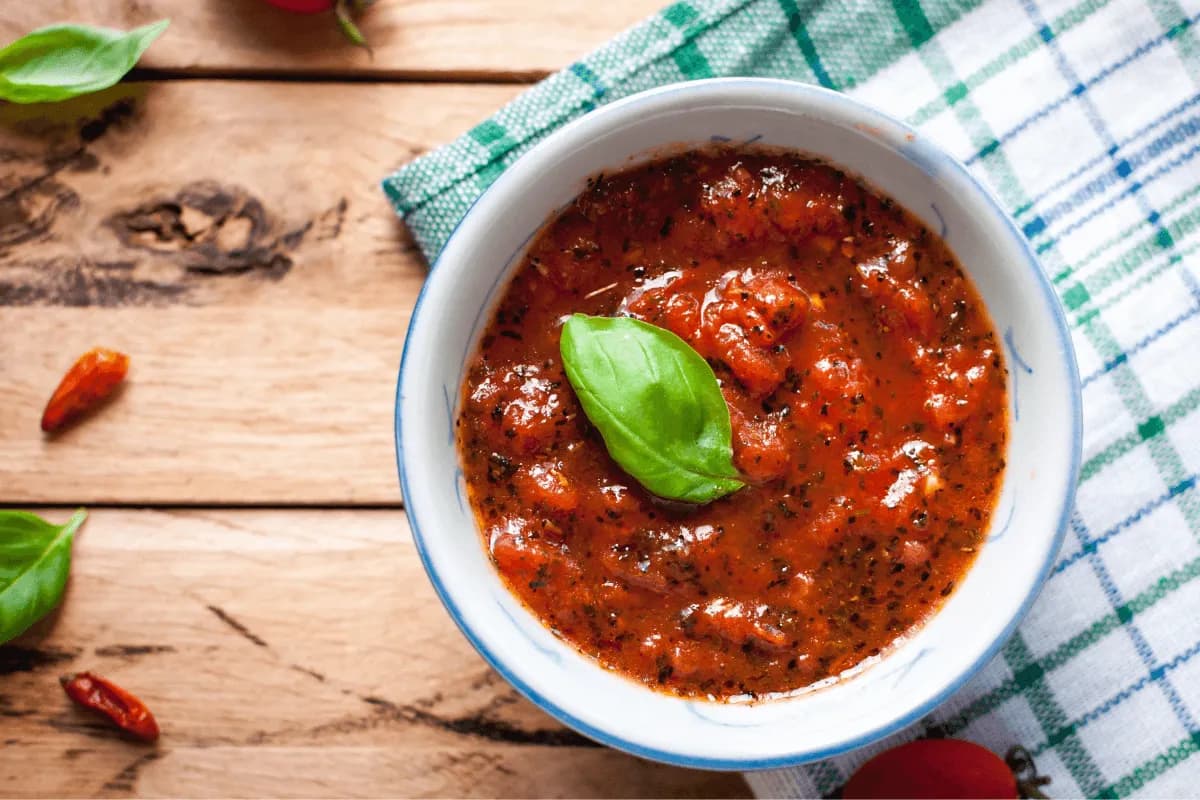
Tinned tomato sauce sweetened with honey and cooked down briefly. No country is claimed; it is a shortcut sauce for homemade pizza.
This is the shortest recipe in the entire archive, two ingredients, and it is worth being honest about what that means. The source's own article promises olive oil and garlic; neither appears in the ingredient list or the method. What is actually written is tinned tomato sauce with honey stirred in and simmered for seven minutes. That will make a perfectly serviceable pizza sauce, and it will taste of tinned tomato and honey.
The honey is doing a real job, though, and it is worth understanding rather than dismissing. Tinned tomatoes are noticeably acidic, and a small amount of sugar counteracts that acidity rather than making the sauce sweet, the same reason Italian cooks put a pinch of sugar into a long-cooked tomato sauce. Two tablespoons in a tin is more than a pinch, so taste as you go.
The seven-minute cook is the other half of it. Tinned tomato sauce is thin, and reducing it slightly gives you something that sits on the dough rather than soaking into it.
Olive oil, garlic, oregano and salt would improve it considerably and are all in the source's own description.
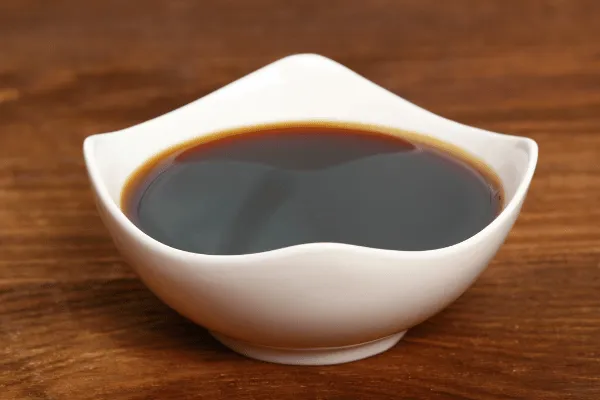
Browning is brown sugar cooked until it is almost black, then let down with boiling water into a dark, bitter syrup. It is a Caribbean staple, Jamaican, Trinidadian and West Indian generally, used to colour and deepen stews, curries, gravies and cakes.
**This page had no recipe card in the source.** The ingredients and method below are reconstructed from its article, and that is flagged.
The point of it is that it is not sweet. Sugar taken far past caramel, to the point where it looks burnt, has lost most of its sweetness and gained a deep bitterness, and that bitterness is what gives Caribbean brown stew chicken and oxtail their characteristic colour and savoury depth. Stopping at golden caramel gives you something quite different and considerably less useful.
Two safety points that the article does not stress enough. Sugar at this stage is well above the boiling point of water and will cause serious burns on contact. And adding water to it causes violent spattering, so the pan should come off the heat, the water should be boiling rather than cold, and it should go in slowly and at arm's length.
A teaspoon or two per dish is the right dose. It is concentrated, and too much makes food taste burnt.