Nous utilisons des cookies essentiels au fonctionnement du site. Nous aimerions aussi déposer des cookies de mesure d’audience et des cookies publicitaires, uniquement avec votre accord. Vous pouvez choisir séparément pour chacun. Lire notre politique relative aux cookies
Loading
Recettes
Parcourez les archives par pays, par plat et par temps de cuisson.
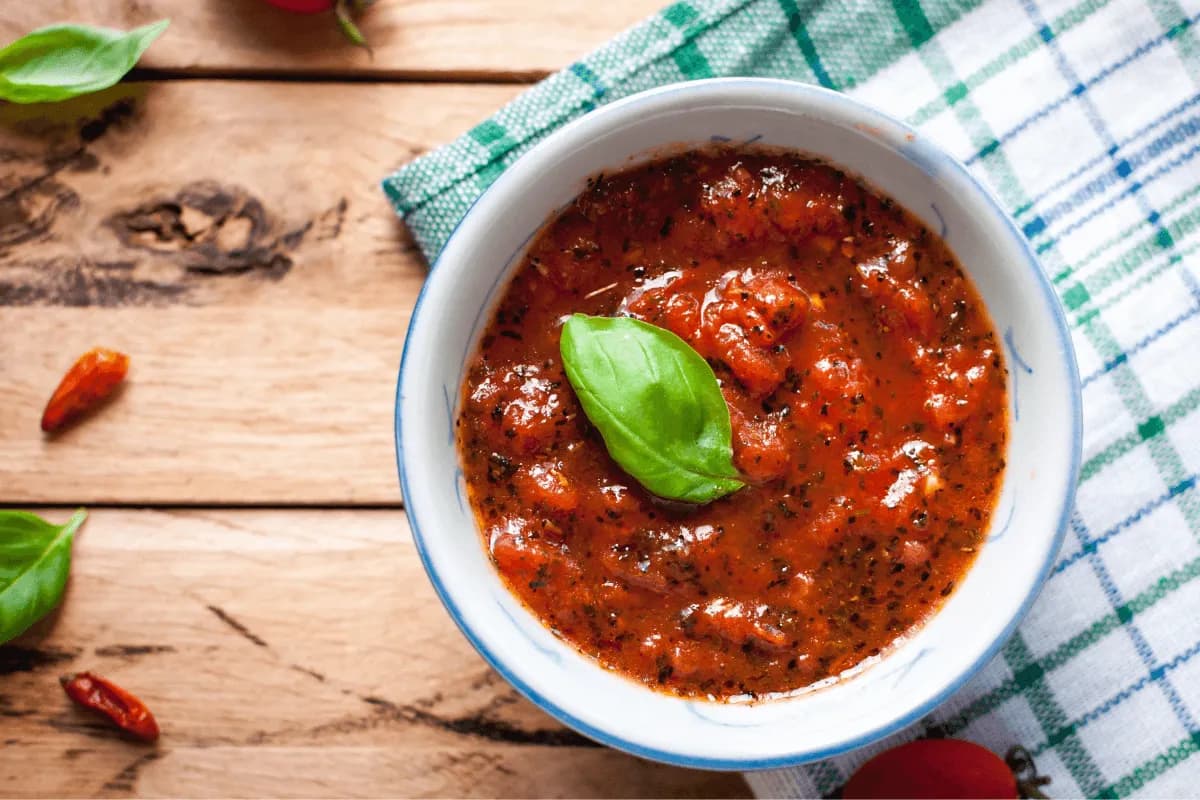
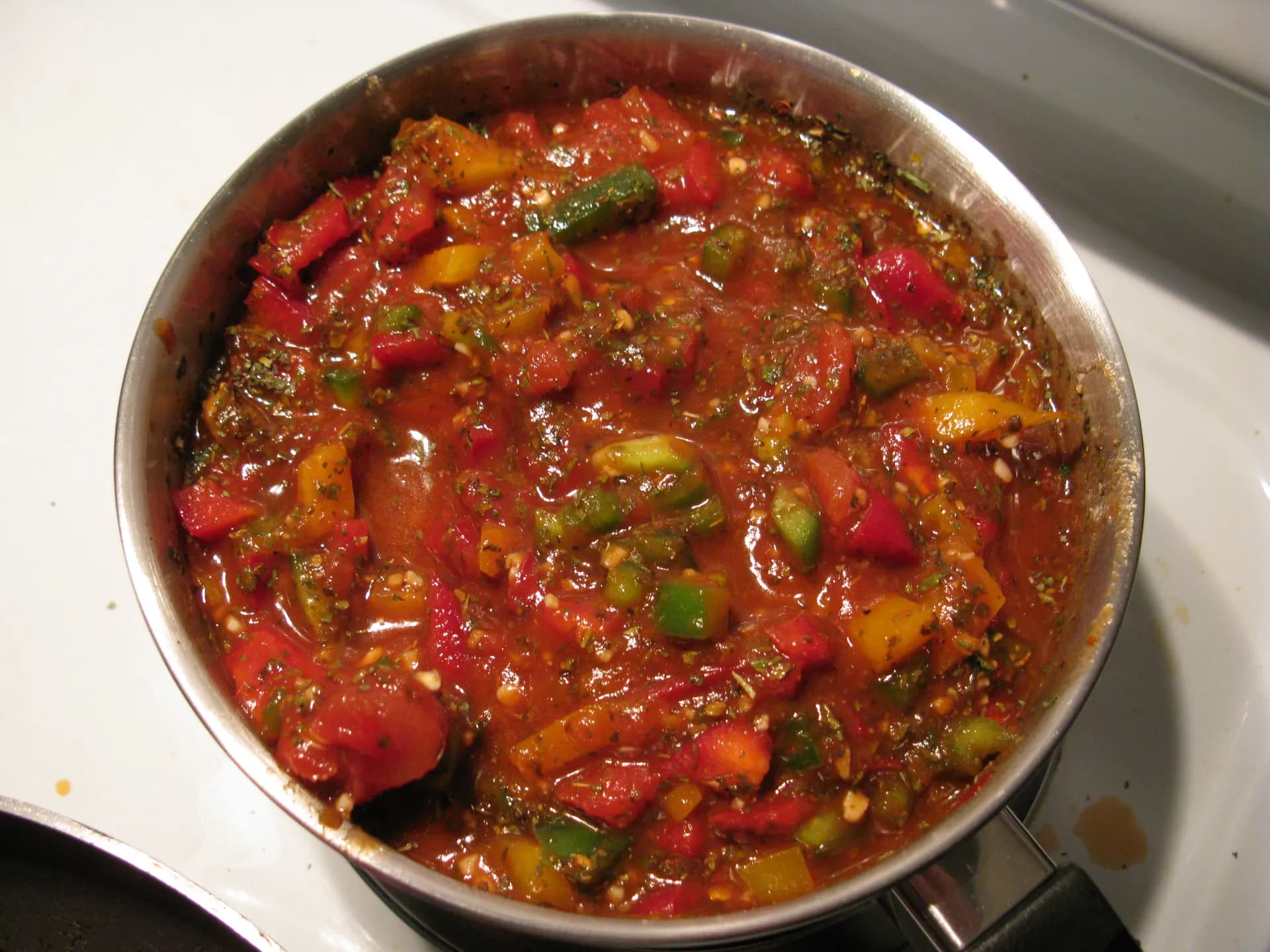
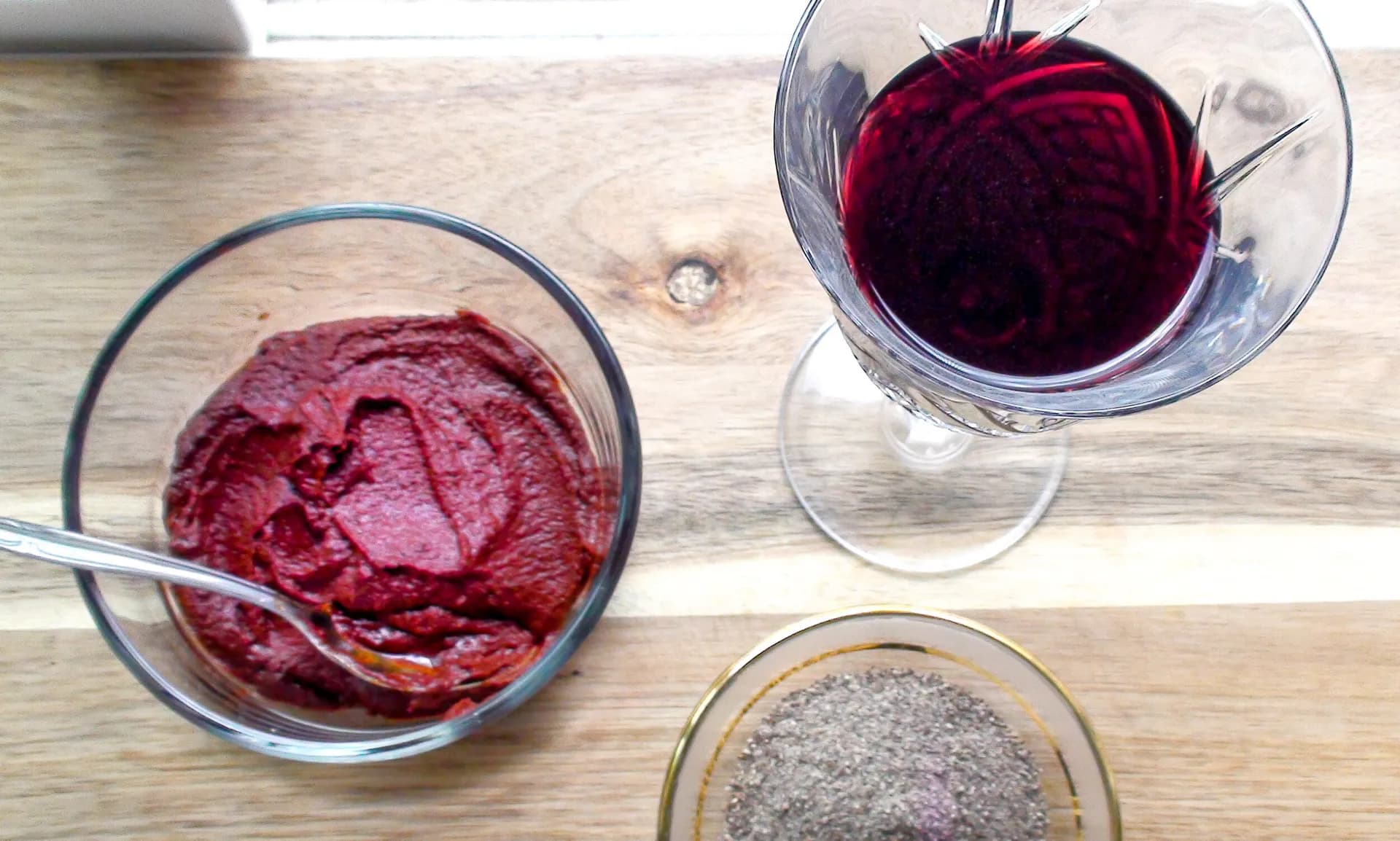
Tinned tomato sauce sweetened with honey and cooked down briefly. No country is claimed; it is a shortcut sauce for homemade pizza.
This is the shortest recipe in the entire archive, two ingredients, and it is worth being honest about what that means. The source's own article promises olive oil and garlic; neither appears in the ingredient list or the method. What is actually written is tinned tomato sauce with honey stirred in and simmered for seven minutes. That will make a perfectly serviceable pizza sauce, and it will taste of tinned tomato and honey.
The honey is doing a real job, though, and it is worth understanding rather than dismissing. Tinned tomatoes are noticeably acidic, and a small amount of sugar counteracts that acidity rather than making the sauce sweet, the same reason Italian cooks put a pinch of sugar into a long-cooked tomato sauce. Two tablespoons in a tin is more than a pinch, so taste as you go.
The seven-minute cook is the other half of it. Tinned tomato sauce is thin, and reducing it slightly gives you something that sits on the dough rather than soaking into it.
Olive oil, garlic, oregano and salt would improve it considerably and are all in the source's own description.
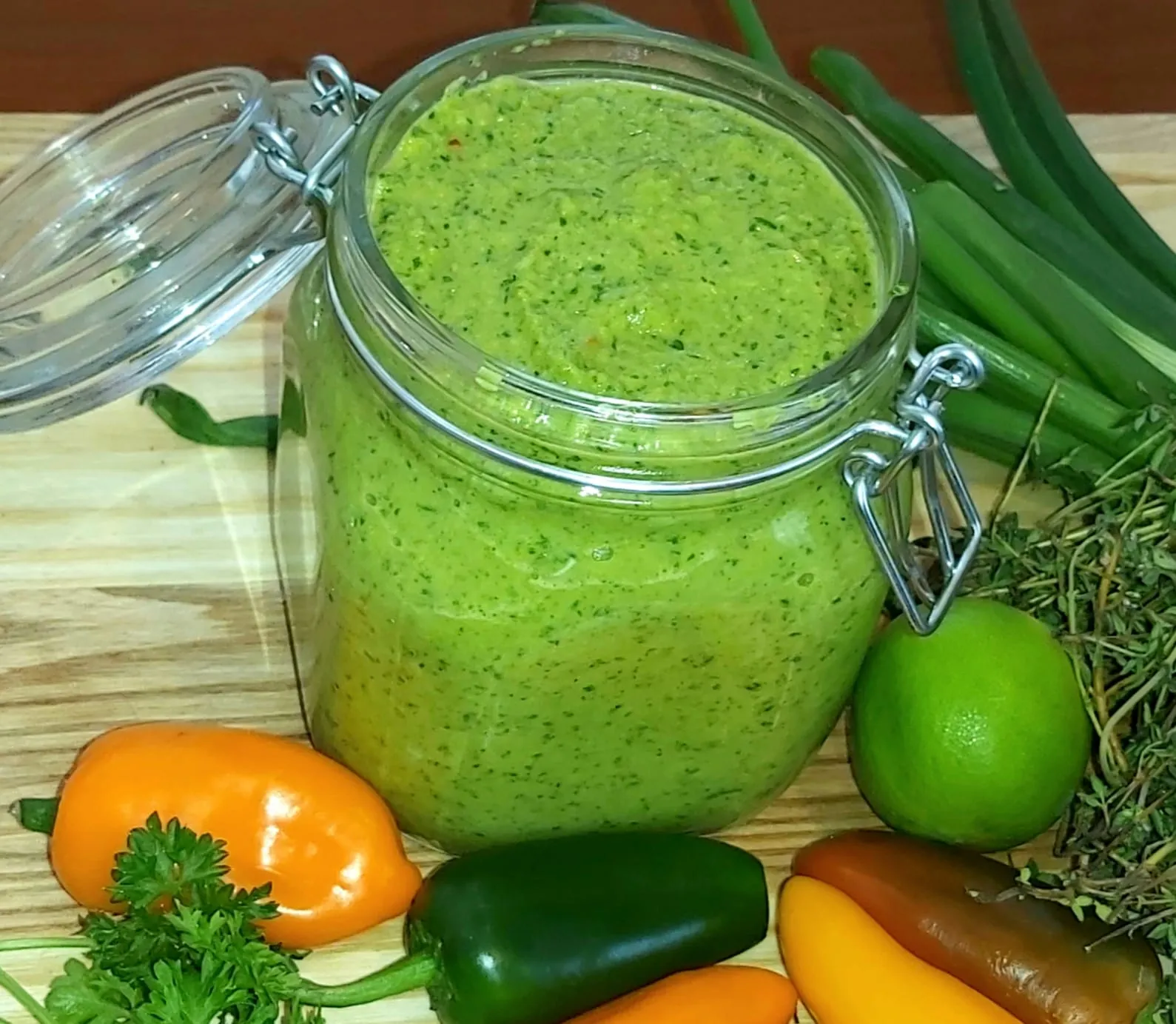
Green seasoning is a blended paste of fresh herbs, aromatics and chilli, used across the Caribbean as an all-purpose marinade and flavour base. Trinidad and Tobago is where it is most identified, and Guyana, Jamaica and the wider region all have versions.
The source describes it as known to the Caribbean and some parts of Africa, which is a fair way of putting it. Its home is the Caribbean. What it resembles in Africa is a family of green pastes that do similar work: Senegalese nokoss, Moroccan chermoula, and the blended pepper bases used across West Africa. Those are related in function rather than in origin, and green seasoning as it is made here is Caribbean.
It goes on everything: meat, seafood, grains, stews. Composition varies enormously by household and island, and the version here is a modest one built on parsley, coriander, celery, onion, garlic, scotch bonnet and thyme. Bigger versions include chive, culantro, pimento peppers and ginger. It keeps about a week refrigerated, and freezing it in ice cube trays is the standard way to hold a large batch, which is how most Caribbean kitchens handle it.
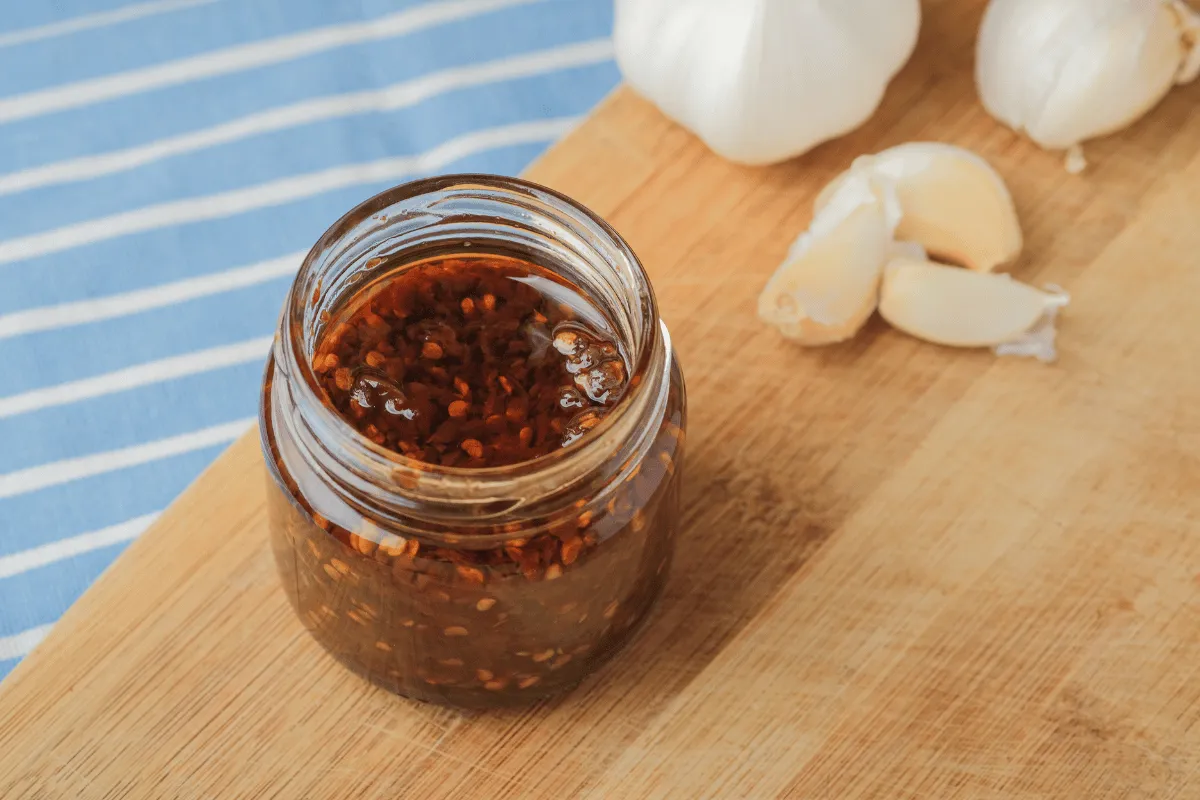
Peri peri, also written piri piri, is a sauce built on the African bird's eye chilli, and both the chilli and the sauce belong to the Portuguese-speaking parts of southern Africa. Piri piri is Swahili for pepper, and the chilli itself grows wild across Mozambique, Angola and the surrounding region.
Its history runs both ways across the Atlantic. Chillies are South American and were carried to Africa by Portuguese traders in the sixteenth century, where the small bird's eye variety naturalised and became a defining ingredient of Mozambican cooking. Portuguese settlers then took the sauce back to Portugal, and from there it spread internationally, which is why most people outside Africa first meet it as a restaurant chain flavour rather than as a Mozambican one.
The sauce is not only heat. Bird's eye chilli brings a genuine fierceness, but the finished sauce carries tangy citrus from lemon, a little sweetness from sugar, and an earthy smokiness from paprika and garlic, and the result is thick, almost paste-like. The technique worth noting is emulsifying the oil into the blended sauce at the end, at reduced speed, which gives the body it needs to cling to chicken. The source is emphatic on one point: do not use extra virgin olive oil, which turns bitter when blended.
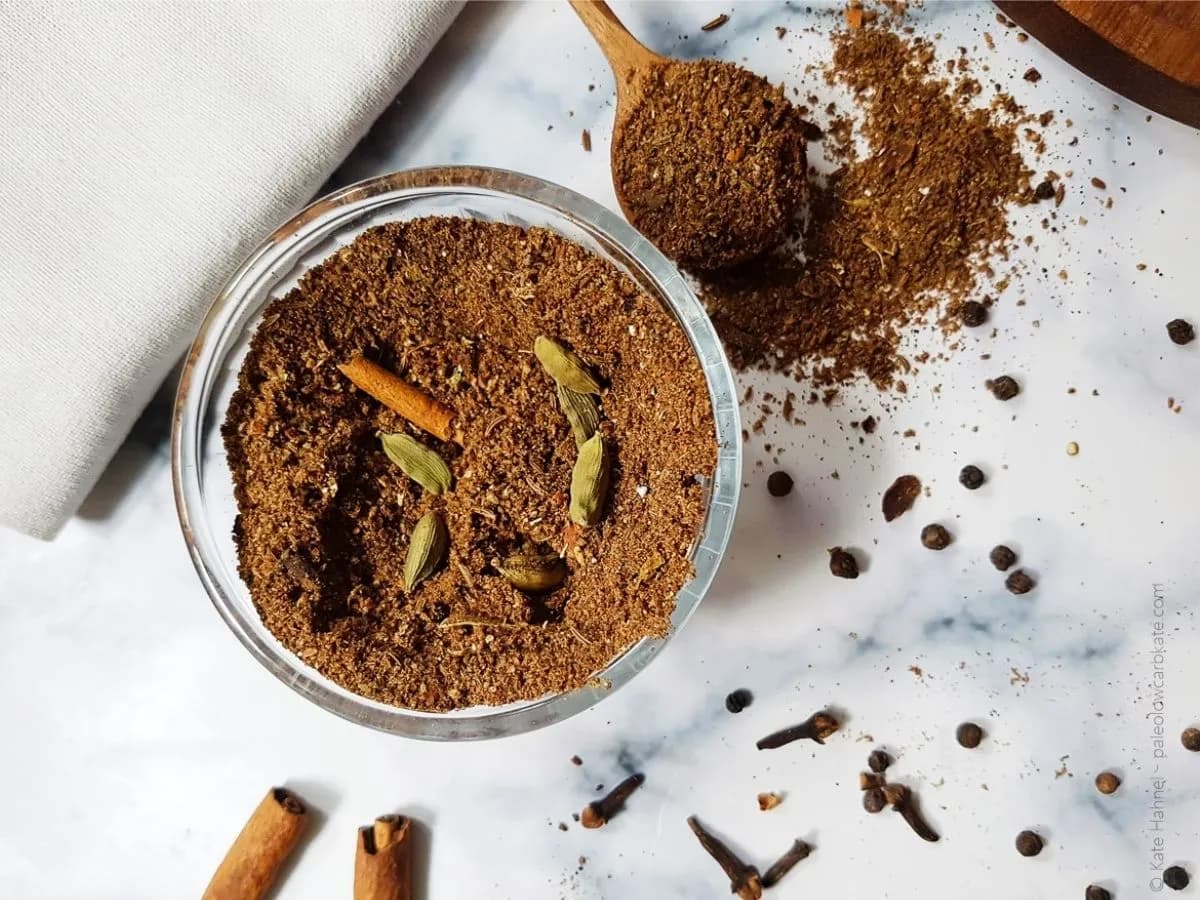
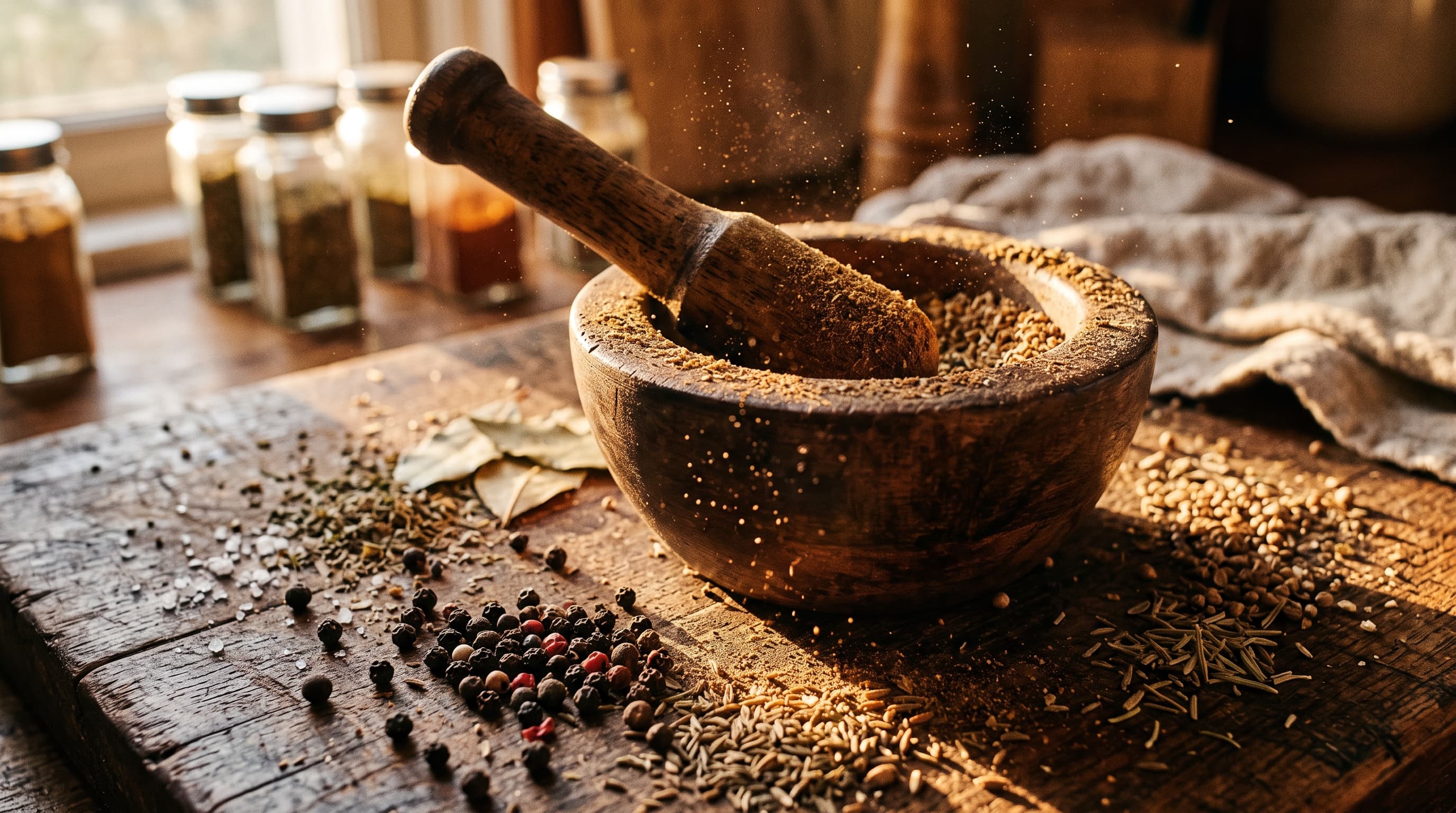
Pilau masala is the spice blend behind pilau, the spiced rice of the East African coast, and it is a short list of whole spices rather than a long one. Cumin, black peppercorns, cardamom, cloves and cinnamon are roasted briefly and ground, and that is the whole thing.
The blend belongs to the Swahili coast, where centuries of Indian Ocean trade brought spices from South and Southeast Asia into the cooking of Kenya, Tanzania and Zanzibar. Pilau itself is a relative of the pilaf and pulao found from Persia to India, adapted along the coast into something distinctly East African, and the masala is the point at which that trade history is most visible.
Whether to buy it or make it is the practical question. Pre-ground blends are widely sold and perfectly usable, but ground spices lose their volatile oils quickly, and the difference between a jar that has sat on a shelf for a year and spices roasted and ground the same day is not subtle. It requires no grinder: a mortar and pestle does the job, and the roasting step is what makes it worth doing at all, since brief heat opens up the aromatics before they are broken down.