

Tapalapa
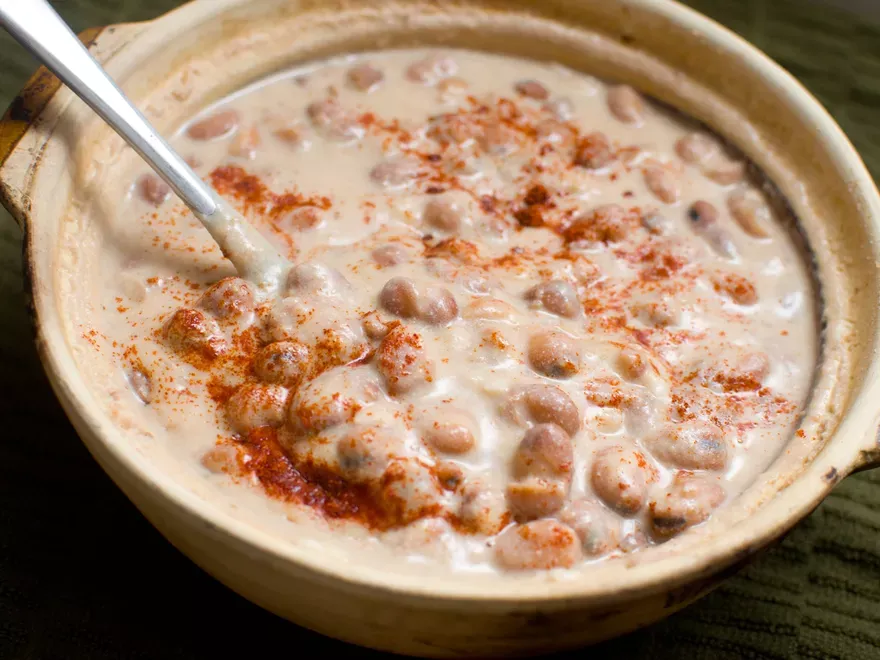
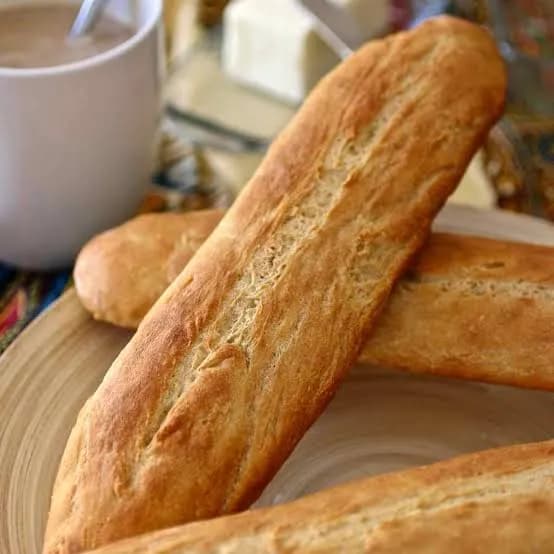
Tapalapa is a West African bread: a dense, chewy loaf with a firm crust, baked long and scored across the top, and sold from roadside ovens and small bakeries rather than from supermarkets. It is bought fresh in the morning, torn rather than sliced, and eaten with whatever the household has. Its role is that of daily bread in the most literal sense. In the countries where it is baked, the tapalapa loaf is a breakfast item, split and filled with beans, egg, fried fish or a spread, and it is also what appears alongside a stew at other times of day. Baked in a wood fired oven, which is how most of it is still produced, it takes on a crust and a faint smokiness that a domestic oven does not reproduce. The bread belongs to a wider West African tradition of European style leavened loaves that were absorbed into local baking and then developed independently, arriving somewhere quite distinct from any European original. Tapalapa is denser and chewier than a baguette, keeps considerably better, and is built to hold a filling without collapsing. The countries of the region that bake it treat it as their own, and the question of exactly where it began is not settled.
2 hrLaila