Tajin Sibnekh (Tunisian Chicken and Egg Bake)
4.24.2 out of 5, 5 ratings50 min


Cookies sur African Food Network
Nous utilisons des cookies essentiels au fonctionnement du site. Nous aimerions aussi déposer des cookies de mesure d’audience et des cookies publicitaires, uniquement avec votre accord. Vous pouvez choisir séparément pour chacun. Lire notre politique relative aux cookies

Parcourez les archives par pays, par plat et par temps de cuisson.
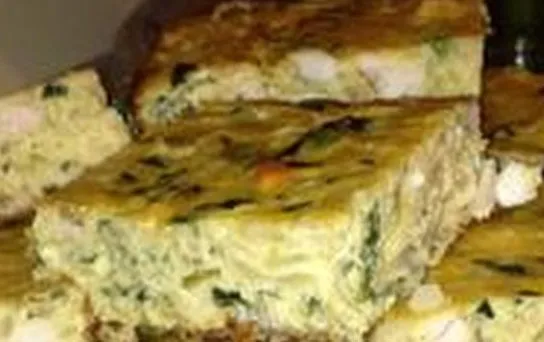
A Tunisian tajine is not a Moroccan tagine, and this dish is the clearest illustration of the difference. Moroccan tagine means a stew cooked slowly in a clay pot under a conical lid. Tunisian tajin, or tajin sibnekh, means a baked egg dish, set firm and cut into squares, much closer to an Italian frittata or a Spanish tortilla. The confusion is entirely reasonable and entirely common. The same word travelled to two North African countries and attached itself to two different things. In Tunisia the dish is built from eggs beaten with whatever else is going: potatoes, chicken, spinach, peas, cheese, and the North African spices that mark it as Tunisian rather than European. Harissa and ras el hanout do that marking. Harissa is Tunisia's chilli paste and its most exported product; ras el hanout is the layered spice blend used across the Maghreb. Together they give an egg bake a warmth and heat that a frittata does not have. It is usually served as a starter, though it is substantial enough to be a meal, and it is as good cold the next day as it is hot, which makes it packed lunch and picnic food across the country.
Les mieux notées
50 minEasyTunisia
Recette de FoodChef · Africook
Rien ici pour le moment
Tout effacer