Nous utilisons des cookies essentiels au fonctionnement du site. Nous aimerions aussi déposer des cookies de mesure d’audience et des cookies publicitaires, uniquement avec votre accord. Vous pouvez choisir séparément pour chacun. Lire notre politique relative aux cookies

Loading
Recettes
Parcourez les archives par pays, par plat et par temps de cuisson.
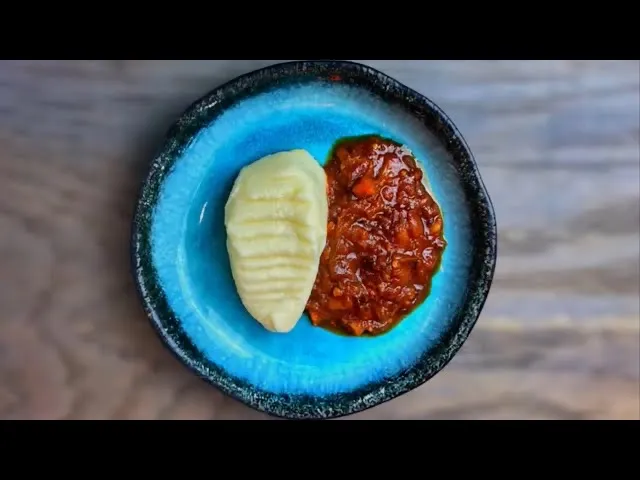
Samp is dried maize kernels, stamped to crack the hulls and break the grain into coarse pieces. It is eaten in place of rice or mealie meal across South Africa, and it holds a chewy, distinctly grainy texture that neither of those has. Different communities cook it differently: with beans as umngqusho, on its own with a little seasoning, or with meat worked through it.
Its defining property used to be time. Conventional samp takes about three hours, which puts it beyond a weekday for most households and placed it firmly at weddings, traditional ceremonies and funerals. There is a South African joke that turns on exactly this: warn someone about risky behaviour and the reply is that everyone will eat samp at the funeral, because that was the reliable place to find it on a menu.
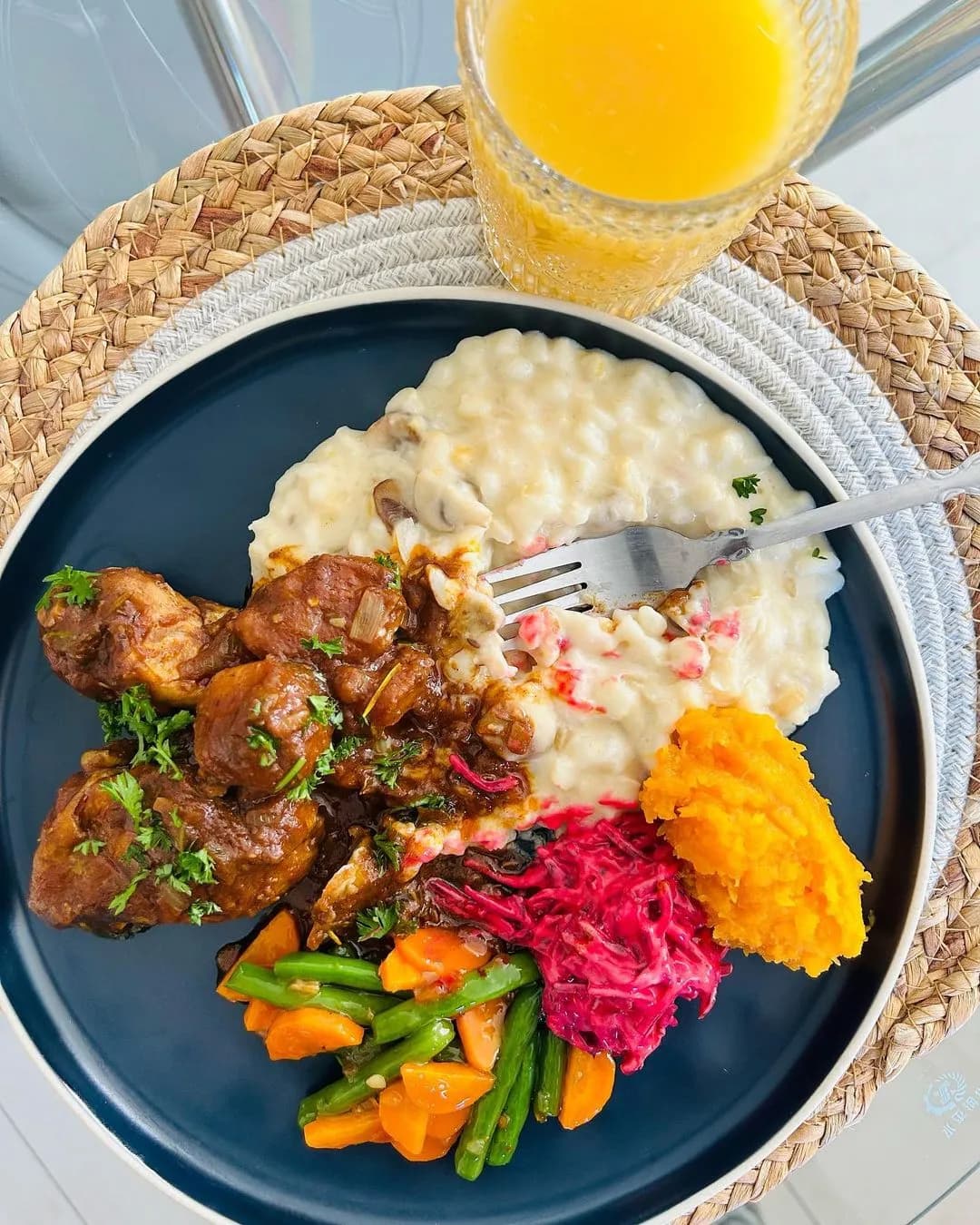
Quick cook samp changed that. Processed to cook in around thirty minutes, it moved the dish from the occasion to the ordinary week, and the reason it caught on is as much about electricity as about time. Three hours on a stove is expensive in a country with an unreliable supply. This creamy version, finished with mushroom, cheese and milk, is what samp looks like once it stopped being ceremonial.
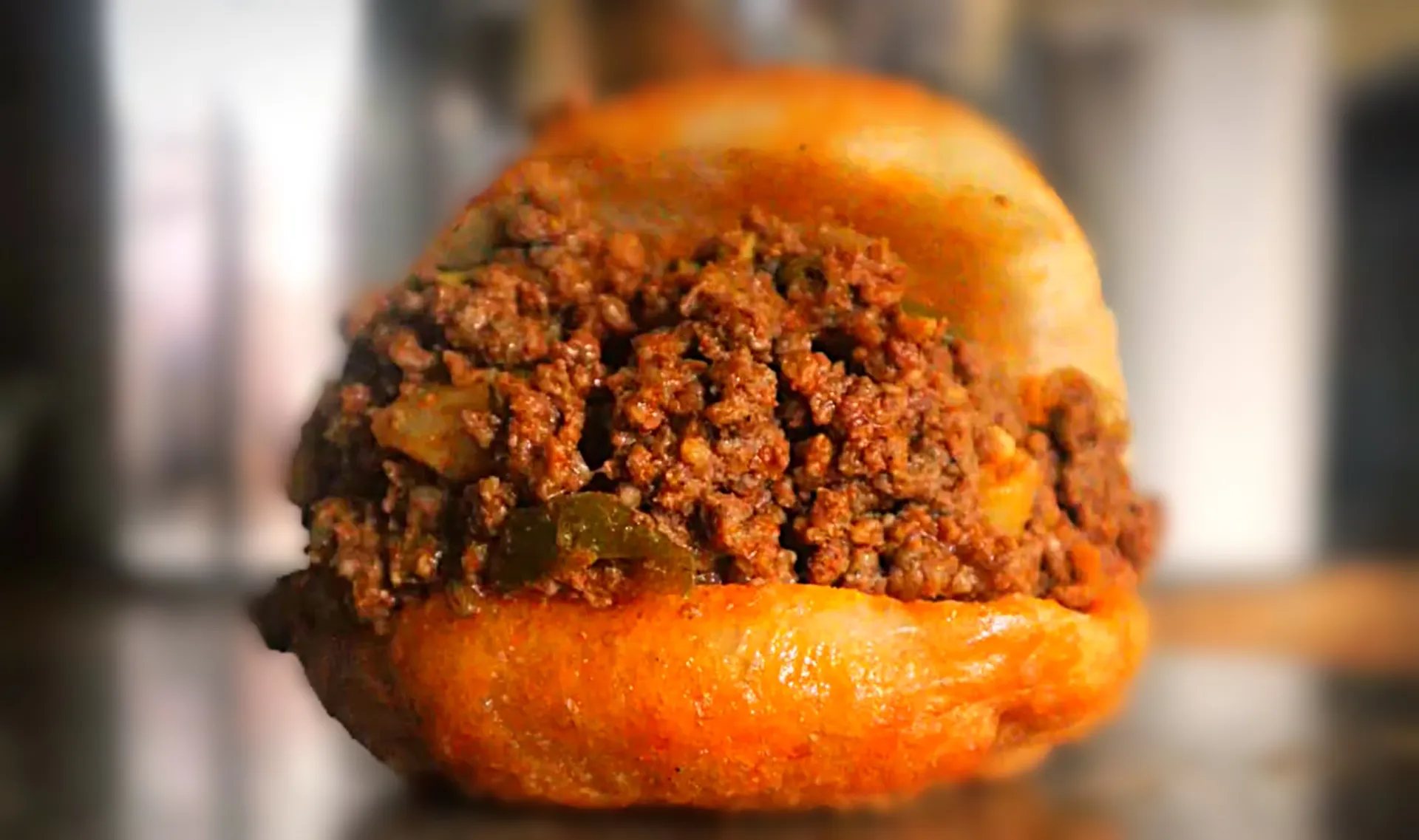
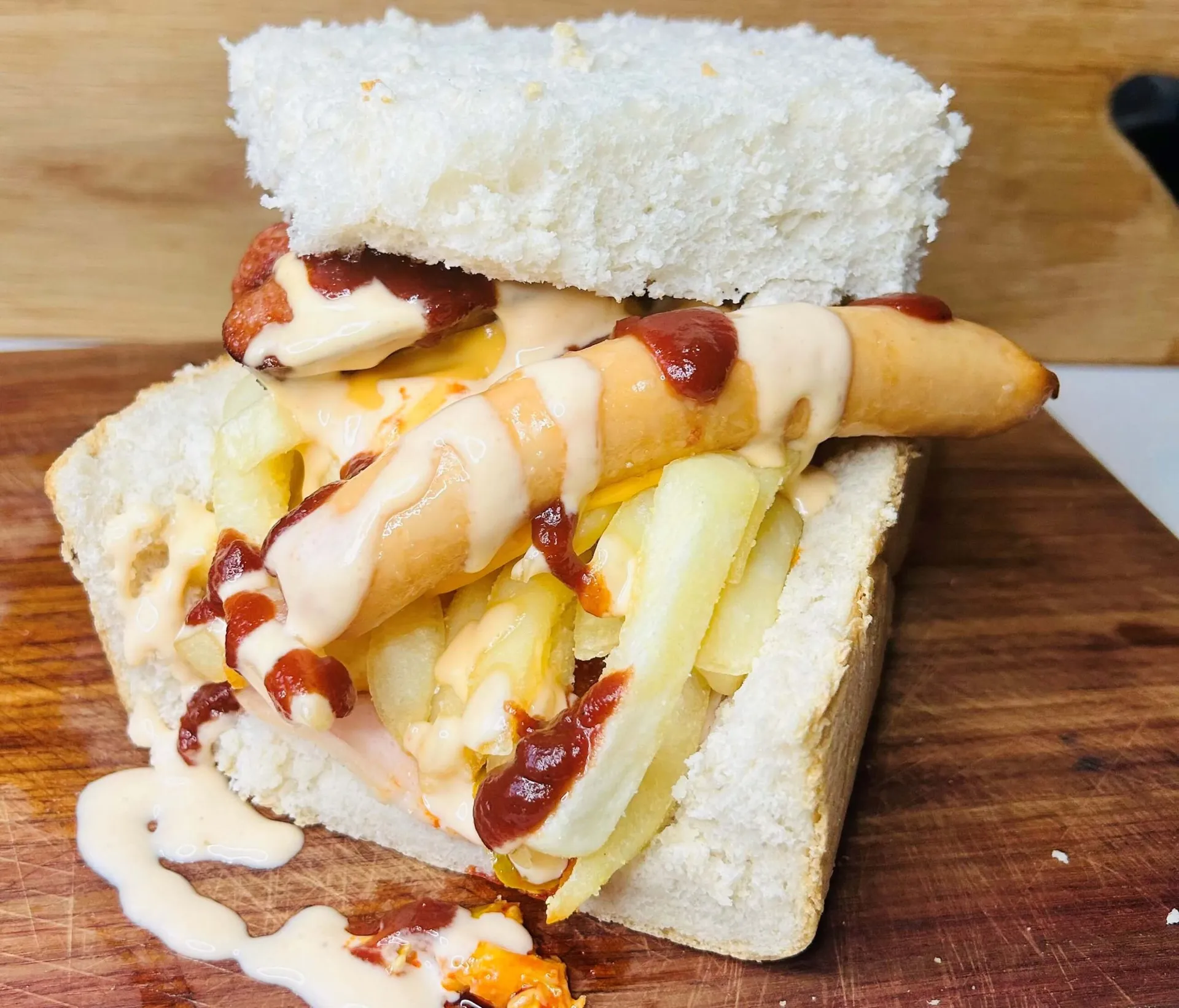
A kota is a quarter loaf of bread, hollowed out and packed with fried food. The word is township English for quarter, and that is the whole description: bread cut in four, the soft centre pulled out, and the cavity filled with chips, polony, russians, viennas, cheese, egg, atchar and sauce, then capped with the bread that was removed.
It belongs to the townships of Gauteng, where it is sold from small takeaway windows and eaten in the hand without a plate. Kota shops compete on what they will fit into a quarter loaf, and the size of the fill is a large part of the reputation. It is cheap, it is a complete meal, and it is built for people who need to eat between one thing and the next.
Atchar is what makes it South African rather than generically stuffed bread. The pickled green mango relish, oily and sour and hot, came to South Africa through Indian indenture and cuts the fried starch that dominates everything else in the cavity. Kota is often described as a version of bunny chow, and the two are related without being the same: bunny chow is Durban Indian, a hollowed loaf filled with curry, and kota is a Gauteng township form filled with fried items. They share an ancestor and are not interchangeable.
Green beans cooked slowly with potato and onion until everything is completely soft, then roughly mashed and finished with butter and nutmeg. It is South African, and it is old-fashioned in the best sense.
The dish exists for a specific reason and the source is refreshingly honest about it: this is what to do with green beans that have gone past their best. Beans that are too tough and stringy to steam and serve whole become excellent when cooked long and mashed, because the slow cooking breaks down exactly the fibres that made them unpleasant. It is a technique for rescuing produce rather than showcasing it, which is why it belongs to an older way of cooking.
The potato is structural. It breaks down completely and binds the mash, which is why the dish holds together rather than being beans in water.
Nutmeg with green beans is a Cape Dutch habit, and the same pairing turns up across South African vegetable cookery. It is not a garnish, it is what makes the dish taste South African rather than generically braised.
The source is also honest that quantities do not matter much, which is true of most old traditional recipes and rarely admitted.
Do not mash it to a purée. Texture is meant to survive.
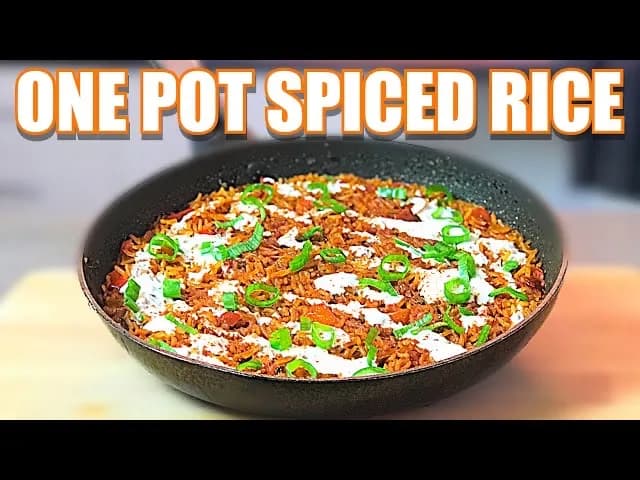
This is rice cooked in a peri peri spiced tomato and vegetable base, served with a lemon and garlic coconut yoghurt alongside. It belongs to the southern African peri peri tradition, and no single country is named in the source.
Peri peri itself is Mozambican and Angolan, built on the African bird's eye chilli that naturalised there after Portuguese traders brought chillies from South America. The seasoning blend here is a dry rub of salt, chilli, onion powder, garlic powder, ground coriander and oregano, which is the restaurant-style formulation rather than the fresh sauce.
The technique is the interesting part and the contributor is emphatic about it. The rice cooks in just enough water to cover it, under a lid on a low flame, until every drop has gone, and it then rests for ten minutes untouched. The instruction in the source is in capitals: leave the rice alone, because the aim is a crust on the bottom of the pan. That is the same principle behind Persian tahdig, Senegalese thieboudienne and Spanish socarrat, and it turns a side dish into something worth the pan.