Mtuzi Wa Samaki
35 minEasy


Cookies sur African Food Network
Nous utilisons des cookies essentiels au fonctionnement du site. Nous aimerions aussi déposer des cookies de mesure d’audience et des cookies publicitaires, uniquement avec votre accord. Vous pouvez choisir séparément pour chacun. Lire notre politique relative aux cookies
Parcourez les archives par pays, par plat et par temps de cuisson.
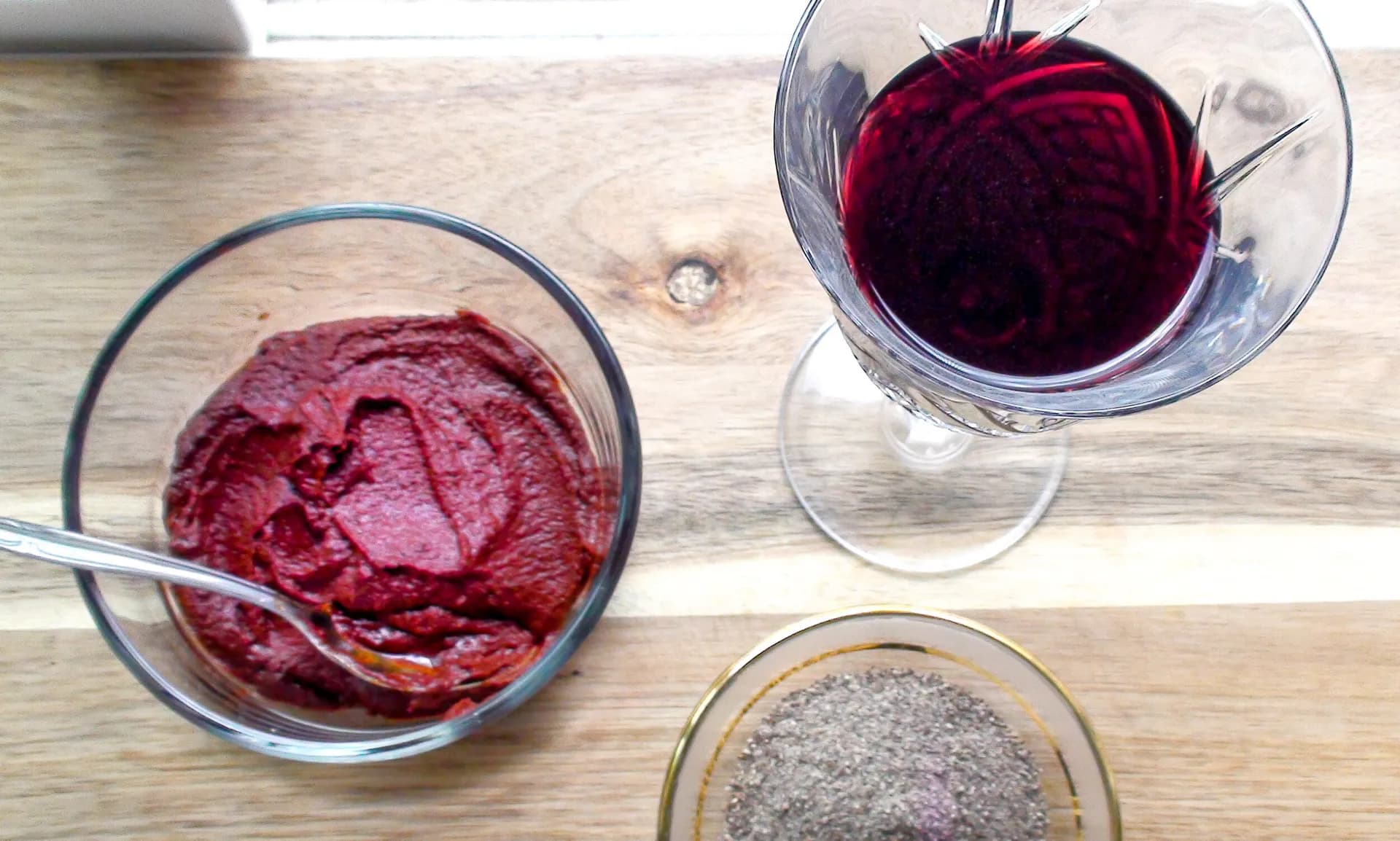
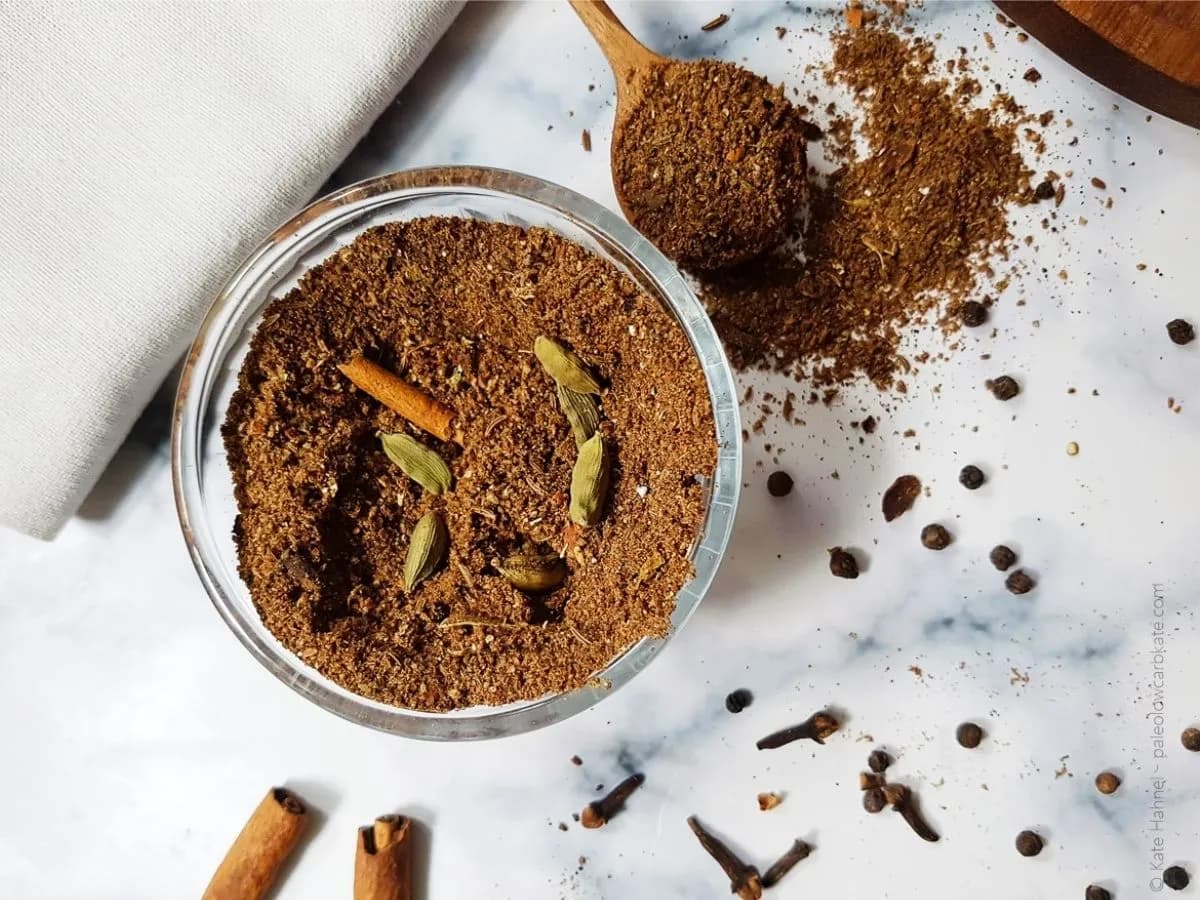
Awaze is the Ethiopian red chilli paste, built on berbere and loosened with an alcoholic liquid into a thick dip. It is extremely hot, it takes five minutes to make, and it goes with almost everything on an Ethiopian table. Berbere is what it is built on, and berbere is itself a blend: dried chillies, garlic, ginger, onion, rue seeds, cardamom, cloves and cinnamon. Awaze takes that and turns it into something spoonable. The liquid matters more than it sounds. Traditionally it is tej, the Ethiopian honey wine made with gesho, the shiny-leaf buckthorn, or areki, a strong spirit. This recipe uses red wine, which the contributor prefers and which is far easier to find. Its traditional place is at celebrations. Awaze is made for weddings and special occasions and served with raw meat, and gored gored, cubed raw beef with dipping sauce, is considered by many an unofficial national dish that no Ethiopian celebration is complete without. That is worth knowing about what the dip is for. Because of the wine, this is not alcohol-free, and mitmita, the other Ethiopian chilli blend with pili-pili peppers and cardamom, is a related but different thing.
5 minEasyEthiopia
Recette de Blessing · Africook

Des plats transmis de génération en génération
 Dawa5 min · East Africa
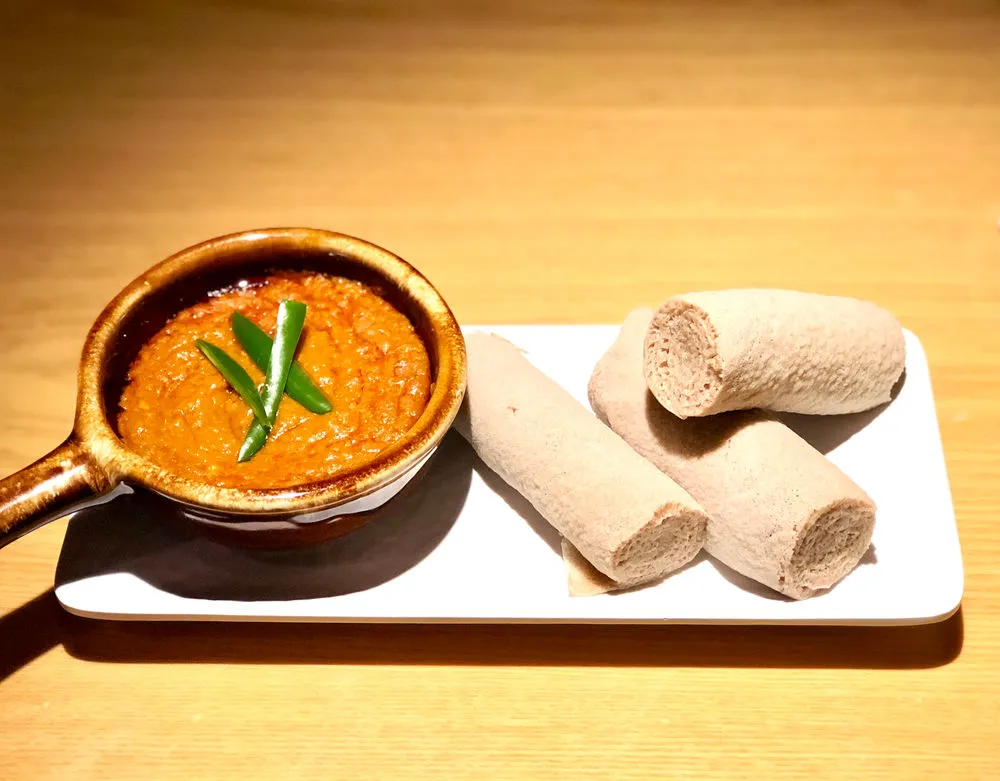 Shiro Wat (Ethiopian Chickpea Stew)35 min · East Africa
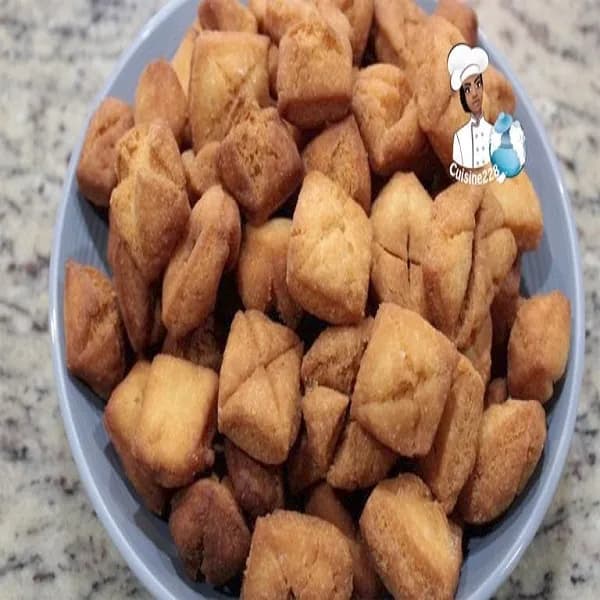 Somali Doughnuts (Kac Kac)30 min · East Africa
 Ugandan Rolex Chapati40 min · East Africa
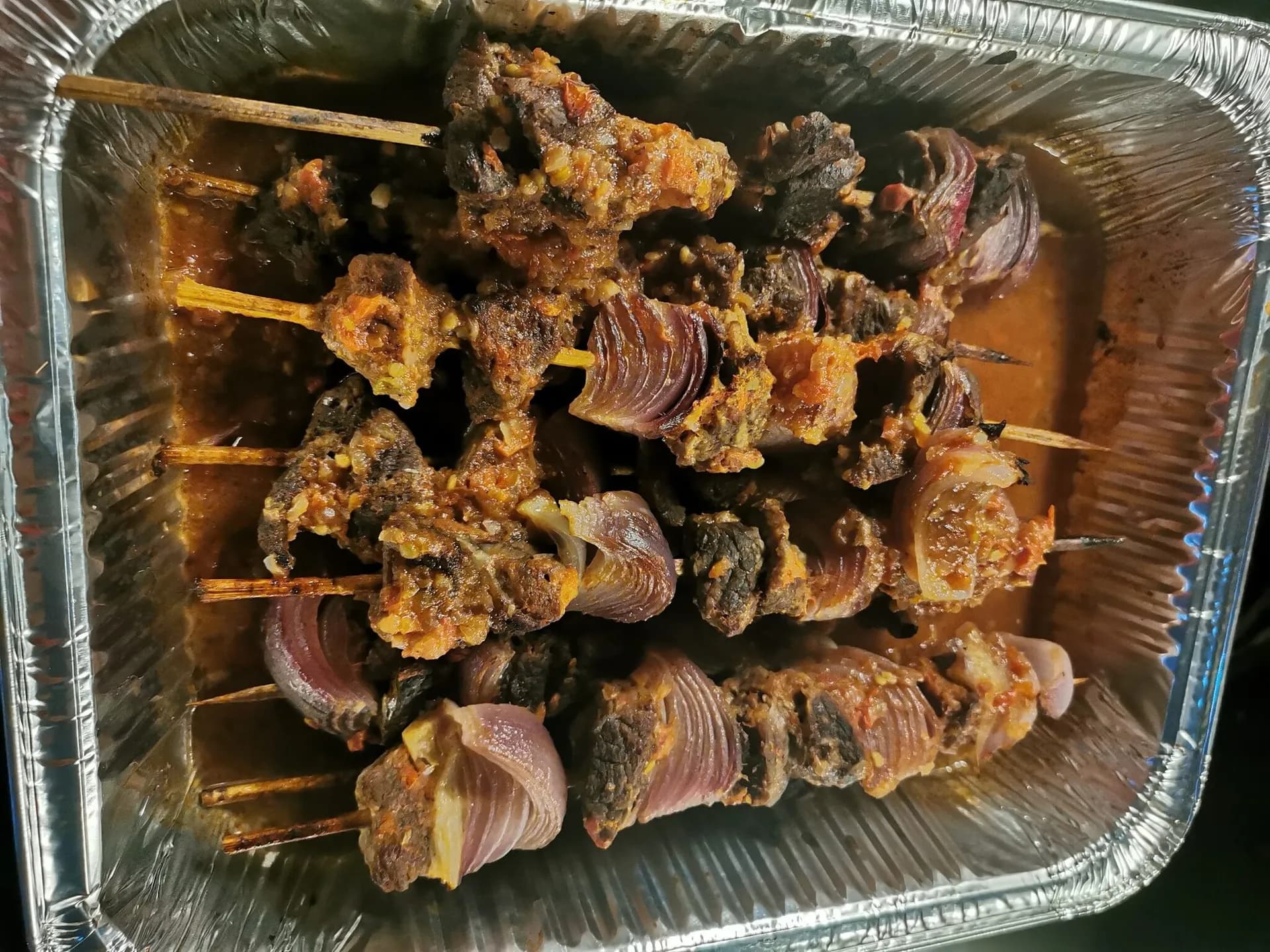 Rwandan Brochettes (Grilled Meat Skewers)55 min · East Africa
 Chips Mayai (Tanzanian Chip Omelette)30 min · East Africa
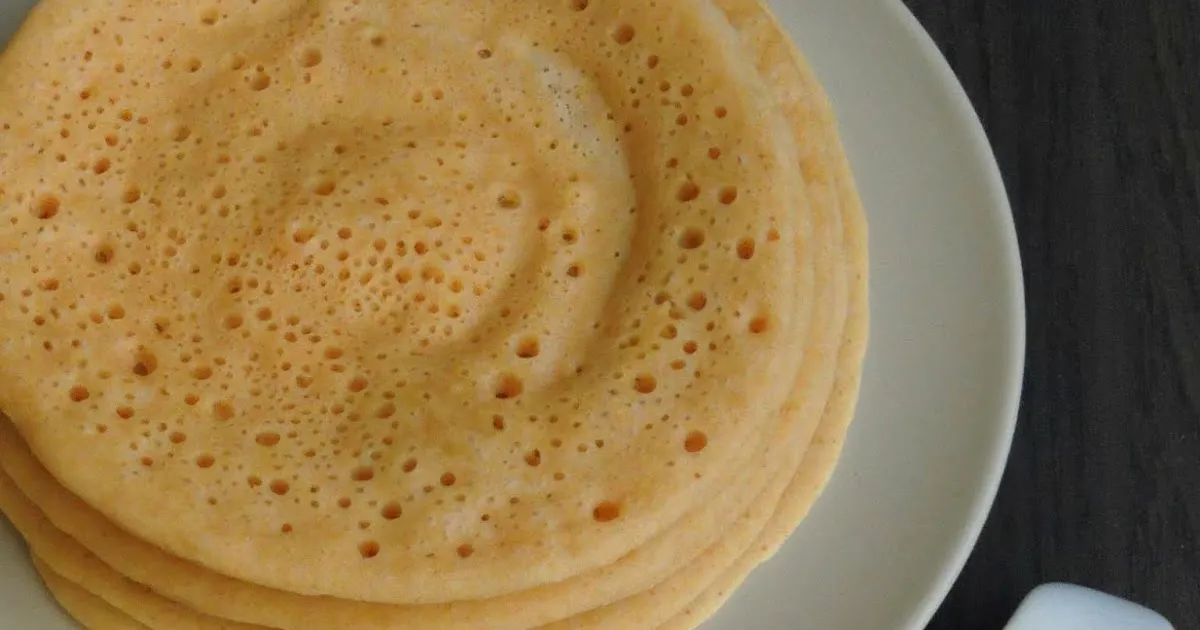 Gorraasa (Sudanese Flatbread)35 min · East Africa
 Samaki wa Kukaanga (East African Fried Fish)50 min · East Africa