Fura Da Nono
4.04 out of 5, 2 ratings30 min


Cookies sur African Food Network
Nous utilisons des cookies essentiels au fonctionnement du site. Nous aimerions aussi déposer des cookies de mesure d’audience et des cookies publicitaires, uniquement avec votre accord. Vous pouvez choisir séparément pour chacun. Lire notre politique relative aux cookies

De Igbo Yam Porridge à Hausa Masa, de Agidi or Eko à Puff-Puff. Toute la cuisine Nigeria, telle qu'on la prépare chez soi.
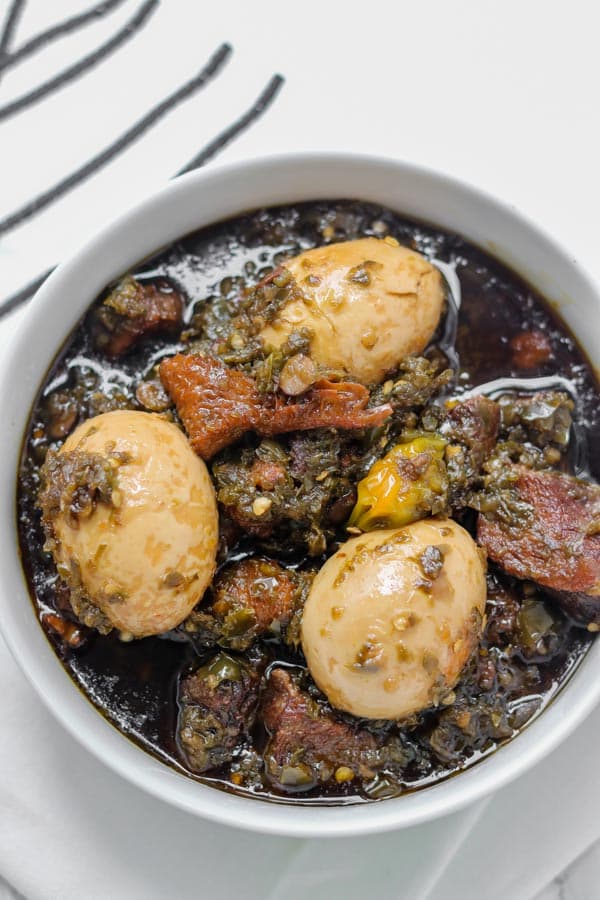
Ayamase is the green pepper stew of southwestern Nigeria, known almost as widely by two other names, ofada sauce, after the rice it is served with, and designer stew, which is what Lagos took to calling it. It is defined by two things that would be faults in almost any other stew. The peppers are green rather than red, which gives the sauce its unusual dark olive colour. And the palm oil is deliberately bleached, heated until it stops smoking and loses its red pigment, which strips out the characteristic palm flavour and leaves something nuttier and smokier behind. That bleaching step is the whole signature of the dish, and a version made with unbleached oil is a different sauce. Around that sit iru, the fermented locust bean that carries the deep savoury note, assorted meats including offal, and boiled eggs, which are close to obligatory. The name points to a person. Ayamase is traced to Ikenne-Remo in Ogun State and to a woman remembered as Mrs Felicia, Iya Mase, the wife of Mase, who is credited with the dish. It travelled from there into Lagos party food, where its reputation as something special was made. It is served with ofada rice, the short, unpolished local rice whose earthy flavour is the intended partner.
Les mieux notées
55 minMediumNigeria · African
Recette de donbuffy · Africook
Des plats transmis de génération en génération
 Ogi (Nigerian Pap)10 min · West Africa
 EbaWest Africa
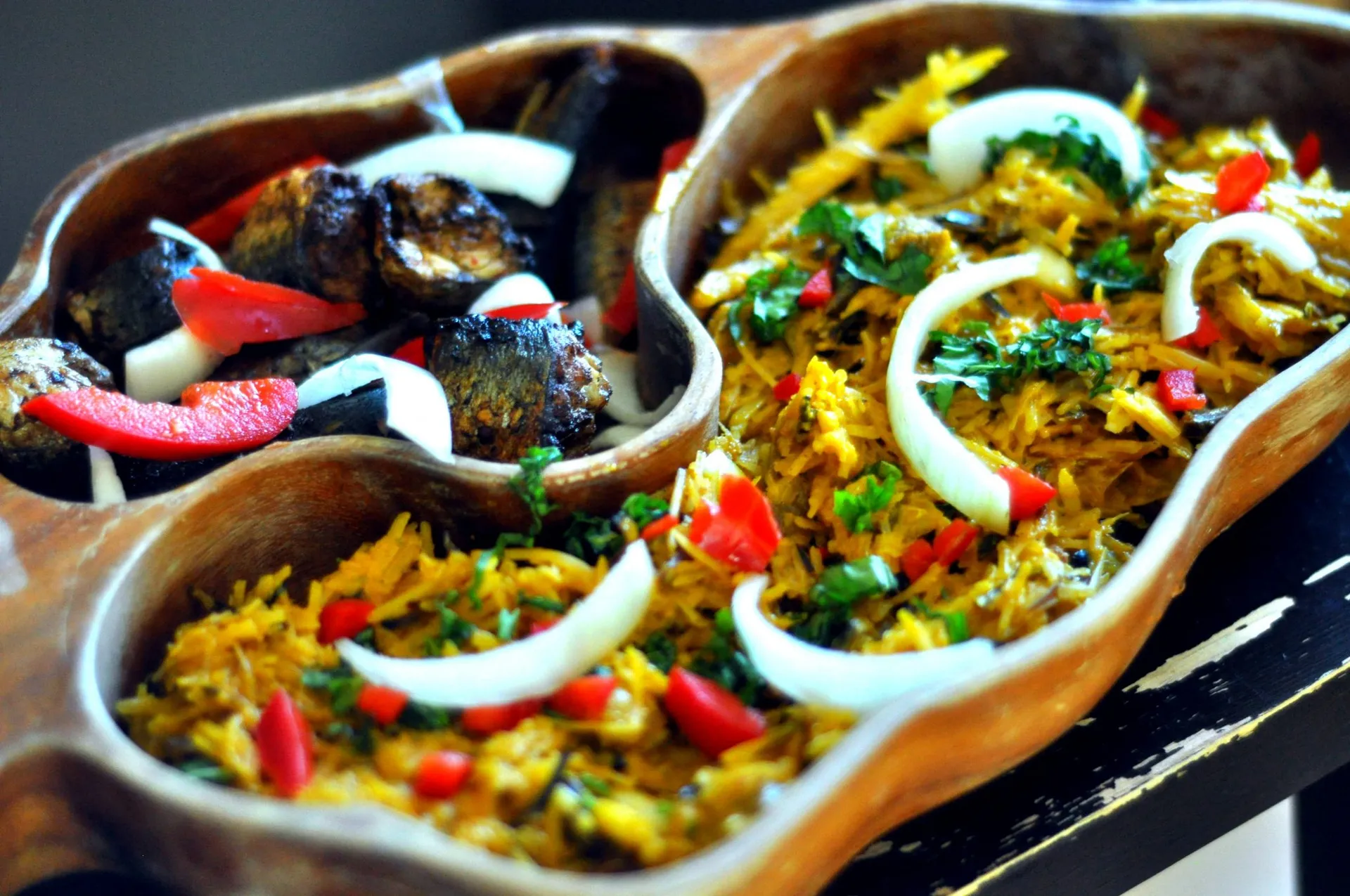 African Salad (Abacha and Ugba)30 min · West Africa
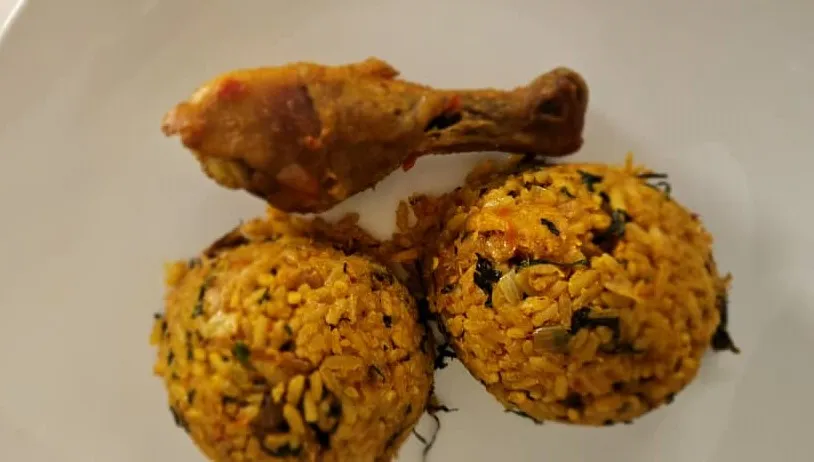 Nigerian Native Jollof Rice1 hr 10 min · West Africa
 Palm Wine Cocktail8 min · West Africa
 Foufou Powder1 hr 5 min · West Africa
 Ayamase Sauce50 min · West Africa
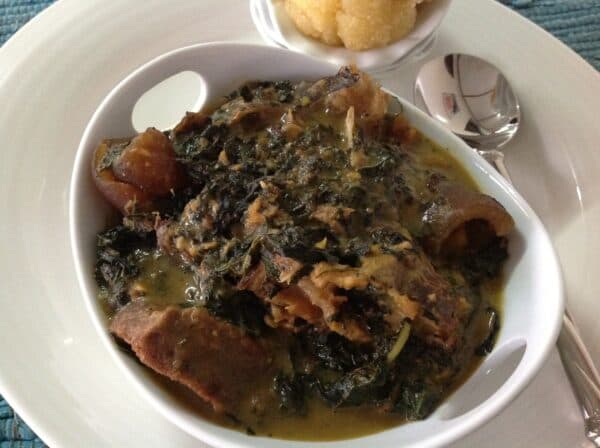 Bitter leaf Soup (Ofe Onugbu)West Africa