Nous utilisons des cookies essentiels au fonctionnement du site. Nous aimerions aussi déposer des cookies de mesure d’audience et des cookies publicitaires, uniquement avec votre accord. Vous pouvez choisir séparément pour chacun. Lire notre politique relative aux cookies

Loading
Recettes Cameroon
Parcourez les archives par pays, par plat et par temps de cuisson.
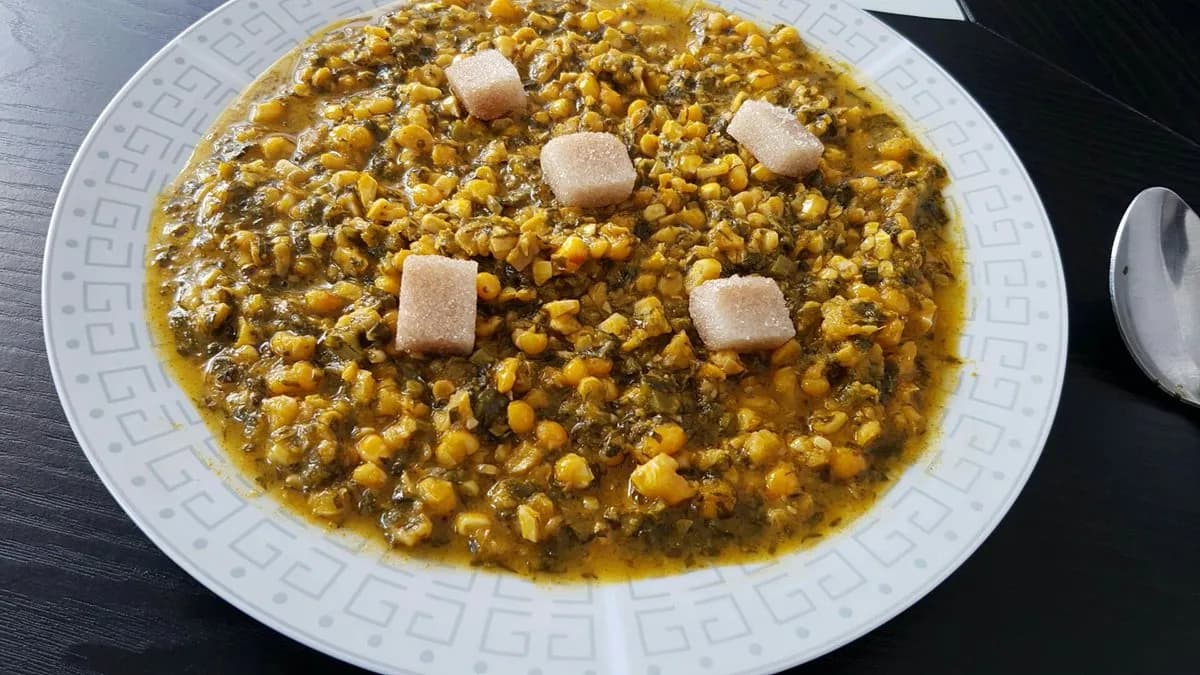
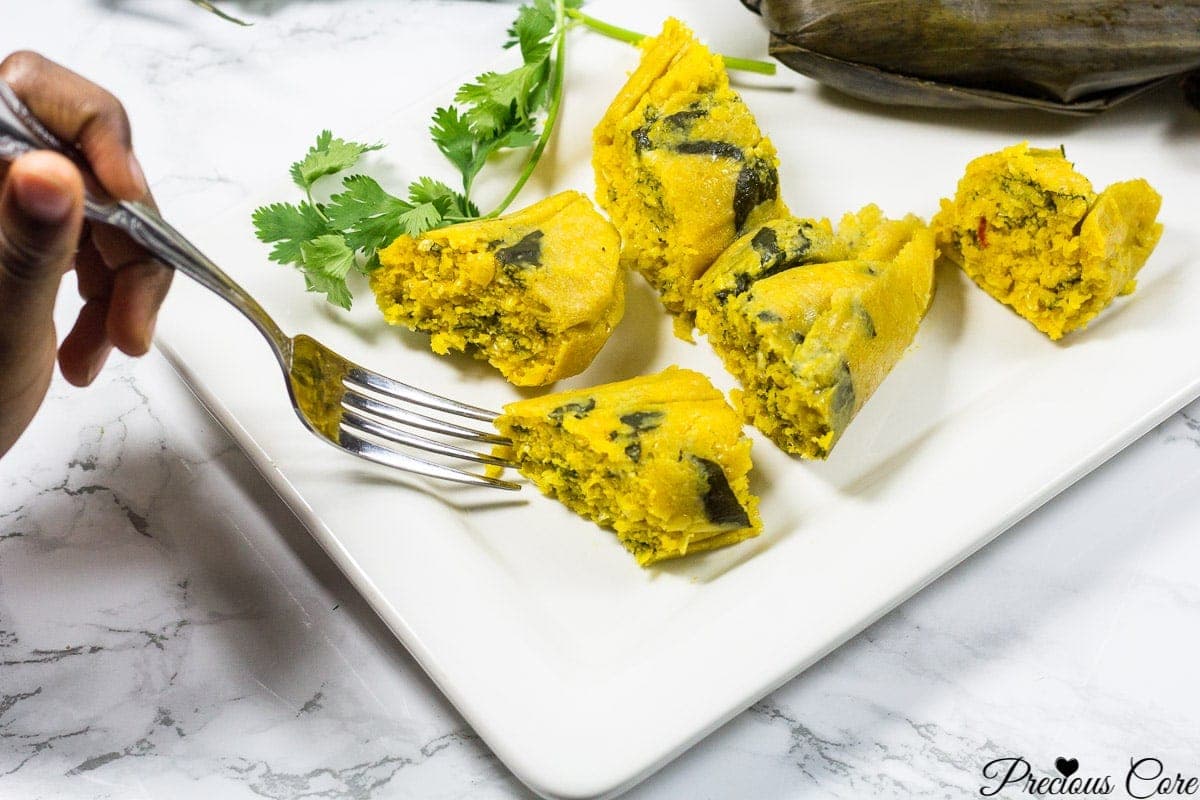
Sanga is a Cameroonian dish of pounded greens cooked with palm nut cream and fresh maize, and it sits between a stew and a porridge in a way that neither word quite covers. It comes from the southern and central regions of the country.
The maize is the point. Fresh corn kernels go in at the end in quantity, and their sweetness against the palm cream and the slightly bitter greens is the whole balance of the dish. Some households include sugar; most consider it unnecessary because the corn and the vegetables supply enough on their own. The source for this recipe is inconsistent about which green is used, naming both pounded cassava leaves and black nightshade leaves, called zom in Cameroon, and both are genuinely used in Cameroonian cooking. The ingredient list here follows cassava leaves.
Cameroon's food carries an unusual number of influences for one country, with French, Portuguese, German and neighbouring traditions all present alongside a very large number of internal ethnic cuisines. Sanga belongs firmly to the indigenous side of that. Palm nut cream, pounded leaves and maize are the raw materials of the forest zone, and the dish has stayed close to them.
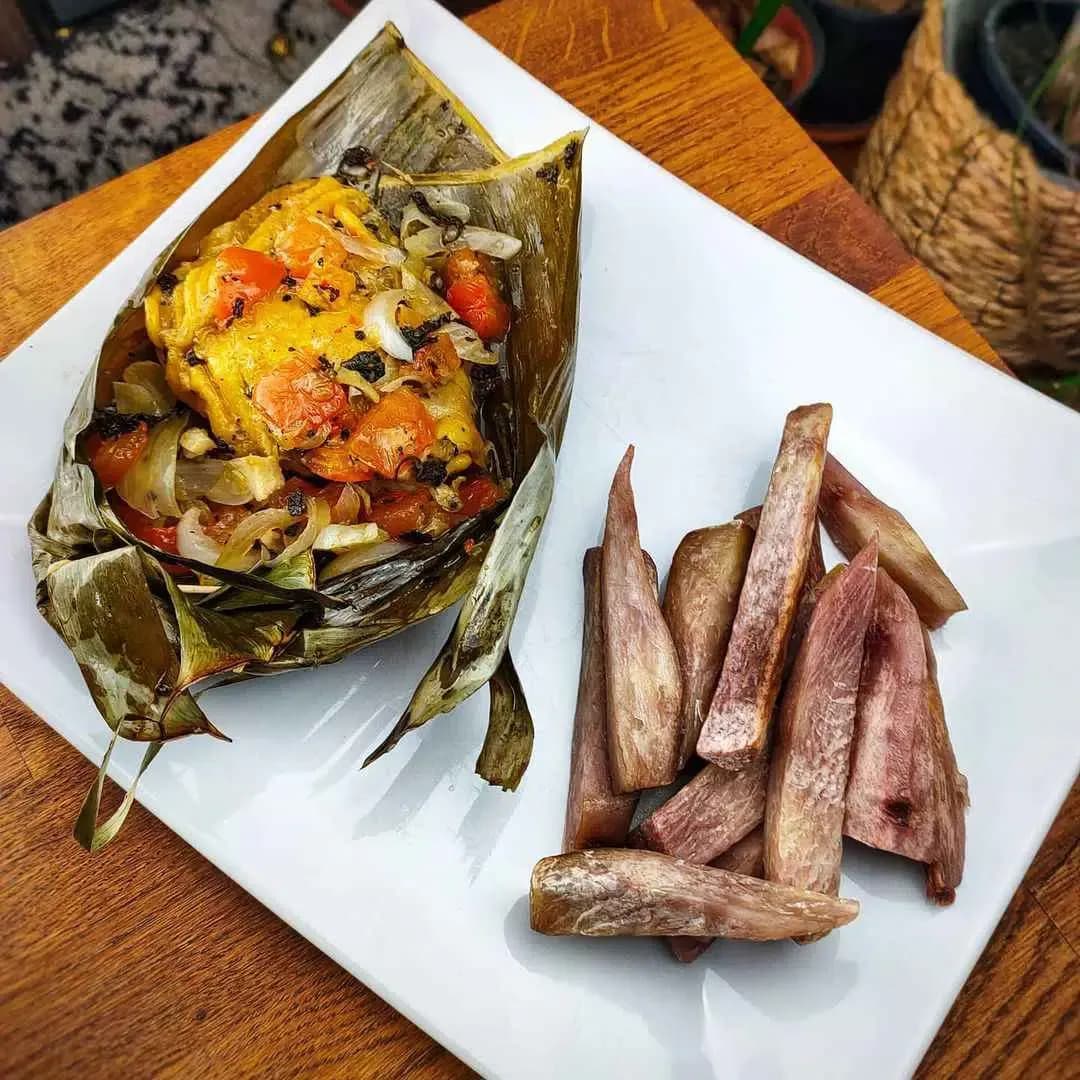
Kwacoco bible is grated cocoyam mixed with palm oil, smoked fish, crayfish and greens, wrapped in banana leaves and steamed until set. It is a staple of the Bakweri of Cameroon's South West Region.
Its closest relative is Nigerian moi moi, the steamed bean pudding, and the technique is the same: a wet seasoned mixture portioned into leaf parcels and cooked in a covered pot with water in the base. Grated cocoyam behaves much like blended beans, it sets into a firm, sliceable mass when steamed, because the starch gelatinises and holds everything suspended in it.
The banana leaves are not packaging. They flavour the parcels as they steam, and they are what gives the dish its particular aroma; foil holds the shape but contributes nothing.
Cocoyam is worth knowing about here, because the variety matters. The source notes that the pink-fleshed ones are starchier and drier when cooked, and that raw cocoyam can leave a slight itch in the throat, that is calcium oxalate, and cooking removes it entirely. It is also why gloves are worth wearing when grating.
Nobody, including the source, can explain the name. It has been left unexplained rather than given an invented etymology.
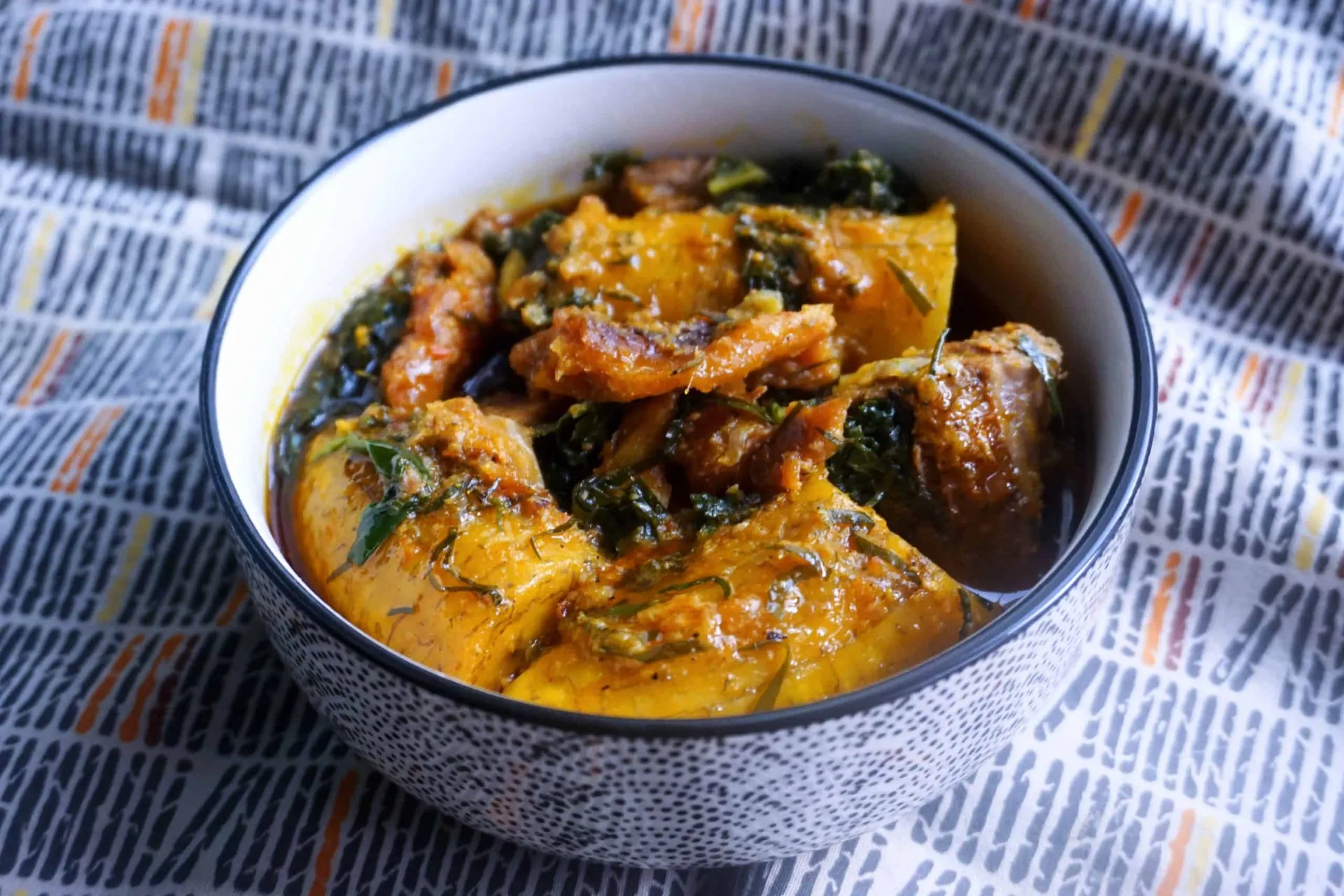
Kondré is green plantain and meat cooked slowly together in a blended spice paste until both are completely tender. It comes from the Bamileke of western Cameroon and is made for weddings, family gatherings and funerals.
Three things make it, and the source sets them out clearly. The meat, goat traditionally, beef commonly, sometimes smoked pork, cooked long enough to fall off the bone, which means an hour and a half at minimum. The plantain, which must be green and unripe: ripe plantain collapses over three hours of cooking and, more importantly, tastes wrong. The source's line is worth quoting in spirit, if it is not green, it is not kondré.
The third component is the spice list, and it is what makes this specifically Cameroonian rather than a generic stew. Pèbè (false nutmeg), djansang, rondelles, mesep and white Penja pepper are West and Central African spices with no straightforward substitutes, sold at African grocers. Penja pepper in particular is a protected Cameroonian product with a real reputation.
Toasting the whole seeds before blending is marked optional in the method. It is worth doing, dry-toasting hard seeds releases their oils and deepens the whole dish.
The source's ingredient list omits the plantain itself, which the method then requires.
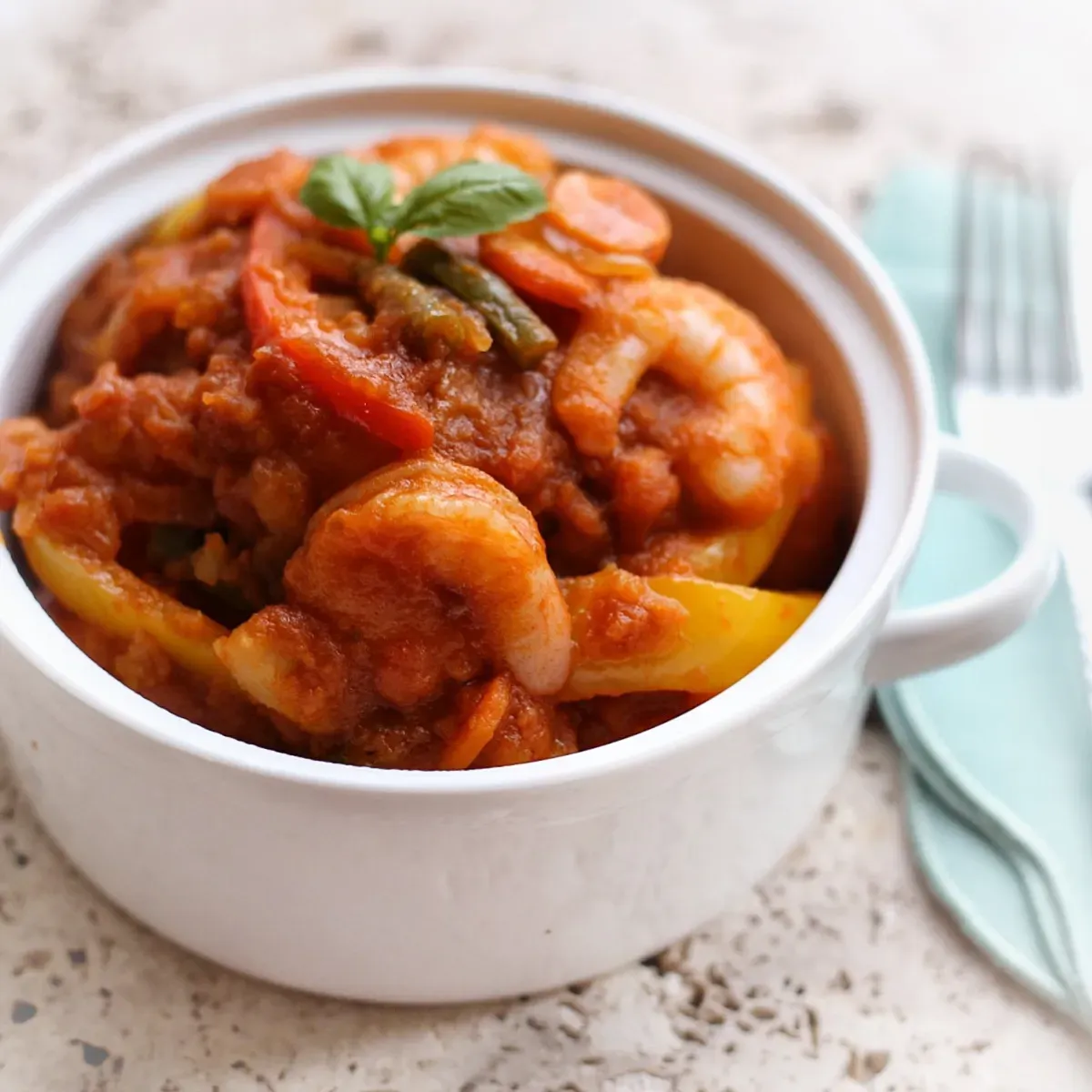
Potatoes parboiled and browned, then finished in a tomato and pepper sauce with vegetables and shrimp. The source places it in Cameroon and identifies it as a close relation of poulet DG, which is the useful frame.
Poulet DG, poulet Directeur Général, the general manager's chicken, is one of Cameroon's best-known dishes: chicken with fried ripe plantain in a vegetable-heavy sauce, named for its expense and its association with people who could afford it. Potato hot pot is the same construction with potatoes in place of plantain, and it is worth understanding the substitution rather than treating this as a generic potato stew.
The technique that carries it is the one people skip. The potatoes are parboiled and then fried or browned before they go into the sauce, which means they arrive with a crisp exterior and hold their shape rather than disintegrating. Potatoes added raw to a tomato sauce break down and thicken it into mush.
The source is relaxed about the protein, chicken, beef, pork, fish, shrimp or beef liver all work, and the ingredient list happens to use shrimp. Crayfish or smoked turkey are common additions.
The "Mild Fresh herbs Blend" in the ingredients is not defined anywhere. A blend of parsley, celery leaf, spring onion and basil is the usual Cameroonian equivalent.
Les mentions alimentaires sont fournies par les contributeurs à titre indicatif. Elles ne sont pas vérifiées par AFN et dépendent des produits que vous achetez. En cas d’allergie grave, vérifiez vous-même chaque ingrédient. Cuisine, allergies et votre propre jugement