


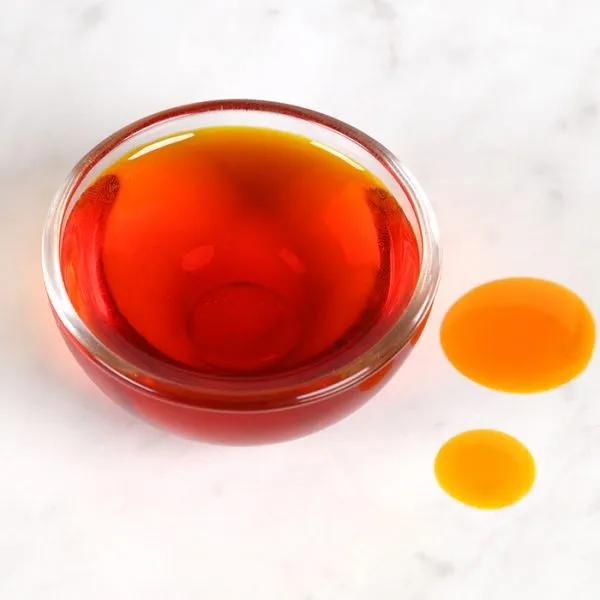
Bleaching palm oil is a necessary skill to learn if you love having native foods as it is a major method used in preparing meals like Obe ata iru, Ayamase, native rice and a host of other amazing Nigerian meals.
These are necessary tips to bleaching oil safely and properly.
- It is advisable to use clean dry stainless steel or aluminum pot. Never use non-stick pots or enamel pots when bleaching red palm oil.
- Due to its tendency to smoke up and cause discomforts such as coughing, make sure to bleach a tangible amount in order to have leftovers to store up for later use.
- Use low heat when bleaching red palm oil so that it does not get burnt and turn dark when done.
- Be sure to check the quality of your palm oil. It should be a free flowing pure red palm oil as those congealed almost yellow ones contain some water.
- Keep the pot covered while bleaching the Palm oil to prevent a fire accident.
- Bleach palm oil in a well ventilated area, outdoors if possible. Turn on the kitchen extractor and turn off smoke alarm as it is going to get smoky.
- Never leave pot unattended as it can catch fire if overheated. Check it constantly and turn off the heat after about 10 minutes.
- Do allow the oil to cool down a bit before adding the ingredients. It should take about 20 minutes to cool. This will prevent hot splashes of oil and will keep your food from burning due to the high temperatures.
Abeg you should have emphasized turning off the gas stove completely before even thinking of opening the pot o! Hot oil smoke can catch fire so fast. My mother taught me to drop one small unpeeled onion inside the cold oil first... once that onion turns completely black, you know the palm oil is bleached enough for your Obe ata iru without opening the lid every two minutes.
Chale, you left out how zomi oil behaves differently from regular unbleached palm oil when heated! Over here in Croydon when I get oil from the shops on London Road, bleaching it indoors during winter with the windows shut tight is a huge mistake paa. Herh, my kitchen smoke detector went crazy the first time I attempted it.
In Kigoma we call this raw red oil mawese, but we mostly use it unbleached for cassava leaves and fish dishes. It is interesting to read how bleaching transforms the deep red colour and strong flavour before making Ayamase. Thank you for including the safety reminder about turning off the heat source.
Bleaching red palm oil inside a Dubai apartment is pure danger. The smoke alarm in my building will alert civil defence before the oil even turns clear! I usually buy my red palm oil from the African shop in Karama. Next time I will definitely try putting the pot on the balcony burner instead, sawa.
Baie good point about keeping the pot covered until it cools down completely. I once lifted the lid too early while doing this on my gas braai side-burner outside and the smoke was unbelievable. Critical advice if you want a proper base for Ayamase without burning the place down.