
South African Stewed Green Beans
Overview
Green beans cooked slowly with potato and onion until everything is completely soft, then roughly mashed and finished with butter and nutmeg. It is South African, and it is old-fashioned in the best sense. The dish exists for a specific reason and the source is refreshingly honest about it: this is what to do with green beans that have gone past their best. Beans that are too tough and stringy to steam and serve whole become excellent when cooked long and mashed, because the slow cooking breaks down exactly the fibres that made them unpleasant. It is a technique for rescuing produce rather than showcasing it, which is why it belongs to an older way of cooking. The potato is structural. It breaks down completely and binds the mash, which is why the dish holds together rather than being beans in water. Nutmeg with green beans is a Cape Dutch habit, and the same pairing turns up across South African vegetable cookery. It is not a garnish, it is what makes the dish taste South African rather than generically braised. The source is also honest that quantities do not matter much, which is true of most old traditional recipes and rarely admitted. Do not mash it to a purée. Texture is meant to survive.
AFN Heritage Note
Stewed green beans are a South African side dish of Cape Dutch character, in which green beans are slow-cooked with potato and onion and roughly mashed, finished with butter and nutmeg. The dish was traditionally a way of using beans grown too old and tough to steam whole.
Ingredients
Dietary tags come from contributors and AFN does not verify them. They also depend on the products you buy. Recipes here are published for learning, not as medical or dietary advice. If you have an allergy or a medical condition, check every ingredient yourself and talk to a doctor or dietitian. Cooking, allergies and your own judgement
Directions
- 1
Wash and tail the beans. Quantities are not fixed here, use more if you are feeding more people, and a second potato with them.
- 2
Cut the beans crossways into rounds, anywhere from thinly sliced to 1 inch long.
- 3
Put them in a pot and slice the peeled potato and onion over the top.
- 4
Pour in about a third of a cup of water and add the sugar, white pepper and salt. White pepper is the better choice here, though black works.
- 5
Do not mix. Put the lid on, bring to the boil, then lower the heat and let it cook gently.
- 6
Cook, covered, until everything is very soft.
- 7
Mash the beans, potato and onion roughly with a masher. Do not beat it to a pulp, there should be texture left.
- 8
There is usually a little too much liquid. Drain it off through a sieve, or cook it away over high heat, taking care not to burn the vegetables.
- 9
Mix in a good knob of butter, fork it through, and sprinkle with nutmeg to serve.
Africook’s Notes
- This is the dish for old, tough beans. Long cooking breaks down the fibres that made them unpleasant to eat whole.
- Do not mash it smooth. Texture is meant to survive, and a purée is a different and worse dish.
- The potato is structural. It breaks down and binds everything, and without it you have beans in water.
- Drain the excess liquid rather than mashing it in, or the result is soupy.
- Nutmeg is what makes it South African. It is a Cape Dutch pairing with green vegetables and it is not optional in spirit.
- It reheats well and the source says the flavour improves, which is worth knowing.
Questions cooks ask
Isn't cooking green beans this long a mistake?
Not for this dish. It exists precisely to use beans that have grown too old, tough and stringy to steam and serve whole, long cooking breaks down the fibres that made them unpleasant. Applying it to young, tender beans would be a waste, since those are better briefly steamed. The source is unusually honest about this being a rescue technique rather than a showcase, which is what makes it a genuinely useful recipe.
Why is there a potato in it?
It holds the dish together. As it cooks the potato breaks down completely, and mashed through the beans it binds everything into a cohesive side dish rather than leaving you with beans sitting in liquid. It also takes the edge off any remaining bitterness in older beans. Doubling the potato for a larger batch is exactly what the source recommends.
Why nutmeg?
Because it is a Cape Dutch habit, and it is what places the dish. Nutmeg with green vegetables turns up across South African cookery and comes down from Dutch settler cooking, where the spice trade made nutmeg an ordinary rather than exotic ingredient. Without it this is a pleasant braised bean dish that could be from anywhere; with it, it tastes specifically South African.
Does it matter how much of everything I use?
Not much, and the source says so directly, a rare admission in a written recipe. This is an old traditional dish of the kind that was cooked by eye rather than measured. More beans need a second potato; more people need more of everything. What matters is the method: cook it covered until everything is soft, mash it roughly, drain the excess liquid, finish with butter.
Reviews
Be the first to rate this recipe
Cooked it? Your rating helps the next person decide whether to try it.
No reviews on this one yet. If you have cooked it, yours would be the first.
You Might Also Like
Browse all South African recipes →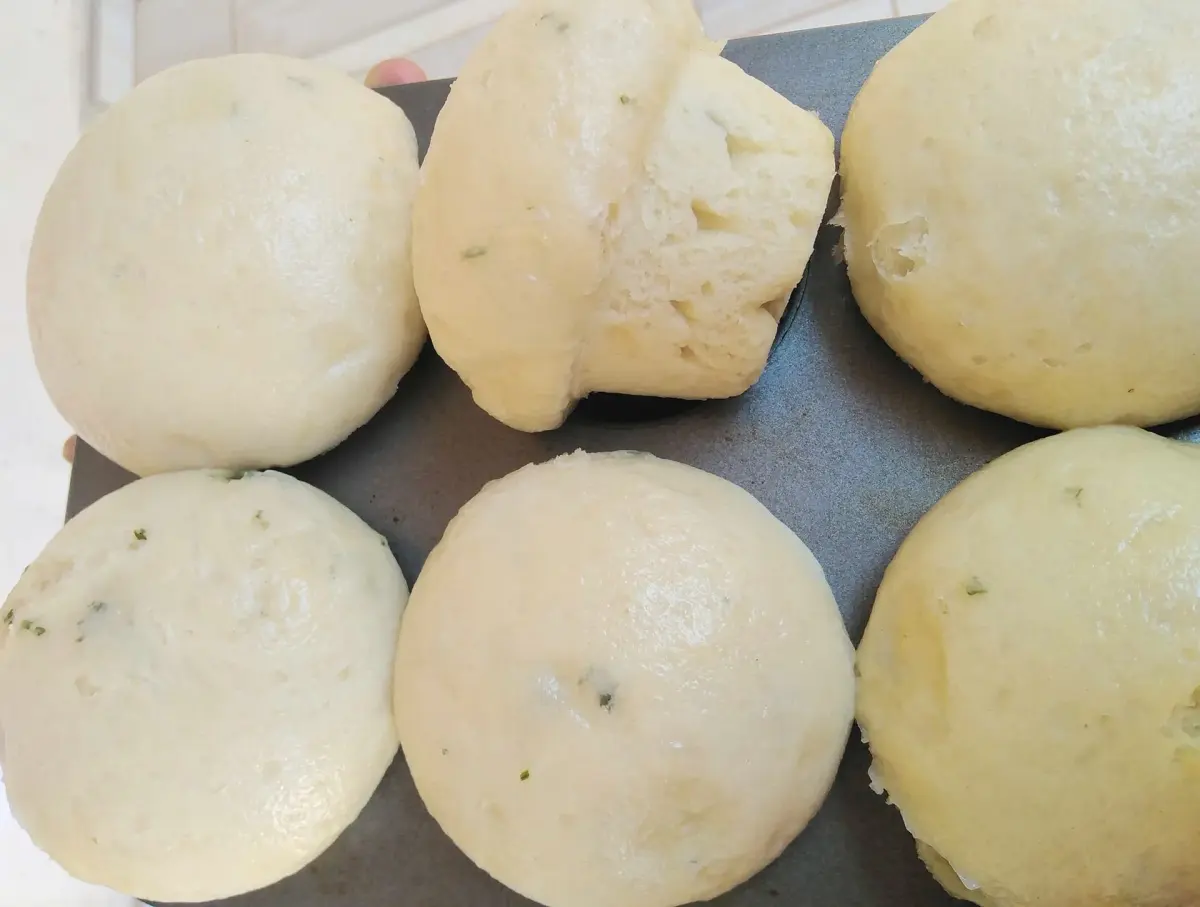
Dombolo (Dumplings or Steamed Bread)

Boeber (Cape Malay Sweet Milk Drink)