
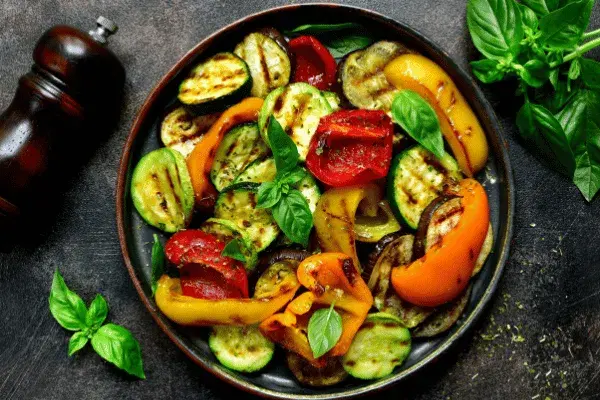
Smoked Vegetables
Abuja, Nigeria · View all recipes
Overview
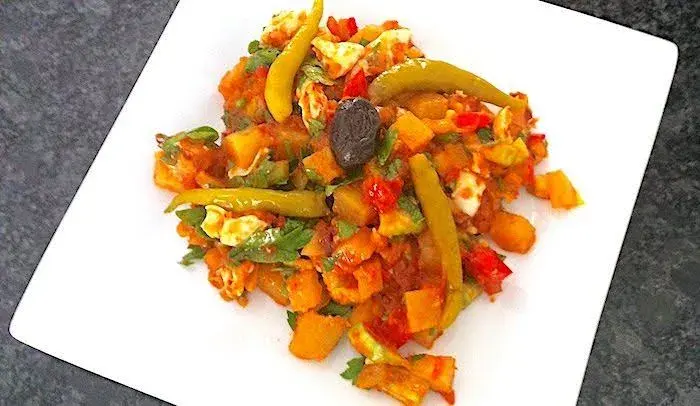
Vegetables tossed in oil and smoked paprika and cooked low and slow in a barbecue smoker for one to two hours. Like smoked shrimp, this belongs to American barbecue rather than to any African tradition, and no country is named in the source. Which vegetables work is the useful part. Dense, firm vegetables hold up to the long, low process: potatoes, carrots, beets, brussels sprouts, cauliflower, onions, mushrooms, aubergine and winter squash such as butternut. Softer ones collapse before they take on any smoke. The recipe here uses courgette, yellow squash, onion, bell peppers, asparagus and carrots, which is at the softer end of that range and accordingly needs the shorter end of the time. Smoked paprika in the seasoning is doing something worth noticing: it brings smoke flavour independently of the smoker, which means the dish reads smoky even before the wood does its work. That is a useful trick in itself, and it means a version of this can be made in an oven with no smoker at all. Africa's charred vegetable traditions are different things entirely, Moroccan zaalouk, Egyptian baba ganoush, West African roasted pepper bases, where vegetables are blackened directly over flame rather than smoked slowly.
Ingredients
Dietary tags come from contributors and AFN does not verify them. They also depend on the products you buy. Recipes here are published for learning, not as medical or dietary advice. If you have an allergy or a medical condition, check every ingredient yourself and talk to a doctor or dietitian. Cooking, allergies and your own judgement
Directions
- 1
Prepare all the vegetables as listed and place them in a large bowl.
- 2
Spray generously with olive oil until lightly coated.
- 3
In a small bowl, mix the smoked paprika, garlic powder, salt and black pepper.
- 4
Sprinkle the seasoning over the oiled vegetables and toss to coat evenly.
- 5
Arrange them in a grill basket or on a sheet pan.
- 6
Smoke at 95 to 120°C for 1 to 2 hours, until they reach the smokiness and tenderness you want.
Africook’s Notes
 Personal notes from Deborah Olayiwola
- Match the vegetable to the method. Dense ones, potatoes, carrots, beets, cauliflower, squash, hold up to a long low smoke; soft ones collapse before they take on flavour.
- Cut everything to a similar size, or the thin pieces are done long before the thick ones.
- Use a grill basket for smaller pieces, or they fall through the grates.
- Smoked paprika adds smoke flavour independently of the smoker, which is why this reads smoky even at the shorter end of the timing.
- The softer vegetables in this list need the shorter end of the range: check at an hour rather than waiting for two.
- Without a smoker, roast at 160°C for about an hour. The smoked paprika does a surprising amount of the work.
Questions cooks ask
Which vegetables smoke best?
Dense ones with a firm texture: potatoes, carrots, beets, brussels sprouts, cauliflower, onions, mushrooms, aubergine and winter squash such as butternut. They hold their structure through one to two hours of low heat. Softer vegetables collapse before they have taken on much smoke.
How long do they take?
One to two hours at 95 to 120°C, depending on the vegetable and how smoky you want them. The mix in this recipe sits at the softer end, so check at an hour. Denser vegetables such as potatoes and beets will use the full two hours and can take longer.
Can I do this without a smoker?
Yes, though the result is different. Roast at around 160°C for about an hour. The smoked paprika in the seasoning contributes real smoke flavour on its own, so the dish still reads smoky. What you lose is the depth that actual woodsmoke gives over a long cook.
What are the African equivalents?
Different techniques rather than the same one. Moroccan zaalouk chars aubergine and tomato directly over flame before cooking them down. Egyptian baba ganoush blackens aubergine the same way. West African stew bases roast peppers, tomatoes and onions over open fire before blending. All are direct flame rather than slow smoke.
Reviews
Be the first to rate this recipe
Cooked it? Your rating helps the next person decide whether to try it.
No reviews on this one yet. If you have cooked it, yours would be the first.